
Asphalt Shingle Durability Minnesota
The durability of asphalt shingles in Minnesota depends on more than a product label. Homeowners comparing asphalt shingle durability Minnesota conditions should look past the warranty sticker. Installation details, attic conditions, roof shape, weather exposure, drainage, and upkeep all influence how a roof performs through changing seasons. Minnesota Roofing Company helps property owners evaluate roofing needs across Minnesota. This guide explains what affects shingle condition, what you can safely observe, and how to think through repair versus replacement.
This guide focuses on durability rather than promising a fixed service life. It shows how to assess visible clues, prepare useful questions, and compare the scope of possible work. A roof's condition depends on its materials, construction, and exposure, so evaluate the whole assembly rather than relying on a generic age estimate.
On this page
What affects asphalt shingle durability in Minnesota?
Asphalt shingles are only one part of a roofing system. The deck beneath them, underlayment, flashing, ventilation, drainage, and workmanship all shape how the roof manages water and seasonal changes. Shingles installed over a sound, well-prepared assembly face different conditions from shingles above damaged decking or vulnerable transitions. Product specifications matter, but they do not describe the condition of every roof where that product is installed.
Installation details matter
Shingles need to be installed in the sequence and fastening pattern intended for the product and roof. Eaves, rakes, valleys, ridges, penetrations, and roof-to-wall transitions need careful water management. A leak can begin at one of these details even when most shingles look intact from the ground.
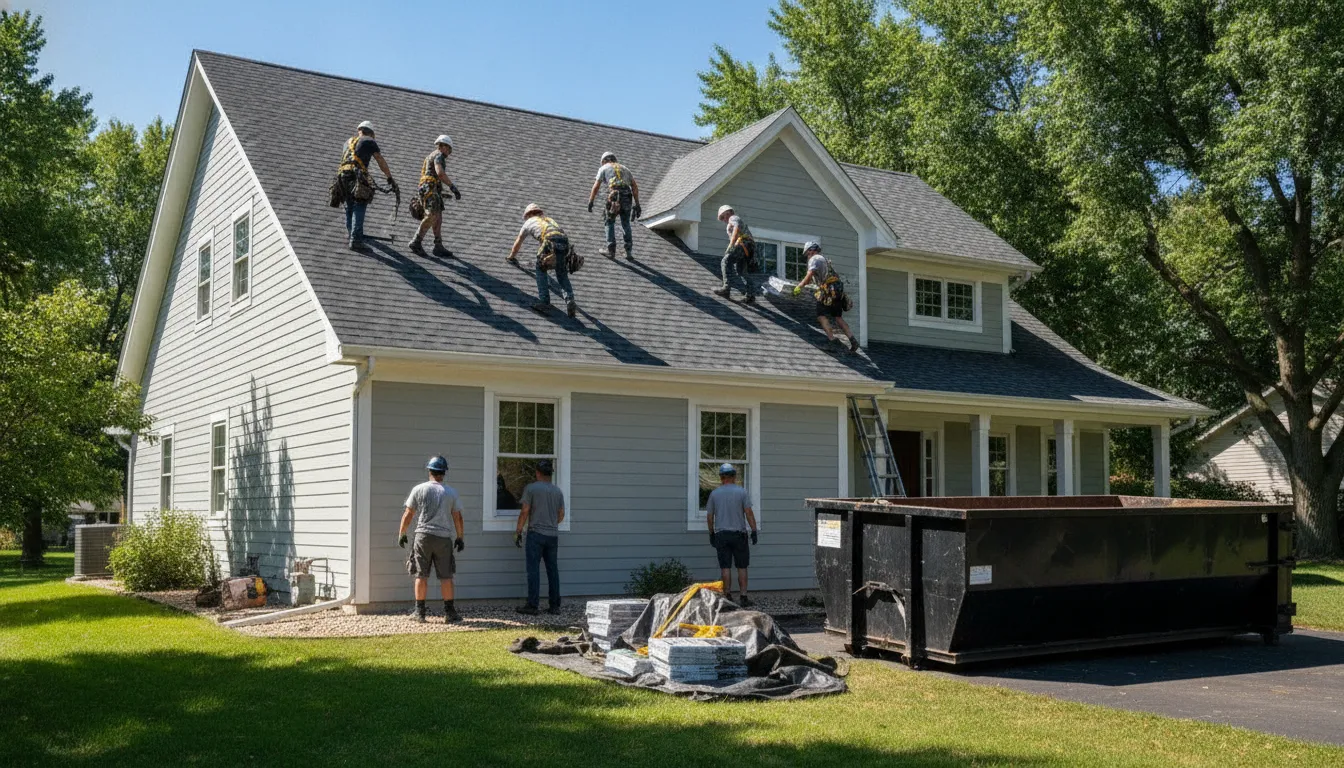
When discussing work, ask what components are included, how damaged decking will be handled, and whether flashing and ventilation will be reviewed. Minnesota Roofing Company's shingle roofing information provides a starting point for understanding the system. For how a crew installs that system, see asphalt shingle roof installation in Minnesota.
Roof geometry adds another layer. A simple roof plane has fewer transitions than a roof with valleys, dormers, chimneys, skylights, and several roof-to-wall junctions. Each transition is a place where materials must meet and direct water outward. Shading, nearby trees, wind exposure, and the direction of runoff also differ from house to house. This is why the same product name cannot, by itself, tell you how a particular roof will perform.
Installation quality is also about consistency across the whole roof. A repair or replacement should address edges and transitions as well as the open shingle field. Ask how the crew will handle existing flashing, whether affected components will be reused or replaced, and how the finished details will be checked. A clear description matters because a proposal can sound complete while leaving out the part of the roof that caused the concern.
Attic conditions and moisture
Attic conditions are part of roof performance. Excess heat or moisture may point to ventilation or air-leakage concerns, and damp insulation or staining deserves attention. An assessment should consider the larger assembly rather than treating every surface symptom as a shingle defect.
When the question is the material itself rather than one roof's condition, the roof replacement materials guide covers that separate choice. Ask what was observed, what remains uncertain, and whether the recommendation addresses the cause as well as the visible symptom.
If you can safely enter an accessible attic, look for visible moisture clues without disturbing insulation or touching wiring. Note whether a mark appears localized near a penetration or extends along a broader area. A damp spot does not automatically identify where water entered; water can travel along framing before becoming visible indoors. Record the location and share it with the person assessing the roof rather than assuming the stain sits directly beneath the defect.
How does Minnesota weather affect asphalt shingle durability?
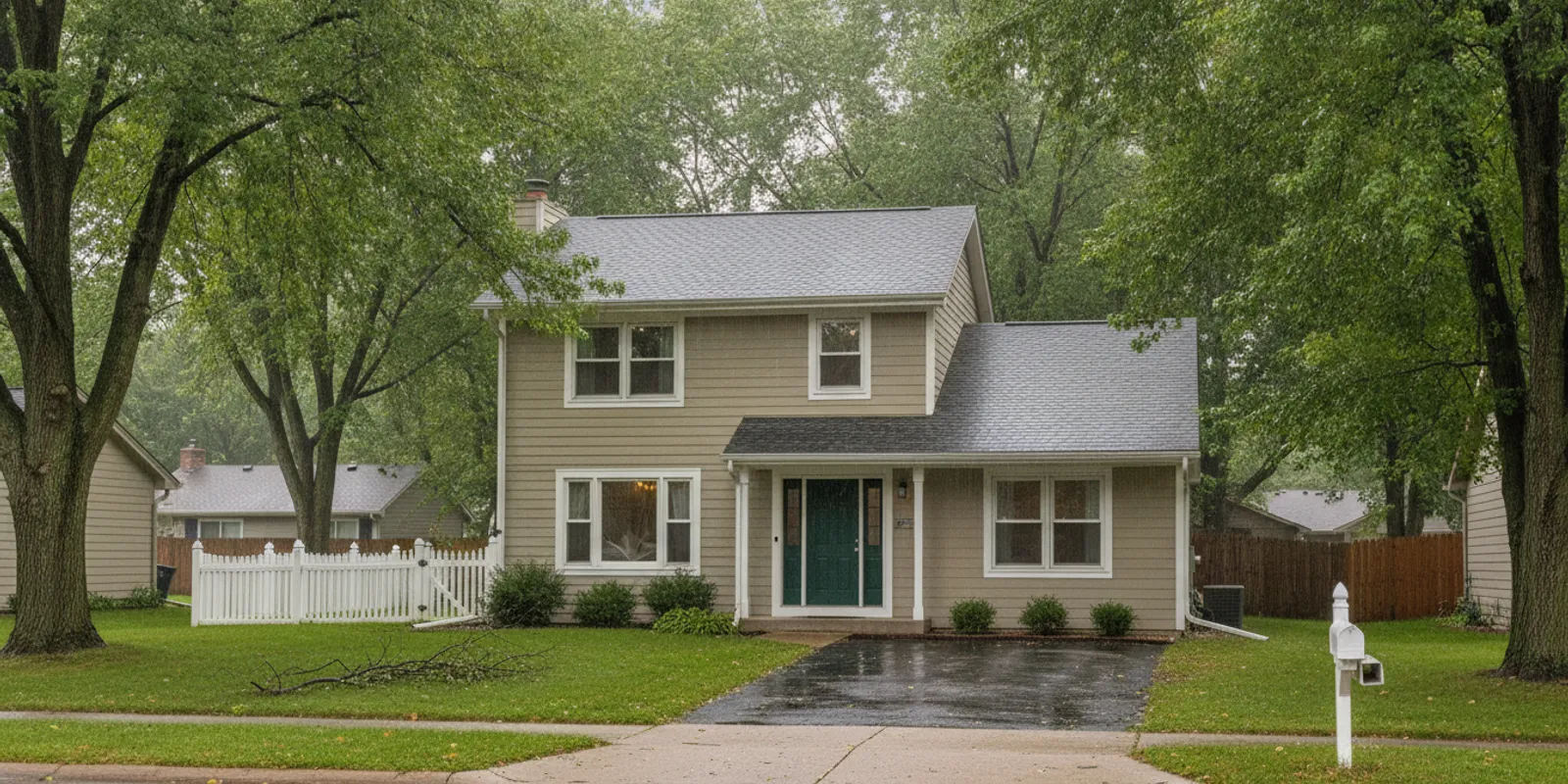
Minnesota roofs experience snow, freeze-thaw conditions, rain, wind, sun, and hail over the year. Those conditions can affect different parts of the roofing system in different ways. A weather event alone does not establish that shingles have failed, and damage does not always appear as an obvious missing shingle. Observe changes over time and pay attention after significant storms.
Wind can lift or loosen shingle edges and expose parts of the assembly. Hail may leave marks or displace granules, but a mark seen from a distance does not prove its cause or severity. Heavy rain can reveal trouble around flashing, valleys, or drainage paths. Snow and repeated melting and refreezing can contribute to ice-dam conditions at eaves.
The company's ice dam roof damage guide discusses that roof concern, and its storm damage roofing guide is another relevant resource. How materials behave through a Minnesota winter is covered in the winter roofing materials guide, so this article does not repeat that comparison.
For general weather awareness and local forecasts, the National Weather Service provides information at weather.gov. After severe weather, keep roof observations on the ground: do not climb onto a wet, icy, or steep surface. Look for displaced materials, debris, or uneven areas from a safe location, and check inside for new stains. Arrange a professional review when a concern is not safely visible.
Separate a weather clue from a conclusion
After a storm, note the date, the direction weather came from if you know it, and any immediate interior symptoms. Take photos only from a safe location. Compare new observations with older photos when available, but do not assume every discoloration is storm damage or every damaged area requires full replacement.
A roofing professional can explain which conditions are visible and what further inspection may be needed. The guide to possible hail damage can help you identify clues to discuss without treating them as a final diagnosis. If the question is whether an impact-rated product is worth considering, read when to consider impact-resistant shingles rather than treating durability and impact rating as the same decision.
A useful storm record separates three things: what happened, what you observed, and what you have not confirmed. For example, write down that strong wind occurred on a particular evening, that a shingle edge now looks uneven from the yard, and that you have not inspected the roof closely. This simple distinction keeps an observation from turning into an unsupported conclusion. It also helps a reviewer focus on the relevant area and ask follow-up questions.
What can you check safely?
Homeowners can gather useful information without walking on the roof. Check ceilings and accessible attic areas for fresh water marks, damp insulation, or musty odors. From the ground, look for missing or uneven shingles, exposed edges, damaged-looking flashing, or debris in valleys and gutters. These clues can justify follow-up, but they do not identify the precise cause by themselves.
- Record what changed.
Note when you first noticed the issue and whether it followed wind, hail, heavy rain, or snow. If it has appeared before, note when it recurred.
- Photograph safely.
Use a ground-level view or an accessible interior vantage point. Do not lean from a window or climb a ladder to get a better angle. Keep the original images so the date and context are not lost.
- Check inside.
Note the location and size of any ceiling mark, whether it feels damp, and whether it changes after rain. Keep the room name and approximate position consistent in your notes.
- Protect belongings.
If water is entering, move items away and use a container where appropriate. Avoid electrical hazards and seek urgent help if conditions are unsafe.
- Ask for a specific explanation.
Request that the reviewer identify the observed condition, likely affected area, and recommended next step.
A short written record makes a later conversation more useful. For example, "a ceiling stain appeared in the upstairs bedroom after Saturday's rain" gives more context than "the roof is bad." Keep photos and notes together. Distinguish what you observed from what someone has inferred.
If you are considering an insurance claim, read how to file a roof insurance claim after a hail storm. Policy terms and coverage decisions belong to the insurer. No contractor can guarantee an insurance outcome.
It can help to prepare a compact observation log before requesting a review. Include the date, weather if known, room or roof area, whether the condition is new or recurring, and any photos taken from a safe place. If there are several symptoms, list them separately rather than combining them into one diagnosis. A ceiling mark, a shingle edge that looks raised, and a gutter that overflows are separate observations that may or may not share a cause.
How do repair and replacement compare?
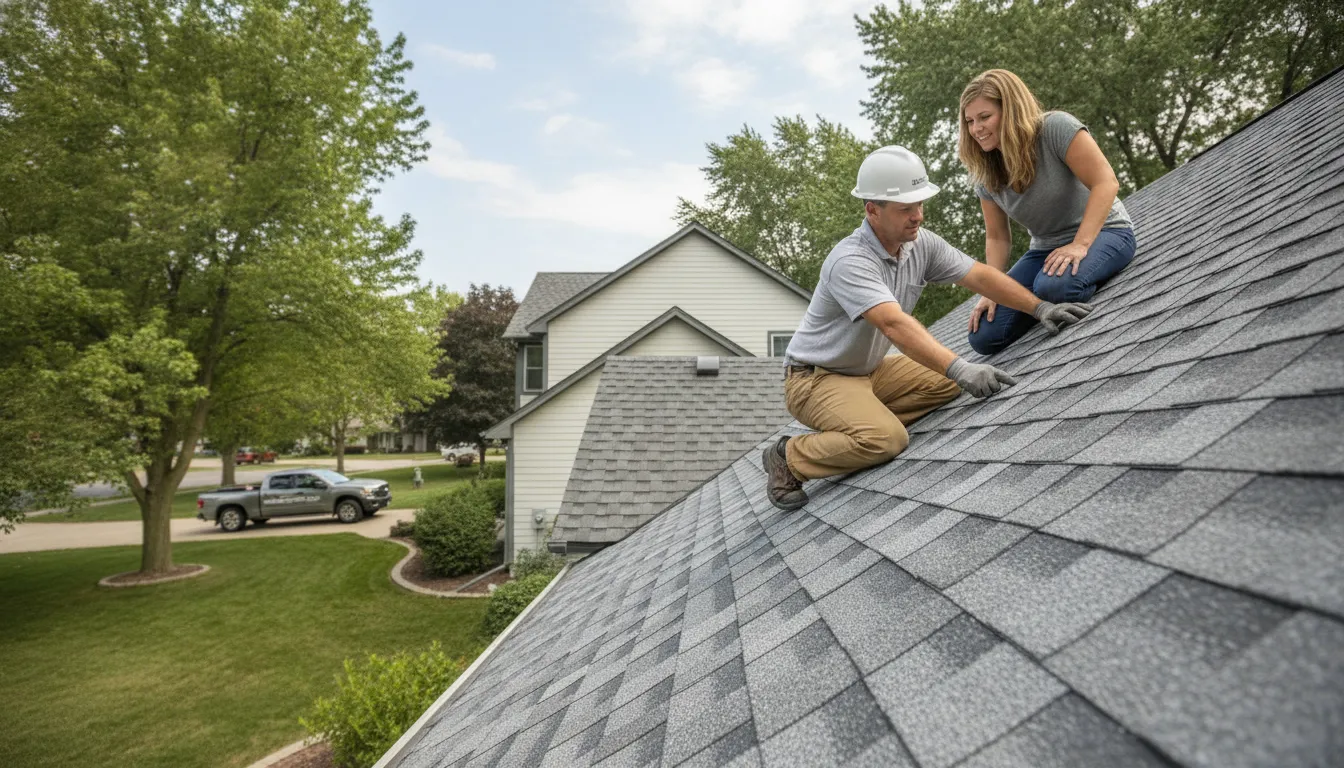
The right path depends on where damage occurs, how broad the wear is, whether surrounding materials remain serviceable, and whether a repair can restore reliable water shedding. A focused repair can be appropriate when a problem is limited and the surrounding roof is in sound condition. Replacement may be worth discussing when deterioration is widespread or repeated repairs leave the underlying concerns unresolved. The table is a conversation guide, not a diagnosis.
Option | When it may fit | What to clarify |
Targeted repair | A localized defect or transition appears to be the source, with nearby materials in workable condition. | What caused the issue? Which materials and details will be addressed? How will nearby shingles be protected? |
Further assessment | There are interior signs, storm concerns, or symptoms whose source is not clear. | What can be confirmed visually? Is closer inspection required, and what areas remain uncertain? |
Replacement discussion | Wear or damage appears broad, concerns recur, or repairs may not address the larger system. | What is included in removal, deck review, underlayment, flashing, ventilation review, and cleanup? |
Compare scopes, not just labels. A repair proposal should name the affected area and materials, describe how water management will be restored, and note any limits. A replacement proposal should explain the sequence and components, including what happens if concealed deck damage is found. Ask how the work area will be protected and what cleanup is included.
You can explore roof replacement options and the roof replacement process while preparing questions. A head-to-head with metal belongs on the asphalt shingles versus metal roofing guide, not in a durability review of one roof.
A practical comparison example
Imagine one lifted shingle near a roof edge after a windy day, with no interior staining and no other visible irregularities. That observation calls for a closer look at the edge and fastening, but it does not automatically establish that the entire roof needs replacement.
In a different case, a home may have multiple areas of uneven or missing material, recurring interior moisture, and deterioration across several slopes. That broader pattern supports a more comprehensive assessment. The point is not to diagnose from a checklist. It is to match the scale of the recommended work to the evidence and explain the reasoning.
Consider a third situation: the shingles look generally even from the street, but a recurring stain appears near a chimney after heavy rain. The source could involve a transition or another water-management detail, so a localized investigation may be more informative than judging the whole roof by its street-facing appearance.
Conversely, a leak in one room does not prove that the issue is limited to one shingle. Ask the reviewer to trace the reasoning from symptom to suspected source and then to proposed scope.
When comparing two proposals, place the recommendations side by side and check whether each identifies the same areas. If one calls for a small repair and another recommends replacement, ask both to explain the evidence behind the difference. Confirm whether either proposal assumes hidden damage, excludes related work, or depends on conditions that cannot be confirmed until materials are opened. A written scope should make those boundaries understandable before you approve work.
How can you support roof performance?
Routine observation and timely maintenance can help you notice developing concerns, though they cannot prevent every storm or stop normal aging. Keep drainage paths clear when it is safe to do so, and address known issues such as damaged flashing or loose roofing rather than waiting for an interior leak. If water-management concerns involve more than the roof, the company also provides siding and gutter services.
Look over the roof from the ground after severe weather and note any visible change.
Check ceilings and accessible attic spaces periodically for signs of moisture.
Keep gutters and downspouts clear enough to move water away from the home, using safe methods or qualified help.
Trim or manage nearby vegetation where appropriate, while avoiding work that risks a fall or damages the roof.
When planning work, ask about the roofing system, installation scope, and documentation for the work performed.
Before a project, write down your priorities: stopping an active leak, addressing storm concerns, planning for an aging roof, or understanding a replacement scope. Share the history and photos you have, then ask the contractor to separate observed facts from assumptions. If a proposal covers multiple exterior components, make sure each part has a clear scope. The company's project gallery offers additional context. For budget planning, review roof financing information; availability and terms should be confirmed directly.
A seasonal review can be simple and consistent. From the ground, take a few reference photos of the roof planes you can see and note any visible change after a major weather event. Indoors, revisit locations where stains or moisture appeared before. If everything looks unchanged, keep the record rather than assuming there is a problem; if something has changed, the comparison gives a reviewer more context than a single recent snapshot.
Drainage is worth considering alongside shingles. Water should move from the roof into the intended drainage path and away from vulnerable exterior areas. If gutters are blocked or overflow, that may call for gutter attention, but it does not by itself prove the shingles have failed. Likewise, replacing shingles does not automatically resolve a drainage problem. Ask how the proposed work relates to nearby gutters, downspouts, and roof edges so the separate pieces are not confused.
What should you ask before approving roofing work?
A useful proposal makes it possible to understand what will happen and what is not included. Ask the contractor to walk through the roof areas involved and connect each recommendation to a visible condition or project requirement. Avoid relying on a vague description such as "fix roof" when you need to compare scopes.
Which specific slopes, edges, penetrations, or transitions are included?
What materials will be removed, repaired, or installed?
Will the deck and flashing be assessed, and how will concealed conditions be handled?
What ventilation or attic concerns were observed, if any?
What will the crew do to protect landscaping and manage debris?
How will the completed work and any limitations be documented?
These questions help you compare proposals on substance. If two recommendations differ, ask each provider to explain the condition they observed and why their scope responds to it. A proposal should distinguish confirmed findings from items that may need attention once work begins. If the scope includes replacement, ask how removal, deck review, installation, and cleanup fit together. If it is a repair, ask what surrounding material will remain and why it is suitable to leave in place.
You can review Minnesota Roofing Company's roof repair information as another starting point for understanding repair options. For a project estimate, use the company's Fast + Free Instant Estimate. Estimate details are a place to begin the conversation, not a substitute for clarifying the condition and scope of any work being considered.
Frequently asked questions
How long do asphalt shingles last in Minnesota?
There is no single lifespan that applies to every roof. Product, installation, roof design, attic conditions, maintenance, and weather exposure all affect performance. A condition-based review is more useful than assuming every roof of a given age needs the same work.
Do hail marks mean I need a new roof?
Not necessarily. Hail can affect roofing in different ways, and visible marks need to be evaluated in context. Ask for an explanation of what was observed and whether the recommendation is repair, further assessment, or replacement.
Can I inspect shingles by walking on the roof?
Walking on a roof can be dangerous and may damage roofing materials. Observe from the ground or an accessible interior location, and arrange a professional review when needed.
Should I repair or replace an aging shingle roof?
That depends on the extent and location of wear and whether a repair can address the problem. Compare a defined repair scope with a replacement proposal that explains the complete system and any uncertainties before deciding.
Asphalt shingle durability in Minnesota depends on the roof as a whole, not just a label. Document changes safely, ask clear questions, and choose work that responds to the conditions actually found.
Comments