
How to Identify Hail Damage on Roof Minneapolis Homes: 5 Key Signs
Updated: Sep 15
Eighty-seven hailstorms have battered the Twin Cities in ten years, leaving thousands of homes with hidden leaks. Minnesota Roofing Company, your local
, helps homeowners spot these signs early and navigate insurance claims with confidence. We also wrote
to walk you through recovery step by step.
Get your free roof inspection today. Call (612) 888-7663 or request an instant estimate online.
Learning how to identify hail damage on roof Minneapolis homes starts with checking soft metals like gutters and vents for small dents. On asphalt shingles, look for round spots where granules are lost and dark backing shows through. Feel for soft spots that resemble a bruised apple , these indicate the shingle mat has cracked beneath the surface.
Knowing what to look for is the first step in protecting your home after a storm. In this guide, we will walk through the key signs of hail damage. From shingle bruising to interior leaks, so you can act quickly and file a strong insurance claim.
How To Identify Hail Damage On Roof Minneapolis: What Does Hail Damage Actually Look Like on Asphalt Shingles?
Asphalt shingles are the most common roof type in the Twin Cities. They are built to last, but hailstones as small as one inch can cause real harm. Hail can reach speeds of up to 100 mph before it hits your home , enough force to crack the shingle or knock away the protective granules. Here are the three most common signs to check for:
- Bruising and soft spots.
These areas feel soft when pressed, much like a bruise on an apple. This softness means the inner mat of the shingle has broken from the impact. If your roof has these soft spots, it can no longer shed water effectively.
- Granule loss and asphalt exposure.
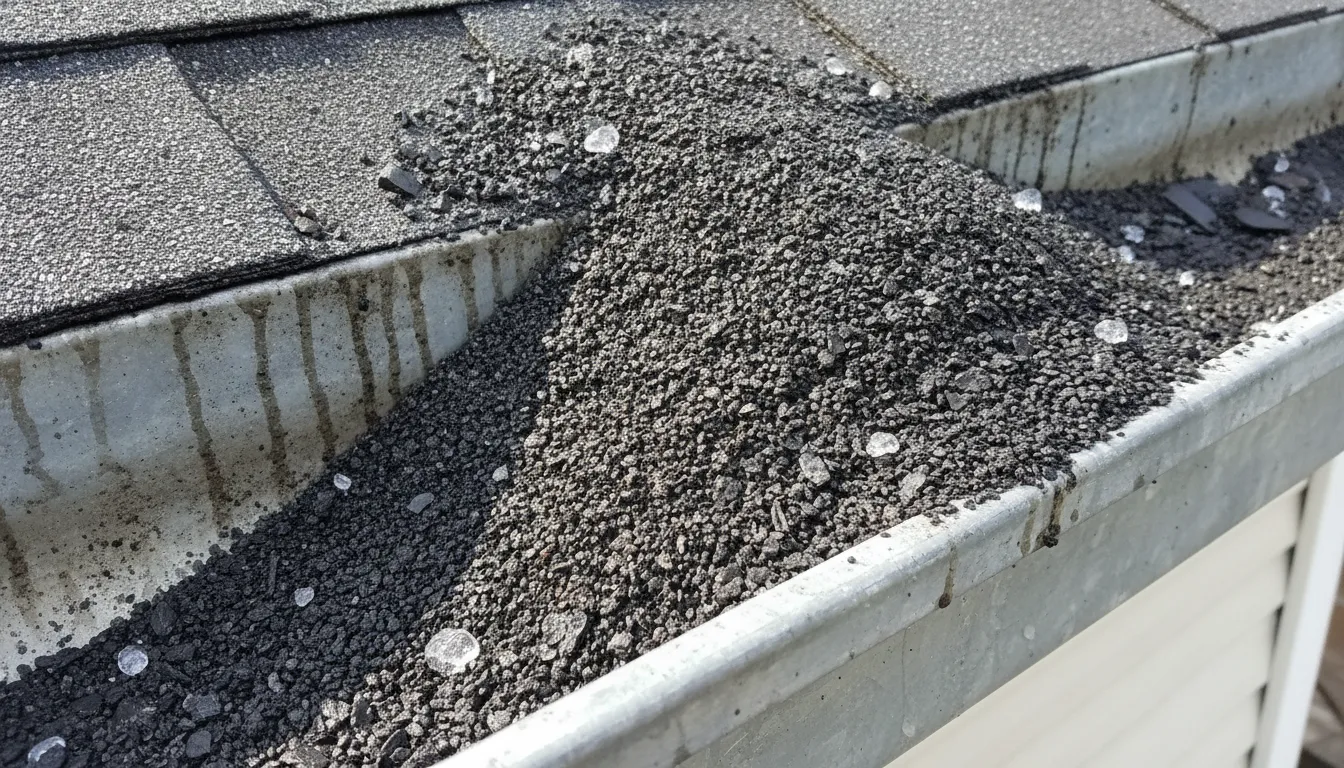
Hail often knocks the top layer of granules off the shingle, leaving round areas where the dark asphalt backing is exposed to the sun. You might also find piles of granules at the base of your downspouts after a storm.
- Cracks and circular patterns.
Large hail can cause sharp cracks or star-shaped splits in the shingle mat. These marks usually appear in a random, round pattern across the roof , different from normal wear, which tends to look consistent across the whole surface.
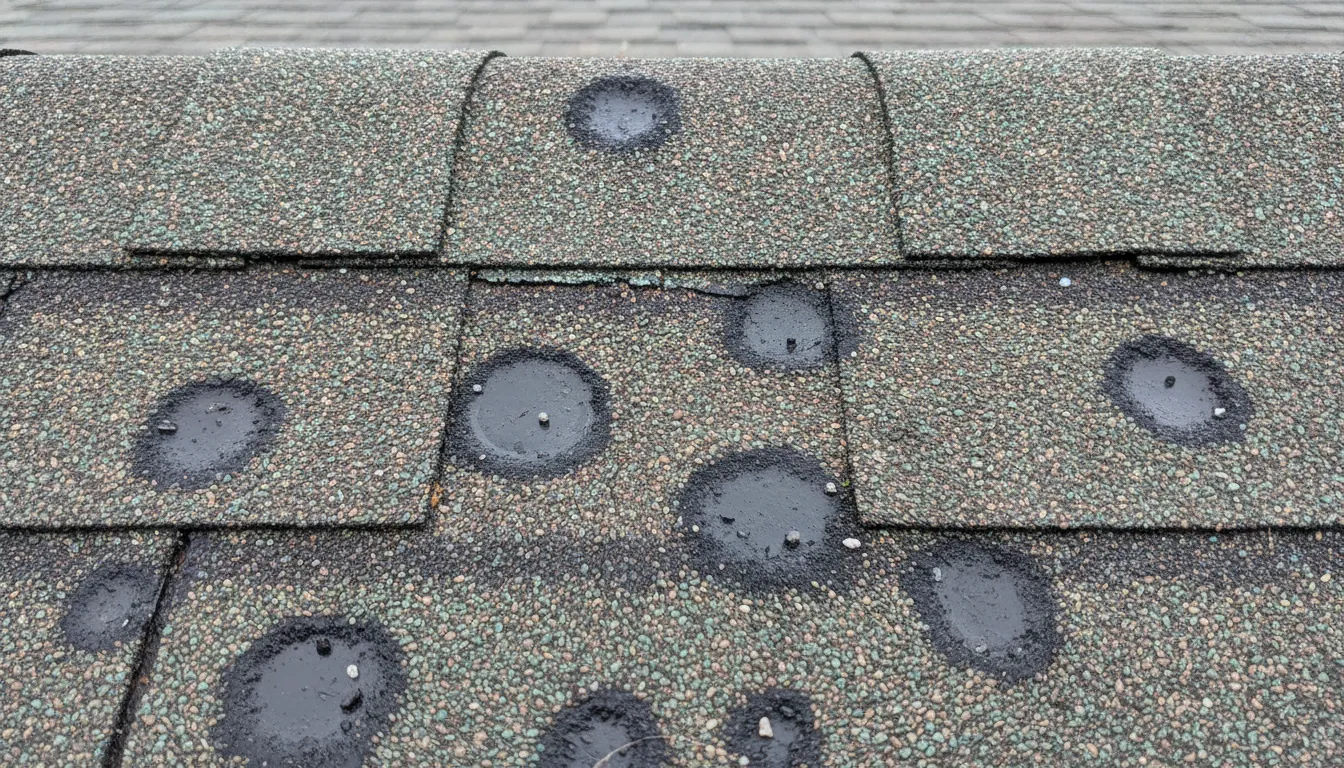
When asphalt is exposed, UV rays from the sun will quickly make the shingle brittle. The Minnesota Department of Commerce notes that hail is a top cause of insurance claims in our state. For a full breakdown of the claims process, read our storm damage and roof insurance guide for local homeowners.
How Can You Spot Hail Damage on Gutters, Downspouts, and Soft Metals?
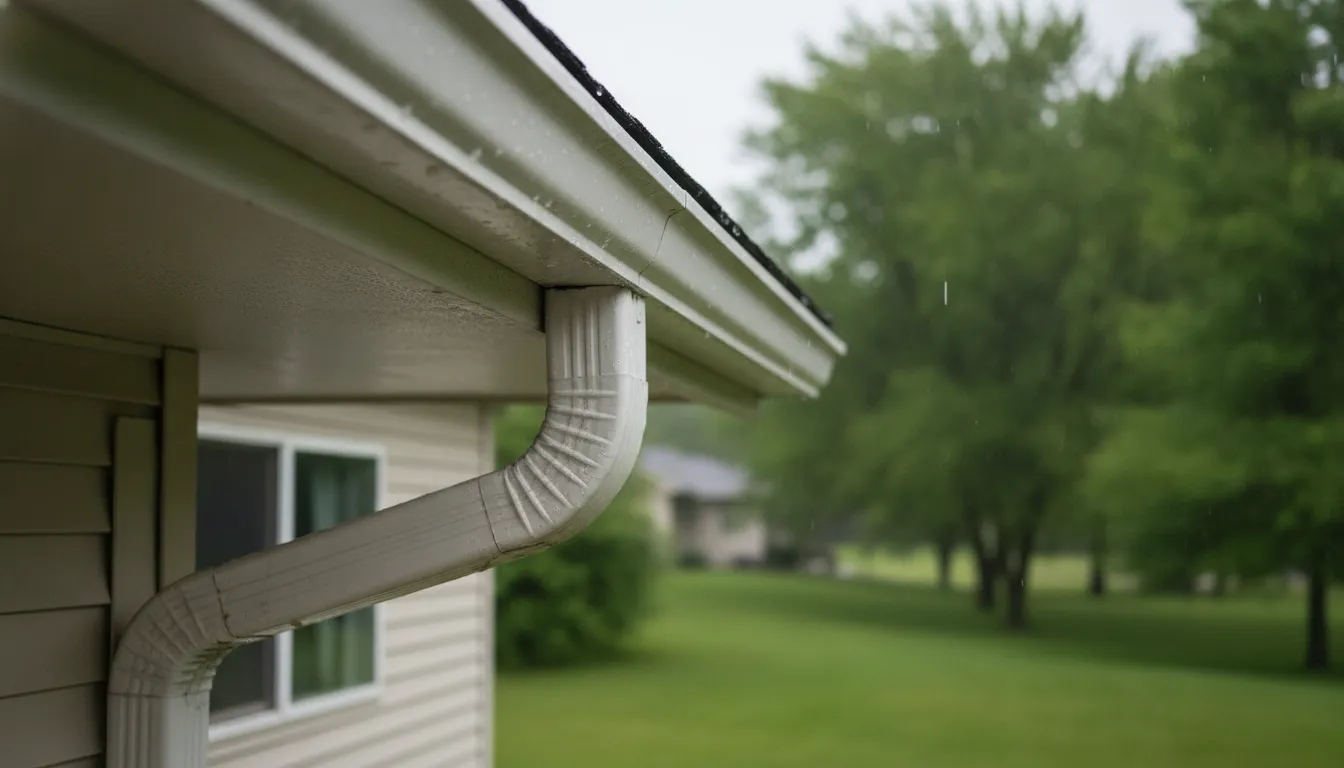
When you inspect for hail damage, start at ground level. Gutters and downspouts are often the first parts of your home to show signs of a storm. Because these components use soft metals like aluminum, even small hail leaves clear marks. If your gutters have deep dings, there is a high chance your shingles took a heavy hit as well.
Soft Metal Component | What to Look For | Why It Matters |
Gutters and downspouts | Small round dents that look like thumbprints | Confirms hail size and force that hit your roof |
Roof vents and flashing | Dents or cracks around metal caps and seals | Damaged vent seals can leak water into your attic |
Skylight frames | Cracked seals or dented edges around the frame | Creates direct path for water to enter your home |
Granule Buildup in Downspouts
Check the ends of your downspouts for piles of small, sand-like rocks. These are shingle granules. While some loss is normal for an aging roof, a sudden buildup after a storm is a warning sign. Hail hits shingles with enough force to knock these granules loose, leaving the asphalt underneath exposed to sun and rain. Minnesota Roofing Company recommends checking downspouts immediately after any severe weather event.
Inspecting Roof Vents and Seals
Soft metals on top of your roof also provide useful clues. Check the metal caps on your attic vents and the flashing around your chimney. If these surfaces have dents, the hail was likely large enough to bruise your shingles. You should also examine skylight frames and seals. Heavy hail can crack these parts and create a path for water to enter your home. Finding these marks early helps you build a strong case for your insurance claim.
What Interior Signs Indicate Roof Damage After a Storm?
A roof might look solid from your lawn even after a large hailstorm. But the real evidence of a leak is often found inside your home. Look for these interior warning signs:
- Ceiling stains.
Brown or yellow marks on your ceilings indicate water has penetrated the shingle layer and soaked through the wood deck.
- Attic moisture.
Visit your attic with a bright light after heavy rain. Look for dark spots, damp wood, or light shining through the roof deck , these indicate openings that need repair.
- Musty odors and mold.
A damp attic creates ideal conditions for mold and wood rot. If you notice a musty smell or black spots on rafters, moisture is getting in.
This often happens because of storm damage that you cannot see without a close inspection. Finding these signs early can save you from costly repairs later in the year.
The Minnesota Freeze-Thaw Cycle and Delayed Leaks
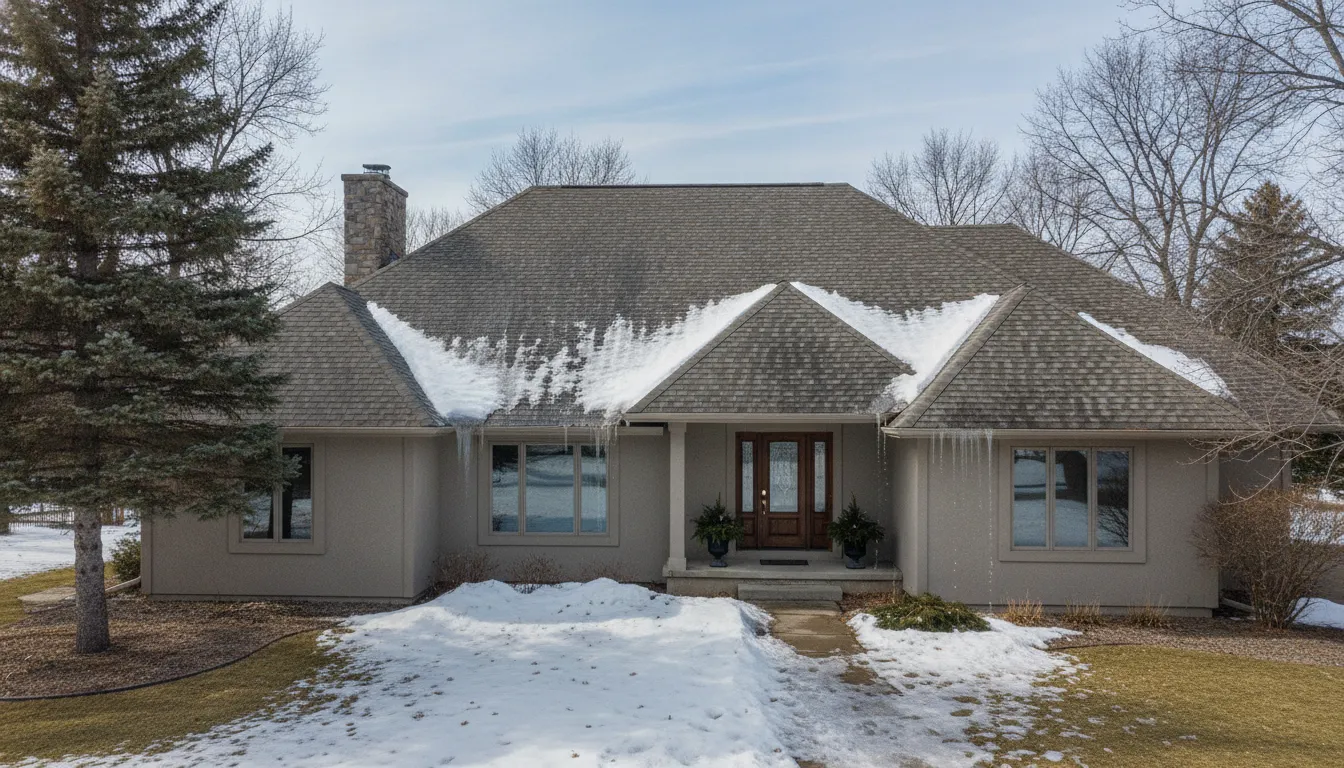
Small cracks from hail damage often stay dry during the first few months. But the Minnesota weather cycle turns these gaps into major leaks. When water enters a micro-crack and freezes, it expands and rips the shingle further. This freeze-thaw cycle is the main reason homeowners discover leaks long after the storm is over. Wet insulation loses its ability to hold heat, which can raise your energy bills during the winter months.
How Does Minnesota Hail Size Affect Damage Severity?
Minnesota weather is unique because of how frequently large hail hits our homes. From 2012 to 2021, the state saw 87 major hailstorms. These storms often bring hail that is one inch wide or larger, falling at speeds up to 100 miles per hour. The average insurance claim for storm damage roofing in Minnesota is approximately $30,000.
Impact by Hail Size
- Under 1 inch:
Usually leaves no visible damage on asphalt shingles.
- 1 to 1.75 inches:
Can bruise shingles, knock off granules, and dent soft metals. Most common damaging range in Minnesota storms.
- 2 inches and above:
Causes severe cracking, punctures, and structural damage to the roof deck. Often requires full replacement.
Wind and Storm Direction
The path of a storm determines which side of your house takes the most hits. Strong winds often drive hail sideways, meaning one slope of your roof might be ruined while the other side looks untouched. Minnesota Roofing Company inspects every slope to find these patterns. Most local homeowners have a deductible between 2% and 5% of their home value, so having complete proof of damage is essential for a fair claim payout.
The Age of Your Roof Matters
Older roofs are more likely to fail during a storm. As shingles age, they lose the oils that keep them flexible, causing them to crack easily when hail hits. Even a new roof can suffer if the hail is over two inches wide. We evaluate the age and type of your shingles during every inspection to document how they performed against the storm.
When Should You Call a Roofer vs Inspect the Roof Yourself?
Why Ground-Level Inspection Is Not Enough
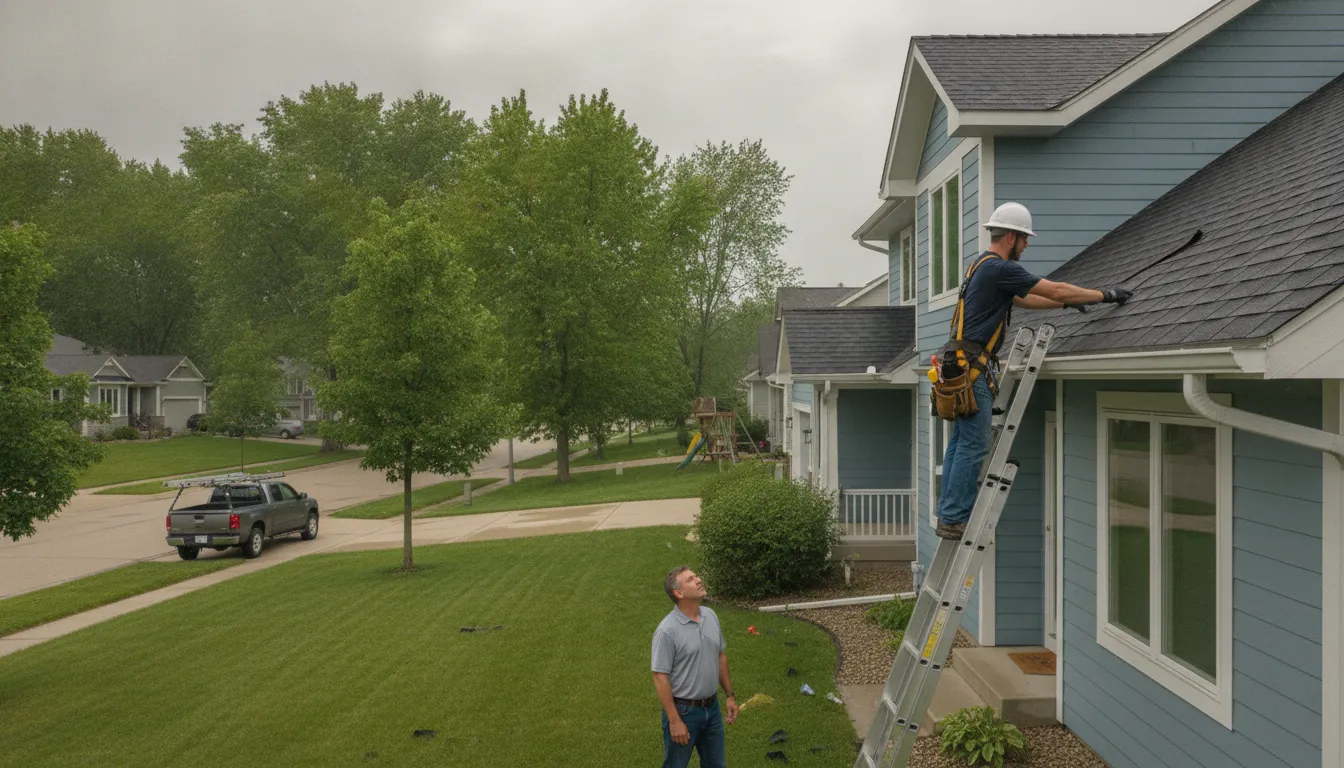
You can see some roof damage from the ground, but many signs stay hidden. Hail causes micro-cracks and bruising that you cannot spot with the naked eye. These tiny fractures spread over time as water enters the cracks and freezes during winter. Minnesota Roofing Company uses specialized tools to find soft spots that feel like a bruise on an apple when pressed.
Homeowners often think their roof is fine if they do not see leaks right away. But granule loss and hidden cracks can lead to leaks months later. Even insurance adjusters can miss these small signs during a quick walk. Use our free instant estimate tool to see if your roof needs a closer look.
Professional Documentation Strengthens Your Claim
Filing a claim for storm damage requires clear proof to receive full funding for repairs. The Minnesota Department of Commerce notes that hail is a top cause of insurance claims in our state. Our team photographs every dented vent, gutter, and shingle bruise to document exactly what the storm did to your home.
Minnesota Roofing Company acts as your advocate during the claims process. Many storm chasers come to town after a big storm and leave as soon as the season ends. We have served the Twin Cities for over 30 years and work directly with local adjusters to ensure no damage is left out of the report. Check our Storm Damage and Roof Insurance Claims: The Minnesota Homeowner's Guide for more tips on navigating the process.
Timing Your Insurance Claim Correctly
Timing is critical when dealing with hail damage. In Minnesota, homeowners typically have a one-year window to file a claim after a storm. Waiting too long means losing the opportunity to have your insurance cover the repair costs. We offer free inspections with no obligation to give you the facts you need before your deadline runs out. A quick check now can save you from major expenses later when small cracks turn into significant leaks during the next freeze.
Frequently Asked Questions
How do I know if my roof has hail damage?
Check your roof for dark spots where granules have fallen off. Hail often leaves round bruises on shingles that feel soft to the touch. You should also look for dents in metal vents, gutters, and flashing. According to The Chuba Company, soft metals show impact marks clearly and help determine the size of the hail that hit your home. If you see granule buildup in your downspouts, your shingles likely have damage that needs professional evaluation.
Can hail damage cause roof leaks right away?
A hailstorm might not cause an immediate leak. Many roofs keep out water for a while even after a heavy storm. However, hail creates small cracks and soft spots that weaken the shingles over time. These cracks often grow during winter freeze-thaw cycles, meaning you might notice leaks months later when ice melts. Minnesota Roofing Company can find storm damage that you cannot see before it turns into a major leak inside your home.
How soon should I schedule a roof inspection after a storm in Minnesota?
Book a roof inspection as soon as the storm passes and it is safe to do so. Minnesota homeowners typically have one year to file a claim for storm damage. Waiting too long allows water to seep into your attic and cause mold or rot. Finding damage early gives you the documentation needed for a successful insurance claim. Patriot Homes notes that gutters and flashing often show signs of damage before the shingles do.
Does every hailstorm require a full roof replacement?
Not every hailstorm requires a new roof. If the damage is minor and confined to one area, a simple repair might be enough. The age of your roof and the size of the hail both factor into this decision. Hail over one inch across often causes enough damage to warrant a full replacement. A local storm damage expert can assess the damage and advise whether repair or replacement is the right move for your home.
Ready to Schedule Your Free Minneapolis Roof Inspection?
Do not ignore small cracks or loose granules on your roof after a big storm. These tiny signs of hail damage often lead to major leaks and costly wood rot if left unaddressed. By acting fast, you can get a full damage report for your insurance claim before the filing deadline passes. Minnesota Roofing Company will meet with your adjuster to help you secure the fair coverage you need to keep your home safe and dry. Waiting only makes the damage worse and the final repairs more expensive. We serve all areas in Minneapolis and St. Paul with fast, expert assistance when you need it most.
Ready to schedule a free roof inspection? Call (612) 888-7663 to schedule your free roof inspection.
Comments