
Shingle Roof vs Metal Roof: Which Is Right for You?
If you’re considering a new roof, you’ve probably heard a lot of opinions. Maybe you’ve been told that metal roofs are noisy in the rain or that they look too industrial for a residential home. It can be tough to separate fact from fiction. The truth is, roofing technology has come a long way, and many old ideas are simply no longer accurate. The shingle roof vs metal roof discussion is often clouded by these myths. We’re here to clear the air. This article tackles the most common misconceptions head-on, giving you straightforward, honest information so you can weigh your options based on today’s materials and installation methods, not on outdated assumptions.
Key Takeaways
Choose Your Financial Approach
: Asphalt shingles offer an
, making them a great choice if you have a strict budget or plan to move soon. Metal roofing requires a larger initial investment, but its incredible longevity can result in a lower total cost over the life of your home.
Prioritize Protection for Minnesota Weather
: Your roof's material directly impacts its ability to
handle our state's harsh seasons
. Metal provides exceptional resistance to heavy snow, ice, and wind, while shingles, though reliable, are more susceptible to damage from storms and freeze-thaw cycles over time.
- Match Your Roof to Your Lifestyle
: Consider the look you want and the upkeep you are willing to perform. Shingles provide a classic, versatile style with many color options but need occasional checks for wear. Metal offers a sleek, modern look that is extremely low-maintenance, perfect for a durable, long-term solution.
Shingle vs. Metal Roofs: Which Is Right for Your Home?
Choosing a new roof is one of the biggest decisions you’ll make for your home. It’s not just about protection from the elements; it’s about curb appeal, long-term value, and peace of mind. In Minnesota, two of the most popular choices are asphalt shingles and metal roofing. Both are fantastic options, but they offer very different benefits when it comes to cost, lifespan, and style. Think of it like choosing between a reliable, classic sedan and a rugged, long-lasting truck. One isn't inherently better than the other, but one is definitely a better fit for your specific needs, budget, and how long you plan to stay in your home. Understanding the core differences is the first step in making a choice you’ll be happy with for decades to come.
Shingles and Metal: What's the Difference?
At a high level, the main difference comes down to initial cost versus long-term investment. Asphalt shingles are the go-to for most American homes for a reason: they are affordable and get the job done well. The upfront cost to purchase and install shingles is significantly lower than metal, making them an accessible choice for many homeowners. They offer a classic look and come in a wide variety of colors to match any home style.
Metal roofs, on the other hand, are all about durability and longevity. While they do require a larger initial investment, a metal roof can easily last 50 years or more. This incredible lifespan often makes metal a more cost-effective option over the long run. If you're in your forever home and want a "one and done" roofing solution, metal is an amazing choice to consider for your residential roofing project.
A Look at the Materials
So, what are these roofs actually made of? Asphalt shingles are composite products, created by layering materials like fiberglass for strength and asphalt for waterproofing. This layered construction is what makes them so cost-effective to produce and relatively simple to install. They are flexible, which helps them conform to your roof's structure, and they do a great job of protecting your home from rain, snow, and sun.
Metal roofs are typically made from steel or aluminum and are formed into large panels or shingles that interlock. This design creates a tight seal that is fantastic at shedding water and snow, reducing the risk of leaks. Many homeowners are also drawn to metal because it's a sustainable choice. A lot of metal roofing is made from recycled materials, and at the end of its very long life, the entire roof can be recycled again. A full roof replacement with metal can be a smart, eco-conscious upgrade for your property.
Comparing Lifespans: Shingle vs. Metal
When you’re choosing a new roof, you’re not just picking a color or style. You’re making a long-term investment in your home’s protection and value. One of the biggest factors in this decision is lifespan. How long will your new roof last before you have to think about this whole process again? The difference between shingles and metal is significant, and understanding it is key to making a choice you’ll be happy with for decades.
A roof's longevity isn't just about avoiding another replacement. It’s about peace of mind, knowing your home is secure through every season. While asphalt shingles have been the go-to for years, metal roofing has gained a lot of ground, largely because of its impressive durability. Let’s break down what you can realistically expect from each material, especially with our tough Minnesota weather in mind.
How Long Do Shingles Last?
Asphalt shingles are the most common roofing material for a reason: they offer a great balance of cost and performance. Generally, you can expect a new shingle roof to last between 20 and 30 years. However, this number can change based on the quality of the shingle and the installation. It's also worth noting that some newer shingles contain less asphalt than older versions, which can sometimes affect their long-term durability.
To get the most out of your roof, proper maintenance and choosing high-quality asphalt shingles from the start are essential. Factors like attic ventilation, regular inspections, and the climate you live in will all play a part in how close your roof gets to that 30-year mark.
How Long Does a Metal Roof Last?
If you’re looking for a roof that you might never have to replace again, metal is an excellent choice. A quality metal roof can easily last 50 years or more. Certain materials, like copper or zinc, can even last for over 100 years. This incredible longevity is one of the main reasons homeowners are willing to invest more in metal upfront.
Think of it this way: over a 50-year period, you might have to replace a shingle roof two or even three times. During that same timeframe, a single metal roof would still be going strong. This durability makes metal a very practical and financially smart option when you consider the full life of the roof.
Factoring in Minnesota Weather
Here in Minnesota, our roofs don't have it easy. They face heavy snow, freezing rain, ice dams, and intense summer sun. This is where the difference in lifespan becomes even more clear. Metal roofs are exceptionally strong and handle our harsh weather with ease. Snow and ice slide off their smooth surface more readily, which helps prevent the heavy buildup that can strain a roof's structure.
Shingles, on the other hand, can take a beating. The constant freeze-thaw cycles can cause them to become brittle and crack over time. Heavy, wet snow can sit on the roof, and aggressive shoveling or ice removal can cause granules to wear off, shortening the roof's life. How a roof material handles our extreme weather is directly tied to how it stands up to storm damage and how long it will ultimately last.
Breaking Down the Cost
Let’s talk about the bottom line. For most homeowners, the cost is one of the biggest factors in any home improvement project, and a new roof is no exception. When you compare shingles and metal, you aren't just looking at two different materials; you're looking at two different financial approaches to protecting your home. One requires a smaller investment now, while the other asks for more money upfront with the promise of long-term savings.
It’s easy to get sticker shock when looking at estimates, but it’s important to understand what goes into the price. We’ll break down the initial costs for both asphalt shingles and metal roofing. Then, we’ll explore the concept of long-term value, which can help you decide which investment makes the most sense for your home and your financial future. Thinking about both the short-term and long-term costs will give you a complete picture, helping you make a choice you feel confident about.
The Upfront Cost of Shingles
Asphalt shingles are the most common roofing material for a reason: they are incredibly cost-effective. The upfront cost for shingles is significantly lower than for metal, making them an accessible choice for many homeowners. Generally, you can expect the material to cost between $1.50 and $6.00 per square foot. This makes a full roof replacement more manageable for those on a tighter budget. If you plan on moving within the next 10 to 15 years, the affordability of an asphalt shingle roof makes it a practical and financially sound decision that still adds value and protection to your home.
The Upfront Cost of Metal
A metal roof is a premium product with a higher initial price tag. Depending on the type of metal and style you choose, from standard panels to high-end standing seam systems, the material can range from $4 to $30 per square foot. This means the upfront cost is often two to three times higher than that of an asphalt shingle roof. While that initial number can be intimidating, it’s helpful to view it as a long-term investment in your home’s durability and protection. This is a popular option for homeowners who are building their forever home or planning to stay put for decades to come.
Thinking About Long-Term Value
This is where the cost comparison gets interesting. While a metal roof costs more at first, its exceptional lifespan means you could spend less money over 60 years compared to replacing a shingle roof two or three times. For homeowners who plan to stay in their house for the long haul, a metal roof can be the more economical choice over its lifetime. However, the high upfront cost is a real consideration, and it’s the main reason asphalt shingles continue to be the most popular choice for residential roofing. Ultimately, the best choice depends on your budget, how long you plan to live in your home, and your personal priorities.
Durability: Which Roof Can Handle Minnesota Storms?
When it comes to your roof, durability isn't just a feature; it's your home's first line of defense. Here in Minnesota, our roofs have to put up with a lot, from heavy snowfalls and ice dams in the winter to high winds and hail in the summer. A roof that can’t handle these extremes is a roof that will cost you time, money, and peace of mind.
So, how do shingles and metal stack up against our state’s wild weather? The material you choose plays a huge role in how well your home is protected year after year. Let's look at how each option performs when the elements really put them to the test. Understanding their strengths and weaknesses will help you decide which material is the right long-term investment for protecting your home and family.
How Shingles Handle the Elements
Asphalt shingles are the most common roofing material for a reason, but they have their limits, especially in a volatile climate. High winds can lift or tear off shingles, and hailstorms can leave them bruised and cracked, compromising their ability to keep water out. The constant freeze-thaw cycles we experience can also lead to ice dams, which force water up under the shingles and can cause significant damage. While modern architectural shingles are designed to be tougher than older styles, they are generally more susceptible to weather-related wear and tear over time, which can lead to more frequent needs for roof repair.
How Metal Handles the Elements
If you're looking for a material that can truly stand up to the weather, a metal roof is a powerful contender. Metal panels are incredibly strong and interlock to create a tight seal, offering superior resistance to high winds. They also handle heavy snow and rain with ease, and their hard, slick surface is excellent at shedding snow and resisting damage from hail. Unlike shingles, metal is also impervious to rot and insect damage. While no roof is completely indestructible, a properly installed metal roof is one of the most resilient options available for homes that face significant storm damage risks.
Fire Safety and Structural Weight
Durability isn't just about weather. Two other important factors are fire resistance and weight. Metal roofs are non-combustible and carry a Class A fire rating, the highest available. This means they offer excellent protection against airborne sparks and embers. While asphalt shingles are not naturally fireproof, many high-quality options are treated to achieve a Class A rating as well.
Another consideration is the weight on your home's structure. You might be surprised to learn that metal roofing is significantly lighter than asphalt shingles. This puts less stress on your home's framing over time, which is an important long-term benefit.
Why Expert Installation Matters
A roof is only as durable as its installation. You can choose the best material on the market, but if it’s not installed correctly, it won’t perform as promised. This is especially true for metal roofing, which requires specialized tools and techniques. Finding a contractor with proven experience is key. Shingle installation might seem more straightforward, but precision is still essential to ensure every shingle is properly sealed and secured. No matter which material you choose, trusting the job to a team with a reputation for superior craftsmanship ensures your investment is protected and your roof will last for decades.
Energy Efficiency and Your Utility Bills
Your roof is your home’s first line of defense against the elements, but it also plays a huge role in your home's energy efficiency. In a state like Minnesota, where we experience both hot, humid summers and frigid winters, the material on your roof can directly impact how hard your HVAC system has to work. Choosing the right material isn't just about looks; it's about creating a more comfortable living space and managing your monthly utility bills. Some materials absorb heat, while others reflect it, and understanding this difference is key to making a smart investment for your home.
A roof that helps maintain a consistent indoor temperature can lead to significant savings over its lifetime. When you’re considering a full roof replacement, thinking about energy efficiency from the start can pay off for years to come. Let’s look at how shingles and metal perform when the summer sun is beating down.
Shingles and Summer Heat
Traditional asphalt shingles are a popular choice for many reasons, but they tend to absorb solar heat. On a hot, sunny day, a dark-colored shingle roof can get incredibly hot, transferring that heat into your attic and the rest of your home. This can cause your air conditioner to run more frequently just to keep things cool, leading to higher energy bills. While this is a common trait of standard shingles, there are newer "cool-roof" shingles available. These are designed with special granules to reflect more sunlight and reduce heat absorption, offering a more energy-efficient option within the shingle category.
Metal Roofs and Keeping Cool
Metal roofs work quite differently. They are one of the most energy-efficient materials you can choose for your home, especially in climates with hot summers. Instead of absorbing the sun’s radiant heat, metal surfaces reflect it away from your house. This simple act of reflection means your attic stays cooler, and your air conditioning system doesn't have to work nearly as hard to maintain a comfortable temperature indoors. This reflective quality is inherent to metal, making it a fantastic choice for homeowners looking to lower their cooling costs. Many modern residential roofing options include pre-painted metal panels with finishes that maximize this effect.
What This Means for Your Energy Bills
When you connect the dots, it’s clear how your roof choice affects your wallet. A metal roof’s ability to reflect heat can translate into real savings on your summer cooling bills, sometimes by a significant margin. While the upfront cost of a metal roof is typically higher than that of an asphalt shingle roof, the long-term energy savings can help offset that initial investment over time. When you combine lower utility bills with a much longer lifespan and fewer maintenance needs, a metal roof often proves to be a very cost-effective choice in the long run for Minnesota homeowners.
Let's Talk About Maintenance
Every roof needs a little TLC to perform its best, but the amount of upkeep required can differ quite a bit between shingles and metal. Thinking about your willingness to handle routine maintenance can help you decide which material is the right fit for your home and lifestyle. Let's break down what to expect with each option.
Caring for a Shingle Roof
Asphalt shingle roofs ask for a bit more attention than their metal counterparts, but the tasks are straightforward. We recommend giving your roof a visual inspection from the ground a couple of times a year and after any major storms. Look for any missing, cracked, or curling shingles. It’s also a great idea to keep tree branches trimmed back to prevent scraping and moss growth. Keeping your gutters clear is another key step, as it ensures water flows off your roof properly and doesn't cause backups that can lead to water damage. This routine care is a simple way to protect your residential roofing investment and catch small issues before they become big problems.
Caring for a Metal Roof
If a low-maintenance lifestyle is what you're after, a metal roof is hard to beat. For the most part, you can let it do its job without much intervention. The main task is simply keeping it clean from leaves, twigs, and other debris that might collect in the valleys. A quick rinse with a hose is usually all it takes. After a hailstorm, it's wise to check for any dents, though modern metal is impressively resilient. While the high-quality finish on today's metal roofs is designed to last for decades, it might eventually need a new coat of paint to stay looking fresh, but that’s a long way down the road.
Maintenance Myths vs. Reality
Let's clear up a couple of common misconceptions about metal roof maintenance. First is the noise. You might imagine a constant drumming sound during a rainstorm, but that's not the case with modern installations. Thanks to solid sheathing and proper insulation, a metal roof is often just as quiet as a shingle one. Another myth revolves around insurance. While some providers offer discounts for durable materials like metal, it's not a guarantee. The higher value of the roof can sometimes mean higher replacement costs for the insurer, so it's always best to check with your specific agent to understand how a new roof will affect your policy.
What to Expect for Repairs
No roof is completely immune to damage, especially with Minnesota's unpredictable weather. When it comes to roof repair, shingles are typically easier and less expensive to fix. If a single shingle is damaged, a professional can usually replace it without disturbing the rest of the roof. Repairing a metal roof can be more complex. A significant dent or scratch might require replacing an entire panel to ensure a seamless look and watertight seal, which can be more costly. The good news is that because metal is so durable, the need for these kinds of repairs is far less frequent over the roof's long lifespan.
Style, Curb Appeal, and Home Value
Your roof is one of the most prominent features of your home's exterior. It's not just about protection; it's a major style statement that contributes to curb appeal and can directly influence your property's value. When you're choosing between shingles and metal, you're also deciding on the look you want and the long-term investment you're making in your home. Let's look at how each option stacks up in terms of aesthetics and financial return.
The Look of Shingles
Asphalt shingles are the go-to for most American homes, and it’s easy to see why. They offer a classic, timeless look that blends seamlessly into almost any neighborhood. With a huge variety of colors, textures, and styles available, from simple 3-tab to dimensional architectural shingles, you can easily find an option that complements your home’s siding and trim. This versatility is a huge plus, allowing you to achieve a look that feels both personal and widely appealing. Our residential roofing services often involve helping homeowners find that perfect shingle to match their vision, ensuring the final result is something they love.
The Look of Metal
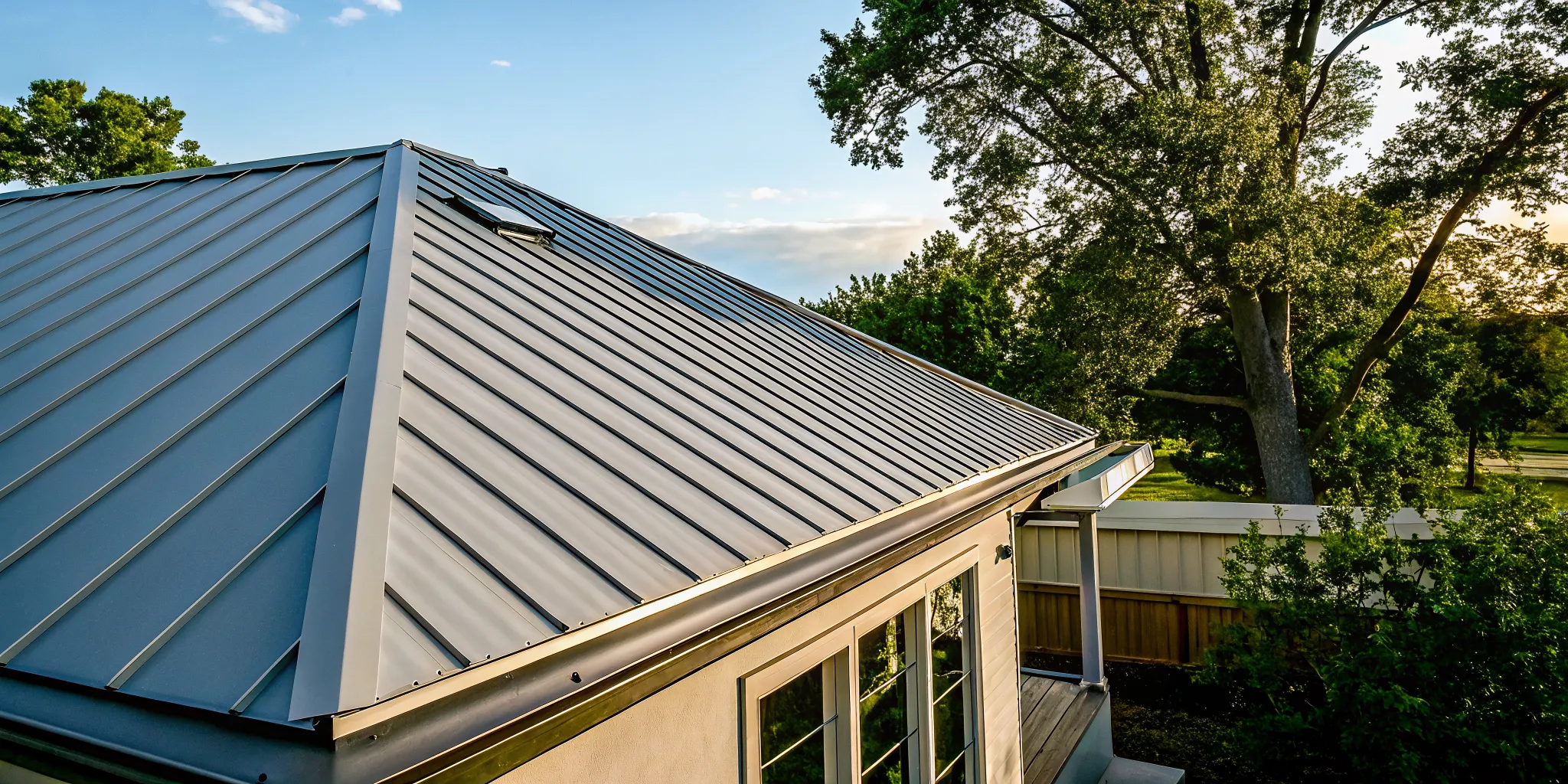
Metal roofing brings a completely different aesthetic to the table. If you’re aiming for a clean, modern look, the sleek lines of standing-seam metal panels are hard to beat. But don't think you're limited to an industrial vibe. Modern metal roofing comes in a surprising variety of styles, including options that are stamped to look just like traditional shingles, slate, or even wood shake. This means you can get the incredible durability of metal with a more classic appearance. A metal roof can make your home a standout on the block, offering a touch of unique character and sophisticated style.
Which Roof Adds More Value?
A new roof is always a smart upgrade, but the material you choose can affect your home's value differently. While a new asphalt shingle roof can recoup around 60-70% of its cost at resale, a metal roof can increase your home's value by 1-6% outright. The immediate return on investment might look slightly better for shingles, but the premium value and longevity of metal are very attractive to potential buyers. A full roof replacement is a significant decision, and both options offer a solid return. Ultimately, shingles provide a reliable value with broad appeal, while metal can offer a higher resale price thanks to its durability and modern edge.
The Eco-Friendly Choice
When you think about your roof, your first thoughts are probably about protection and curb appeal. But your choice of roofing material also has a real impact on the environment. From the materials used to what happens at the end of a roof's life, making an eco-conscious decision is easier than you might think. Let's look at how shingles and metal stack up when it comes to sustainability.
Recycling Your Old Roof
One of the biggest environmental differences between metal and shingles comes down to what happens when they're torn off your house. Metal roofs are a truly sustainable option because they are 100% recyclable. In fact, many new metal roofs are already made with a significant percentage of recycled materials, which reduces the demand for new resources. In contrast, asphalt shingles are petroleum-based products. While recycling programs exist, the reality is that millions of tons of old shingles end up in our landfills every year, contributing to a massive amount of waste that takes centuries to break down.
How a Longer Lifespan Helps the Planet
A roof's lifespan is directly tied to its environmental footprint. A metal roof can last 50 years or even longer, while a shingle roof typically needs to be replaced every 20 to 30 years. Think about what that means over the life of your home. Choosing metal could mean you only need one roof, while your neighbor with shingles might need two or three in the same period. Fewer replacements mean less energy used for manufacturing, fewer emissions from transportation, and significantly less material heading to the landfill. This durability is a key reason why a metal roof's long-term value extends beyond just your wallet and makes a positive impact on the planet.
Common Roofing Myths, Busted
When you’re making a big decision like choosing a new roof, you hear a lot of opinions. It can be tough to separate fact from fiction, especially with so much information out there. Let's clear the air and tackle some of the most common myths we hear about roofing materials. Getting the right information is the first step to making a choice you’ll feel confident about for years to come, ensuring your home is protected and looks great.
Myth: "Metal roofs are noisy when it rains.
This is a classic one. You might picture a tin shack in a downpour, but the reality is much quieter. Today’s metal roofing systems are installed over a solid deck and often include insulation, which means they are no louder than a shingle roof. The sound of rain on a modern metal roof is more of a gentle pitter-patter than a loud drumming. So, you can absolutely enjoy that cozy, rainy day feeling without any extra noise. It’s one of those old worries that technology and better installation techniques have completely solved.
Myth: "Metal roofs look too industrial."
If you think metal roofs are only for barns or warehouses, it’s time to take another look. The design options for metal have exploded in recent years. You can now find metal roofing in a huge variety of colors, finishes, and styles that beautifully mimic traditional materials like wood shake, slate, or even shingles. Whether your home is a classic colonial or a sleek modern build, there’s a metal roof that can complement its style. You get all the durability of metal without sacrificing any of your home’s curb appeal.
Myth: "Shingles are always the cheapest option."
This myth is tricky because it’s partially true, but it doesn’t tell the whole story. Yes, asphalt shingles usually have a lower upfront cost for materials and installation. However, a roof is a long-term investment. A quality metal roof can last two or even three times longer than a shingle roof. When you factor in the cost of potential repairs and a full roof replacement down the line, the lifetime cost of a metal roof can actually be lower. It’s important to think about the total cost of ownership, not just the initial price tag.
Making the Right Choice for Your Minnesota Home
Deciding between shingles and metal isn't just about picking a material; it's about choosing the right protection for your home based on your budget, style, and long-term goals. Both options have clear benefits, and the best one for you really depends on what you value most. Think about how long you plan to stay in your home, what your budget looks like for the initial installation, and how much maintenance you're willing to handle down the road. By weighing these factors, you can make a confident decision that you'll be happy with for years to come.
Why You Might Choose Shingles
Asphalt shingles are the most common roofing material in the country, and for good reason. Their biggest draw is the lower upfront cost, which makes a new roof more accessible for many homeowners. If your budget is a primary concern, shingles offer a reliable and attractive solution without a massive initial investment. They are also relatively simple to install and repair. If a few shingles are damaged in a storm, a roofer can typically perform a quick roof repair without replacing the entire section. With a wide variety of colors and styles, shingles provide a classic look that complements almost any home design.
Why You Might Choose Metal
A metal roof is a long-term investment in your home’s future. While the initial cost is higher than shingles, a metal roof can last 50 years or more, meaning you may never have to think about a roof replacement again. For Minnesota homeowners, this durability is a huge plus. Metal stands up exceptionally well to heavy snow, high winds, and hail. It’s also fire-resistant and can help improve your home's energy efficiency by reflecting summer heat. Over its lifetime, a metal roof often proves to be more cost-effective because you avoid the expense of replacing a shingle roof two or three times.
Get an Expert Opinion for Your Home
Reading articles and comparing pros and cons is a great start, but nothing replaces a personalized assessment from a professional. A roofing expert can inspect your home's structure, discuss your specific needs, and help you understand what makes the most sense for your property and budget. With over 30 years of experience serving the Twin Cities, we’ve helped thousands of homeowners make this exact decision. We can give you a clear, honest recommendation based on our deep knowledge of residential roofing and what works best in our Minnesota climate. Getting an expert opinion ensures you have all the facts before you commit.
Related Articles
Frequently Asked Questions
Is a metal roof really worth the higher upfront cost? This is the big question, and it really comes down to how you view the investment. While a metal roof does cost more initially, its value is realized over time. With a lifespan that can be double or triple that of shingles, you avoid the cost and hassle of future replacements. When you also factor in potential energy savings from its reflective properties and its superior durability against storm damage, a metal roof often becomes the more economical choice over the long run for homeowners who plan to stay put.
I plan on moving in the next 10 years. Does it still make sense to consider a metal roof? That's a great question, and in your situation, an asphalt shingle roof is often the more practical financial decision. Because you won't be in the home long enough to fully benefit from metal's incredible lifespan, the lower upfront cost of shingles makes a lot of sense. A new shingle roof is still a valuable upgrade that improves curb appeal and gives the next owner peace of mind, ensuring you see a solid return on your investment without the major initial expense of metal.
Which roof will hold up better against heavy Minnesota snow and ice? For our tough Minnesota winters, a metal roof has a distinct advantage. Its hard, smooth surface is excellent at shedding snow, which reduces the heavy load on your home's structure and lowers the risk of ice dams forming. Shingles, with their granular surface, tend to hold onto snow longer. The constant freezing and thawing can also make them brittle over time, while a metal roof is built to withstand those extreme temperature swings without cracking or degrading.
I like the durability of metal, but I prefer the look of a traditional roof. What are my options? You're in luck, because you don't have to choose between durability and style. Modern metal roofing has come a long way from just simple panels. You can now get metal roofing that is stamped and shaped to convincingly mimic the look of traditional architectural shingles, slate tiles, or even wood shake. This allows you to get the classic appearance you love with all the long-term benefits of a metal system.
Aside from cost, what's the biggest difference in maintaining a shingle roof versus a metal one? The biggest difference is the amount of hands-on attention each roof requires. A shingle roof needs regular visual checks, especially after storms, to look for any cracked, curling, or missing shingles that might need repair. A metal roof, on the other hand, is very low-maintenance. Its main requirement is an occasional check to ensure no leaves or twigs are collecting in the valleys, which can usually be rinsed away. It's a much more "set it and forget it" type of system.

Comments