
The Homeowner's Guide to a Standing Seam Metal Roof
Here in Minnesota, our roofs face everything from heavy snow and ice dams to high winds and summer storms. Choosing a new roof isn’t just about shelter; it’s about finding a long-term defense against the weather. This is where a standing seam metal roof truly shines. It is engineered for durability, with interlocking panels and concealed fasteners that create a weather-tight shield. This system sheds snow efficiently and stands up to harsh conditions, reducing the need for frequent storm damage repairs. It’s an investment in peace of mind, knowing your home is protected by one of the toughest roofing systems available.
Key Takeaways
- Think in Decades, Not Years
: A standing seam metal roof is a long-term investment, with a lifespan of 40 to 70 years. Its key feature is a concealed fastener system that protects against leaks and weather damage, offering a durable solution built for Minnesota's climate.
- Budget for Value and Hire an Expert
: While the initial cost is higher than for asphalt shingles, a standing seam roof provides significant long-term value through its longevity and energy efficiency. The quality of the installation is critical, so it is essential to partner with a contractor who specializes in metal roofing.
- Look Beyond the Panels
: A quality roof system is more than just the metal. Pay close attention to the three separate warranties (paint, material, and workmanship) and perform simple annual maintenance, like clearing debris, to ensure your roof reaches its maximum lifespan.
What Is a Standing Seam Metal Roof?
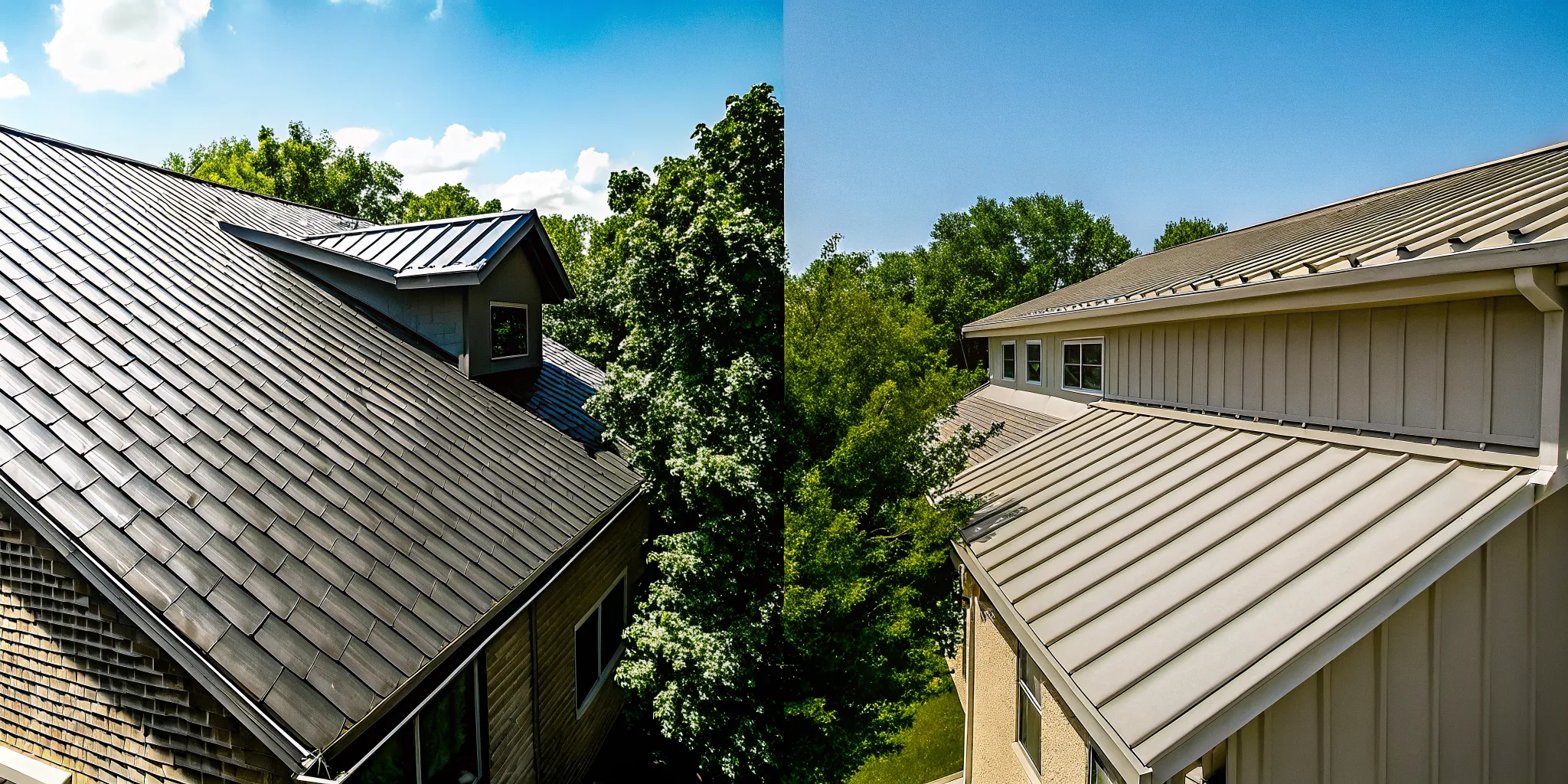
If you’ve ever noticed a roof with clean, vertical lines and a sleek, modern finish, you were likely looking at a standing seam metal roof. It’s a premium roofing system where large metal panels run from the top of your roof down to the eaves. The name “standing seam” comes from its most distinct feature: the raised, interlocking seams that connect the panels. This design gives the roof a crisp, architectural look that complements everything from classic farmhouses to contemporary homes, adding significant curb appeal.
Unlike other metal roofs where the screws are visible, a standing seam system hides the fasteners. This not only protects them from the elements but also creates a smooth, uninterrupted surface that looks incredibly sharp. This system is a popular choice for both residential roofing and commercial properties because it offers a fantastic combination of style and performance. It’s designed to be incredibly durable, weather-tight, and long-lasting, making it a smart investment for any property owner who values both aesthetics and peace of mind. When you choose a standing seam roof, you're choosing a solution that will protect your home for decades while looking great the entire time.
How Is It Different from Other Metal Roofs?
The biggest difference between a standing seam roof and other metal options, like corrugated or exposed fastener roofs, is its concealed fastener system. The screws that hold the panels to the roof deck are completely hidden beneath the seams. This isn't just for looks; it’s a major functional advantage. By shielding the fasteners from rain, snow, and ice, the system drastically reduces the risk of leaks caused by fastener failure or rust over time. This design makes the roof exceptionally weather-tight and durable. The tall, interlocking seams act as a barrier, preventing water from getting underneath the panels, even in heavy downpours or melting snow.
A Look at Panel Types
Not all standing seam panels are created equal. They primarily fall into two categories based on how the seams are joined: snap-lock and mechanical lock. Snap-lock panels have a male and female edge that are designed to snap together during installation, which can make the process quicker. They are a great, reliable choice for most homes with a standard roof pitch. Mechanical lock panels require a special tool to crimp or bend the seams together on-site. This creates an even tighter, more robust seal, making it the preferred option for low-slope roofs or areas that face extreme weather. Choosing the right panel is a key part of the roof replacement process, and a knowledgeable contractor can help you decide which type is best suited for your home’s specific design and Minnesota’s climate.
Why Choose a Standing Seam Metal Roof?
When you’re thinking about a new roof, you’re making a decision that will protect your home for decades. A standing seam metal roof is a significant investment, but it comes with a powerful set of benefits that make it a top choice for homeowners who value performance, longevity, and style. From its incredible durability to its modern aesthetic, let's walk through exactly why this type of roofing has become so popular, especially here in Minnesota.
Unmatched Durability and Lifespan
A standing seam metal roof is the definition of a long-term solution. While a typical asphalt shingle roof might last 20 to 30 years, a metal roof can last between 40 and 70 years, with premium materials like copper or zinc pushing that lifespan to a century or more. For many people, this means it’s the last roof replacement they’ll ever need to worry about. This incredible longevity comes from the strength of the metal itself and the smart design of the system. It’s built to withstand decades of harsh weather without breaking down, offering you peace of mind and saving you the cost and hassle of future replacements.
Excellent Protection from Weather and Leaks
One of the biggest advantages of a standing seam roof is its superior weather resistance. The panels interlock above the roof deck, and the fasteners are completely hidden, which creates a nearly impenetrable surface. This design eliminates thousands of potential entry points for water, making leaks extremely rare. The interlocking system also allows the metal to expand and contract with Minnesota’s dramatic temperature swings without buckling or stressing the material. This built-in flexibility, combined with finishes that resist corrosion, means your home is protected from heavy snow, ice dams, and intense rain, making it a reliable shield against storm damage.
Save on Energy (and Add Solar Panels)
A standing seam metal roof does more than just protect your home; it can also help lower your energy bills. Metal is naturally reflective, so it bounces solar radiant heat away from your house instead of absorbing it like dark asphalt shingles do. This can reduce your cooling costs by up to 25% during hot summer months. If you’re considering solar energy, a standing seam roof is the perfect partner. Solar panels can be mounted using non-penetrating clamps that attach to the seams, preserving your roof's integrity without drilling a single hole. This makes adding solar panels a simpler and safer process, allowing you to invest in renewable energy with confidence.
A Modern Look for Any Home
Beyond its practical benefits, a standing seam metal roof offers a clean, modern aesthetic that can dramatically improve your home’s curb appeal. The distinctive vertical lines and smooth, continuous panels create a sleek and sophisticated look that complements everything from classic farmhouses to contemporary designs. Because the screws and fasteners are hidden, the finish is uninterrupted, giving it a high-end appearance. With a wide range of colors and finishes available, you can customize the look to perfectly match your home’s style. This visual upgrade isn’t just for you to enjoy; it can also add significant value to your property, making it a smart choice for any residential roofing project.
What Are the Potential Drawbacks?
A standing seam metal roof is a fantastic investment, but it’s smart to look at the full picture before making a decision. Like any major home improvement project, there are a few factors to consider. Being aware of the potential drawbacks helps you plan your budget and choose the right team for the job, ensuring you’ll be happy with your new roof for decades to come.
The Upfront Investment
Let’s talk about the budget. A standing seam metal roof has a higher upfront cost compared to asphalt shingles or even other types of metal roofing. Think of it as a long-term investment in your home. While the initial price can be two to three times that of asphalt, you’ll save money over time. These roofs last so long you may never have to think about a roof replacement again. Plus, their energy efficiency can lower your utility bills, and some insurance companies even offer discounts for such a durable roof. So, while the initial number is bigger, the lifetime value is often much greater.
Why Professional Installation Is a Must
Installing a standing seam metal roof is a specialized craft, not a job for a general contractor or a weekend DIY project. The panels require precise handling and specific tools to create a flawless, watertight seal. Because it’s a unique skill, it can be tricky to find a contractor with the right experience. You’ll want to partner with a team that specializes in metal roofing to ensure the job is done right. A proper installation is the key to getting all the benefits we’ve talked about, from longevity to weather resistance. It’s why trusting a company with proven experience makes all the difference in protecting your home.
A Note on Noise and Expansion
You might have heard that metal roofs are noisy in the rain or that the metal can have issues in changing temperatures. Years ago, that might have been a concern, but modern installation techniques have solved these problems. Today, we install standing seam systems with a sound-deadening underlayment, so you won’t hear every raindrop. As for Minnesota’s temperature swings, the interlocking design of the panels is engineered to allow for natural thermal expansion and contraction. This clever design prevents the metal from buckling or warping, keeping your residential roof secure and damage-free through hot summers and frigid winters.
Breaking Down the Cost of a Standing Seam Roof
Let’s talk about the numbers. A standing seam metal roof is a significant investment in your home, and it’s important to understand what goes into the price. While the upfront cost is higher than for many other roofing types, the long-term value often tells a different story. When you're considering a full roof replacement, it's helpful to look at the cost not just as an expense, but as a long-term investment in your property's protection and efficiency.
What to Expect per Square Foot
A standing seam metal roof is a premium, higher-end option, and its price reflects that. You can generally expect the initial cost to be two to three times higher than a standard asphalt shingle roof. It’s also typically more expensive than an exposed fastener metal roof. This is because the system is more complex, using interlocking panels that hide the fasteners from the elements. This design not only creates a sleek, modern look but also requires higher-quality materials and a more involved manufacturing process, all of which contribute to the cost per square foot.
Factors That Influence Your Final Cost
The material itself is only one part of the equation. Several other factors will shape your final quote. The most significant is the installation. Standing seam systems require specialized skills and tools, and the work is more time-consuming; a metal roof installation might take a couple of weeks, whereas a shingle roof could be done in a few days. This is why finding an experienced team is so important. The complexity of your roof, including its pitch, gables, and any features like chimneys or skylights, will also add to the labor costs. Our team has the expertise to handle these unique challenges, ensuring a perfect fit. You can learn more about our commitment to craftsmanship by reading about us and our long history in the Twin Cities.
Weighing Upfront Costs vs. Long-Term Value
While the initial price tag is higher, a standing seam roof pays you back over time. These roofs can last 40 to 70 years or more, meaning you may never have to replace your roof again. Compare that to asphalt shingles, which typically need replacing every 15 to 25 years. The long-term savings come from several areas: fewer replacements, minimal upkeep costs, and better energy performance that can lower your heating and cooling bills. Plus, its incredible durability against hail and wind may even lead to savings on your homeowner's insurance. This resilience makes it an excellent choice for handling Minnesota's toughest weather, reducing the need for frequent storm damage repair.
How Does It Compare to Other Roofs?
Choosing a new roof is a big decision, and it’s smart to weigh all your options. While a standing seam metal roof is a fantastic choice for its durability and modern style, it’s helpful to see how it stacks up against other popular materials. For most homeowners, the main comparisons come down to how it performs against other types of metal roofing and the ever-present asphalt shingle. Each option has its own profile when it comes to cost, lifespan, and the kind of maintenance you can expect over the years.
Understanding these key differences will help you feel confident in your choice. Are you looking for the longest possible lifespan with minimal upkeep, or is the upfront budget your primary concern? Thinking through these comparisons helps clarify what you value most for your home. We’ll break down the two most common matchups to give you a clear picture of where standing seam systems really shine and how they differ from other residential roofing materials on the market.
Standing Seam vs. Exposed Fastener Metal
When you hear "metal roof," you might picture a few different styles. The main distinction comes down to how the panels are secured. Exposed fastener roofs have screws that go directly through the face of the metal, leaving the fastener heads visible. In contrast, standing seam systems use a clever design with concealed clips and fasteners, creating a sleek, seamless look. This isn't just about aesthetics; it's about performance. Those hidden fasteners are protected from rain, snow, and ice, which eliminates a common point of failure and potential leaks that might require roof repair. This design also allows the metal to expand and contract with temperature changes, reducing stress on the material and contributing to its impressive 50-plus-year lifespan.
Standing Seam vs. Asphalt Shingles
This is the classic comparison for many homeowners, and the biggest difference is longevity. A typical asphalt shingle roof lasts about 15 to 30 years, while a standing seam metal roof can protect your home for 40 to 70 years, sometimes even longer. While the initial investment for a standing seam roof is higher, you’re paying for a permanent solution. Over the life of one metal roof, you might have to pay for a complete asphalt roof replacement two or even three times. Factoring in those future costs makes the long-term value of metal much clearer. Plus, a durable and stylish metal roof can increase your home's curb appeal and resale value, making it a wise investment from multiple angles.
Choosing the Right Material for Your Roof
Once you’ve decided on a standing seam style, the next step is picking the right metal. The material you choose affects everything from the final look and cost to how your roof performs over the decades. While they are all great options, each metal has unique strengths. Thinking about your budget, your home’s style, and what Minnesota weather will throw at it will help you land on the perfect choice for your property.
Steel: The Durable Standard
Steel is the go-to material for a reason. It’s incredibly strong, durable, and offers a fantastic balance of performance and price. A properly installed steel roof can easily last 40 to 70 years, standing up to heavy snow, high winds, and hail with ease. It’s the workhorse of the metal roofing world and a popular choice for both residential roofing and commercial projects. If you’re looking for a reliable, long-lasting roof that provides serious protection without venturing into premium price points, steel is an excellent standard to start with.
Aluminum: The Coastal Champion
You’ll often hear aluminum praised for its performance in coastal areas, thanks to its natural resistance to salt corrosion. While we don’t have ocean spray here in Minnesota, that same resistance makes it great at handling rain and preventing rust over its long lifespan. Aluminum is also surprisingly lightweight, which can sometimes make installation a bit simpler. Like steel, you can expect an aluminum roof to last between 40 and 70 years with proper care. It’s a solid, rust-proof alternative that offers excellent durability for homeowners looking for peace of mind.
Copper & Zinc: The Premium Finish
If you’re looking for a roof that makes a statement and lasts for generations, copper and zinc are in a class of their own. These are premium materials that can last an incredible 70 to 100 years, or even longer. Over time, they develop a beautiful, unique patina, a protective layer that changes color and adds a distinguished character to your home. While the upfront investment is higher, a copper or zinc roof is a true lifetime purchase. Choosing one of these materials shows a commitment to craftsmanship and timeless quality, which is something we value in every project we undertake at MN Roofing Company.
Understanding Your Warranty
A new roof is a major investment, and its warranty is your protection for that investment. But it's not as simple as one single guarantee. Warranties for standing seam metal roofs can feel a bit complex because they aren't a single document. Instead, you're typically looking at a package of warranties that work together to protect your home. This package is usually broken into three distinct parts: one for the paint and finish, one for the metal material itself, and one for the installation workmanship.
Understanding what each one covers is key to knowing you’re truly protected for decades to come. Think of it this way: the material warranty ensures you have quality parts, the finish warranty ensures they look good for years, and the workmanship warranty ensures everything is put together correctly to function as a complete system. A great contractor will be happy to walk you through all three, ensuring you have a clear picture of your long-term protection. Let's break down what you should look for in a solid warranty package.
What the Paint & Finish Warranty Covers
The first thing you notice about a roof is its color, and the paint and finish warranty is designed to protect that appearance. This warranty specifically covers issues like excessive fading, chalking, chipping, or peeling of the paint on the metal panels. For a quality standing seam roof, you should expect a finish warranty of around 40 years. This ensures your roof won't just protect your home but will also maintain its curb appeal for a very long time. It’s important to remember this warranty is purely cosmetic; it doesn’t cover the structural performance of the metal itself, which falls under a different guarantee.
What the Material Warranty Covers
This warranty comes directly from the manufacturer of the metal panels. It guarantees that the material itself won't fail due to defects. This means it protects against issues like rust-through or corrosion that could compromise the integrity of your roof. High-quality metal roofs typically last between 40 and 70 years, with some premium options like copper and zinc lasting even longer. The material warranty is your assurance that the product is built to withstand the elements for its expected lifespan. It gives you peace of mind that the core of your roof is solid and made from materials designed to endure.
Why the Workmanship Warranty Matters Most
You can have the best materials on the market, but they won't perform correctly without proper installation. This is where the workmanship warranty comes in, and frankly, it’s the most critical piece of the puzzle. This warranty is provided by your contractor and covers any issues that arise from the installation process itself. Mistakes during installation can lead to leaks and premature failures, completely undermining the benefits of a metal roof. A reputable contractor will stand behind their work with a strong workmanship warranty, showing they have the experience and confidence to do the job right the first time.
Warranty Red Flags to Spot
When you're comparing quotes, the warranty details can tell you a lot about the quality you're being offered. Be wary of unusually short warranty periods, as they can be a sign of subpar materials or installation. For example, if a company offers only a 10-year warranty for the paint finish, it’s a major red flag. Another warning sign is a vague or non-existent workmanship warranty. If a contractor isn't willing to guarantee their own installation work in writing, you should question their expertise and accountability. Always ask for the warranty information in writing and make sure you understand exactly what is and isn't covered before signing a contract.
Caring for Your New Metal Roof
One of the best things about a standing seam metal roof is how little you have to worry about it. These roofs are built to last for decades with minimal fuss, standing strong against Minnesota's toughest weather. But "low-maintenance" doesn't mean "no-maintenance." A little proactive care goes a long way in making sure your roof performs its best and reaches its maximum lifespan. Think of it as a quick annual health check-up for your home's most important protector. By keeping an eye on a few key things, you can easily prevent small issues from turning into bigger problems down the road. This simple routine will help you protect your investment and give you peace of mind for years to come. Unlike asphalt shingles that require frequent checks for lost granules or curling, a metal roof just needs a quick look-over. The goal isn't to find problems, but to stay ahead of them. A few minutes spent inspecting your roof each year can add decades to its life, ensuring it continues to look great and function perfectly. It’s a small effort that pays off big time, preserving your home's curb appeal and structural integrity.
Regular Inspections: What to Look For
Even the toughest roofs benefit from a yearly look-over. We recommend inspecting your roof twice a year, ideally in the spring and fall. From the ground, or a safe vantage point, look for any debris like leaves, twigs, or pine needles that might have collected on the surface or in the valleys. You’ll also want to check for any loose or damaged fasteners and ensure the seams between panels are still tight and sealed. If you notice any scuffs, scratches, or areas that look like they might be developing rust, make a note of them. Catching these things early is key. If you spot anything that seems like a cause for concern, it's always best to have a professional roof repair team take a closer look.
Keeping It Clean and Ventilated
A clean roof is a happy roof. Debris that sits on your roof can trap moisture against the metal panels, which can degrade the finish over time. For most homes, a simple rinse with a garden hose is enough to wash away dirt and pollen. You should also make sure your gutters are clean and clear so water can flow away from your home effectively. Just as important is what’s happening underneath your roof. Proper attic ventilation is crucial because it prevents warm, moist air from getting trapped. This moisture can lead to condensation on the underside of your roof deck, creating a risk for rust and rot that you can't see from the outside.
Simple Steps to Maximize Your Roof's Lifespan
To get the most out of your investment, a little annual maintenance makes all the difference. First, trim back any overhanging tree branches to prevent them from scratching the roof’s finish or dropping heavy limbs during a storm. Next, make it a habit to clear off leaves and other debris, especially in the fall. While you’re at it, clean out your gutters to prevent water backups. Finally, perform those visual inspections to check for loose fasteners, gaps in the seams, or any damage to the sealant around vents and flashing. These simple steps are the best way to ensure your standing seam roof continues protecting your home beautifully for the next 50 years or more.
Is a Standing Seam Roof the Right Choice for You?
Deciding on a new roof is a big commitment, and it's smart to weigh all your options. A standing seam metal roof is a premium choice that works well for many property owners, but it's important to know if it aligns with your specific needs, budget, and long-term plans. By looking at its performance in our local climate and its suitability for different types of buildings, you can figure out if this durable, modern roof is the right investment for your property.
A Great Fit for Homes and Businesses
A standing seam roof is a fantastic option for both homes and commercial buildings, especially if you value longevity and low maintenance. These roofing systems are designed to last, with an expected lifespan of 50 years or more. The secret is in their construction. The panels interlock with raised seams, and the fasteners are completely hidden from the elements. This design eliminates a common source of leaks and failure found in other roof types. Plus, they are finished with durable coatings that resist corrosion and fading, keeping your property looking sharp for decades. This makes them a reliable choice for any residential roofing project or commercial building where durability is key.
How It Holds Up to Minnesota Weather
Here in Minnesota, our roofs take a serious beating from the weather. A standing seam metal roof is built to handle it all. The design allows the metal to expand and contract with our dramatic temperature swings, preventing warping and damage over time. These roofs are incredibly resilient against hail, high winds, and fire. They also shed snow efficiently, which helps prevent ice dams and reduces the heavy load on your structure during our long winters. While no roof is completely immune to severe weather, a standing seam system is one of the best defenses you can have, significantly reducing the need for frequent storm damage repair. It’s a smart investment if you plan to stay in your property for the long haul.
Finding the Right Contractor for the Job
A standing seam metal roof is a significant investment, and the quality of the installation is just as important as the materials you choose. This isn't a job for a general handyman. Installing this system requires specialized tools and training, and the right contractor is the key to ensuring your roof performs beautifully for decades to come. Finding a professional you trust is the final, crucial step in the process.
Check for Licensing, Insurance, and Experience
Before you even start talking about quotes, your first step is to make sure any potential contractor is properly licensed and insured. A valid license shows they meet Minnesota's standards, while insurance protects you from liability if an accident happens on your property. Beyond the paperwork, you need a team with specific, hands-on experience installing standing seam metal roofs. The Metal Roofing Alliance has a great guide on choosing a metal roofing contractor and stresses the importance of seeing proof of insurance and licensing before you commit.
Key Questions to Ask Any Contractor
Once you've confirmed their credentials, it's time to dig a little deeper. A good contractor will welcome your questions and answer them clearly. Here are a few essentials to get you started:
How many standing seam metal roofs has your team installed?
Can you provide addresses of local projects I can see?
What warranties do you offer on your workmanship?
Who will be my main point of contact? Their answers will give you a clear picture of their expertise and communication style. The National Roofing Contractors Association also has a helpful guide for hiring a roofing contractor with more great questions.
Finding a contractor who checks all these boxes can feel like a tall order, but it’s what we’ve built our family business on for over 30 years. We specialize in installing roofing systems that can handle Minnesota’s toughest weather, and standing seam metal is one of our top choices for its durability. Our crews are not just general roofers; they are skilled craftsmen with specific training in metal roof installation. We believe in transparent communication and stand by our work with a solid workmanship warranty. It’s this commitment to quality that you can learn more about on our About Us page.
Related Articles
Frequently Asked Questions
How long will a standing seam roof actually last in Minnesota? You can realistically expect a standing seam metal roof to last between 40 and 70 years, even with our harsh Minnesota weather. The system is designed specifically to handle challenges like heavy snow loads and dramatic temperature shifts. The raised seams allow the metal to expand and contract without buckling, and the smooth surface sheds snow and ice efficiently, which helps prevent ice dams. For many homeowners, it’s the last roof they will ever need to install.
I've heard metal roofs are noisy in the rain. Is that true? This is a common myth that comes from old-fashioned metal roofs on barns or sheds. Modern standing seam systems are installed over a solid roof deck and a layer of underlayment, which provides excellent sound insulation. When properly installed, your metal roof will be just as quiet as a shingle roof during a rainstorm. You won't be kept up at night by the sound of raindrops.
Why is the upfront cost so much higher than for asphalt shingles? The higher initial price comes down to three main things: superior materials, a more complex installation, and incredible longevity. You are investing in premium metal panels and a concealed fastener system that is engineered to last for half a century or more. The installation is a specialized craft that requires more time and skill than a standard shingle job. While the upfront cost is greater, you are buying a roof that you likely will not have to replace again.
Can I put solar panels on a standing seam roof? Yes, and it’s actually one of the best roofing systems for solar installations. Solar panels can be attached to the raised seams using special clamps that don't require drilling any holes into the roof panels. This preserves the watertight integrity of your roof, eliminating potential leak points that can be a concern with other roof types. It makes adding solar a much safer and simpler process.
What is the most important part of the warranty package? While the material and finish warranties are important, the most critical guarantee is the workmanship warranty provided by your contractor. The best metal panels in the world won't perform correctly if they are installed improperly. A strong workmanship warranty shows that your contractor is confident in their skills and stands behind their work, giving you peace of mind that your investment is protected from installation-related issues.

Comments