
A Homeowner's Guide to Hail Damage on Roofs
It’s easy to dismiss a few dents on your gutters or some granules in your downspout as minor issues. But ignoring these small signs is one of the most expensive mistakes a homeowner can make. The problem with hail damage on roofs is that it creates a pathway for bigger issues. A tiny crack in a shingle today can become a slow leak that rots your roof decking and leads to thousands in interior repairs tomorrow. This isn’t about cosmetic fixes; it’s about preventing a small problem from spiraling into a structural and financial disaster. Here, we’ll explain why acting quickly is so critical and how a timely inspection can save you from major headaches down the road.
Key Takeaways
- Start your inspection safely from the ground
: Before calling anyone, walk around your property to check for dented gutters, siding, and AC units. Use binoculars or your phone's zoom to spot obvious roof damage, like missing or bruised shingles, from a safe distance.
- Don't underestimate minor hail damage
: Small dings and granule loss on shingles might seem cosmetic, but they create weak points that lead to leaks, interior water damage, and a shorter roof lifespan. Addressing issues early prevents small fixes from becoming major, expensive projects.
- Partner with a pro for inspections and insurance claims
: A professional roofer can identify subtle damage you might miss and act as your advocate with the insurance adjuster. This ensures all damage is documented correctly, helping you secure a fair claim to cover necessary repairs.
What Is Hail Damage?
When a hailstorm rolls through the Twin Cities, most of us worry about our cars. But what about the roof over your head? Hail damage is one of the most common and misunderstood types of weather-related issues for homeowners. It’s not just about cosmetic dents; it’s about the structural integrity of your roof and its ability to protect your home from the elements. Even small hailstones, when driven by strong winds, can cause significant problems that aren't always visible from the ground. Understanding what hail damage actually is and how it affects your specific type of roof is the first step in protecting your home.
How Hail Forms and Why It's So Destructive
Hail forms inside powerful thunderstorms when updrafts carry raindrops into extremely cold areas of the atmosphere, where they freeze. They grow in size as they collect more moisture, eventually becoming heavy enough to fall to the ground. The destructive force of hail isn't just about its size, though a golf ball-sized hailstone can obviously do some serious harm. The severity of the damage also depends on wind speed and direction, the density of the ice, and the type of roofing material it hits. This is why one home might have significant damage while a neighbor's seems untouched. After a storm, it's crucial to assess the potential impact, as even seemingly minor issues can require professional storm damage repair.
The Impact of Hail on Different Roofing Materials
Hail damage doesn't look the same on every roof. The material your roof is made of will determine the kind of signs you should look for. On common asphalt shingles, hail can create dark, bruise-like spots where the protective granules have been knocked off, exposing the matting underneath. You might also see cracks or dents. For wood shake roofs, look for splits or deep impact marks in the wood. Metal roofs will typically show dents, while clay or concrete tiles can chip, crack, or even shatter completely. Because some of this damage can be subtle or hidden, it’s often best to have a professional take a look at your residential roofing system after a significant storm.
How to Spot Hail Damage on Your Roof
After a big hailstorm rolls through, it’s smart to check if your roof was affected. The challenge is that hail damage can be surprisingly sneaky, and what you should look for changes depending on your roofing material. Knowing the specific signs for your roof type helps you catch problems before they turn into expensive, water-logged headaches. For example, a small, dark spot on an asphalt shingle might not look like much, but it could be a sign of a bigger issue. Similarly, a minor dent in a metal roof or a small crack in a wood shake can compromise your home's first line of defense against the elements. Learning to spot these tell-tale signs will give you the confidence to know when everything is okay and when it’s time to call a professional for a closer look.
What to Look for on Asphalt Shingles
Asphalt shingles are the most common roofing material in Minnesota, so it’s helpful to know what to look for. Hail damage on these shingles often appears as a random pattern of dents and dings. You might notice dark, circular spots where the storm has knocked off the protective granules, exposing the shiny asphalt layer underneath. These granules are essential for protecting the shingle from sun and water damage. You should also look for any shingles that are cracked, torn, or missing altogether. When the granules are gone or the shingle is cracked, your roof becomes vulnerable to leaks and faster aging. If you see any of these signs, it’s a good idea to get a professional storm damage repair assessment.
Identifying Damage on Metal Roofs
On a metal roof, hail damage usually shows up as dents. You can often spot these on the flat surfaces of the panels, but don't forget to check the softer metal components, too. Take a close look at your roof vents, flashing, and furnace caps. Dents in these areas are a clear sign that your roof was hit with significant force, even if the main panels seem fine. While a few small dents might just seem like a cosmetic issue, they can compromise the metal's protective coating over time. This can lead to rust and corrosion, which shortens the lifespan of your roof and can eventually cause leaks that require significant repairs.
Signs of Damage on Wood and Tile Roofs
Wood and tile roofs show hail damage in their own unique ways. If you have wood shakes or shingles, look for deep cracks, splits, or splintering along the grain of the wood. Hail can also knock shakes loose or break off entire pieces, exposing the raw wood to moisture, which can lead to rot. For homes with clay or concrete tiles, the damage is often more obvious. Check for tiles that are chipped, cracked, or completely shattered. Hail can also cause tiles to slide out of place, leaving the underlayment exposed to the elements. Any breach in your residential roofing system like this is a direct invitation for water to get inside your home.
How to Safely Inspect Your Roof After a Storm
After a big storm rolls through, your first instinct might be to check on your roof. That’s a good impulse, but your safety is the top priority. A storm-damaged roof can be unstable and slippery, making it a dangerous place for an untrained person. The good news is you can get a solid idea of the situation without ever leaving the ground. A thorough, safe inspection will help you understand the extent of the damage and know when it’s time to call for a professional opinion. These steps will guide you through a preliminary check you can perform safely from the ground.
Start Your Inspection from the Ground
Your first step is to take a slow walk around your property. Begin your inspection by looking for signs of damage on things other than your roof. Check for stripped leaves on plants, dents in your car, or dings on your air conditioning unit. These are all clues about the size and intensity of the hail. Next, look at your home’s exterior. Are there dents in your gutters, downspouts, or siding? Look closely at your window screens and the fins on your AC unit, as they damage easily. Finally, check the area around your downspouts for an accumulation of black granules. These are the protective top layer of your asphalt shingles, and finding them on the ground is a clear sign of roof wear or damage.
Get a Closer Look with Binoculars
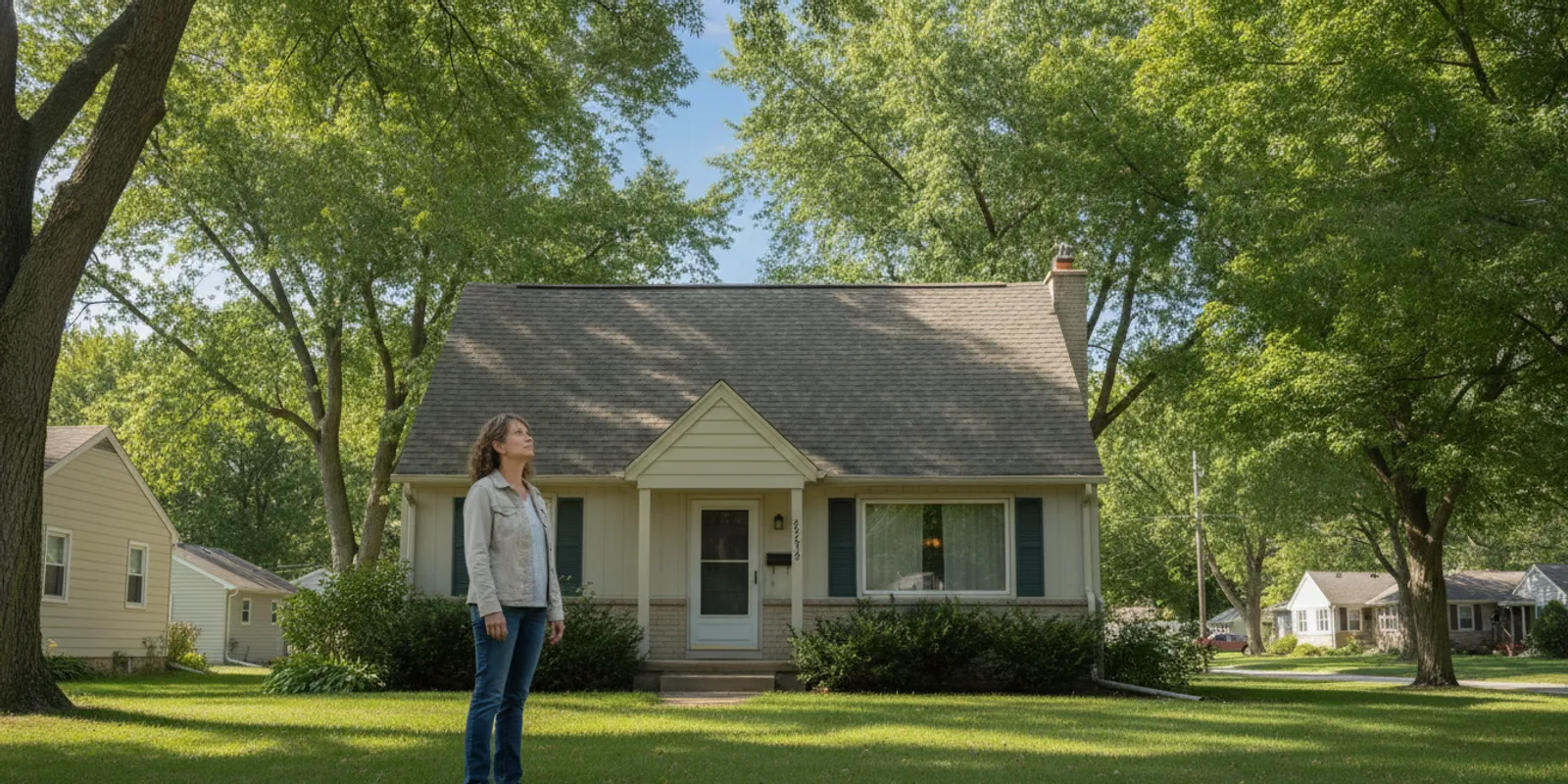
You can get a better view of your roof without setting foot on a ladder. Grab a pair of binoculars or even use the zoom feature on your phone’s camera to inspect the roof’s surface from a safe distance. Stand back in your yard or look out a second-story window to get different angles. Scan each section of the roof for shingles that look bruised, cracked, or dented. You might also spot shingles that are curled, lifted, or missing entirely. While this method won’t reveal every issue, it can help you identify obvious problems. Remember that professionals use specialized equipment to find hidden moisture and subtle damage that isn’t visible to the naked eye.
Safety First: When to Call a Pro
If your ground-level inspection reveals any potential issues, from dented gutters to missing shingles, it’s time to call in an expert. A DIY inspection is a great first step, but it can’t replace a professional assessment. Hail damage is often subtle and requires a trained eye to spot the signs that could lead to future leaks. Climbing on a potentially compromised roof is a serious safety risk you should never take. A trusted roofing professional has the safety gear and experience to conduct a thorough inspection and provide clear advice on the necessary storm damage repairs. Putting your safety first and getting an expert opinion is always the smartest move.
Why You Shouldn't Ignore Hail Damage
After a hailstorm passes, it’s easy to feel relieved and move on, especially if you don’t see any obvious signs of trouble. But what looks like a few minor dents from the ground can hide much bigger problems. Ignoring hail damage is one of the most costly mistakes a homeowner can make. The initial impact is just the beginning; the real issues develop over time as water and sun get into places they shouldn’t. Addressing the problem quickly with professional storm damage repair is the best way to protect your home and your wallet from long-term consequences. Even if the damage seems insignificant, a thorough inspection can uncover hidden issues that will only get worse.
The Risk of Water Leaks and Interior Damage
The most immediate threat from hail damage is water intrusion. Hailstones can crack, puncture, or dislodge shingles, creating small openings in your roof's protective layer. While you might not notice a leak right away, water is incredibly persistent. It can seep through these new entry points and into your attic, soaking insulation and dripping onto your ceiling. Before you know it, you could be dealing with stained drywall, peeling paint, and warped wood. A persistent leak can even compromise your home’s structural integrity and lead to hazardous mold growth, turning a simple roofing issue into a major interior problem that affects your family’s health.
How Small Issues Lead to Big Repair Bills
It’s a classic story: a small, manageable problem gets ignored and spirals into a huge, expensive mess. This is especially true for hail damage. That tiny crack in a shingle might not seem like a big deal, but the slow, steady leak it causes can lead to thousands of dollars in repairs. Over time, water can rot the roof decking, ruin insulation, and damage electrical systems. By the time you spot a water stain on your ceiling, the damage is already extensive. Fixing these secondary problems is far more complex and costly than a straightforward roof repair. Acting fast after a storm can mean the difference between a minor fix and a major renovation project.
A Shorter Lifespan for Your Roof
Your roof is constantly exposed to the elements, and its materials are designed to withstand years of sun, wind, and rain. Hail damage compromises this defense system and can significantly shorten your roof's lifespan. On asphalt shingles, for example, hailstones knock off the protective granules that shield the underlying asphalt from harsh UV rays. This exposure causes the asphalt to dry out, become brittle, and crack, accelerating the roof's aging process. What was once a durable, flexible surface becomes weak and vulnerable. This means you’ll likely need a full roof replacement years sooner than you planned, an expense that could have been avoided with a timely inspection and repair.
Filing Your Hail Damage Insurance Claim
Dealing with insurance can feel like a huge headache, but you don’t have to go it alone. Filing a claim for hail damage is a straightforward process when you know what to expect. Taking the right steps will help ensure you get the coverage you need to restore your home and protect your investment. Think of it as a simple checklist to get your roof back in top shape.
Understand Your Policy and Deductible
Before you pick up the phone, it’s a good idea to have a quick look at your homeowner's insurance policy. Most policies cover hail damage, but the specifics can vary. Look for the section on weather-related damage to understand your coverage. You’ll also want to find your deductible, which is the amount you’ll pay out of pocket before your insurance coverage kicks in. Keep in mind that most insurance companies require you to file a claim within a year of the storm. It’s also good to know that some policies may not cover purely cosmetic damage, so it’s worth checking the fine print.
How to Document Damage and File Your Claim
Your phone’s camera is your best friend after a hailstorm. Before you do anything else, walk around your property and take clear photos of all the damage you can see. Snap pictures of dents on your shingles, gutters, siding, and window frames. The more evidence you have, the smoother your claim process will be. Once you’ve documented everything, contact your insurance agent to get the claim started. Filing quickly is important because it helps prevent the initial damage from leading to bigger problems, like leaks. A professional can help you identify all the areas that need attention before you file your storm damage repair claim.
Working with Your Insurance Adjuster
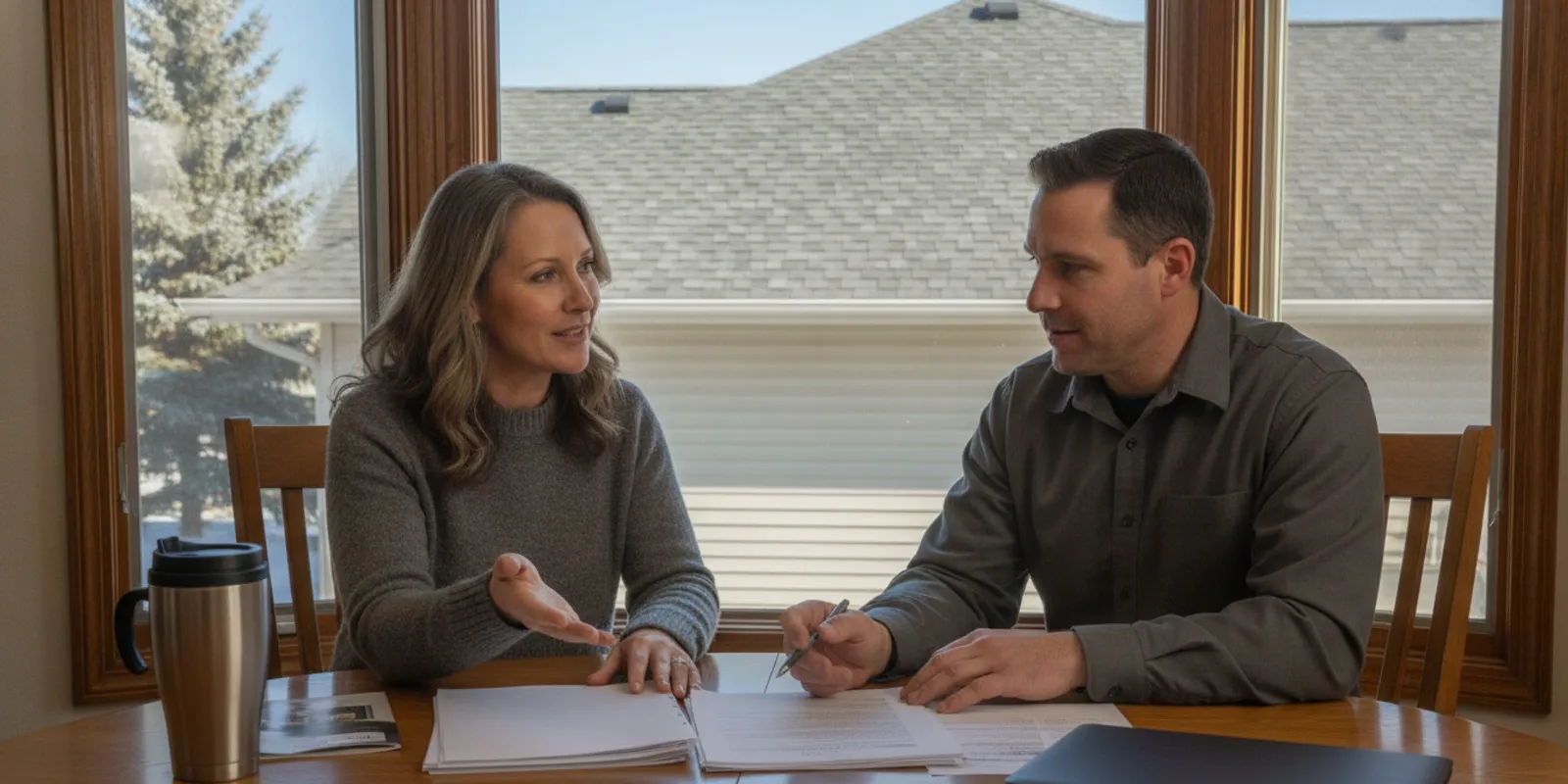
After you file a claim, your insurance company will send an adjuster to assess the damage. While they are there to do their job, it’s incredibly helpful to have a trusted roofing professional present during their inspection. A roofer advocates for you, ensuring that no detail is overlooked. They can point out damage the adjuster might miss and provide a detailed estimate for the repairs. Remember, you have the right to choose your own contractor. Working with an experienced, local team like us can make this process much smoother and give you peace of mind that the job will be done right.
When to Call a Professional Roofer
While inspecting your roof from the ground is a great first step, it’s not a substitute for a professional assessment. Some types of hail damage are subtle and can easily be missed without a trained eye. An experienced roofer knows exactly where to look and how to identify issues that could become major problems. After a hailstorm, your safest bet is to schedule a professional inspection. A qualified contractor can give you a clear, honest evaluation of your roof’s condition, which is essential when you need to file an insurance claim.
Signs You Need an Expert Assessment
Even if you don’t see obvious dents or missing shingles, it’s wise to call a professional. Hail damage can be deceptive, causing tiny cracks or splits in shingles that aren't visible from the ground. A roofer can check for this hidden damage and will also inspect other critical components of your roofing system, like flashing, vents, and gutters. Getting a complete picture from an expert ensures you don't overlook minor issues that could lead to a full roof replacement later on.
What Counts as a Roofing Emergency?
A roofing situation becomes an emergency the moment water starts getting into your home. If you see water stains on your ceiling or dripping in your attic after a storm, you need to act immediately. An active leak is a direct threat to your home’s structural integrity. Once water penetrates the roof deck, it can saturate insulation, promote mold and mildew growth, and cause wood rot. Don’t wait for the problem to get worse. An urgent call for roof repair can prevent thousands of dollars in interior damage.
How to Choose the Right Storm Damage Contractor
After a storm, be cautious of "storm chasers" who knock on your door. These out-of-state contractors often perform subpar work and then disappear when issues arise. Instead, choose a local, reputable contractor with deep roots in the community. Look for a company with a proven track record by checking online reviews and asking for local references. A trustworthy contractor will be fully licensed, insured, and provide a detailed, no-pressure estimate for your storm damage repair. Taking the time to find the right partner ensures your roof is repaired correctly.
Frequently Asked Questions
Will filing a hail damage claim make my insurance premium go up? This is a common worry, but you can relax. Insurance companies generally classify hail damage as an "act of God," meaning it was a natural event beyond your control. Unlike an at-fault car accident, a weather-related claim on your home typically does not cause your individual rate to increase. Widespread storm damage in an area can sometimes lead to a general rate adjustment for the entire region, but your personal claim won't single you out.
My roof looks fine from the ground. Do I really need a professional inspection? Yes, it's always a good idea. Hail damage can be incredibly subtle and is often invisible from the ground. A professional knows how to spot issues like granule loss, small cracks, and "bruising" on shingles that compromise your roof's integrity. Catching these problems early with a trained eye can save you from dealing with major leaks and interior damage down the road.
How long do I have to file an insurance claim after a hailstorm? Most insurance policies give you about one year from the date of the storm to file a claim, but you shouldn't wait that long. It's best to act quickly for a few reasons. First, you want to get any damage repaired before it leads to bigger problems like leaks. Second, filing sooner makes it easier to connect the damage directly to a specific storm event, which can make for a smoother claims process.
What happens if my insurance adjuster's estimate is lower than my roofer's? Don't panic, this happens quite often. An initial insurance estimate may overlook certain details or use standard pricing that doesn't reflect the actual cost of quality materials and labor in our area. A reputable, local roofer can work with your insurance company directly. They will provide detailed documentation, photos, and a line-item estimate to justify the necessary repairs and ensure all the damage is properly covered.
Can I just fix the few damaged shingles I can see? While a spot repair might seem like a quick fix, it's often not the best long-term solution. Widespread hail impacts can weaken the entire roofing system, even if only a few shingles look obviously damaged. A professional assessment will determine the full extent of the issue. If the damage is extensive, a full roof replacement is often the most effective way to ensure your home is fully protected for years to come.

Comments