
How to Spot Storm Damage to Roof (and What to Do)
The most obvious signs of a storm, like fallen branches, aren't always the most serious threats to your home. Often, the most costly problems start small and out of sight. A few missing shingle granules or some minor-looking dents from hail can seem insignificant, but they can compromise your roof's integrity, leading to slow leaks and long-term structural issues. This guide will teach you how to spot these hidden red flags. We’ll show you what professional inspectors look for, helping you identify the subtle but critical signs of storm damage to roof materials before they escalate into expensive, complicated repairs.
Key Takeaways
- Document Damage Before Doing Anything Else
: Your first step after a storm is to safely take photos and videos of all damage from the ground. This documentation is essential for a smooth insurance claim.
- Work with a Professional Roofer on Your Claim
: Have a reputable contractor inspect your roof and be present when the insurance adjuster visits. Their expert assessment helps ensure your claim covers all necessary repairs for a fair settlement.
- Prevent Future Damage with Simple Maintenance
: Regularly check your roof from the ground, keep your gutters clean, and trim any overhanging tree branches. These simple actions can significantly strengthen your home against the next storm.
What Kinds of Storm Damage Can Affect Your Roof?
Minnesota weather can be unpredictable, and your roof is the first line of defense against the elements. After a storm passes, it’s smart to check for potential problems. Different types of storms leave behind different kinds of damage, from the obvious to the hidden. Knowing what to look for can help you catch issues early before they turn into costly, complicated repairs. Below, we’ll walk through the most common types of storm damage your roof might face, so you can feel confident in assessing its condition.
How Wind Damages Roofing
High winds can be incredibly destructive to a roof. They can get underneath the edges of shingles, lifting them up, causing them to curl, or tearing them off completely. This leaves the underlayment of your roof exposed to the elements. After a windy day, take a look for any shingles that are missing or look peeled back. You might also spot loose or bent metal flashing around your chimney, vents, or skylights. Another subtle sign is finding a collection of small, black granules in your gutters. These granules protect your shingles from the sun, and when they’re stripped away by wind, your roof’s lifespan is shortened. If you see any of these signs, a professional roof repair can prevent leaks from developing.
The Impact of Hail
Hail damage can be tricky because it doesn’t always cause an immediate leak. Instead, it often creates subtle issues that weaken your roof over time. Hailstones can leave dents or bruises on your asphalt shingles, which may look like small, dark circles where the protective granules have been knocked off. This exposes the shingle mat to UV rays, causing it to become brittle and fail sooner. You might also find cracked shingles or dents in your metal gutters, downspouts, and roof vents. Because this type of damage isn't always obvious from the ground, it’s a good idea to have a professional inspection after a significant hailstorm. Addressing hail damage quickly is a key part of storm damage restoration.
Spotting Water Damage and Leaks
Water is your roof’s biggest enemy, and a leak is a clear sign that something is wrong. The most obvious indicator is water actively dripping into your home, but other signs can be more subtle. Look for brown, yellow, or dark water stains appearing on your ceilings or running down your walls. These stains mean water has been sitting for a while. You should also be on the lookout for any signs of mold or mildew growth in your attic or on interior ceilings. In more serious cases, you might notice the roof deck itself is sagging when viewed from the attic. Any of these signs are urgent, as unchecked water damage can compromise your home’s structural integrity.
Why Ice Dams Are a Problem
In Minnesota, ice dams are a serious winter threat. They form when heat from your attic melts snow on the roof. The water runs down to the colder eaves and refreezes, creating a thick ridge of ice. This ridge traps melting snow behind it, allowing water to pool and seep back up under the shingles, where it can leak into your home. You can spot an ice dam by looking for thick bands of ice along the edge of your roof and in your gutters. Large, dangling icicles are another classic sign. You may also see water stains on the exterior walls just below the roofline. Ice dams can cause significant damage to your roof, insulation, and interior walls.
Damage from Debris and Falling Trees
Impact damage from falling trees, large branches, or other wind-blown debris is often the most dramatic and obvious type of roof damage. If you see a tree or large limb resting on your roof, the damage is clear. However, even smaller impacts can cause problems. Look for holes or punctures in the roofing material, cracked or splintered decking, and any sagging in the roofline, which could indicate structural damage. This kind of damage almost always requires immediate attention to prevent water from pouring into your home and to ensure your roof is structurally sound. Depending on the severity, you may need a full roof replacement to restore your home’s safety.
How to Inspect Your Roof for Storm Damage
After a severe Minnesota storm passes, your first instinct is to check on your property. Your roof is the first line of defense against the elements, so assessing it for damage is a critical step. But before you do anything, it’s important to know how to inspect it safely and what to look for. A thorough check can help you catch problems early and prevent minor issues from turning into costly, long-term damage. Let's walk through the right way to check your roof, starting with the most important rule: safety first.
Safety First: Before You Inspect
Your safety is the absolute top priority. Please, do not climb onto your roof to inspect it, especially after a storm. The surface can be slippery from rain or hail, and there could be unstable areas or structural damage that you can’t see. Professional roofers have the training and specialized safety equipment to get on a roof without risking injury. The best and safest first step is to call a trusted local roofing contractor for a professional assessment. Many, including our team at MN Roofing Co., offer free inspections to help you understand the condition of your roof without any risk to you.
Inspecting Your Roof Safely from the Ground
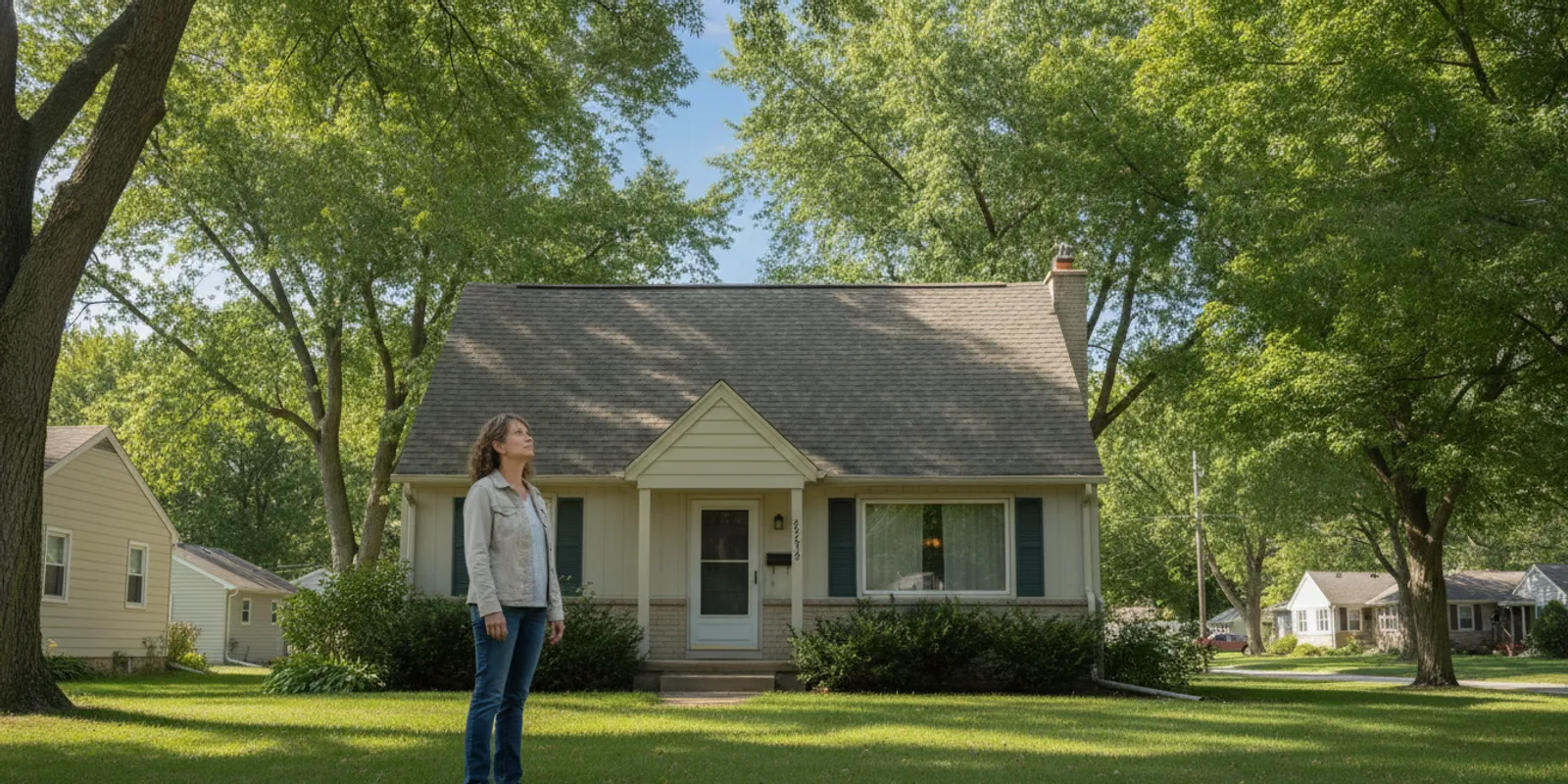
You can still get a good sense of your roof’s condition from the ground. Grab a pair of binoculars and walk around the entire perimeter of your home. Take your time and look at each section of the roof from different angles. You’re looking for the most obvious signs of trouble. Are there any shingles missing? Do you see large dents, cracks, or holes? Check for debris like fallen branches that could have caused impact damage. Also, look at your gutters, vents, and chimney, as damage to these components often signals that your roof was hit hard, too. This initial visual check will help you gather information before calling a professional.
What to Look for on the Outside
When you’re looking from the ground, it helps to know the specific signs of different types of damage. For wind damage, look for shingles that are curled, peeling, or completely missing. You might also spot shingle granules, which look like coarse black sand, collecting in your gutters or on the ground around your downspouts. Hail damage often appears as dark, bruised-looking spots or dents on asphalt shingles where the protective granules have been knocked away. You might also see cracks or soft spots. If you notice any of these issues, it’s a clear sign you need a professional storm damage repair assessment.
Warning Signs Inside Your Home
Storm damage isn’t always visible from the outside. Some of the most serious problems start as hidden leaks that only reveal themselves inside your home. After a storm, head up to your attic with a flashlight and look for signs of water intrusion. Check the underside of the roof deck for damp spots, dark stains, or active drips. Inside your living spaces, scan your ceilings and walls for new or growing water stains, which often look like yellowish or brown circles. Peeling paint or sagging drywall are also major red flags. Catching these interior signs early is key to preventing mold and structural damage, so don't hesitate to schedule a roof repair if you see anything amiss.
What to Do Right After a Storm
Once the storm passes and it’s safe to go outside, your first instinct might be to panic. Instead, take a deep breath and follow a few simple steps. Acting quickly and methodically can protect your home from further damage and make the insurance process much smoother. Your priorities are to stay safe, document the damage, and call for professional help to assess the situation. These initial actions set the stage for a successful repair or replacement, getting your home back to normal as soon as possible.
Document Everything for Your Insurance Claim
Before you touch anything, grab your phone and start taking pictures and videos. This is one of the most important steps for your insurance claim. Capture the damage from every possible angle, getting both wide shots of the entire roof and close-ups of specific problem areas like dented gutters, cracked shingles, or missing sections. Don’t forget to document damage to other parts of your property, such as siding, windows, and landscaping. Keep a written log with the date of the storm and a description of everything you find. This detailed record will be invaluable when you speak with your insurance company.
Know When to Call a Professional Roofer
After you’ve documented the damage, your next call should be to a trusted roofing contractor. It’s wise to get a professional opinion before the insurance adjuster arrives. A qualified roofer can provide a thorough and accurate assessment of the damage, including issues you might not see from the ground. They can also help you understand the scope of the necessary repairs. Getting an expert evaluation ensures you have a clear picture of the situation and can advocate for what your home truly needs. Our team specializes in storm damage repair and can provide a detailed inspection to guide your next steps.
Making Safe, Temporary Repairs
While you wait for professional help, you may need to make some temporary fixes to prevent more water from getting into your home. Safety is the top priority here; never get on a wet, slippery, or unstable roof. If you can safely do so, cover any obvious holes with a tarp and secure it with weights or wooden planks. Inside, move furniture and valuables away from leaks and use buckets to catch dripping water. These are just temporary measures to mitigate further damage. A professional roof repair is essential to address the root cause and ensure your home is properly protected.
Your Guide to Insurance Coverage for Storm Damage
After a storm rolls through, the last thing you want to deal with is a complicated insurance claim. But understanding how to handle the process can save you a lot of time, money, and stress down the road. Your homeowner's insurance is there to protect your investment, and when it comes to storm damage, it’s your first line of defense. The process might seem intimidating, especially when you're already worried about the condition of your roof, but it doesn't have to be. With the right information and a clear plan, you can work with your insurance company confidently.
The key is to be prepared and know what to expect. From understanding what your policy actually covers to knowing how to file a claim effectively, a little knowledge goes a long way. It also helps to have a trusted professional on your side. A reputable roofing contractor can provide an accurate assessment of the damage, which is invaluable when you start working with your insurance company. They act as your advocate, ensuring that all damage is properly documented and that the scope of work is accurate. This partnership between you, your roofer, and your insurance company is essential for a smooth restoration. Let’s walk through the steps to make sure you get the coverage you deserve and get your home back to its best condition.
What Your Policy Likely Covers
Most standard homeowners insurance policies are designed to cover sudden, accidental damage, which includes events like wind and hail storms. This coverage typically helps pay to fix or replace the parts of your home that were damaged, such as your roof, siding, and windows. If a storm causes a tree to fall on your house or high winds tear off shingles, your policy should step in to cover the storm damage repair.
However, every policy is different. It’s always a good idea to pull out your documents and review your specific coverage, paying close attention to your deductible and any exclusions. Understanding these details beforehand will make the claims process much smoother.
Common Myths About Insurance Coverage
There’s a lot of misinformation out there when it comes to insurance claims, which can keep homeowners from getting the help they need. One common myth is that filing a single claim will automatically cause your rates to go up. In reality, rate increases are often based on widespread storm events in an entire area, not on one individual claim for legitimate damage.
Another misconception is that an older roof won't be covered. While policies vary, damage from a storm is often covered regardless of your roof's age, though the payout might be adjusted for depreciation. It's also important to know that not all leaks are covered; a leak caused by a storm is different from one that results from deferred maintenance.
How to File a Successful Claim
Filing a successful insurance claim starts with good documentation. As soon as it’s safe, take clear photos and videos of all the damage from both the ground and, if possible, a safe vantage point. Make a list of everything you see, from missing shingles to dented gutters. Next, review your insurance policy to understand your coverage and deductible.
Once you have your evidence, contact your insurance provider to start the claims process. They will assign an adjuster to your case. Before the adjuster visits, it’s a great idea to have a professional roofer provide a thorough inspection and a detailed estimate for the roof repair. This gives you an independent assessment of the damage.
Working with Your Insurance Adjuster
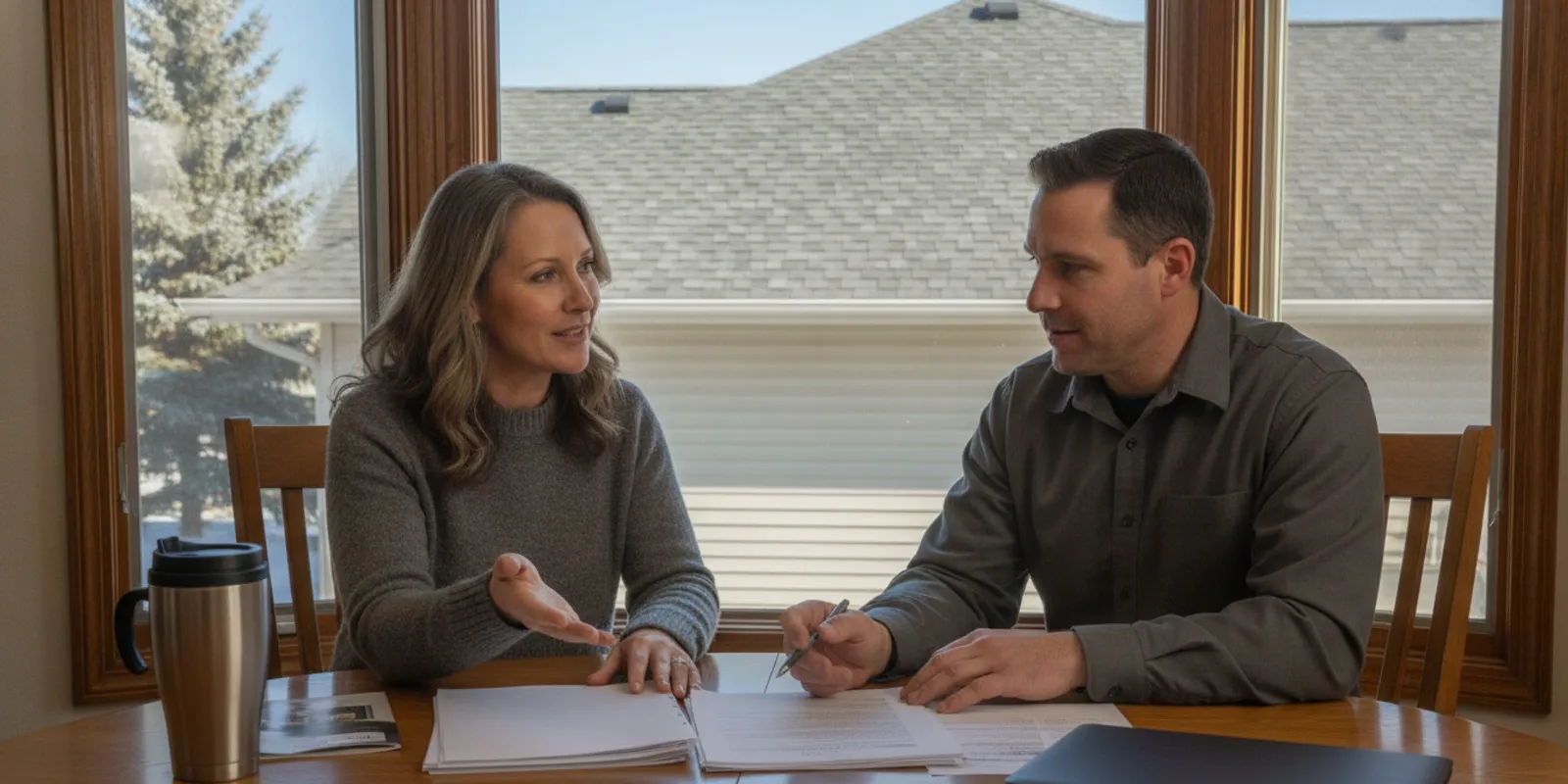
The insurance adjuster works for the insurance company, and their job is to assess the damage and determine the cost of repairs according to your policy. While they are professionals, they may not be roofing experts. This is why having a report from your own contractor is so important. A detailed inspection from a trusted local roofer provides a complete picture of the damage, complete with photos and an itemized estimate.
We recommend having your contractor present when the adjuster visits your property. This allows your roofer to point out damage the adjuster might miss and ensure the scope of work is accurate. Acting as your advocate, a good contractor makes sure the assessment is fair and that you receive the proper settlement to restore your home correctly.
How to Choose the Right Storm Damage Contractor
After a storm, your priority is getting your home back to normal. But choosing the right contractor to handle the repairs is a critical decision that shouldn't be rushed. The roofer you hire will not only fix the damage but will also be your partner in the insurance claim process. A great contractor brings peace of mind, while the wrong one can lead to more headaches. Taking a little time to vet your options ensures the job is done right, protecting your home for years to come. Think of it as an investment in quality and your own security.
Check for Licenses, Insurance, and Certifications
Before you even look at an estimate, your first step is to verify a contractor's credentials. A reputable roofer will be fully licensed to work in Minnesota and carry both general liability insurance and worker's compensation. This is non-negotiable, as it protects you from any liability if an accident happens on your property. Also, look for special certifications, which show a commitment to quality. For example, being a GAF Master Elite or Owens Corning Preferred Contractor means they’ve met rigorous standards for craftsmanship and customer service. A trustworthy company, like our team at MN Roofing Co., will be transparent about these qualifications and provide proof without hesitation.
Why You Should Get Multiple Estimates
It’s always a good idea to get at least two or three estimates for your storm damage repairs. This isn’t just about finding the lowest price; it’s about understanding the scope of the work and finding a professional you can trust. Each estimate gives you a chance to meet the contractor, ask questions, and see how they assess the damage. A detailed, written estimate is a sign of professionalism. While comparing costs is important, pay closer attention to the quality of materials they propose and the thoroughness of their plan. The cheapest bid often cuts corners, so focus on finding the best value, not just the lowest number for your storm damage repair.
Red Flags to Watch for in a Contractor
Unfortunately, a big storm can bring out "storm chasers" who prey on stressed homeowners. Be wary of anyone who shows up at your door unannounced or uses high-pressure tactics to get you to sign a contract on the spot. Other red flags include demanding a large cash deposit upfront or providing a vague, non-itemized estimate. If a deal sounds too good to be true, it probably is. A professional contractor will never offer to cover your insurance deductible, as this is a form of insurance fraud. They will, however, help you understand your policy and provide the detailed documentation you need for a successful claim on your roof repair.
Should You Repair or Replace Your Roof?
After a storm, one of the biggest questions you'll face is whether to patch things up or start fresh with a new roof. It's a decision that impacts your budget and your home's long-term safety. The right choice depends on the age of your roof and the extent of the damage. Let's walk through the key signs that can help you decide which path is best for your home.
Signs You Only Need a Repair
If the storm damage is limited to one area, a repair might be all you need. Look for a few missing, cracked, or curled shingles, or a collection of shingle granules in your gutters. These issues are often fixable without tearing off the entire roof. A professional roof repair can address these specific problems, extending the life of your existing roof and preventing small issues from turning into major leaks. Minor repairs can often be completed quickly, getting your home back to normal without a major disruption.
When a Full Replacement is Necessary
Sometimes, a simple patch-up job isn't enough. A good rule of thumb is the 25% rule: if more than a quarter of your roof is damaged, a full replacement is usually the smarter investment. Widespread damage can compromise the entire roofing system, and multiple repairs often cost more in the long run. Also look for serious warning signs like a sagging roof deck or new cracks in your interior walls. These can indicate structural damage that requires immediate attention. In these cases, a complete roof replacement is the only way to ensure your home is safe and protected.
Understanding Costs and Your Options
The cost of storm damage is a major concern, but your homeowner's insurance can provide significant help. If you have legitimate roof damage, your insurance provider expects you to file a claim. It's important to understand your coverage for storm damage repair. Insurance payouts can often cover a large portion of the expense, making a new roof much more affordable. Don't let fear of the cost keep you from addressing serious damage. An experienced roofing contractor can help you document the damage and provide a detailed estimate to support your insurance claim.
Ensuring a High-Quality Roof Repair
Once you’ve navigated the initial aftermath of a storm and selected a contractor, the next step is the repair itself. Getting this part right is crucial for the long-term health of your home. A quality repair isn't just about patching a few holes; it's about restoring your roof's ability to protect you from the next storm. This means focusing on three key areas: using the right materials, ensuring flawless installation, and understanding the project timeline. A professional repair should leave your roof as strong, if not stronger, than it was before the damage occurred, giving you lasting peace of mind.
Choosing Durable, Long-Lasting Materials
The materials used for your repair are the first line of defense against future weather. It’s important to choose options that are not only durable but also compatible with your existing roof. A good contractor will help you select materials that match in color and style while offering the best protection. Using high-quality materials is also what your insurance provider expects when you file a claim for legitimate damage. Investing in quality shingles or metal roofing ensures your residential roofing system is sound and can withstand Minnesota's harsh weather for years to come. Skimping on materials might save a little money upfront, but it often leads to more significant and costly problems later on.
The Importance of Proper Installation
Even the best materials will fail if they aren’t installed correctly. Proper installation is what holds everything together and ensures your roof is watertight and secure. A contractor experienced in storm damage repairs will make sure the scope of work fully covers all necessary fixes, preventing hidden issues from causing trouble later. This is why working with certified professionals is so important. As a GAF Master Elite and Owens Corning Preferred Contractor, our team is trained to meet the highest industry standards. This commitment to craftsmanship ensures every repair is done right the first time, protecting your home and upholding your material warranties.
What to Expect for a Repair Timeline
Understanding the timeline for your roof repair helps you plan and minimizes disruption to your daily life. The duration of the project depends heavily on the extent of the damage. Minor storm damage repairs, like replacing a few missing shingles, might only take a day or two. However, more significant damage could require a week or longer to fix properly. Factors like weather conditions and material availability can also influence the schedule. Your contractor should provide a clear, realistic timeline before work begins and keep you updated on their progress. Transparent communication is key to a smooth and stress-free repair process.
How to Protect Your Roof from Future Storms
After you've dealt with the aftermath of a storm, the last thing you want is to go through it all again. The good news is that you can take proactive steps to strengthen your roof against future weather events. A little preparation goes a long way in protecting your home and giving you peace of mind when the forecast looks grim. Here’s how you can get ahead of the next storm.
The Role of Regular Maintenance
Think of regular maintenance as a health check-up for your roof. Catching small problems early prevents them from becoming major headaches during a storm. At least twice a year, in the spring and fall, take a look at your roof for any obvious issues. You can often spot things like loose, cracked, or missing shingles from the ground with a pair of binoculars. Also, check your gutters and downspouts to ensure they are clear of debris. A small roof repair now, like securing a loose shingle, can make a huge difference in how your roof holds up against high winds and heavy rain, saving you from more extensive damage later.
Consider Upgrading to Stronger Materials
If your roof is getting older or has needed several repairs, it might be time to think about an upgrade. Constant patching can be a temporary fix, but a full replacement with modern, durable materials is a long-term solution. If you notice widespread curling shingles or find a lot of shingle granules in your gutters, your roof is showing its age. Investing in a new roof replacement with high-quality, impact-resistant materials can significantly improve your home's defense against hail and wind. It’s a smart investment that not only protects your property but can also add to its value and potentially lower your insurance premiums.
Prepare Your Property and Manage Trees
Your roof doesn't exist in a bubble; its surroundings play a big role in its safety during a storm. Before severe weather is expected, take a walk around your property. Trim any tree branches that are hanging over or are very close to your roof, as these can easily snap off in high winds and cause serious damage. It’s also a good idea to secure any loose items in your yard. Patio furniture, grills, trampolines, and even garden decor can become dangerous projectiles in a storm. By clearing your yard and managing nearby trees, you reduce the risk of impact damage and help protect your entire home, not just the roof.
Frequently Asked Questions
Should I call my insurance company or a roofer first after a storm? It’s a great idea to call a trusted, local roofing contractor for an inspection before you contact your insurance provider. A professional roofer can give you a detailed assessment of the damage, complete with photos and an estimate. This report gives you a clear understanding of the situation and provides valuable documentation to support your claim when you do speak with your insurance company.
What if the damage seems minor? Is an inspection still necessary? Yes, absolutely. Some of the most serious types of storm damage, especially from hail, aren't visible from the ground and don't cause immediate leaks. Hail can create small bruises on your shingles that weaken them over time, leading to premature failure. A professional inspection is the only way to be certain your roof is in good shape and to catch these hidden issues before they become expensive problems.
Will filing a claim for storm damage make my insurance rates go up? This is a common worry, but it's often a misconception. Insurance companies typically raise rates based on widespread storm events that affect an entire region, not because of a single homeowner's legitimate claim. Your policy is there to protect you from accidental damage, and using it for its intended purpose after a storm shouldn't penalize you.
How long do I have to file an insurance claim after a storm? Most insurance policies have a time limit for filing a claim, which is often one year from the date of the storm. However, you should never wait that long. It's best to act as soon as you notice damage to prevent it from getting worse and to ensure the claims process goes smoothly. The sooner you start, the sooner your home can be restored.
A roofer knocked on my door and offered to cover my deductible. Is this a good deal? This is a major red flag. A contractor offering to pay or absorb your insurance deductible is committing insurance fraud. This practice is a sign of a dishonest "storm chaser" who is likely to cut corners on your repair. You should only work with reputable, local contractors who are transparent about costs and will provide a detailed, honest estimate for the work.

Comments