
How to File a Roof Insurance Claim in Minnesota: A Step-by-Step Guide
Updated: Sep 15
Minnesota homeowners often feel stressed when they need to file a roof claim after a storm. Recent rate hikes and hard policy rules make the process tough. We make the steps easy so you can protect your home.
Call Minnesota Roofing Company at (612) 888-7663 for a free estimate.
To know how to file a roof insurance claim in minnesota, you must document damage and tell your insurer within the state's two-year time limit. Start by taking clear photos of missing shingles or dented gutters before you call your insurance agent. Minnesota homeowners saw insurance rates rise by 34% in 2025, making it vital to get the most from your claim for the average $30,000 repair cost. Most local policies have a deductible between 2% and 5%, so you need strong proof to ensure your payout covers these costs. Our guide helps you find hidden storm damage that adjusters often miss. These steps help you get the funds needed to fix your roof after one of the many hailstorms that hit our state.
You likely have many questions about where to start after a heavy storm hits your area. This guide explains every part of the process to ensure you get a fair payout for your home. The first task you must complete is documenting the damage before calling your insurer. And the process starts with contacting Minnesota Roofing Company for professional documentation help.
How to File a Roof Insurance Claim in Minnesota: Document the Damage Before Calling Your Insurer
To file a strong claim, take clear photos and videos of the damage from multiple angles before reaching out to your insurance company. This proof prevents claim denials and supports your case when the adjuster visits.
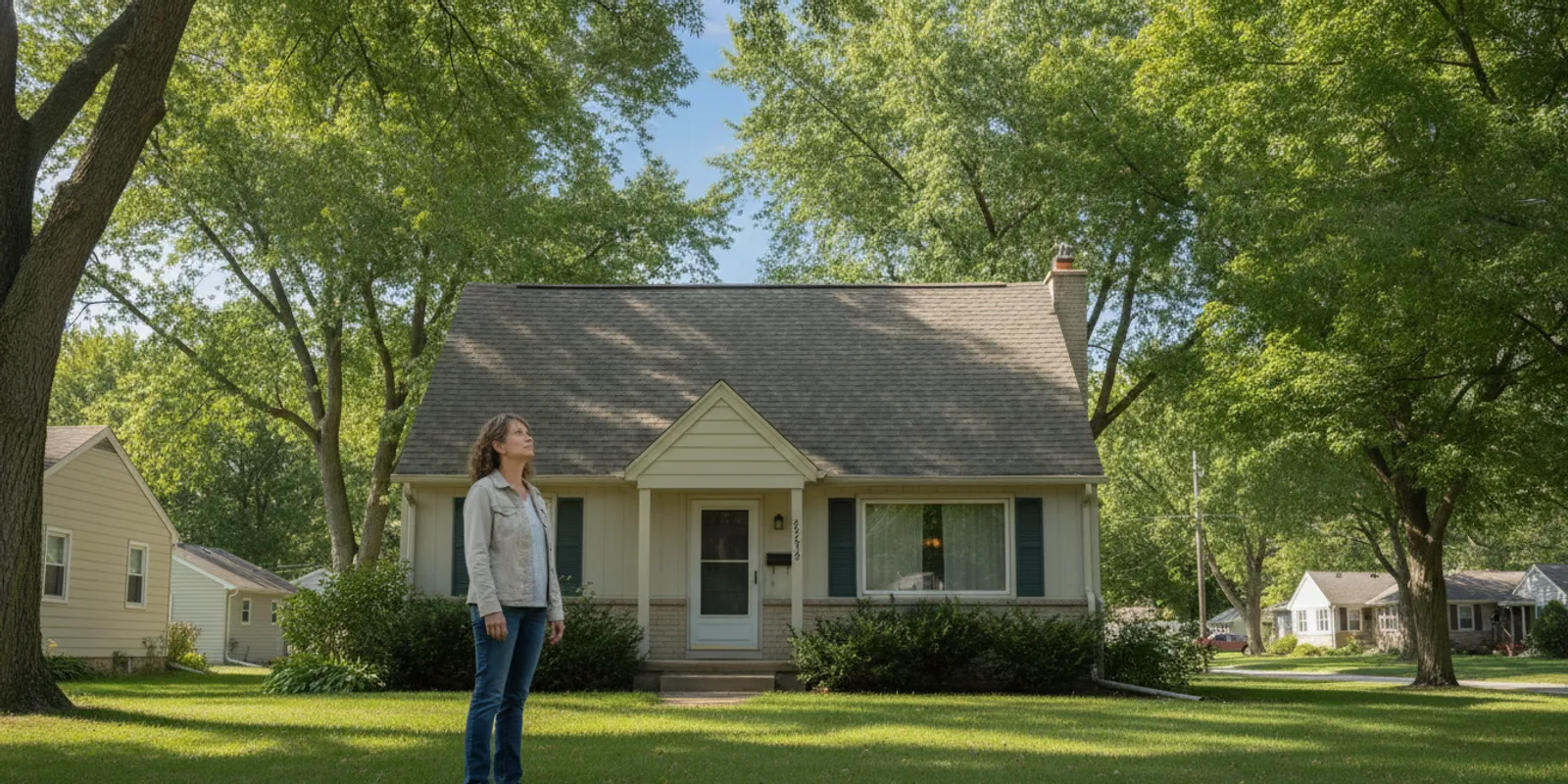
Success with your insurance claim starts well before you pick up the phone. When a storm hits the Twin Cities, you must act fast to record the state of your home. Taking your own photos and videos creates a clear record. This proof helps prevent your claim from being denied later. If you need to know how to file a roof insurance claim in Minnesota, your first move is to gather solid evidence of the storm damage.
Record Every Angle of the Roof
Use a digital camera or your phone to capture the damage from the ground and safely from a ladder. You should take wide shots of each roof slope to show the full scale of the impact. Then, move in for close-up shots of specific spots. Data from the Minnesota Department of Commerce shows that hail is the top cause of homeowner claims in the state. Because hail can reach speeds of 100 mph, it often leaves behind hidden marks that are easy to miss.
Look for Hidden Shingle Damage
Check for random, circular spots where granules have come loose from your shingles. Hail that is one inch wide or larger can bruise asphalt shingles and cause micro-cracks. These small cracks might not leak right away. However, they can fail during the next winter freeze. Documenting these marks helps show the insurance company that the shingles have lost their top layer. You can find more tips in our guide to storm damage and roof insurance claims for local homeowners.
Log the Details and Make Temporary Repairs
Write down the exact date and time the storm hit your area. If you have active leaks inside your home, you may need to set up a tarp to stop water damage. Keep every receipt for any tools or materials you buy for these urgent fixes. Your insurer needs to see that you took steps to protect your property. If you need help with this first step, Minnesota Roofing Company provides storm damage services and can help you document every detail.
Quick Checklist: What to Document
Date and time of the storm that caused the damage
Wide-angle photos of each roof slope showing the full scale of impact
Close-up photos of dented gutters, flashing, vents, and shingle damage
Video walkaround of your property showing visible damage from ground level
Receipts for any emergency tarping or temporary repairs
Notes about when you first noticed damage or leaks inside your home
What Does Your Minnesota Homeowner's Policy Cover After a Storm?
Most Minnesota homeowner policies cover wind and hail damage, but the payout depends on whether you have Replacement Cost Value (RCV) or Actual Cash Value (ACV) coverage. Your deductible is typically 2% to 5% of the claim amount.
Before you call your agent, you need to know how your coverage works. Most people in cities like Maple Grove or Plymouth have one of two main policy types. These rules decide how much money you get for a roof repair after a big storm hits your home.
RCV vs ACV Policy Limits
A Replacement Cost Value (RCV) policy is the best for most owners. It pays the full cost to fix your roof today, minus your deductible. The insurance company often holds back some money until the work is done. This is called depreciation, and you get it back once you show the final bill from your contractor.
An Actual Cash Value (ACV) policy works differently. It only pays what your roof is worth right now. If your shingles are ten years old, the carrier takes out money for that age. You must pay the rest out of your own pocket. Most Minnesota insurance rules require clear notice if your policy switches to ACV as the roof gets older.
Typical Minnesota Deductibles
Minnesota often has separate deductibles for wind and hail. While a fire claim might have a flat $1,000 cost, storm claims often use a percentage. In the Twin Cities, a 2% to 5% deductible is very common. On a $30,000 claim, a 2% deductible means you pay $600 before the carrier helps. Check your policy for a "windstorm or hail" page to find your exact rate.
Our team at Minnesota Roofing Company acts as your homeowner's claim advocate to make sure these numbers are fair. We review the full scope to ensure items like siding, gutters, and vents are all on the list. This helps you get the most value from the plan you pay for every month.
What Your Plan Covers
Most plans cover more than just the shingles. A standard storm claim includes damage to gutters, skylights, and attic vents. It even covers the soft metal flashing around your chimney. But, insurance will not pay for normal wear or a lack of care. If your roof is just old and leaking from thin spots, they may deny the claim. You can read more about storm damage that you can't see to understand how adjusters spot real impact marks.
What Happens When the Insurance Adjuster Arrives?
The adjuster will inspect your roof for visible damage, take measurements, and decide whether the damage qualifies for a claim. Having your contractor present during this inspection helps ensure nothing gets missed.
After you file your claim, the insurance firm will send an adjuster to your home in St. Paul or Edina. This person checks the damage and decides how much the repair should cost. In Minnesota, these meetings are a big part of getting your roof fixed. The adjuster's job is to see if you need a new roof or just a small fix.
You should try to be home for this meeting. It is your chance to see how they view the damage. Most adjusters are busy after a storm, so the visit may be short. Being ready with your own notes can help make the visit go fast and well.
The Roof Inspection Process
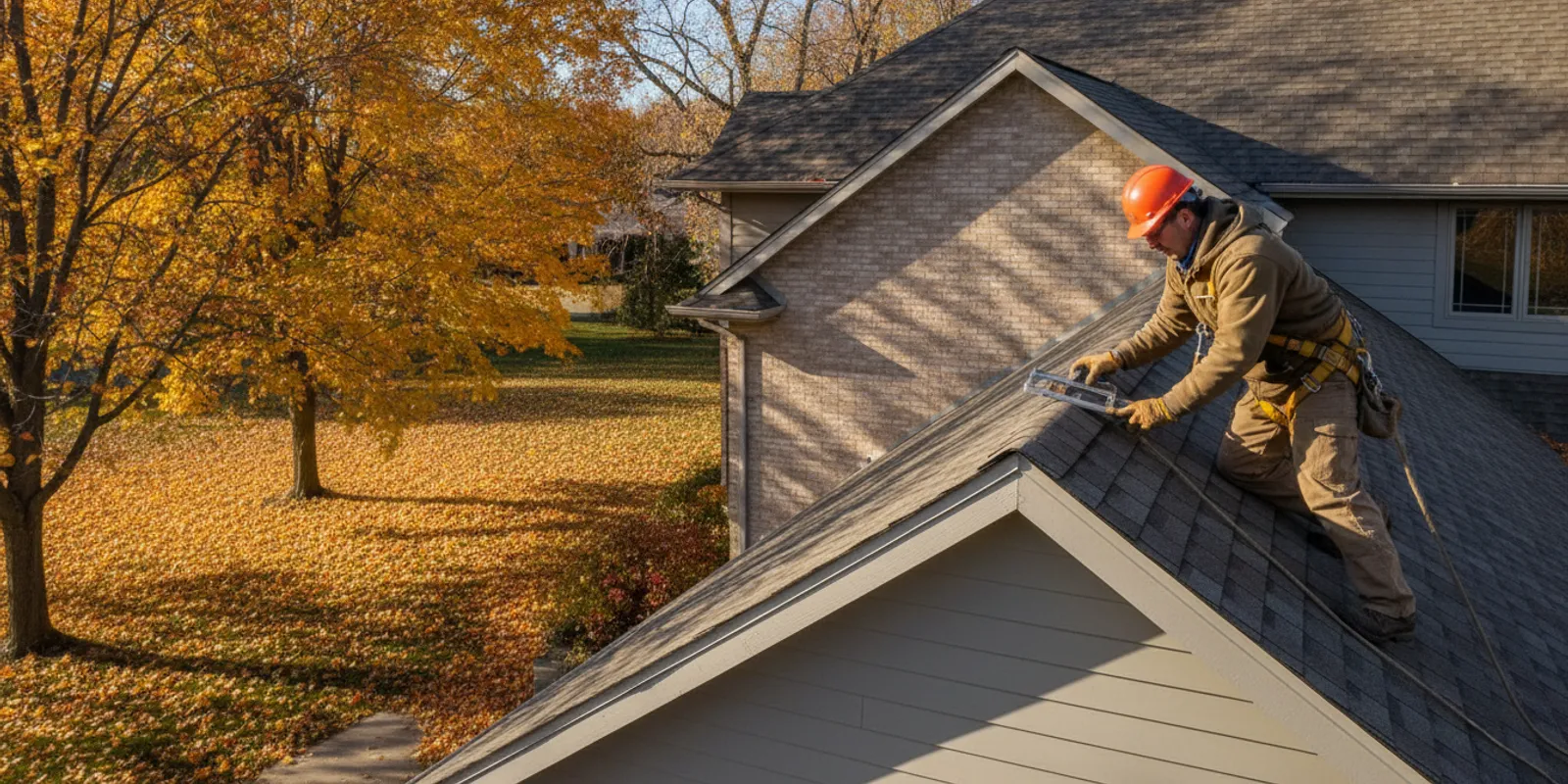
The adjuster will climb on your roof to look for signs of storm damage. They look for missing shingles, bruises on the asphalt, and dents in metal vents. They will take many photos and use a tape measure to check the size of the hit marks. They often look at a small square area on each side of the roof to count how many hits they find. This helps them decide if the damage is enough to pay for a new roof.
Adjusters look for a clear pattern. They want to see if the loss came from a recent storm or if it is just old age. The Minnesota Department of Commerce says you should give the adjuster all the info you have. This includes the date of the storm and any photos you took right after the hail hit.
They also check other parts of your home. They will look at your gutters, siding, and window screens. Soft metals show dents easily. These marks prove that hail was large enough to cause harm. If they find dents in your vents but not on your shingles, they may say the roof is fine. This is why having a pro by your side is so helpful.
Why You Need an Expert Present
You do not have to meet the adjuster alone. At Minnesota Roofing Company, we attend these meetings with you. We act as your voice to make sure the claim is fair. We talk to the adjuster and point out spots they might miss. Since we are a storm damage specialist, we know what to look for on every roof.
Adjusters and roofers do not always see things the same way. Their list of work might be smaller than what you really need. They might miss flashing issues or small leaks. We make sure the adjuster sees all the damage so your claim covers all the work. We bring our own photos to help back up your claim.
Our goal is to reach a deal right away. If the adjuster sees our proof, they are more likely to say yes to the fix. This saves you time and keeps you from having to ask for a new review later. We handle the hard talks so you can focus on your home.
Your Role as the Homeowner
While we handle the tech talk, you still have a role. You can ask about the timeline for the next steps. Every insurance firm has their own rules for papers. Some may send a check in the mail. Others use direct deposit. Knowing how you get paid is a big part of starting the work.
Be sure to ask about the items they plan to pay for. You should also ask if they found any wear that is not part of the claim. This helps you plan for any costs that fall outside of your insurance. If you have questions about your deductible, this is a good time to ask how it works.
Lastly, keep all the papers the adjuster gives you. These forms list what the firm will pay for and what they will not. Share these with us so we can check them against our bid. If there is a gap, we can help you ask for extra funds to cover the cost.
How Do You Review the Insurance Estimate vs. the Contractor Bid?
Insurance estimates often use national pricing that falls short of actual local repair costs. Comparing the adjuster's estimate side by side with your contractor's bid reveals gaps that a supplemental claim can fix.
Once you get your insurance paperwork, you will often see a gap between their math and our bid. This is common in the MN roofing field. Many adjusters use software that relies on national price rates. These rates do not always match the real cost of work and best parts in the Twin Cities. It is key to compare these two lists side by side to make sure your home stays safe.
Why Your Insurance Price Might Be Low
An adjuster price often focuses on a basic fix. They might quote cheap shingles that lack the strength needed for our local storms. Their list may also miss small but key items like new flashing, vent covers, or drip edges. We look at your roof as a full system. Our goal as your storm damage pro is to make sure your roof lasts for a long time. We want it to stay strong through the next big wind event.
Price gaps often come from the quality of the work. Insurance firms may offer a low rate for labor. This does not pay for the great skill needed for steep or tricky roofs. For more help with your claim, you can read our Twin Cities roofing services guide to see how we handle these gaps.
Local Building Codes and Hidden Damage
MN building codes have strict rules for ice and water shields. These must sit in valleys and along eaves to stop leaks from ice dams. Proper attic ventilation is also a state rule that adjusters often overlook. Adjusters often miss these code items because they cannot see them from the ground. We check for these needs during our first look. If we find rotten wood or old decking after we pull off your old shingles, we must fix it to meet state rules.
The MN Department of Commerce tells people to check their policy for code upgrades. These "ordinance or law" rules help pay for the extra costs of new building laws. If your adjuster leaves these out, we can help you ask for a second look. This makes sure your new roof meets all local laws without you paying for their mistake.
Using Supplements to Cover Costs
A supplemental claim is the best way to bridge the gap between a price and a bid. This is a formal ask for more funds when we find damage that the adjuster missed. We take photos and notes of every issue we find during the tear-off phase. We send this proof to your firm so they can fix your claim value. This step is a normal part of how to file a roof insurance claim in Minnesota.
Criteria | Adjuster Price | Roofer Bid |
Material Grade | Basic shingles | Premium (GAF Certified) |
Labor Rates | National software rates | Current local MN market rates |
Scope of Work | Visible damage only | Full roof system replacement |
Code Upgrades | Often left out | Included (Ice & Water shield) |
Hidden Damage | Not included | Found and added via supplement |
By using the supplement step, we make sure your firm pays for the full fix. You should not have to settle for a poor roof because of a math error. We handle the paperwork and the talks with your firm so you can focus on your home.
How Do You Handle Insurance Supplements and Underpayments?
When your contractor finds damage the adjuster missed during the tear-off phase, they file a supplement to recover the additional costs. This is a standard part of the claims process in Minnesota.
Insurance estimates often miss hidden damage. Once your contractor starts work, they may find rotten wood or hail hits on secondary slopes. This is where a supplement comes in to fix the gap. A supplement is an added claim for work that the first estimate missed. It ensures you get the full funds needed for a safe and legal roof repair.
Common Missed Items in Claims
Most initial checks are just a snapshot of the roof surface. It is common to find more damage during the tear-off phase. Rotten roof decking is a frequent surprise that adjusters often miss from the ground. Modern building codes also require new items like ice and water shields. Minnesota Roofing Company works with you to find these gaps and document them for your carrier.
Hidden hail damage on back slopes or garage roofs can also be left off the first list. Small items like vent fans or chimney caps show hail hits less clearly than shingles do. We use photo and video proof to show these hits to your adjuster. If you want to know how to file a roof insurance claim in Minnesota, you must plan for these extra costs.
The Supplement Filing Process
Your contractor files the supplement once new damage is found. They send photos and a list of costs to the insurance adjuster. The adjuster then reviews the proof and approves the extra payment. This process keeps the project moving without a stop in work. Our team handles these filings to ensure no cost is left out of your final check.
Depreciation recovery is another key part of your payout. Some carriers release these funds right after a final check of the work. Others may send the money sooner if you have a high-quality policy. We have years of experience with major carriers and know their specific rules. You can find more details in our guide to storm damage that you can't see.
Appealing a Denied or Low Claim
Some claims come back lower than the actual cost of a full repair. If your claim is underpaid or denied, you have the right to appeal. We provide appeals help to show why the work costs more than the first estimate. This often involves a second meeting with a new adjuster to review the roof in person. As a storm damage specialist, we act as your advocate through each step.
Most Minnesota home claims are for hail and wind damage according to the Minnesota Department of Commerce. If your carrier is not covering the full cost of your loss, an appeal is your next move. We stand by our work and help you get the funds you need for a roof that lasts.
Why Should You Hire a Certified Contractor Before Filing Your Claim?
Hiring a certified contractor before you file gives you a professional damage assessment that strengthens your claim and helps prevent denials or underpayment from the start.
Most people call their agent the moment a storm passes. This seems like the right move, but it can lead to a fast denial if you lack proof of damage. Hiring a local pro for a free roof inspection gives you a clear view of the facts first. We find that adjusters take claims more seriously when they see a pro report from the start.
Finding Hidden Roof Damage
Storm damage is not always easy to see from the ground. Hail hitting at high speeds can bruise shingles or crack the seals that keep water out. Homeowners often miss these signs, but a trained expert knows exactly where to look. We use tools like drone scans and thermal tests to find leaks before they reach your ceiling. This proof is needed for any storm damage roofing to ensure your claim covers the full project.
Building a Strong Case for Your Claim
A certified contractor creates a baseline scope of work that sets the stage for your adjuster meeting. As a GAF Certified and Tamko Diamond Level team, we speak the same language as the carrier. We document everything with photos and clear notes. This detail helps prevent the missed items that lead to low payments later. According to the Minnesota Department of Commerce, hail is a top cause of local insurance claims. Our local team has served Spring Lake Park for 30 years and knows how to spot the damage that transient storm chasers overlook.
Meeting the Claim Window
In Minnesota, homeowners mostly have a one-year window to file a claim for hail or wind. If you wait too long, you might lose your chance for a full replacement. Getting a check early ensures you have time to appeal if the first offer is too low. You can learn more in our guide on storm damage that you can't see. Act fast to protect your home and keep your policy active for future storms.
Frequently Asked Questions
Can hail damage cause my roof to leak immediately?
Large hail can cause leaks right away, but most damage is hard to see. Small hits often cause soft spots and tiny cracks that weaken your shingles. According to the Minnesota Department of Commerce, hail is a leading cause of insurance claims in the state because it causes hidden damage. Over many months, this can lead to large leaks inside your home. This often happens long after the storm has passed and you think your roof is safe.
What happens if my insurance adjuster misses some of the roof damage?
It is very common for an insurance adjuster to overlook certain damage during the initial roof inspection. When this happens, your contractor can file a supplemental claim with photo evidence of the missed damage. Minnesota Roofing Company handles this process for you. The adjuster reviews the new evidence and approves additional payment to cover the full scope of work. This ensures your claim reflects the real cost of a complete repair.
Do I have to use the roofing contractor my insurance company suggests?
No, you are not required to use the contractor your insurance company recommends. Minnesota law gives you the right to choose your own roofing contractor. We recommend hiring a local, certified contractor who has experience working with insurance claims. A contractor who knows how to document damage and file supplements can make a big difference in your final payout. You can learn more about our residential shingle roofing services to see how we help homeowners through the claims process.
How long do I have to file a roof insurance claim in Minnesota?
Minnesota homeowners generally have one to two years from the date of the storm to file a roof insurance claim, depending on the specific policy language. Most standard policies set a one-year window for wind and hail claims. Filing early gives you time to appeal if the initial offer is too low. Waiting too long can result in a denied claim, so it is best to act quickly after a storm passes. You can read our guide to shingle vs metal roofs to learn about material options for your replacement.
Ready to book your free roof check and estimate?
Now you know how to file a roof insurance claim in Minnesota. The process involves documenting damage, understanding your policy, working with the adjuster, and filing supplements when needed. The most important step you can take is to call a certified contractor before filing your claim.
Call Minnesota Roofing Company at (612) 888-7663 for a free roof inspection and estimate.
Our team has helped hundreds of Minnesota homeowners navigate the insurance claims process. We attend adjuster meetings with you, document every detail, and fight for a fair payout. With 30 years of experience serving Spring Lake Park and the Twin Cities metro, we know how to get your roof fixed right. Contact us today for a free estimate and let us put our expertise to work for you.

Comments