
How Often Roof Inspection Minnesota: How Often Should a Minnesota Roof Be Inspected?
How often roof inspection Minnesota homeowners need depends on the roof’s age, condition, and what the weather has done since the last review. A practical starting point is to look over the roof from the ground at least twice a year, then arrange a closer professional review when you notice a change or after a significant storm. That is a planning guideline, not a universal schedule or a substitute for advice based on your specific roof.
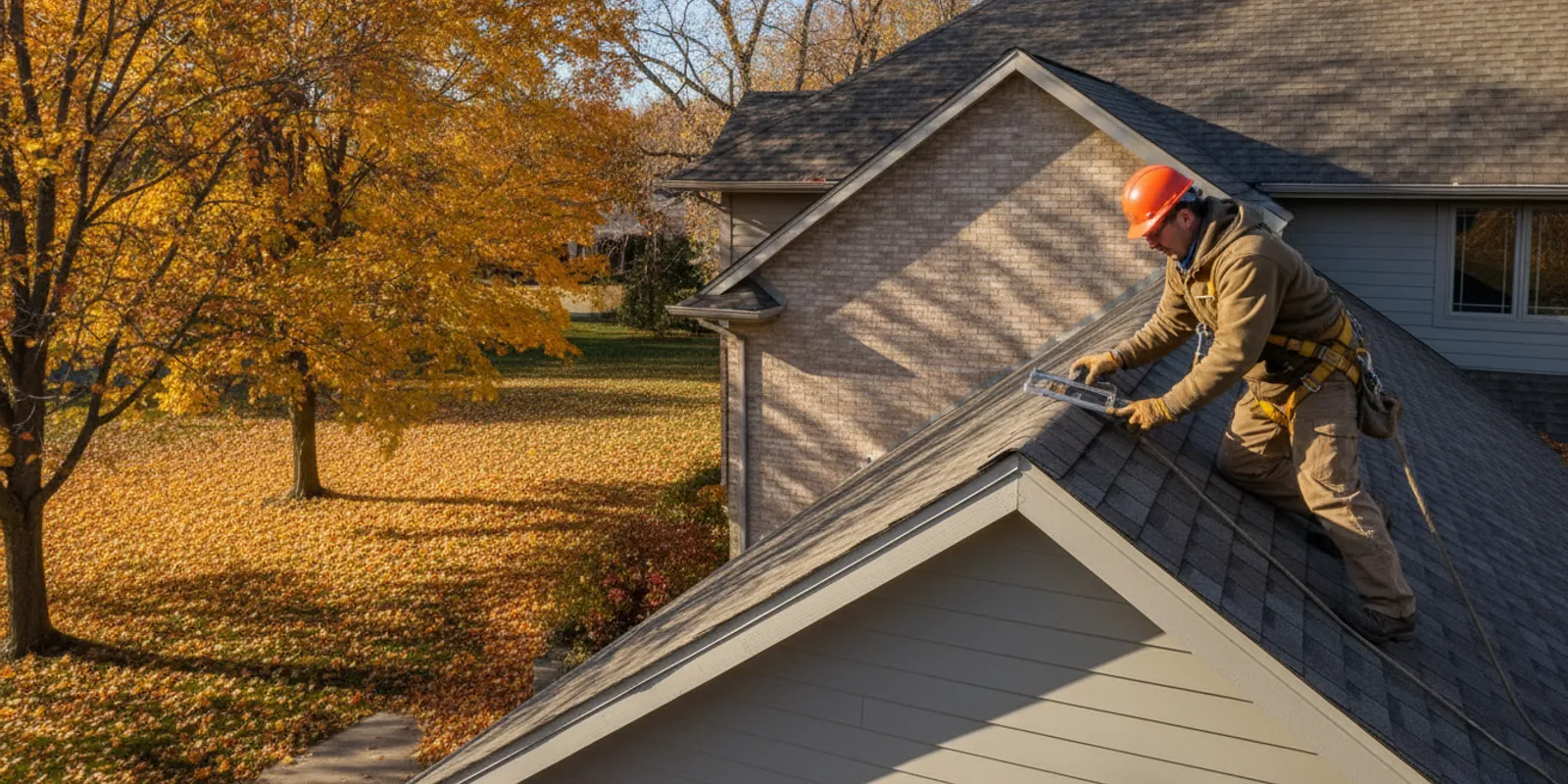
Short answer: Make a safe visual check in spring and fall, and check again after damaging weather. A roof that is aging, has a known issue, or shows new signs of trouble may need attention sooner. Do not climb onto a wet, icy, steep, or otherwise unsafe roof to inspect it.
This guide explains how to set a reasonable review rhythm, what to look for without walking on the roof, and when a professional review may help. It also explains what information to gather so the next conversation is focused and useful.
On this page
How often should you schedule a roof inspection in Minnesota?
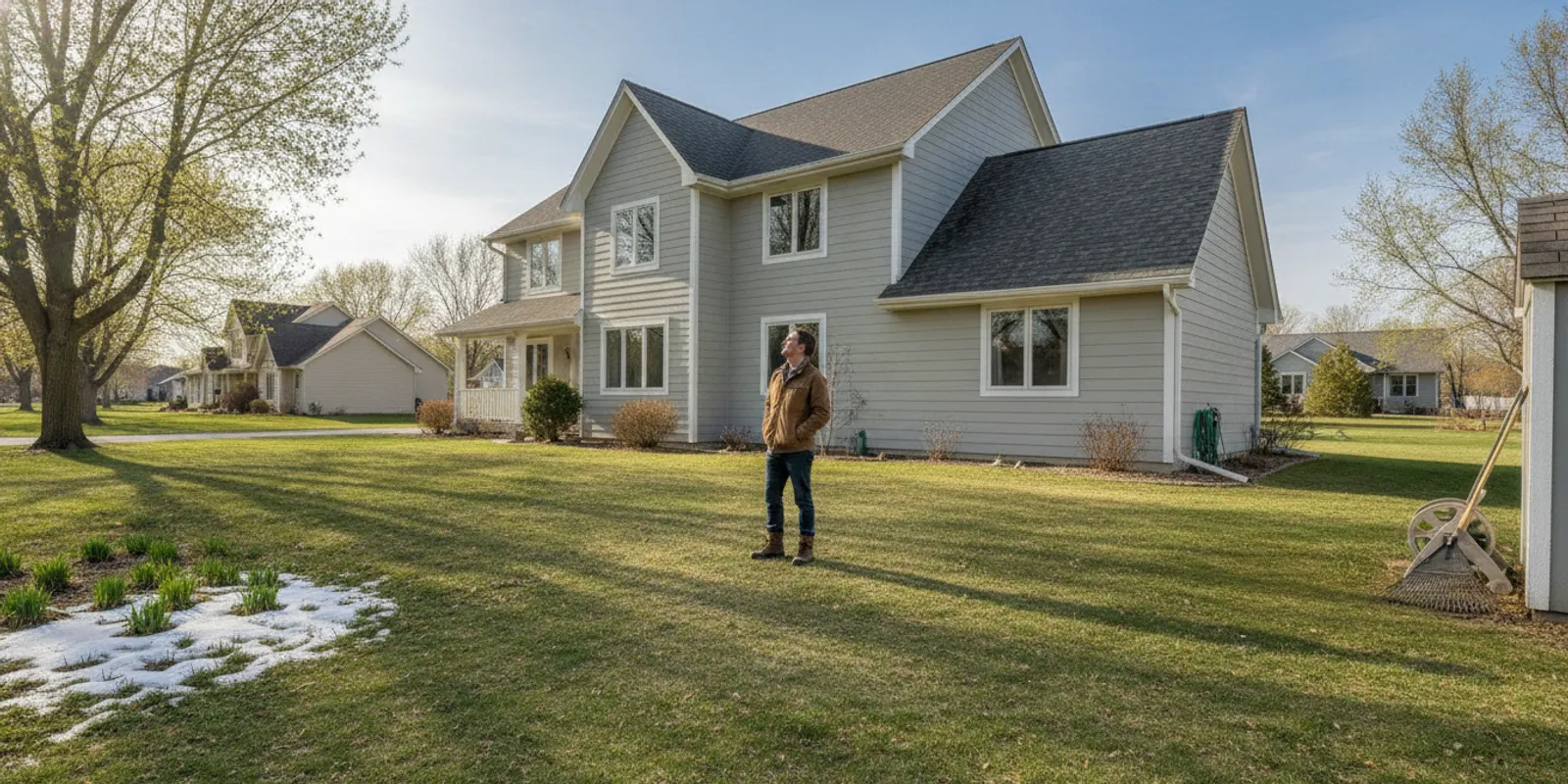
For many homeowners, a useful routine is a brief visual check from the ground in spring and fall, plus an additional look after a storm that may have affected the property. Seasonal checks help you notice changes over time. They do not mean you need a contractor visit twice every year. A professional review is more useful when there is a reason to look closer, such as visible damage, a leak, a roof approaching the end of its expected service life, or uncertainty about a prior repair.
Keep the distinction clear: a ground-level check is observation, not a full roof inspection. It can help you spot a concern and decide what to do next, but it cannot reliably confirm the condition of every shingle, flashing joint, valley, or roof penetration. If you cannot see an area safely, leave it to a qualified professional.
There is no single calendar interval that fits every roof. Two homes on the same block can have different roof materials, installation histories, slopes, ventilation, tree exposure, and repair records. Use a repeatable seasonal routine as a reminder to notice changes, then base any closer review on the roof’s condition and the situation.
It can help to think of the seasonal check as a quick comparison rather than a pass-or-fail test. Ask what looks different from your last safe observation. A branch that now rests against the roof edge, a gutter that has shifted, or a new stain indoors is a useful reason to investigate further. If nothing appears to have changed, record that observation and continue with your ordinary maintenance routine. The goal is not to certify the roof yourself; it is to spot a change early enough to ask a focused question.
If you are already seeing a leak or damage, do not wait for the next seasonal check. Review the company’s guidance on roof repair in Minnesota and record what you can see from a safe location. For a general roofing-industry resource, you can also consult the National Roofing Contractors Association; use advice in the context of your own roof and local conditions.
What changes the inspection schedule?
Think of inspection timing as responsive rather than automatic. These factors can make an earlier professional review sensible:
- Age and known condition:
If you know the roof is older, has been repaired before, or has a documented concern, do not rely only on a twice-yearly visual check. Ask what follow-up timing makes sense for the particular system and repair.
- Recent severe weather:
Hail, strong wind, heavy snow, or falling branches can create damage that is not obvious from inside the home. Check from the ground once conditions are safe. If you suspect storm damage, consider a closer review rather than waiting for the next season.
- Water inside the home:
A ceiling stain, damp area, or active drip calls for prompt attention. The stain’s location may not identify where water entered, so avoid assuming that a visible interior mark pinpoints the roof problem.
- Changes around the roof:
A missing-looking shingle, lifted or uneven area, damaged flashing, debris buildup, or a gutter that has pulled away can be a reason to ask for an assessment.
- Work on the roof or nearby structures:
If equipment, branches, or other work may have contacted the roof, make a note and look for visible changes from a safe place.
- Unclear maintenance history:
If you recently moved in or do not know when the roof was last reviewed, start by gathering any available records and arranging a conversation about the roof’s condition.
These are reasons to seek more information, not proof that a roof needs replacement. A repair may be appropriate for a localized concern, while a broader review may be needed if issues are widespread. Minnesota Roofing Company provides storm-damage roofing services and can help property owners understand the next step for a roof concern.
Use a simple seasonal reminder
A recurring reminder can make the routine easier to follow without turning it into an unnecessary service appointment. In spring, make a ground-level observation after snow and ice have cleared and the area is safe. Look for obvious changes that may have appeared over winter, then check interior ceilings and upper walls for new marks. In fall, take another look before winter weather arrives. Note visible debris, branches, gutter changes, and any signs that a previous concern has changed. You are recording what you can observe, not trying to complete repairs from a ladder.
After a storm, the timing is event-based: wait for safe conditions, then check for visible changes instead of waiting until the next spring or fall reminder. If the roof has a known issue, or if your last review identified follow-up work, use the recommended timing for that specific condition. Keep that advice with your records so a general seasonal reminder does not replace a more relevant follow-up date.
What can you check safely from the ground?
Choose a dry day with good light. Stand back far enough to view each roof slope without entering a hazardous area, and use binoculars only if you can do so comfortably and safely. Do not climb a ladder, walk on shingles, or reach over an edge just to get a closer look. If the view is blocked or you are unsure, record that limitation instead of taking a risk.
Look for changes rather than trying to diagnose a specific failure. Note areas that appear uneven, displaced, or different from the rest of the roof. Check visible roof edges and valleys for debris or changes, and look at the ground for pieces that may have fallen. From indoors, note water marks on ceilings or walls and whether they change after rain. Do not poke, cut, or remove material to investigate.
Gutters and downspouts can provide context, although a problem there does not automatically mean the roof is damaged. From the ground, look for sections that appear loose, bent, or obstructed and for water marks on exterior walls. The company’s pages on gutters and ice dams and winter roof concerns offer additional context for related exterior issues.
Keep notes simple: date, weather event if relevant, the side of the house, what you observed, and whether the issue appears to be changing. Take photos from the ground if you can do so safely. A short record helps you describe the concern clearly without trying to determine its cause on your own.
What should you record at each check?
Use the same basic notes each time so observations are easier to compare. Write down the date and whether the check followed a seasonal change, a storm, or a repair. Identify the side of the house or the visible roof section rather than using a vague description such as “near the back.” If you notice a mark inside, identify the room and whether it is on the ceiling, wall, or near a window. A phone photo from a safe location can supplement the note, but it should not replace a written description of when you took it.
Keep older photos and repair information together if convenient. If the roof appears different in a later photo, the earlier image may help explain what changed. Be careful not to treat a change in lighting, camera angle, or seasonal shadows as proof of a roofing problem. Instead, use the record to ask a more precise question during a review: “This area looked different after the wind last week; can you check it?” That is more useful than trying to label the cause yourself.
What should you do after a storm?
Wait until the weather has passed and the area is safe. Do not inspect during lightning, high winds, or icy conditions. From the ground, check for obvious changes to the roofline, exterior, and nearby trees. Indoors, look for new water marks or drips. If water is entering the home, protect belongings only when it is safe to do so and contact an appropriate roofing professional for guidance.
Document observations without altering the roof. Record the date, where you noticed the issue, and any interior signs. Photograph visible conditions from a safe location. Avoid making a conclusion about the cause based only on one mark, and do not remove shingles or debris from a roof yourself.
Storm-related concerns may not be visible from the ground. If you suspect damage or the roof has changed after severe weather, arrange a closer review. Read more about how to identify possible hail damage and when to consider an insurance conversation. A roofing review can document visible conditions; coverage decisions are made by the insurer under the policy, and no inspection can promise a claim outcome.
Separate urgent symptoms from routine observations
An active leak, water near electrical equipment, or a ceiling that appears to be sagging is not simply a note for the next seasonal check. Keep away from unsafe areas, protect people first, and seek appropriate help promptly. Do not climb into an attic or onto the roof if access is unsafe. If there is no active water and you only notice a possible exterior change, make a record and arrange advice based on what you observed. This distinction helps you respond proportionately: urgent symptoms need prompt attention, while uncertain visual changes can be discussed without treating every mark as an emergency.
How does roof type affect a review?
The same visual checklist does not apply equally to every material or building. The appropriate review depends on the roof system, its details, and what can be seen safely. A professional can explain which components matter for the specific roof rather than using a one-size-fits-all checklist.
- Asphalt shingles:
From the ground, look for areas that appear uneven, displaced, or visibly different from nearby sections. Do not interpret a color change alone as proof of damage.
- Metal roofing:
Look for visible changes in the panels, edges, and roofline. Do not climb onto metal; surfaces may be slippery, and seams or fasteners require an informed review.
- Flat and low-slope roofs:
Many details are difficult to assess from ground level. Building owners should note interior signs of water and any known maintenance concerns, then request a suitable review when needed.
For a closer look at system differences, see the company’s overviews of shingle roofs, metal roofs, and flat roofs. These pages can help you identify the system you have, but they do not replace an evaluation of its current condition.
Commercial property managers may need a review routine that accounts for the building’s roof system, access controls, maintenance records, and any operational needs. Minnesota Roofing Company also works with commercial roofing systems; learn more about its commercial roofing services. A property-specific maintenance plan should reflect the actual roof and building, not a residential calendar applied without adjustment.
What should a property manager keep on file?
For a commercial building, keep roof-related observations with the property’s maintenance records. Note the date of a reported leak, the affected room or area, whether business operations were affected, and any steps taken to protect people or equipment. Include available information about prior repairs and the roof system, but do not assume that a property manager must identify the technical cause. A clear record lets the roofing professional understand the history and helps the manager track whether a concern has returned.
Where access is controlled, identify who can arrange entry and whether a review requires coordination with tenants or building staff. Do not grant unsafe or unauthorized roof access just to speed up a visual check. The review plan should account for the building’s access rules and the areas that can actually be assessed. This is especially useful for large or low-slope roofs, where a ground view may reveal little about the roof surface.
How can you prepare for a roofing review?
A few details can make a roof conversation more productive. Before contacting a contractor, gather what you already know; do not delay urgent help to collect paperwork.
- Describe the reason for the review.
Say whether you noticed a leak, saw a change from the ground, experienced recent severe weather, or simply do not know the roof’s condition.
- Write down when and where.
Note the date you first saw the concern, which side or room is involved, and whether it changed after rain or wind.
- Collect available records.
If you have prior repair notes, installation documents, photos, or warranty information, keep them handy. Do not assume that a missing document means a problem exists.
- Share roof-system details if known.
Mention the material, approximate age if documented, and any known work. It is fine to say you are unsure.
- Ask what the review includes.
Confirm what areas can be evaluated, how observations will be explained, and whether any next step is being recommended. Ask for clear distinctions between visible findings and items that could not be assessed.
- Discuss repair versus replacement only after findings.
A review should explain the observed condition and options. If replacement is raised, ask what specific findings support that recommendation and whether repair is also a reasonable option.
Use the findings to decide on a next step, not to assume that every concern calls for a full roof replacement. If replacement is recommended, review the company’s information about roof replacement in Minnesota and ask how the findings relate to your roof. For an estimate-related conversation, the company offers a Fast + Free Instant Estimate; confirm what information the estimate covers and what additional review, if any, is appropriate.
Questions to ask when you receive the findings
Ask the reviewer to explain what was observed, where it was found, and what could not be assessed. If a concern is described as widespread, ask which areas show it and how that conclusion was reached. If the recommendation is a repair, ask what the repair is intended to address and whether follow-up observation is suggested. If replacement is proposed, ask which findings make a repair inadequate or less suitable. These questions help you understand the reasoning without assuming that one option is right for every roof.
It is also reasonable to ask what action is time-sensitive and what can be scheduled later. A clear explanation should distinguish an active leak or immediate safety concern from a condition that can be monitored or addressed through planned work. If you are comparing options, keep the same notes and findings in front of you so each conversation starts with the same information.
How do the review options compare?
Use the table as a decision aid, not as a substitute for safety judgment. The right choice depends on what you observed and whether there is an urgent concern.
Option | Useful when | What it can tell you | Important limit |
Ground-level visual check | Seasonal routine or a safe first look after weather | May help you notice visible changes and record where they are | Cannot confirm the full condition of roof materials or hidden details |
Interior observation | You notice a stain, damp area, or drip inside | Helps document where and when a symptom appears | The visible mark may not show where water entered |
Professional roof review | You suspect damage, see a change, have a leak, or need clarity | Can provide a closer evaluation and explain observed conditions | Scope depends on access, roof type, weather, and the review performed |
Repair or replacement consultation | A review identifies a concern that may need work | Helps clarify possible next steps for the specific roof | Recommendations should be tied to findings; no general schedule determines the answer |
The options are not necessarily competing choices. A homeowner might make a ground-level observation, record an interior stain, and then ask for a professional review because the evidence is incomplete. A property manager might start with maintenance records and a report from the tenant before arranging access. The important question is what information is missing and whether the next step can safely provide it.
If the roof is actively leaking or a storm may have caused damage, do not wait for a routine spring or fall check. For a non-urgent concern, use your notes and photos to explain what changed, then ask what kind of review is appropriate. Minnesota homeowners can also explore the company’s residential roofing services when deciding where to start.
In short, use spring and fall as reminders for safe visual checks, and reassess after weather or whenever something changes. The purpose is to notice concerns early and get the right level of review, not to follow a fixed calendar regardless of roof condition.
Frequently asked questions
Is a roof inspection needed every year in Minnesota?
There is no single annual rule that fits every roof. A safe ground-level check in spring and fall is a practical way to notice changes, while a professional review is most useful when the roof’s age, visible condition, a leak, or recent weather gives you a reason to look closer.
Should I inspect my roof after hail or strong wind?
Once conditions are safe, look from the ground for visible changes and record anything concerning. A ground check cannot confirm hidden or hard-to-see damage. If you suspect damage, notice a leak, or are unsure what changed, ask for a closer review rather than climbing onto the roof.
Can I inspect the roof myself?
You can observe what is visible from the ground and from inside the home, but do not walk on the roof or climb in unsafe conditions. A visual check is not a full evaluation. Leave areas you cannot see safely to a qualified professional.
Does a roof inspection mean I need a replacement?
No. An inspection or review is intended to clarify observed conditions and possible next steps. Depending on the findings, a repair, further monitoring, or another action may be appropriate. Ask what evidence supports any recommendation and whether alternatives are available.
What should I do if I notice a leak before the next check?
Do not wait for the next seasonal review. Note where and when you see water, protect belongings only if it is safe, and contact a roofing professional to discuss the concern. Avoid climbing onto the roof or trying to diagnose the entry point yourself.
A consistent, safe check helps you notice changes, but the right inspection timing depends on your roof and what is happening at your home or building. When something looks different or water appears inside, take notes and seek a closer review instead of waiting for the calendar.

Comments