
Your Guide to a Siding Replacement Estimate
Getting quotes for a major home project can feel overwhelming, especially when every number looks different. Our goal is to give you the knowledge to confidently read any siding replacement estimate and make an informed decision for your home. A quality estimate is transparent, breaking down everything from the cost of materials and labor to permit fees and debris disposal. By understanding these components, you can accurately compare bids from different contractors and identify the best value, not just the lowest price. This guide will equip you with the right questions to ask and the key details to look for, putting you in control of your project.
Key Takeaways
- Understand the full scope of your estimate
: A complete siding quote includes more than just materials; it also covers labor, removal and disposal of old siding, permit fees, and potential repairs for hidden damage.
- Choose materials based on performance, not just price
: Your siding choice impacts your home's long-term value, so consider how factors like durability, maintenance needs, and suitability for Minnesota's climate will affect your total cost over time.
- Compare contractors, not just prices
: Getting at least three itemized bids allows you to evaluate each company's professionalism, licensing, and warranties, helping you find a trustworthy partner who offers the best value.
How Much Does Siding Replacement Cost?
Figuring out the budget for new siding is often the first step for homeowners, and it’s a big one. Replacing your siding is a major investment that not only transforms your home's curb appeal but also protects it from the elements. While the final price tag can vary quite a bit, understanding the key components of a siding estimate will help you plan your project with confidence. Let's break down what you can expect to see in a quote and what factors drive the cost.
A Look at Costs by Home Size
To give you a starting point, let's look at a common house size. For an average 2,000-square-foot home, the cost to replace siding can range from $12,000 to over $30,000. This is a wide range because the final price depends heavily on the materials you choose and the complexity of your home’s design. On average, you might see costs around $8 to $9 per square foot. Keep in mind that these numbers are just estimates. The best way to get a clear picture of the cost for your specific home is to get a detailed quote from a professional contractor who can assess your property in person.
What's Included in a Siding Estimate?
A siding estimate covers much more than just the siding panels themselves. The total cost is a combination of several key factors, including the materials, your home's location, and its specific size and shape. A huge part of the cost is labor. While it might be tempting to find ways to cut this expense, paying for an experienced crew is an investment in quality. Professional siding services ensure the job is done right with specialized tools and expertise, preventing costly issues down the road. A good quote will break down these costs for you, so you know exactly what you’re paying for.
Understanding the "Waste Factor
When you look at a siding estimate, you might see a line item for extra material, often called a "waste factor." This is completely normal and a sign of a thorough contractor. A standard waste factor is around 10%. This extra material isn't actually wasted; it's used for the cuts needed to fit siding perfectly around windows, doors, and angled rooflines. Planning for this ensures your project isn't delayed by a shortage of materials. It also guarantees that all your siding comes from the same batch, so the color is perfectly consistent across your entire home.
A Breakdown of Siding Materials and Costs
Choosing the right siding for your home is a big decision, and it’s one of the most significant factors that will shape your final replacement estimate. The material you select determines not only the look of your home but also its durability, maintenance needs, and long-term performance against Minnesota’s tough weather. Think of it as balancing your budget with your aesthetic goals and the level of upkeep you’re willing to commit to down the road.
From budget-friendly vinyl to premium wood, each option has a distinct price point and set of benefits. Understanding these differences is the first step toward creating a realistic budget and making a choice you’ll be happy with for years to come. As you explore these options, remember that the cost per square foot usually includes both the material and professional installation. Let’s walk through the most common siding services and what you can expect from each.
Vinyl Siding
Vinyl is one of the most popular siding materials, largely because it’s often the most budget-friendly option. With an installed cost typically between $4.50 and $8.20 per square foot, it offers a clean look without a hefty price tag. Vinyl siding comes in a huge variety of colors and styles, including some that mimic the appearance of wood grain. It’s also very low maintenance, as it never needs to be painted and can be cleaned easily with soap and water. For homeowners looking for a straightforward and cost-effective update, vinyl is an excellent starting point.
Fiber Cement Siding
If durability is at the top of your list, fiber cement siding is a fantastic choice. Brands like James Hardie have made this material a go-to for homeowners who want something that will last. It costs between $4.70 and $8.50 per square foot installed. Made from a mix of cement, sand, and cellulose fibers, it’s incredibly resistant to fire, insects, and the kind of rot that can plague other materials. Fiber cement can last for over 50 years with proper care, making it a smart long-term investment that holds up beautifully against harsh weather.
Engineered Wood Siding
Engineered wood is a smart middle-ground option for homeowners who want the warmth of wood without the ongoing upkeep. Unlike natural wood, it's manufactured by compressing wood strands with resins, making it significantly more resistant to moisture, rot, pests, and impact damage — a meaningful advantage during Minnesota's hail seasons. It holds its shape better through the state's dramatic freeze-thaw cycles as well. Installed costs typically range from $3.00 to $12.00 per square foot, making it more accessible than natural wood at the higher end of the price spectrum. If you're comparing engineered wood against other materials, our vinyl siding installation guide is a helpful reference for understanding how performance and cost stack up across your options.
Wood Siding
There’s no denying the classic, timeless appeal of natural wood siding. It offers a rich, warm aesthetic that can significantly enhance your home’s curb appeal. However, this premium look comes with a higher price, generally ranging from $6.90 to $13.90 per square foot. While its beauty is unmatched, wood siding requires the most maintenance. To protect it from moisture, pests, and rot, it needs to be regularly painted or stained every few years. If you love the look and are prepared for the upkeep, wood can be a stunning choice for your home.
Metal and Aluminum Siding
Metal and aluminum siding are durable, low-maintenance options that are also quite affordable, often ranging from $2 to $5 per square foot. This type of siding is a practical workhorse; it won’t rot, is impervious to insects, and stands up well to the elements. While it was once known for a more industrial look, modern metal siding comes in various styles and finishes that can suit different home designs. It’s a great choice for homeowners who want a long-lasting, fire-resistant material that they won’t have to worry about for years to come.
Stucco Siding
Stucco provides a unique, seamless, and textured finish that works well on a variety of home styles. It’s known for being a great insulator and highly fire-resistant. However, it is one of the more expensive materials, with installation costs typically falling between $9.30 and $16.90 per square foot. In some cases, complex jobs can cost even more. While it’s often associated with warmer climates, modern stucco application techniques make it a viable option in Minnesota, as long as it’s installed by experienced professionals who understand how to manage moisture in our climate.
Comparing Siding: Durability and Maintenance
Choosing new siding is about more than just color and style. You’re also picking a material that will protect your home for decades to come. The durability of your siding and the maintenance it requires will have a big impact on your home's long-term value and your weekend to-do list. Let's look at how different materials stack up in terms of lifespan, upkeep, and suitability for our Minnesota weather. This will help you find the perfect balance between performance and price for your home.
How Long Does Each Siding Type Last?
When you invest in new siding, you want it to last. The lifespan varies quite a bit between materials. Vinyl siding is a popular choice, typically lasting between 20 and 40 years. If you’re looking for something with even more staying power, fiber cement siding is an incredibly durable option that can protect your home for up to 50 years. Traditional wood siding offers a classic look and can last 20 to 40 years, but only if it's consistently maintained. For those seeking a true long-term solution, materials like brick or stone can last well over 50 years with very little upkeep.
Maintenance Needs and Long-Term Costs
The upfront cost of siding is only part of the story. Long-term maintenance is a crucial factor that affects the overall cost and effort required over the years. Vinyl siding is a favorite for its low-maintenance needs, usually just requiring a simple cleaning. Fiber cement, while stronger and more fire-resistant, may need a fresh coat of paint every 10 to 15 years to keep it looking sharp. Wood siding demands the most attention, needing regular painting or sealing to prevent rot and damage. It's important to remember that no matter the material, proper installation is key. Our professional siding services ensure your siding is installed correctly so it reaches its maximum expected lifespan.
What Siding Works Best for Minnesota Weather?
Living in Minnesota means dealing with some serious weather extremes, from frigid winters to hot, humid summers. Your siding needs to be tough enough to handle it all. Fiber cement siding is an outstanding choice for our climate because it resists rot, insects, and warping from temperature swings, potentially lasting 50 years or more. While vinyl is a common and affordable option, it can become brittle and crack in the deep cold. Stucco is another durable material that stands up well to the elements and offers good energy efficiency. Choosing a material that is proven to perform in our region ensures your home stays protected and beautiful, no matter what the Minnesota sky throws at it.
What Factors Influence Your Siding Estimate?
When you get a siding estimate, you'll notice it's more than just the cost of the materials. Several key factors come together to form the final number. Understanding these variables helps you read your quote with confidence and see where your money is going. From the shape of your house to the time of year, let's break down what really influences the cost of your siding project.
Your Home's Size and Layout
It’s easy to think your home’s interior square footage determines the siding cost, but it’s the exterior that counts. The total square footage of your outside walls, along with the complexity of your home's architecture, are the real drivers. A multi-story house with lots of corners, gables, and windows requires more intricate cuts and detailed labor than a simple, single-story rectangular home. For example, a typical 2,000-square-foot house might cost around $17,200 for new siding, but that number can change significantly based on your home's unique design and layout.
Removing and Disposing of Old Siding
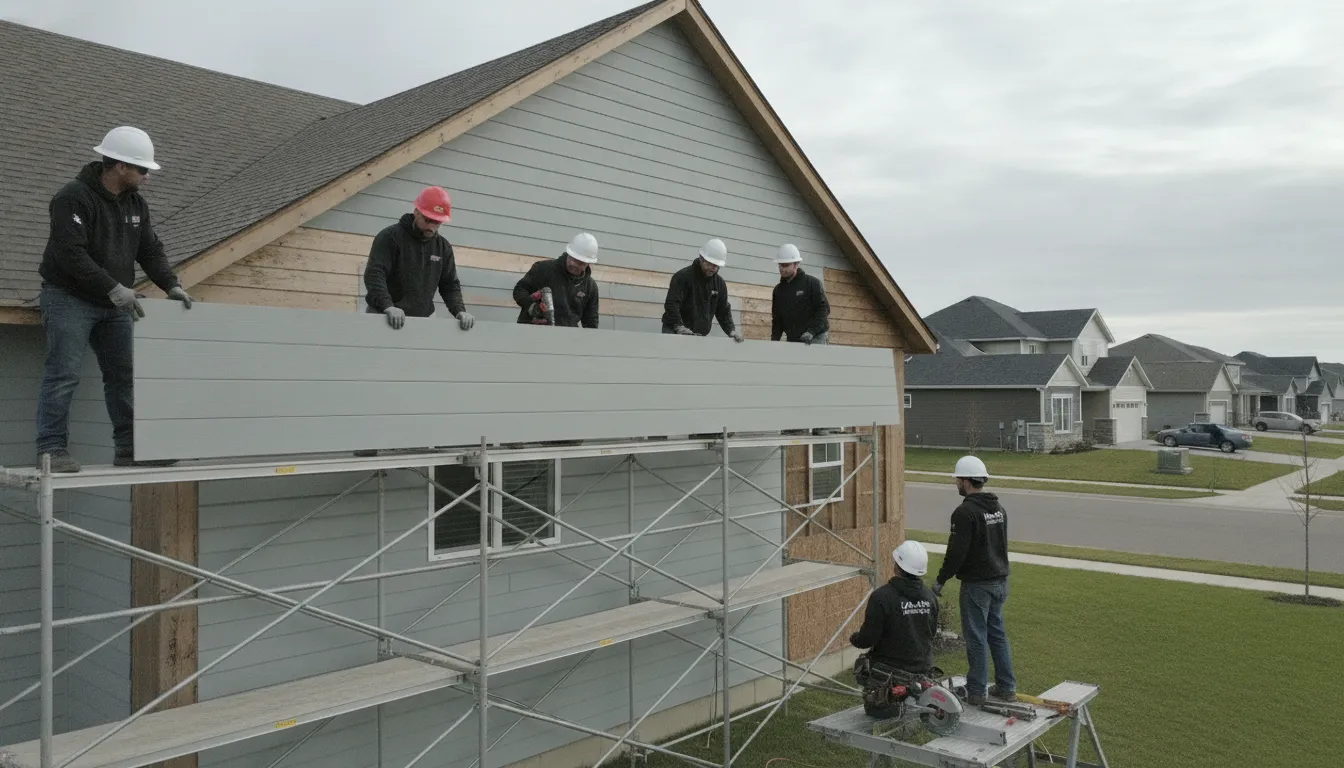
Before the beautiful new siding goes on, the old siding often has to come off. This step is a crucial part of your estimate. The cost includes the labor to carefully remove the existing material and the fees for its proper disposal. If your home has multiple layers of old siding from previous projects, the removal process becomes more intensive and will increase the overall cost. A professional contractor will factor this into your quote, ensuring there are no surprises. Our team handles the entire process, from removal to the final installation of your new siding.
Dealing with Hidden Damage (Rot, Mold, Pests)
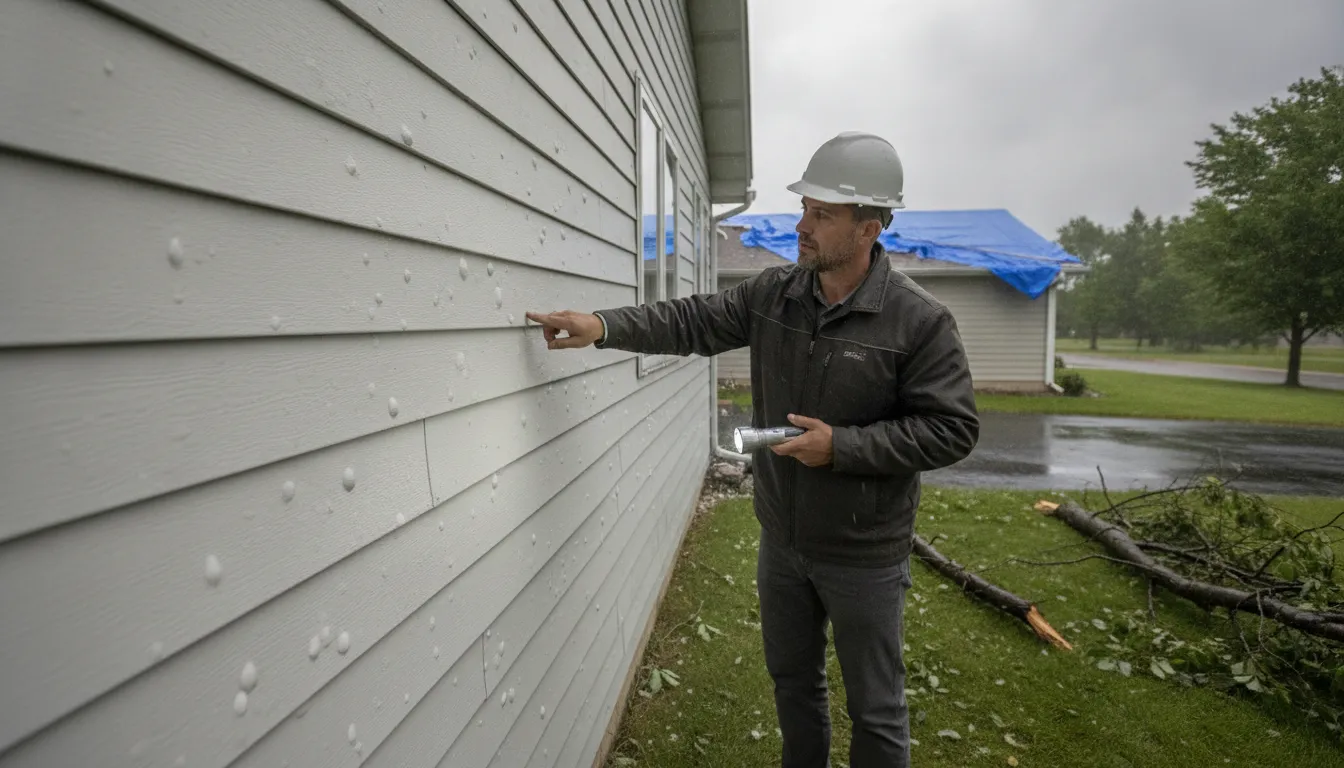
Sometimes, the real issues are hiding underneath the surface. Once the old siding is removed, it’s possible to uncover problems like wood rot, mold, or even pest infestations. These issues are often caused by water seeping behind the siding over time. Addressing this hidden damage is critical for the long-term health of your home and the proper installation of your new siding. While it adds to the initial cost, making these repairs is a necessary investment. This is especially common after severe weather, which is why a thorough storm damage inspection is so important.
Labor Rates, Location, and Timing
Labor is a significant component of any siding estimate, typically ranging from $2 to $12 per square foot. These rates can vary based on your location and the contractor's experience. The time of year also plays a role. In Minnesota, contractors are busiest in the late spring and summer, which can sometimes lead to higher prices. Scheduling your project during the slower fall or early winter months might offer some flexibility in cost. As a family-owned company with over 30 years of experience, we pride ourselves on fair, transparent pricing no matter the season.
Factoring in Permits and Building Codes
To ensure your siding project is done correctly and safely, it almost always requires a permit from your local municipality. Permit fees can range from $50 to $500 and ensure that the work meets local building codes. These regulations are in place to protect you and ensure the structural integrity of your home. A reputable contractor will handle the permitting process for you, but it’s always a good idea to confirm what’s needed with your local planning office. This step guarantees your project is compliant and avoids any potential fines or issues down the road.
What Siding Styles Are Trending?
Choosing new siding is one of the most impactful updates you can make to your home’s exterior. It’s about more than just protection from Minnesota’s weather; it’s your chance to define your home’s character and curb appeal. Today’s siding trends are all about finding the perfect balance between beautiful design, long-term performance, and smart, sustainable choices. From materials that practically take care of themselves to colors that make a statement, let’s look at what’s popular right now and find the right fit for your home.
The Rise of Low-Maintenance Materials
Let’s be honest, most of us would rather spend our weekends enjoying our homes than maintaining them. That’s why low-maintenance materials are more popular than ever. Options like vinyl siding are a favorite because they resist fading, cracking, and peeling, so you can say goodbye to the endless cycle of scraping and painting. According to a report from the National Association of Realtors, homeowners really value the long-term cost savings that come with these durable options. Investing in quality, low-maintenance siding services means you get a beautiful exterior that stays looking great for years with minimal effort. It’s a practical choice that gives you back your time and peace of mind.
Choosing Energy-Efficient and Insulated Siding
Your siding can do more than just look good; it can also make your home more comfortable and help lower your energy bills. This is especially important with our cold winters and warm summers. The U.S. Department of Energy highlights that insulated siding acts like a blanket for your home, reducing heat loss and keeping the indoor temperature more stable year-round. This added layer of insulation can lead to noticeable savings on your heating and cooling costs. Think of it as an investment that not only enhances your home's appearance but also improves its energy performance, making it a smarter and more comfortable place to live.
Popular Colors, Textures, and Styles
This is where you can really let your personality shine. Homeowners are moving away from basic neutrals and embracing colors that reflect their personal style. Earthy tones like deep blues, warm grays, and soft greens are trending because they connect the home to its natural surroundings. Texture is also playing a huge role in adding character. Finishes that mimic the look of natural wood grain or stone give your exterior depth and a custom feel without the high maintenance. These trends are driven by homeowners' preferences for unique designs that stand out. A fresh color and texture can completely transform your home’s curb appeal.
Eco-Friendly Siding Options
For many homeowners, making sustainable choices is a top priority. The good news is that you don’t have to sacrifice style or durability to be environmentally conscious. Sustainable siding options like fiber cement, which is made from sustainable resources, are becoming increasingly popular. These materials are known for their incredible durability and versatility, offering a wide range of styles and colors. Choosing an eco-friendly material means you’re investing in a product that not only looks great and lasts for decades but also has a smaller environmental footprint. It’s a choice you can feel good about for years to come.
Common Budgeting Mistakes to Avoid
Creating a budget for a siding replacement project feels like a big task, but you can set yourself up for success by sidestepping a few common errors. A thoughtful budget not only prepares you financially but also ensures you get the quality and longevity you expect from your investment. Let’s walk through the most frequent budgeting mistakes homeowners make and how you can steer clear of them.
Overlooking Hidden and Additional Costs
When you start budgeting, it’s easy to focus only on the price of the siding material itself. However, several other expenses are part of a full replacement project. Costs for things like permits, fasteners, delivery, removing the old siding, and waste disposal can add up quickly. Forgetting to include these items can lead to an unpleasant surprise when the final bill arrives. A professional quote for siding services should always be itemized, so you can see exactly where your money is going beyond just the materials.
Why the Lowest Bid Isn't Always the Best
It’s always tempting to go with the lowest quote, but this can be a risky move for a project as important as your home’s exterior. An unusually low bid might indicate that a contractor is cutting corners, using subpar materials, or hiring inexperienced labor. Quality installation is critical for protecting your home from moisture, which can lead to leaks and mold. Investing in a reputable contractor with a proven track record is one of the smartest ways to protect your home and avoid costly repairs down the road.
The Pitfall of Inaccurate Measurements
Here’s a detail that often trips people up: the interior square footage of your home is not the same as the exterior surface area that needs siding. The cost of your project is based on the total square footage of your exterior walls, not your home's living space. A two-story house, for example, will have significantly more wall area than a single-story home with the same square footage. Relying on your home's listed size for a DIY estimate will likely lead to an inaccurate budget. This is why getting a professional measurement is a key first step toward an accurate quote.
Common Siding Estimate Myths, Busted
A few persistent myths can make the estimating process more confusing than it needs to be. Here's the truth behind the most common ones.
Myth: Your interior square footage determines the cost. The number on your real estate listing isn't what contractors use. Your estimate is based on the actual exterior wall surface area — a two-story home, for example, has significantly more exterior square footage than a single-story home with the same listed size.
Myth: All siding materials cost the same. Material choice is the single biggest driver of your final estimate. Vinyl is the most budget-friendly, while fiber cement, engineered wood, and stone come at meaningfully higher price points — each with their own long-term value trade-offs.
Myth: DIY always saves money. Siding installation requires specialized tools, precise weatherproofing techniques, and experience. A small installation error can lead to moisture intrusion, drafts, or premature failure — often costing more to fix than professional installation would have cost in the first place. Learn more about what can go wrong without expert installation in our siding repair costs guide, or see how storm damage can compound siding issues that were improperly installed.
How to Get an Accurate Siding Replacement Estimate
Getting a clear and accurate estimate for your siding replacement is the best way to budget effectively and avoid any unwelcome surprises. While a professional contractor will give you the final numbers, doing a little homework yourself can help you understand the quotes you receive and feel confident in your decisions. Taking these steps will put you in a great position to have a smooth and successful project from start to finish.
Correctly Measure Your Home's Exterior
Before you call a contractor, you can get a rough idea of your project's scale with a tape measure and a calculator. Start by measuring the height and width of each exterior wall, then multiply those numbers to find the square footage of each one. Add them all together for a total. Don't forget to measure your doors and windows and subtract their square footage from your total. Siding is sold in "squares," where one square equals 100 square feet. It’s also smart to add about 10% for a "waste factor" to cover any cuts or mistakes. A good siding calculator can help you check your math.
Request Itemized Quotes from Contractors
When you start receiving quotes, a single bottom-line number isn’t enough. Ask every contractor for an itemized quote that breaks down all the costs. This detailed list should clearly separate the price of the siding materials from the cost of labor. It should also include line items for things like removing and disposing of your old siding, permit fees, and any other charges. This transparency is a hallmark of a professional company and is essential for comparing offers accurately. An itemized quote helps you see exactly what you’re paying for and ensures there are no hidden fees.
Get at Least Three Different Bids
It’s always a good idea to get at least three different bids from reputable local contractors. This isn't just about finding the lowest price; it's about understanding the value each company offers. Comparing multiple quotes allows you to see different approaches to your project, evaluate various material suggestions, and get a feel for each contractor's communication style. This process helps you find a partner you can trust. When you meet with us, we take the time to explain every aspect of your project because we believe an informed homeowner is our best customer. You can learn more about our commitment to transparency by reading about our company.
Account for All Potential Costs
The siding material and labor are the biggest expenses, but they aren't the only ones. A truly accurate budget accounts for all the potential costs that can pop up during a siding replacement. These can include building permits, starter strips for the first course of siding, nails, shutters, and delivery fees. You also need to consider the cost of removing and hauling away the old siding. If a contractor discovers hidden issues like rot or pest damage after removing the old siding, that will require additional work. Discussing these possibilities upfront, including potential storm damage repair, will help you prepare a realistic budget.
How to Compare Contractor Quotes
Once you have a few estimates in hand, the real work begins. It's tempting to just look at the final number, but comparing quotes is about more than just the price. You're looking for the best value and, just as importantly, the right partner for your home. A thorough comparison will help you understand exactly what you’re paying for and give you confidence in your decision. Let's walk through how to break down each estimate so you can compare them like a pro.
Scope of Work and Material Specs
Your quote should be a detailed roadmap, not a vague suggestion. Look for an itemized list that specifies the exact brand, type, and color of the siding materials. It should also clearly define the scope of work, outlining every step from tear-down to cleanup. Since siding projects can vary so much in cost, having these details in writing is crucial. It ensures you and your contractor are on the same page and prevents surprises down the line. A transparent quote for siding services will leave no room for doubt about what’s included.
Licensing, Insurance, and Warranties
This part is non-negotiable. Any contractor you consider must be fully licensed and insured. Ask for proof. Licensing confirms they meet state requirements, while insurance protects you from liability if an accident happens on your property. A contractor's About Us page is a great place to start, as reputable companies are proud to share their credentials. Beyond that, discuss warranties. Most new siding materials come with a manufacturer's warranty, which is great for long-term peace of mind. You should also ask about the contractor's workmanship warranty, which covers the installation itself.
Contractor Experience and Reviews
A quote is only as good as the company behind it. Take some time to research each contractor’s reputation and experience. Look for online reviews, check their website for a portfolio of past projects, and don't hesitate to ask for local references. A contractor who is proud of their work will be happy to share it. Getting at least three different bids allows you to not only compare prices but also get a feel for each company's professionalism and approach. Your goal is to find a team with a proven track record of quality work and happy customers.
Red Flags to Watch For
Be on the lookout for warning signs that could signal future problems. A vague quote with no itemized details is a major red flag. So is a price that is significantly lower than the others, as this can indicate subpar materials or cut corners. Also, be wary of any contractor who uses high-pressure sales tactics or demands a large upfront payment. A professional will also discuss potential hidden costs, like the discovery of rot or pests after the old siding is removed. They should have a clear plan for how to handle unexpected storm damage repair and what it might cost. Transparency is key.
Ways to Reduce Your Siding Replacement Cost
A full siding replacement is one of the bigger investments you'll make in your home. While it's tempting to look for the absolute lowest price, a better approach is to find smart ways to get the best value. With a little planning, you can reduce the overall cost without sacrificing the quality your home deserves. Here are a few practical strategies to consider.
Schedule Your Project During the Off-Season
Most homeowners think about exterior projects when the weather is perfect, which means contractors are busiest during the summer. By planning your siding replacement for the off-season, like late fall or early spring, you might find more flexibility in scheduling and pricing. With demand being lower during these times, you can often secure a better deal on labor costs. It’s a simple bit of strategic timing that can make a real difference in your budget, and it’s a great way to get on a trusted contractor’s schedule before the summer rush begins.
Bundle Siding with Other Exterior Work
If you know your gutters are getting old or your windows could use an update, consider tackling those projects at the same time as your siding. Bundling multiple jobs with one trusted contractor is often more efficient and cost-effective. Since we'll already have the team and equipment on-site for your siding services, adding on another project like gutters or addressing minor roof repairs can be done for a lower overall cost than handling each job separately down the road. This approach also minimizes disruption to your home and life by getting all the work done in one go.
Invest in Quality for Long-Term Savings
It can be tempting to choose the siding material with the lowest price tag, but that can be a costly mistake in the long run. Cheaper options might save you money today, but they often require more maintenance and repairs, and they won't last as long. Investing in high-quality, durable materials from the start means your siding will look great and protect your home for decades. Materials like fiber cement or high-grade vinyl are built to withstand Minnesota's harsh weather, saving you from future headaches and expenses while adding significant value to your home.
Is It Time for New Siding?
Your home’s siding does more than just contribute to its curb appeal; it’s the primary shield protecting your home from Minnesota's harsh weather. But even the best siding doesn’t last forever. So, how do you know when it’s time for an update? Sometimes the signs are glaringly obvious, but other times they’re much more subtle. Taking a slow walk around your property is one of the best ways to assess the health of your siding and spot potential problems before they get worse.
Look for Obvious Signs of Wear and Tear
Start with a simple visual inspection. Do you see any cracks, chips, or holes in the panels? These might seem like small cosmetic issues, but they are actually entry points for moisture, insects, and drafts. Also, look for siding boards that are warped, buckled, or pulling away from the house. This often indicates that water has found its way behind the siding, which can lead to rot and structural damage if left unaddressed. If you notice loose or missing panels, especially after a strong storm, your home is left vulnerable to the elements. Addressing these issues quickly is essential for preventing the need for more extensive storm damage repair.
Check for Hidden Clues and Performance Issues
Not all siding problems are easy to spot from a distance. Have you noticed your heating and cooling bills creeping up? Old or failing siding can lose its insulating properties over time, forcing your HVAC system to work overtime to maintain a comfortable temperature inside. You should also keep an eye out for any signs of moisture, like mold, mildew, or fungus, particularly on the shaded, north-facing side of your home. Peeling paint and interior water stains are also red flags that water is getting in. Sometimes, it really is just about aesthetics. If your siding is severely faded or just looks dated, new siding services can dramatically improve your home's appearance and increase its overall value.
Consider the Age of Your Siding
Even siding that has been meticulously maintained has an expiration date. Different materials have different lifespans; for instance, vinyl siding typically lasts 20 to 40 years, while durable fiber cement can last up to 50 years. If you aren't sure how old your siding is, a professional inspection can help determine its material, current condition, and estimated remaining life. If your siding is approaching the end of its expected lifespan, it’s wise to start planning for a replacement. Being proactive is almost always easier and more cost-effective than reacting to a sudden failure or emergency repair down the road.
Related Articles
Frequently Asked Questions
Why is there such a wide price range for siding replacement? The final cost depends on a few big things. The material you pick is a major factor, with options ranging from affordable vinyl to premium wood. The size and complexity of your home also play a huge part; a multi-story house with lots of angles and windows requires more labor and material than a simple ranch. Finally, labor costs and any necessary repairs for hidden damage under your old siding will influence the total price.
What happens if you find hidden damage like rot after removing the old siding? This is a common concern, and it's something a professional crew is prepared for. If we remove the old siding and find issues like rotted wood or mold, we stop and discuss the situation with you immediately. We'll explain the extent of the damage and provide a clear plan and cost for making the necessary repairs before we proceed. Fixing these underlying problems is essential for ensuring your new siding performs correctly and protects your home for years to come.
Is it a mistake to just choose the cheapest siding option? While it's tempting to focus on the upfront price, the cheapest material isn't always the most cost-effective choice in the long run. Less expensive options might require more frequent maintenance, like painting, and may not last as long, meaning you'll have to replace them sooner. Investing in a higher-quality, more durable material can save you money and time over the life of your home by reducing upkeep and extending the time between replacements.
Besides choosing a less expensive material, are there other ways to make my siding project more affordable? Absolutely. One smart strategy is to schedule your project during the contractor's off-season, which is typically late fall or early spring. You can also save money by bundling your siding replacement with other exterior projects, like new gutters or windows. Since the crew and equipment are already on-site, it's often more affordable to get everything done at once rather than as separate jobs later on.
My siding looks okay, but it's old. Do I really need to replace it? That's a great question. Even siding that looks fine can lose its ability to protect your home as it ages. Materials have a set lifespan, and as they get older, they can become brittle or allow moisture to seep behind them, leading to problems you can't see. It's often smarter and more affordable to plan a replacement proactively instead of waiting for a major failure, like a leak or widespread rot, that requires an emergency repair.

Comments