
James Hardie Board Siding Installation Minnesota Guide
Updated: Sep 15
Choosing siding for a Minnesota home involves more than comparing colors. The installation must account for moisture, winter temperature swings, wind, and the details that help the finished exterior perform for years.
For homeowners researching james hardie board siding installation minnesota, the right approach combines fiber-cement siding with manufacturer-specific spacing, sealing, flashing, and fastening practices. James Hardie board is made from cellulose fiber-reinforced cement, and its wood-inspired appearance can provide durable curb appeal when it is installed correctly. In Minnesota, professional planning matters because freeze-thaw cycles can stress siding and expose weak points around joints, edges, windows, and doors.
This guide explains what the installation process looks like, how the material fits Minnesota's climate, which color and style choices are available, and what affects project cost. You can also explore our professional siding services in Minnesota as you plan the work, beginning with why fiber-cement siding is popular across the Twin Cities.
What Is James Hardie Board and Why Is It Popular in Minnesota?
James Hardie board is a fiber-cement siding product made from cellulose fiber-reinforced cement. In practical terms, it combines a cement-based material with reinforcing cellulose fibers to create an exterior cladding designed to handle exposure to the elements. A U.S. Department of Housing and Urban Development document identifies James Hardie panels as single-faced, cellulose fiber-reinforced cement panels. Read the HUD material description.
That composition is one reason homeowners consider it for Minnesota homes. Siding here must stand up to moisture, freezing temperatures, spring thaw, hail, and strong winds. The siding itself is only one part of the exterior system, however. Flashing, drainage details, trim, fasteners, and clearances all affect how well the finished installation performs.
Durability for Minnesota weather
Fiber cement is a rigid, durable cladding that resists many of the surface problems associated with repeated moisture exposure. Purdue Extension notes that moisture can penetrate paint and contribute to cracking, peeling, discoloration, and premature paint failure, particularly at board edges and ends. That is useful context for Minnesota homeowners: selecting a durable material matters, but protecting exposed edges and following the installation requirements matters just as much. Correct detailing helps the siding manage the movement and moisture that come with seasonal temperature swings.
For homes affected by severe weather, a non-combustible exterior material can also be an important consideration. James Hardie states that its fiber-cement siding is non-combustible and will not ignite when exposed to a direct flame. Review the manufacturer's material information. This does not make a home fireproof, but it does distinguish the siding material from combustible wood and gives homeowners another performance factor to evaluate.
Wood-inspired curb appeal
Hardie siding is popular because homeowners do not have to choose between a durable exterior and an attractive one. The products are designed to offer the warmth and visual character of wood with the durability of fiber cement. Depending on the product and design of the home, homeowners can select profiles and textures that create a traditional lap-siding appearance or a more distinctive exterior look. Color, trim, roofline, and architectural details then work together to shape the final curb appeal.
Choosing a premium material is only the beginning. A qualified contractor should evaluate the existing wall assembly, identify areas where water may enter, and install the siding according to the manufacturer's requirements. Minnesota Roofing Company provides professional siding services for Twin Cities homeowners who want the material choice and installation details considered as one coordinated project. That approach helps protect the home's appearance while supporting long-term performance through Minnesota's changing seasons.
The James Hardie Board Siding Installation Process: What to Expect
A durable siding project depends on more than selecting a premium product. In Minnesota, the installation has to account for moisture, seasonal movement, and the details that keep water from reaching the wall assembly. Minnesota Roofing Company follows manufacturer requirements and a careful installation sequence so your new siding performs through Twin Cities freeze-thaw cycles. Our team brings a 30-year legacy of exterior renovation work to each project, with a focus on clear communication and quality workmanship.
Here is what homeowners can expect when they choose Minnesota Roofing Company for professional siding installation in Minnesota.
- Pre-installation inspection and measurements.
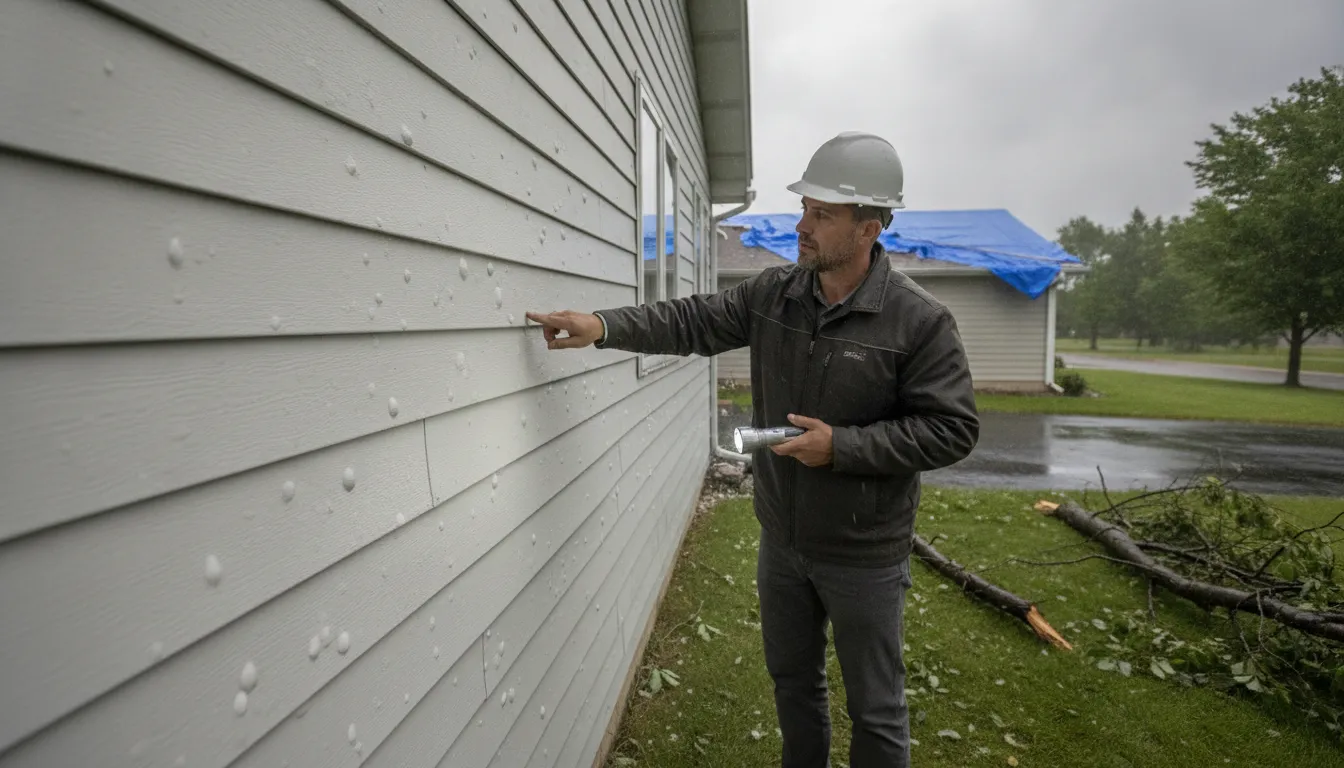
We begin by examining the existing siding, trim, wall surfaces, windows, doors, roof-to-wall transitions, and areas where moisture may have entered. We measure the elevations and openings carefully to develop an accurate material plan. This is also the time to discuss design preferences, vulnerable areas, and any storm-related damage that may affect the scope.
- Wall preparation and weather barrier installation.
Siding performs best when the surface behind it is sound. We remove or address damaged materials, prepare the wall plane, and install or repair the appropriate weather-resistive barrier. Openings and transitions receive special attention because a small gap around a window or door can become a significant moisture pathway during Minnesota rain, snow, and ice.
Panel layout, cutting, and spacing.
We plan the layout before fastening boards so courses remain aligned and the finished appearance is balanced around windows, corners, and rooflines. James Hardie fiber-cement products must be cut and installed according to the manufacturer's requirements. Proper clearances, joints, spacing, and sealing are critical to managing moisture and long-term movement. The
James Hardie installation requirements
emphasize following those specifications for product performance and warranty coverage.
- Fastening each course correctly.
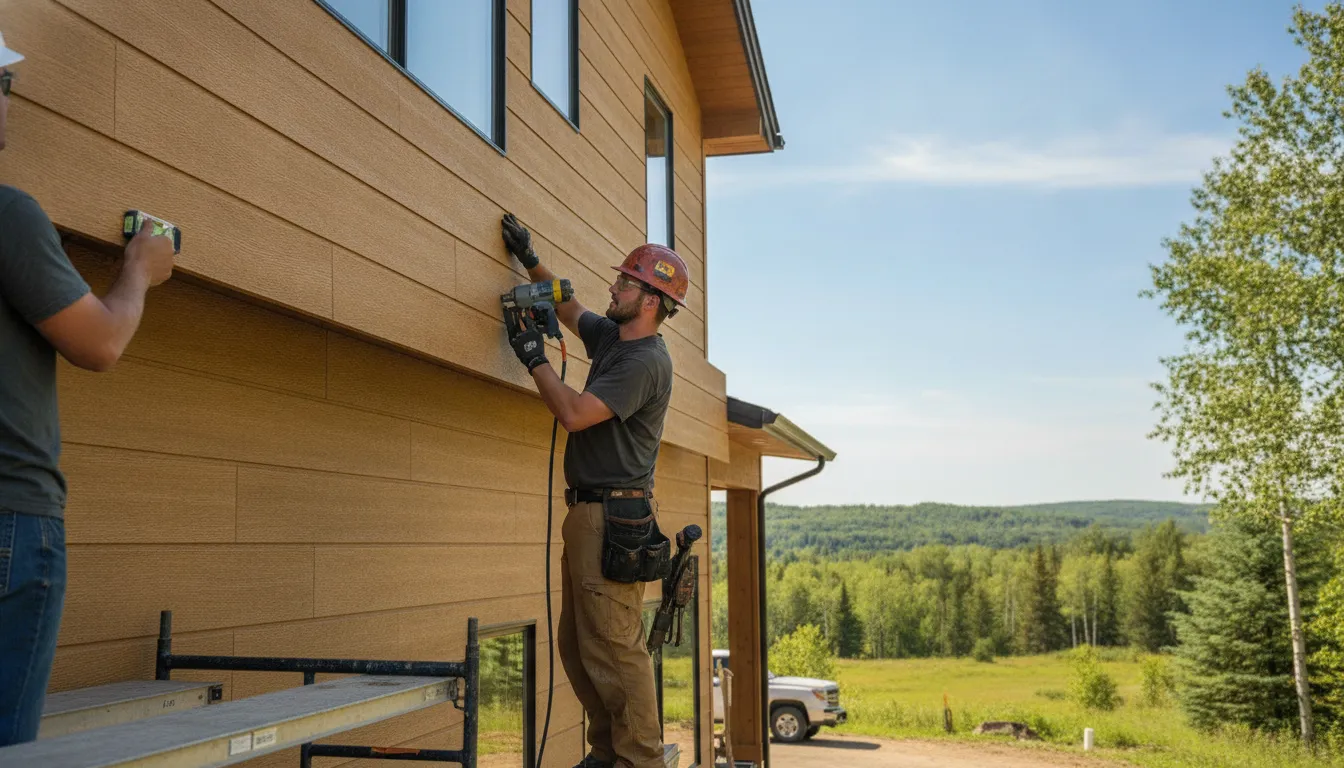
We use the specified fasteners and fastening pattern for the product and wall conditions. Boards need consistent support without being overdriven or left loose. Correct placement helps the siding remain secure during severe weather while allowing the assembly to handle normal expansion and contraction as temperatures change.
- Installing flashing, trim, and sealed transitions.
Trim and flashing are installed around windows, doors, corners, penetrations, and other change points. These details create intentional paths for water to shed away from the wall. We maintain the clearances required at vulnerable surfaces and seal the appropriate joints without blocking drainage points.
- Caulking and finish detailing.
Exterior-grade sealant is applied where the manufacturer requires it, including selected butt joints and transitions. We check cuts, edges, trim connections, and exposed fasteners for clean, complete finish work. Caulking is not used to conceal poor layout or improper spacing. It is one part of a larger moisture-management system.
- Final inspection and homeowner walkthrough.
Before the project is complete, we inspect the siding lines, joints, trim, flashing, sealant, and surrounding areas. We clean the work zone and review the finished installation with you. If anything needs adjustment, it is addressed before sign-off. We can also explain maintenance expectations and the installation details that support the manufacturer's requirements.
A professional process makes the project easier to evaluate from the start. If you are comparing scopes or want to understand what should be included, review our siding replacement estimate guide before scheduling your consultation.
How Does James Hardie Board Siding Installation Hold Up in Minnesota's Freeze-Thaw Climate?
James Hardie board siding can perform well through Minnesota's freeze-thaw cycles when it is installed with careful spacing, fastening, flashing, and sealing. Fiber cement resists moisture-related deterioration better than traditional wood, while correct installation allows the exterior system to manage temperature-driven movement and severe weather exposure.
Minnesota's climate tests siding in several ways at once. Rain and melting snow can work into small gaps, winter temperatures can drop quickly, and repeated thawing can leave moisture vulnerable to refreezing. The material choice matters, but the installation details determine whether the siding system sheds water and remains stable year after year.
Moisture resistance matters during repeated freezes
Fiber cement siding is made from cellulose fiber-reinforced cement, a composition that gives it strong resistance to common exterior stresses. In cold regions, that resistance is especially useful because moisture is one of the main causes of trouble for painted wood siding. Purdue Extension notes that outside moisture can penetrate a paint coat and contribute to cracking. Peeling, discoloration, and premature paint failure, with problems often more pronounced at board edges and ends. Read the Purdue Extension guidance on moisture and siding durability.
That does not mean James Hardie siding is maintenance-free or immune to water damage. It means the cladding is a strong fit for a climate where wet conditions and freezing temperatures regularly repeat. Water still needs a managed path away from the wall assembly. Proper flashing around windows, doors, corners, and roof-to-wall transitions helps keep the siding from carrying the full burden of Minnesota's weather.
Spacing and sealing protect the siding system
Temperature swings can cause building materials to expand and contract. Purdue Extension identifies proper installation techniques, including spacing and sealing, as critical in climates with significant freeze-thaw cycles. Each joint, end, and transition needs enough attention to accommodate movement without creating an easy route for water.
For that reason, James Hardie board siding installation should follow the manufacturer's requirements rather than relying on a generic siding routine. Correct clearances, fastener placement, butt-joint treatment, and sealant selection all contribute to long-term performance. The manufacturer's installation requirements are also tied to proper product performance and warranty coverage, according to the published installation guidance from the City of Detroit's historic preservation materials. Review the James Hardie installation requirements.
These details are easy to overlook when an installation is judged only by how the finished wall looks. A clean appearance is important, but durable siding depends on what happens behind and between the boards. An experienced Minnesota installer evaluates the wall surface, drainage details, trim, penetrations, and vulnerable transitions before the first panel or plank is secured.
Designed for Minnesota's severe weather exposure
Freeze-thaw performance is only part of the challenge. Twin Cities homes also face hail, high winds, ice, and other severe weather. Minnesota Roofing Company specializes in severe weather restoration involving hail, ice, and storms. Giving its installation team a practical understanding of how exterior materials are challenged after a storm. That experience supports a broader approach: install the siding for everyday moisture management, then inspect vulnerable areas after significant weather.
For homeowners, the takeaway is straightforward. James Hardie fiber cement is a sensible option for Minnesota's climate, but product quality cannot compensate for careless installation. Correct preparation, spacing, sealing, and weather detailing are what help the siding tolerate large temperature swings while protecting the home behind it. A professional siding installation in Minnesota should be evaluated as a complete exterior system, not simply as a board replacement.
Color and Style Options for Twin Cities Homes
James Hardie siding gives Twin Cities homeowners room to make a practical exterior look intentional. The product line is designed to bring the warmth and visual texture of natural wood together with the durability of fiber cement. So you can match the character of your home without relying on unfinished wood's maintenance demands. Minnesota Roofing Company helps you compare profiles, textures, and colors as part of a complete siding installation plan.
Choose a profile that fits your home's architecture
For a Craftsman home, HardiePlank lap siding can reinforce the horizontal lines and substantial trim that define the style. A traditional Colonial often benefits from a balanced lap profile, with carefully selected trim color around windows, doors, and corners. On a modern farmhouse, a combination of lap siding and vertical HardiePanel can create contrast without making the exterior feel busy. Vertical panels can also emphasize a tall entry or a front-facing gable when used as an accent rather than applied indiscriminately.
Shingle-style siding and panel accents offer another way to add dimension around a porch, dormer, or upper-level elevation. These details can help a renovation feel connected to the original architecture. Our team can evaluate the home's proportions, existing roofline, trim, and neighboring streetscape before recommending a combination. The goal is a cohesive exterior, not a collection of disconnected materials.
ColorPlus finishes for a more consistent finish
James Hardie ColorPlus Technology is a factory-applied finish designed to provide consistent color across the siding before it reaches the jobsite. A factory-prefinished surface can reduce the variables that come with field painting and gives homeowners a broad selection of established exterior colors. The finish is also engineered for resistance to UV exposure and fading, an important consideration for elevations that receive strong afternoon sun. Color selection still matters: darker shades can make architectural details stand out, while lighter neutrals can keep a large exterior visually calm.
We do not recommend choosing a color from a small screen image alone. Minnesota Roofing Company can help you review physical samples in the context of your roof, stonework, windows, and surrounding light. We also account for how freeze-thaw cycles and severe weather affect the whole exterior assembly. James Hardie installation requirements include proper spacing and sealing, which help manage moisture and support long-term performance in a climate with significant temperature changes. Manufacturer installation requirements should guide the details, not just the appearance.
If you are comparing finishes or planning a full exterior update, see our professional siding installation in Minnesota services. We will help you narrow the design choices and install the selected system with the preparation and detailing Minnesota homes require.
James Hardie Board Siding Installation Cost and Timeline
The cost of a James Hardie installation depends less on the product name alone and more on the work your home requires. A straightforward project on a one-story home will be priced differently from a multi-level replacement that includes extensive tear-off, wall repairs, new trim, and complex roofline details. Minnesota weather also makes proper preparation important. An accurate estimate should account for the existing siding, moisture exposure, and the installation details needed for long-term performance.
Cost factor | Why it matters |
Home size and stories | More wall area, additional setup, and extra access requirements increase labor and material needs. |
Preparation and wall repair | Removing old siding, correcting damaged sheathing, and addressing moisture-related issues can add necessary work before installation. |
Trim and detail work | Window trim, corner boards, soffits, fascia, and architectural details affect both material quantities and installation time. |
Finish selection | Factory-applied ColorPlus finish and field-painted options involve different material, labor, and touch-up considerations. |
Permits and project requirements | Local permit needs, access conditions, and site logistics should be reviewed before the project is scheduled. |
What affects the long-term value?
An installation estimate should look beyond the initial invoice. A Clemson analysis comparing traditional wood clapboards, composite fiber-cement siding. And vinyl siding found that fiber cement can be more cost-effective over its lifecycle because of its resilience and maintenance requirements: Clemson's fiber-cement cost analysis. That does not make every project identical, and it is not a substitute for a property-specific estimate. The value depends on correct installation, finish selection, upkeep, and how well the siding suits the home's exposure.
How long does installation take?
The timeline typically starts with an inspection and scope review. Your contractor then confirms measurements, selections, trim details, preparation needs, and any permit requirements. Material ordering and lead time depend on product availability, color, quantity, and supplier schedules. Once materials are ready, installation may take several workdays, but the exact duration varies with the home's size, number of stories, weather, repairs, and detail work. In Minnesota, rain, snow, cold temperatures, or high winds can also change the workable schedule.
During installation, the crew should follow manufacturer requirements for spacing, sealing, and other moisture-management details. These practices matter in a freeze-thaw climate, where temperature changes can place added stress on exterior materials. The installation requirements published in this James Hardie installation guide help explain why workmanship is part of the investment.
For a realistic project cost and schedule, request a free review rather than relying on a broad online number. Minnesota Roofing Company can evaluate the home, identify preparation needs, and explain the options included in the estimate.
Frequently Asked Questions
How much do people charge to install Hardie Board siding?
Installation pricing depends on the home's measured siding area, wall height, removal and disposal needs, trim details, access, repairs behind the old siding, and finish selections. A written estimate should separate material, labor, preparation, and added work so you can compare value accurately. Minnesota Roofing Company reviews those conditions before providing an installation plan and project estimate.
How much does it cost to put Hardie Board on a 2,000-square-foot house?
There is no reliable flat price based only on the home's square footage. The footprint does not show the actual siding area, number of stories, gables, windows, doors, or condition of the existing exterior. A site-specific estimate is the best way to account for those variables instead of relying on a broad online range.
What is the downside of James Hardie siding?
Fiber-cement siding is heavier and requires more specialized cutting, fastening, spacing, and sealing than some lighter siding products. Installation must follow the manufacturer's requirements to support long-term performance and warranty coverage, especially where Minnesota's freeze-thaw cycles can stress exterior materials. Source: James Hardie general installation requirements.
What is the best type of siding for homes in Minnesota?
The best choice depends on your home's exposure, maintenance goals, design preferences, and budget. James Hardie fiber cement is a strong option when you want a wood-look appearance and a durable exterior, but the installation details matter as much as the product. Proper spacing and sealing help manage moisture and temperature changes in a freeze-thaw climate. Source: Purdue Extension guidance on siding and moisture.
Ready for Professional James Hardie Board Siding Installation in Minnesota?
James Hardie board is a strong choice for Minnesota homes when the installation is done right. Correct spacing, sealing, flashing, and fastening matter as much as the material itself, especially in a climate shaped by freeze-thaw cycles, hail, and harsh winters. Minnesota Roofing Company brings more than three decades of Twin Cities experience to your exterior project, helping you choose the right products and install them to last.
Every project starts with a detailed look at your home and your goals. We review the existing siding, call out any preparation or repair work. Explain your color and style options, and walk you through a clear estimate so there are no surprises. Reach out to Minnesota Roofing Company to discuss your siding project and get a recommendation tailored to your home.

Comments