
How to Hire the Best Vinyl Siding Installation Company
Here in Minnesota, our homes need siding that can stand up to everything from humid summers to frigid winters. But the material itself is only half the battle; the installation is what truly makes the difference. A local contractor who understands our climate knows which techniques and details are essential for long-lasting protection. Finding that expert is key to a successful project. This guide is designed to help you identify a top-quality local vinyl siding installation company. We’ll walk you through how to check their reputation, compare detailed quotes, and ask the right questions to ensure you’re hiring a true professional with proven local experience.
Key Takeaways
- Do your homework before hiring a contractor
: The success of your siding project depends heavily on the installer. Always check for a valid license and insurance, read recent online reviews, and compare at least three itemized quotes before making a decision.
- Vinyl siding is a smart choice for Minnesota homes
: It offers a great combination of durability and low maintenance that stands up to our harsh weather. Plus, with so many styles and colors, you can get a custom look that improves your home's curb appeal without constant upkeep.
- Prioritize quality installation over the lowest price
: A cheap installation can lead to expensive problems like warping and water damage down the road. Investing in a skilled, professional team ensures your siding is installed correctly and protects your home for years to come.
How to Choose the Right Siding Company
Choosing new siding is a big decision, but picking the right team to install it is just as important. The quality of the installation determines how well your siding will protect your home from the elements and how long it will last. A great contractor ensures the job is done right, preventing issues like moisture damage or warping down the road and giving you peace of mind and a beautiful result. So, how do you find a company you can trust with such a significant investment? It’s about more than just getting a good price; it’s about finding a true partner for your home improvement project.
A reliable siding company will guide you through the process, from selecting the right materials to the final inspection. They’ll be transparent, professional, and committed to quality. But with so many options out there, it can be tough to know who to choose. That's why we've put together this guide. We'll walk you through the essential steps to vet a contractor, so you can feel confident in your choice. It comes down to four key areas: checking their experience and local reputation, verifying their licensing and insurance, ensuring they provide transparent estimates and clear communication, and reviewing their warranties on both materials and labor. Taking the time to look into these details will help you partner with a professional who will treat your home with the care it deserves and deliver a final product you love for years to come.
Check Their Experience and Local Reputation
When it comes to your home, experience matters. Hiring a seasoned siding contractor can make a huge difference in your project’s outcome. An established local company understands Minnesota’s climate and knows which materials and techniques work best to protect homes from our harsh winters and humid summers. Look for a company with a long history in the Twin Cities area. Check online reviews on sites like Google and the Better Business Bureau, and don't hesitate to ask for a portfolio of their recent siding services. A contractor with deep roots in the community, like our team at MN Roofing Co., has a reputation to uphold and a track record you can trust.
Verify Their Licensing and Insurance
This step is non-negotiable. A professional siding installer must have a valid state license and be fully insured. Ask for proof of both general liability insurance and workers' compensation. General liability protects your property from accidental damage during the project, while workers' compensation covers the contractor's crew in case of injury. Without this coverage, you could be held financially responsible for accidents. A reputable company will gladly provide you with their documentation. This simple check protects you, your home, and the workers on your property, ensuring a safe and professional process from start to finish.
Expect Transparent Estimates and Clear Communication
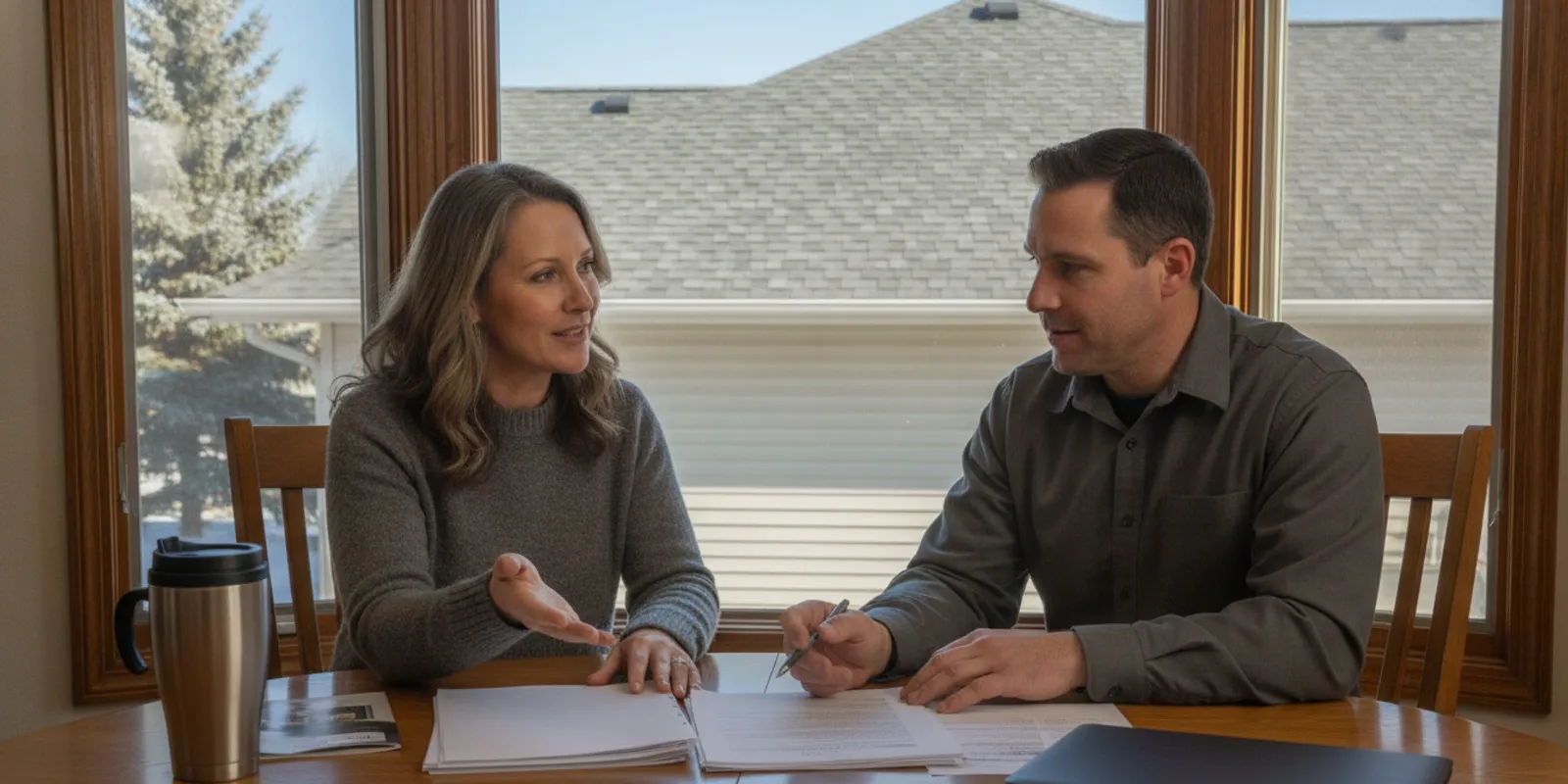
Clear communication is the foundation of a great working relationship. From your first call, you should feel that the contractor is listening to your needs and answering your questions directly. When you receive an estimate, it should be detailed, written, and easy to understand. It should clearly outline the costs for materials, labor, permits, and any other expenses. Vague quotes can hide unexpected charges later on. Engaging with a reputable siding contractor ensures you’re making informed choices every step of the way. You deserve a partner who keeps you in the loop and makes the entire process feel straightforward and stress-free.
Review Their Warranties on Materials and Labor
A solid warranty is a sign of quality work and reliable materials. You should receive two types of warranties: one from the manufacturer for the siding material itself and another from the contractor for the labor. The material warranty protects against defects like fading or cracking. As experts often advise, it's best to choose premium-grade siding for better long-term performance. Equally important is the workmanship warranty, which shows that the contractor stands behind their installation. Make sure you get the details for both warranties in writing so you know exactly what’s covered and for how long.
What Types of Vinyl Siding Can I Choose From?
One of the best parts of choosing vinyl siding is the sheer variety available. Gone are the days of limited, basic options. Today, you can find vinyl siding that perfectly matches your home’s architectural style and your personal taste. Whether you love a classic, traditional look or prefer something more modern and bold, there’s a vinyl product that will bring your vision to life. Exploring these options is the first step toward a beautiful, durable exterior that you’ll love for years to come.
Explore Classic Horizontal Styles
When you picture classic siding, you’re probably thinking of horizontal panels. This timeless look remains one of the most popular choices for a reason. It’s clean, familiar, and complements nearly any home style. The most common type is Traditional Lap siding, where each panel overlaps the one below it. For a bit more character, Dutch Lap siding features a decorative groove at the top of each panel, creating a distinct shadow line. Beaded siding adds another touch of elegance with a rounded bead at the bottom edge. These classic styles are a fantastic way to refresh your home’s exterior while maintaining a traditional and welcoming feel.
Consider Modern Vertical and Shake Options
If you want to add a contemporary touch or create some visual interest, consider stepping outside the horizontal box. Vertical siding, especially the popular board and batten style, can make your home appear taller and more modern. It’s often used on entire homes for a farmhouse look or as an accent on gables and entryways. Another great option is vinyl shake siding, which beautifully mimics the look of natural cedar shakes without the constant upkeep. You can use shakes to add texture and charm to your home’s exterior, creating a custom look by mixing them with traditional horizontal siding services.
Learn About Insulated Siding for Energy Savings
Living in Minnesota means dealing with extreme temperatures, and your siding can play a big role in your home's energy efficiency. Insulated vinyl siding is a smart upgrade that has a layer of rigid foam insulation permanently attached to each panel. This extra layer helps wrap your home in a thermal blanket, reducing heat loss in the winter and keeping your home cooler in the summer. This can lead to lower energy bills and a more comfortable indoor environment. Plus, it’s a wise financial move. Upgrading to insulated vinyl siding can give you a significant return on investment when it’s time to sell your home.
Choose the Right Quality, Color, and Finish
Beyond the style, the quality of the vinyl itself is crucial for long-term performance. It’s always best to choose a premium-grade vinyl siding. These higher-quality panels are thicker, more durable, and offer better resistance to fading from the sun and impact from hail or stray baseballs. They also typically come with stronger warranties for your peace of mind. Once you’ve settled on quality, you can have fun with colors and finishes. Vinyl siding comes in a huge spectrum of colors, from soft neutrals to deep, rich hues. You can also choose between a smooth finish or a textured wood-grain look to get the exact appearance you want for your home.
Why Choose Vinyl Siding for Your Minnesota Home?
Choosing the right siding is one of the biggest decisions you’ll make for your home’s exterior. Here in Minnesota, we need something that not only looks great but can also handle everything our four distinct seasons throw at it. Vinyl siding has become a go-to choice for countless homeowners, and for good reason. It offers a fantastic combination of performance, style, and value that’s tough to beat. Let’s look at a few of the key benefits.
It's Durable and Weather-Resistant
Minnesota weather is no joke, and your home’s siding is its first line of defense. Vinyl is engineered to withstand harsh conditions, from humid summer days to frigid, icy winters. It resists moisture, so you don’t have to worry about rot or corrosion, and its flexibility helps prevent cracking during extreme temperature shifts. Modern vinyl siding also includes a layer of insulation that can improve your home's energy efficiency, keeping you warmer in the winter and cooler in the summer. Quality siding services ensure your home is wrapped in a protective layer that’s built to last through years of sun, wind, snow, and rain.
It's Low-Maintenance and a Great Value
If you’d rather spend your weekends enjoying your home than working on it, vinyl siding is an excellent choice. Unlike wood, it never needs to be scraped, stained, or painted. A simple wash with soap and water once a year is usually all it takes to keep it looking fresh and clean. This minimal upkeep saves you a significant amount of time and money over the life of the siding. On top of that, vinyl is one of the most affordable siding materials available, making it a great value from day one. It delivers long-lasting protection and a beautiful finish without the high price tag of other options.
It Instantly Improves Curb Appeal
New siding can completely transform the look of your home, and vinyl gives you endless possibilities. It comes in a huge range of colors, from classic neutrals to bold, modern shades, and is available in various textures and profiles that can mimic the look of real wood. Whether you prefer traditional horizontal panels or a more rustic board-and-batten style, you can find a vinyl option to match your vision. A professional installation gives your home an instant facelift, creating a clean, polished look that significantly enhances its curb appeal. When you work with an experienced team you can trust, like the one you can learn about on our About Us page, you get a beautiful result that adds lasting value to your property.
How Much Does New Vinyl Siding Cost?
Budgeting for a home exterior project can feel like a moving target, but understanding the costs of new vinyl siding is a great place to start. On average, you can expect to pay around $10 per square foot for a professional installation. However, that number can swing quite a bit, with prices ranging anywhere from $3 to over $45 per square foot.
Why such a wide range? The final price tag depends on the specifics of your home, the materials you choose, and the team you hire to do the work. A straightforward, single-story home will cost less than a multi-level house with complex architectural details. Think of it less as a fixed price and more as a custom quote tailored to your property. By breaking down the key cost factors, you can get a much clearer picture of what your project will involve and feel confident in your investment.
What Factors Influence the Price?
Several key elements play a role in your final siding quote. First is the size and design of your home; a larger home with lots of corners and gables requires more material and more intricate labor, which adds to the cost. The specific siding material you select is another major factor, as different styles and grades of vinyl come at different price points. Finally, labor rates can vary depending on the contractor’s experience and your location. A seasoned, professional team might have higher rates, but their expertise often saves you money on future repairs.
Breaking Down Material and Labor Expenses
When you get a quote, it’s helpful to see how it’s divided between materials and labor. For vinyl siding, the material itself is quite affordable, typically running between $3 and $8 per square foot. This makes it one of the most budget-friendly options for updating your home’s exterior. The cost for professional installation usually adds another $1 to $4 per square foot. This covers the skilled labor required to ensure your siding is installed correctly, protecting your home from the elements and looking great for years to come.
Why Quality Installation Is a Worthy Investment
It can be tempting to cut corners on installation costs, but this is one area where investing in quality truly pays off. Professional installation ensures your siding performs as it should, providing durable, long-lasting protection for your home. A job done right prevents issues like warping, moisture damage, and pest intrusion down the road. Plus, upgrading your siding has a fantastic return on investment. Opting for insulated vinyl siding can even yield an ROI of over 80% when you sell your home, making it a smart financial move that also enhances your curb appeal.
How to Find and Compare Local Siding Contractors
Choosing the right team for your siding project is a big decision. After all, they’re responsible for protecting and beautifying your home. Taking the time to carefully vet local contractors will help you find a partner you can trust to do the job right, giving you peace of mind and a final result you’ll love for years to come.
Research Companies and Review Their Work
Start by creating a shortlist of local siding contractors. A great way to do this is by asking friends and neighbors for recommendations or searching online for companies with a strong local presence. Once you have a few names, look into their reputations. You can find a wealth of information by reading online reviews, checking their ratings with the Better Business Bureau, and looking at photos of their past projects. Pay attention to how they respond to both positive and negative feedback, as this can reveal a lot about their commitment to customer satisfaction.
Get Multiple, Detailed Quotes for Comparison
Never settle for the first estimate you receive. We recommend getting at least three detailed, written quotes from different contractors. A trustworthy quote won’t just give you a final number; it will break down all the costs involved. This includes materials, labor, permit fees, and debris removal. Comparing itemized estimates helps you understand exactly what you’re paying for and ensures there are no surprise charges later. This step allows you to compare apples to apples and see which company offers the best value, not just the lowest price for their siding services.
Verify Credentials and Check References
Before you sign a contract, make sure the company is legitimate and qualified. Ask for proof of their state license and current insurance, which should include both general liability and workers' compensation. This protects you from any liability in case of accidents on your property. Don’t hesitate to ask for a list of recent references, either. Speaking with past customers is one of the best ways to get an honest assessment of a contractor’s workmanship, communication, and reliability. A professional company will be proud to share their credentials and history with you.
Watch Out for These Common Red Flags
As you speak with contractors, keep an eye out for warning signs. Be cautious of anyone who uses high-pressure sales tactics, asks for a large cash deposit upfront, or provides a vague or non-itemized quote. Another red flag is a lack of a physical office or a permanent business address. Even small installation mistakes can lead to major problems like warping, moisture intrusion, and the need for extensive storm damage repair down the road. Trust your gut; if something feels off, it’s best to move on to the next candidate on your list.
Key Questions to Ask a Siding Contractor
Once you have a shortlist of potential siding contractors, it’s time to start the interview process. Asking the right questions helps you move beyond the sales pitch and understand how a company truly operates. This is your chance to confirm they have the experience, professionalism, and processes to handle your project correctly from start to finish. Think of it as a conversation to ensure you’re hiring a partner you can trust with your home.
Ask About Their Installation Process and Team
A beautiful siding job depends entirely on the quality of the installation. Even the best materials can fail if they aren’t installed correctly, leading to issues like warping or moisture damage down the road. Ask who will be performing the work. Are they dedicated employees or subcontractors? A consistent, well-trained team is often a sign of a reliable company. You should also ask them to walk you through their typical installation process. This gives you a clear picture of what to expect and shows that they have a structured, professional approach to their siding services.
Discuss the Project Timeline and How They'll Communicate
Clear communication is the key to a stress-free project. Before signing a contract, make sure you understand the expected timeline. Ask for an estimated start date and how long the project will likely take, keeping in mind that weather can cause delays. More importantly, find out how they’ll keep you in the loop. Will you have a dedicated project manager? Will you receive daily or weekly updates? Knowing who your point of contact is and how they’ll communicate progress or problems helps set clear expectations and ensures you feel informed every step of the way.
Clarify Details on Materials, Cleanup, and Final Inspection
The final details are just as important as the big picture. Ask for specifics on the brands and types of materials they plan to use, and make sure they align with your research and expectations. It’s also wise to ask about their cleanup process. A professional contractor will leave your property as clean as they found it, removing all debris and stray nails. Finally, confirm that there will be a final walkthrough. This gives you a chance to inspect the finished work with the contractor and address any concerns before making the final payment. This final step is a critical part of any major home exterior project, whether it's new siding or a full roof replacement.
Related Articles
Frequently Asked Questions
How long does a typical siding installation take? The timeline for a siding project really depends on the size and complexity of your home. For an average-sized house, a professional crew can often complete the job in about one to two weeks. However, factors like unpredictable Minnesota weather, the need to remove old siding, or making repairs to the underlying structure can extend that timeframe. A good contractor will give you a clear and realistic schedule before they begin.
What's the real difference between a material warranty and a workmanship warranty? It's a great question, as they cover two very different things. The material warranty comes directly from the manufacturer of the siding and protects you against product defects like cracking or unusual fading. The workmanship warranty, on the other hand, is provided by your contractor. It covers the quality of the installation itself, ensuring that if any issues arise from how the siding was installed, the contractor will stand behind their work and fix it.
Is vinyl siding really the best option for Minnesota's climate? Vinyl is an excellent choice for Minnesota homes because it's built to handle our dramatic temperature swings. It resists moisture from heavy snow and summer humidity, so you don't have to worry about rot. It also expands and contracts without cracking, which is essential during our freeze-thaw cycles. Plus, choosing insulated vinyl siding adds an extra layer of protection that helps keep your home more comfortable and your energy bills in check all year long.
Why can't I just go with the cheapest quote I get? While it's tempting to go with the lowest price, an unusually cheap quote can be a red flag. It might mean the contractor is using lower-quality materials, isn't fully insured, or is cutting corners on installation. A quality installation is what protects your home from moisture and pests, and a poor job can lead to expensive repairs down the road. It's better to invest in a reputable company that provides a fair price for excellent work.
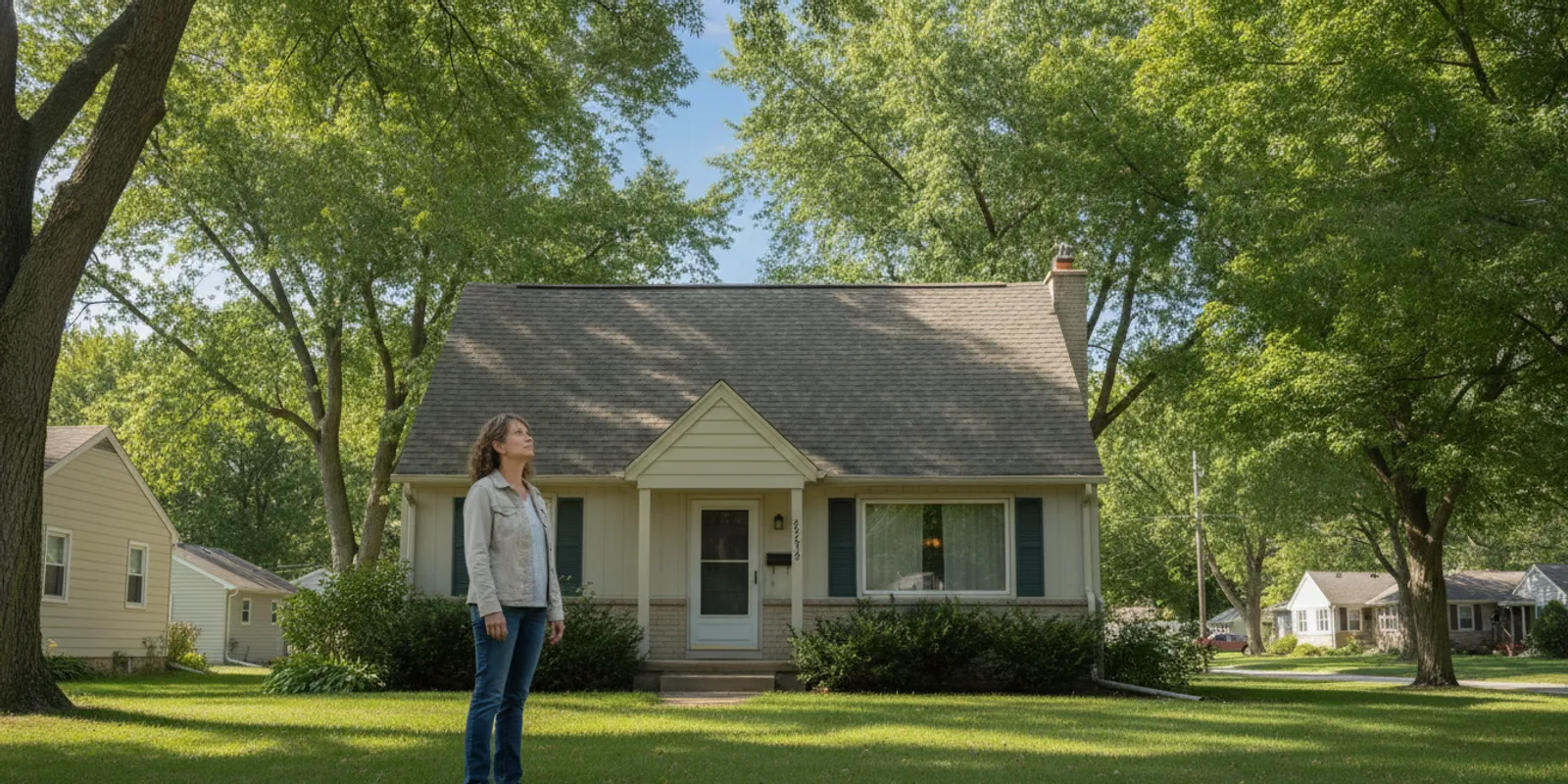
How can I tell if my current siding needs to be replaced? There are a few clear signs to look for. Widespread cracking, warping, or bubbling are definite indicators that your siding is failing. You might also notice that the color has become severely faded or that you're constantly dealing with peeling paint. If you see signs of rot, mold, or mildew, or if your energy bills have been creeping up, it's a good idea to have a professional come take a look.

Comments