
Siding Repair 101: Your Guide to Costs and Fixes
Your siding is the armor that protects your home from the outside world. When that armor is compromised, even by a small crack or a loose panel, your entire home becomes vulnerable. It’s more than just a cosmetic issue; it’s an open invitation for moisture, pests, and drafts to enter your living space. Water can lead to rot and mold, while pests can cause unseen structural damage. This is why addressing any breach with a proper siding repair is so important. It’s about reinforcing your home's defenses to maintain its structural integrity, keep your family safe, and ensure your energy bills stay under control. We'll explore why you shouldn't wait and how to make sure your repair lasts.
Key Takeaways
- Proactive inspection prevents major problems
: Walk around your home periodically to check for cracks, warping, and moisture stains. Catching these early signs is the simplest way to avoid expensive water damage, pest infestations, and high energy bills.
- Know when to call for help
: You can handle minor fixes like filling small holes or securing a loose panel. For anything more significant, like widespread storm damage or structural issues, calling a professional ensures the job is done right and prevents costlier mistakes.
- A good repair addresses the root cause
: A lasting solution goes beyond a simple patch. It involves finding the source of the problem, like poor installation or water runoff, and using the correct materials to create a seamless, durable fix that protects your home's value.
Does Your Siding Need Repair? 4 Telltale Signs
Your home’s siding is its first line of defense against the elements, but it’s easy to overlook minor issues until they become major headaches. Damage doesn't always announce itself with a loud crack or a piece falling off. Often, the signs are subtle, whispering that something is wrong. Paying attention to these early warnings can save you from more extensive and expensive problems down the road, like water damage, pest infestations, and poor energy efficiency.
Walking around your home a few times a year to inspect your exterior is a great habit to get into. It helps you spot trouble before it escalates. From warped panels to a sudden spike in your heating bill, your house has ways of telling you it needs help. If you notice any of the following signs, it’s a clear signal that your exterior needs attention. Addressing these issues promptly is key to protecting your home's structure and value, especially with Minnesota's harsh weather cycles. Our team is experienced with a wide range of siding services to keep your home protected and looking its best.
Cracks, Warping, or Buckling
Take a close look at the surface of your siding. Do you see any fine lines, long cracks, or sections that appear bent, bubbled, or wavy? This is a sign that your siding is starting to fail. Physical damage can be caused by anything from a stray baseball to a severe hailstorm, while warping and buckling often point to moisture issues or improper installation. These openings compromise your home's protective barrier, allowing water to seep in behind the siding. This can lead to rot in your home's framework. Catching these issues early can often mean a simple repair instead of a full replacement.
Peeling Paint and Moisture Stains
If you have painted siding, any peeling, chipping, or bubbling is a red flag. While it might just seem like a cosmetic issue, it often indicates that moisture is trapped underneath. You should also look for any discoloration, dark streaks, or fuzzy spots on or near the seams of your siding. These are classic signs of mold, mildew, or algae growth, which thrive in damp environments. This means water is getting in where it shouldn't be. Ignoring these stains can lead to wood rot and even allow mold to spread into your home's interior, which can affect your family's health.
Higher Energy Bills
Have your heating or cooling costs been creeping up without explanation? Your siding could be the culprit. Siding is a critical part of your home's insulation system. When it's damaged, cracked, or pulling away from the wall, it creates gaps that allow conditioned air to escape and outside air to get in. Your HVAC system then has to work harder to maintain a comfortable temperature, leading to higher energy consumption. If you've ruled out other causes like old windows or poor attic insulation, it’s time to inspect your siding for signs of failure.
Pests or Rot
Damaged siding is an open invitation for pests. Small cracks and holes provide the perfect entry point for insects like termites, carpenter ants, and bees to tunnel into your home's wooden structure. You might notice sawdust-like material near the foundation or see the insects themselves. Rodents like mice and squirrels can also chew through weakened siding to create nests within your walls. If you tap on a section of siding and it feels soft or crumbles, you're likely dealing with rot. After a major weather event, it's especially important to check for this kind of damage, as strong winds and hail can easily create openings for pests and moisture. Our storm damage repair experts can help you assess and fix any vulnerabilities.
How to Repair Different Siding Materials
The best way to fix your siding depends entirely on what it’s made of. Each material has its own quirks, vulnerabilities, and repair methods. A fix that works for vinyl might not be right for wood, and vice versa. Understanding the basics for your specific siding type can help you decide whether it’s a small DIY job or time to call in a pro. Let’s walk through the most common siding materials and what their repair process typically looks like.
Repairing Vinyl Siding
Vinyl is a popular choice for its durability and low maintenance, but it’s not invincible. Small cracks or holes from a stray baseball or clumsy lawnmower can often be patched. However, if you’re seeing larger cracks or damage across multiple planks, replacement is usually the better option. It’s smart to address any small issues right away, since they can easily expand and become more expensive problems. Most minor vinyl repairs are relatively quick, but getting a perfect color match on older, faded siding can be tricky. Our siding services can help you find the right solution, whether it's a simple patch or a full plank replacement.
Repairing Wood Siding
Wood siding offers a classic, beautiful look, but it requires more attention to keep it that way. If you spot signs of rot, mildew, or mold, especially near the seams, it’s a red flag that water is getting behind the siding. This moisture can damage the structure of your home and create unhealthy living conditions. The good news is that you often don’t need to replace everything. For issues like holes from pests or hail, a professional can replace just the damaged boards, blending them seamlessly with the existing siding to restore your home’s protective barrier and its curb appeal.
Repairing Fiber Cement Siding
Fiber cement, often known by the brand name James Hardie®, is incredibly tough and resistant to fire, rot, and pests. But even this durable material can get chipped or cracked from a significant impact. Luckily, you don't have to live with the damage or commit to a full replacement. Professionals can effectively repair many types of fiber cement siding damage. This service is a great choice when the rest of your siding is in good shape but a few spots need attention. A targeted repair restores your home’s clean lines and ensures its first line of defense remains intact.
Repairing Metal and Aluminum Siding
Metal and aluminum siding are strong, but they can dent, warp, or fade over time. Common issues we see in Minnesota include hail damage, warped panels from intense sun exposure, and gaps that let in moisture and pests. While a small dent might seem like just a cosmetic issue, any break in the siding’s surface can lead to bigger problems down the road. A professional repair involves using high-quality materials and specialized tools to fix the damage correctly, ensuring the fix is secure and lasts for years to come. This prevents water intrusion and keeps your home properly sealed against the elements.
What Does Siding Repair Cost?
Let’s get straight to one of the first questions on every homeowner's mind: what will this actually cost? The price tag for siding repair isn't one-size-fits-all. It depends on a few key factors, including the type of siding on your home, the extent of the damage, and the labor involved to get it looking new again. Understanding these components will help you set a realistic budget and know what to expect when you get a quote. While a small patch job might only set you back a couple hundred dollars, more significant damage will naturally cost more to fix properly. We'll break down each piece of the puzzle so you can feel confident about your repair investment.
Siding Repair Costs by Material
The material of your siding is one of the biggest factors influencing the final cost. Different materials have different price points and require specific techniques for repair. For example, vinyl siding is one of the most common and affordable materials to fix. A simple repair on a small section of vinyl is generally less expensive than other materials. On the other hand, materials like wood or fiber cement can cost more to repair due to the price of the materials themselves and the specialized labor required. The specific siding services you need will always be tailored to your home's unique exterior and the nature of the damage.
Understanding Labor Costs
When you hire a professional, you're not just paying for materials; you're also paying for their time, skill, and experience. Labor costs for siding repair are typically charged by the hour, and rates can vary based on the contractor's expertise and the complexity of the job. While it might be tempting to go with the lowest bidder, remember that quality work prevents more expensive problems down the road. An experienced professional knows how to fix the damage correctly and spot any underlying issues, like hidden moisture. When you work with a trusted, family-owned team, you're investing in craftsmanship and the peace of mind that comes with a job done right.
Will Insurance Cover Siding Repair?
This is a big question, especially here in Minnesota where weather can be unpredictable. The short answer is: sometimes. Homeowners insurance often covers damage caused by a specific event, or "peril," like a hailstorm, high winds, or fire. If your siding was damaged in a recent storm, there's a good chance your policy will help with the cost. However, insurance typically does not cover damage that happens over time due to age, wear and tear, or lack of maintenance. We can help you with the claims process and provide the right documentation for your storm damage repair. Always check your specific policy and talk to your insurance agent to understand your coverage.
DIY Siding Repair: What You Can Fix Yourself
If you're comfortable with home projects, you might be able to handle some minor siding repairs yourself. Small issues, when caught early, can often be fixed in an afternoon, saving you from bigger headaches down the road. Tackling these smaller tasks helps maintain your home's appearance and integrity. However, it's important to know which jobs are suitable for a DIY approach and which ones are best left to the pros. A single cracked vinyl panel is very different from widespread damage after a major hailstorm, which often requires professional storm damage repair.
For many homeowners, the satisfaction of fixing something yourself is a big motivator. If you have the right tools and a bit of patience, you can address cosmetic issues and small-scale damage. This guide covers a few common repairs that are often within reach for a determined DIYer. We'll walk through how to replace panels, fill small holes, and secure loose siding. Just remember to always prioritize your safety and be realistic about the scope of the project before you start. A poorly done repair can sometimes cause more harm than good, so knowing your limits is key to protecting your home's value and structure.
Replace Damaged Panels
When you have a localized problem, like a hole from a stray baseball or a single cracked panel from a hailstorm, you don't always need to replace an entire wall of siding. For many siding types, especially vinyl, you can replace just the damaged sections. This involves using a special tool to unlock the panel from the ones above and below it, removing the nails, and swapping it with a new piece. The trickiest part is often finding a perfect color match, especially if your siding has faded over time from sun exposure. It's a good idea to keep a few extra panels from the original installation for this very reason.
Fill Holes and Cracks
For tiny issues like small cracks, gaps, or nail holes, a bit of filler or caulk can work wonders. Sealing these openings is crucial because it keeps water and pests from getting behind your siding, which can lead to rot and other structural problems. Be sure to use a high-quality, paintable exterior caulk that’s designed for your specific siding material. After applying and smoothing it, you can touch it up with paint to make the repair blend in seamlessly. This simple fix helps maintain your home's energy efficiency and protective barrier against the elements.
Re-Nail Loose Panels
Have you noticed a panel flapping in the wind? Loose siding is often caused by nails that have rusted, backed out over time, or weren't installed correctly in the first place. If the panel itself is still in good shape, you can often secure it by simply re-nailing it. For vinyl siding, remember to nail it loosely in the center of the nailing slot to allow for expansion and contraction with temperature changes. Driving the nail too tight is a common mistake that can cause the panel to buckle or crack over time.
Key Safety Precautions
Even for small jobs, safety should be your top priority. If the repair is higher than you can comfortably reach from the ground, use a sturdy ladder and have someone spot you. Always wear safety glasses to protect your eyes from debris and gloves to protect your hands. While some fixes seem straightforward, it’s important to recognize that improper repairs can lead to bigger issues, like hidden water damage. Using the right tools and techniques is essential, which is why many homeowners ultimately decide to rely on professional siding services to ensure the job is done correctly and safely.
Common DIY Mistakes to Avoid
One of the biggest mistakes homeowners make is waiting too long to fix siding damage. A small crack can quickly turn into a major leak, leading to more extensive and expensive problems down the line. Another common error is choosing the wrong materials, like using interior caulk for an exterior job or failing to find a good color match for a replacement panel. Finally, a "quick fix" that doesn't address the root cause, such as simply covering up signs of moisture without investigating the source, will only mask the problem temporarily and can lead to serious structural issues.
When to Call a Professional for Siding Repair
While tackling a small siding fix yourself can be satisfying, some jobs are best left to the experts. Knowing when to put down the tools and pick up the phone can save you from turning a minor issue into a major headache. A professional has the right equipment, materials, and experience to handle complex repairs safely and effectively, ensuring your home is protected and looks its best. If you notice widespread issues or damage that seems beyond a simple patch, it’s a clear sign you need to call for backup. Ignoring these problems can lead to more significant, and expensive, damage down the road.
Extensive or Structural Damage
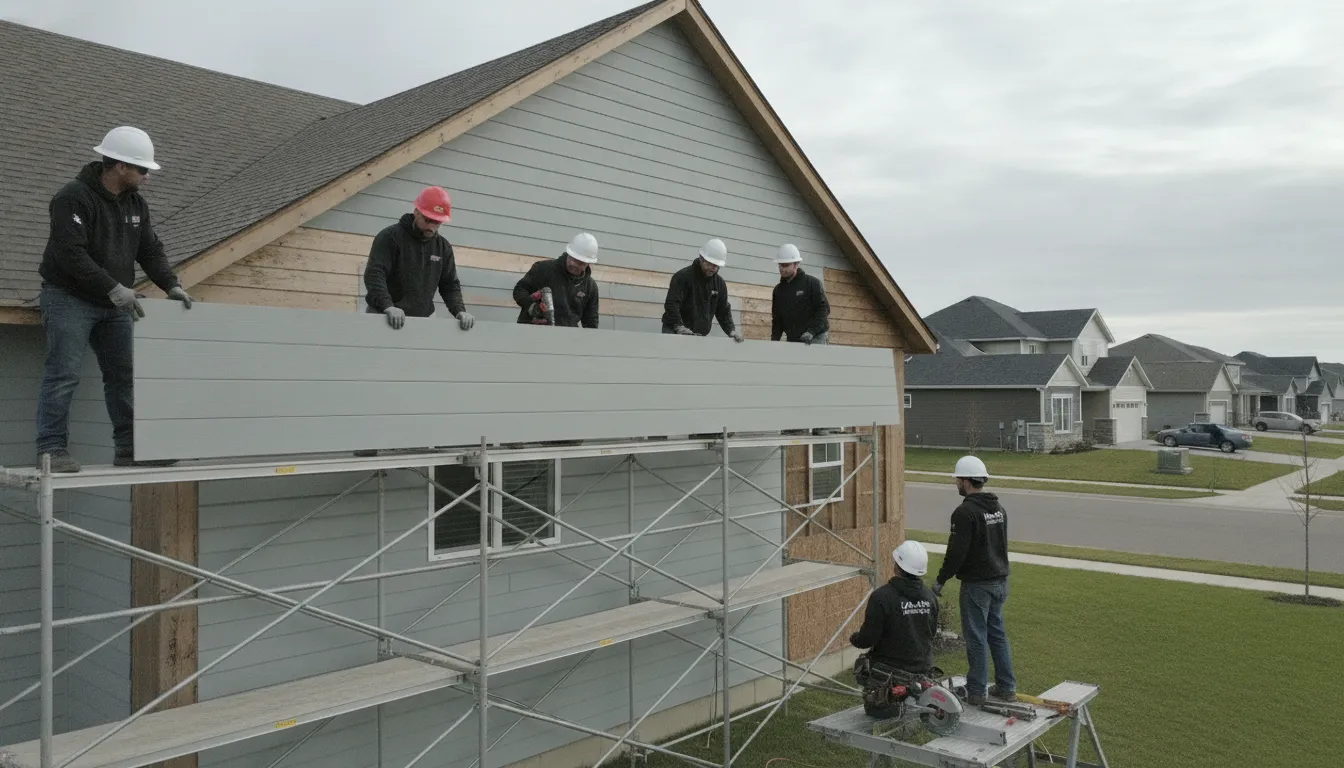
If you’re looking at more than just a few minor dings, it’s time to call a professional. Widespread cracking, significant warping, or multiple missing panels are signs of a bigger problem. This kind of damage compromises your home's first line of defense against the elements. When siding is cracked or warped, it can let water seep into your home’s structure, leading to rot, mold, and wasted energy. A professional can assess whether the issue is just with the siding or if there's underlying structural damage that needs to be addressed. Our team provides thorough siding services to diagnose the root cause and ensure your home is properly sealed and protected.
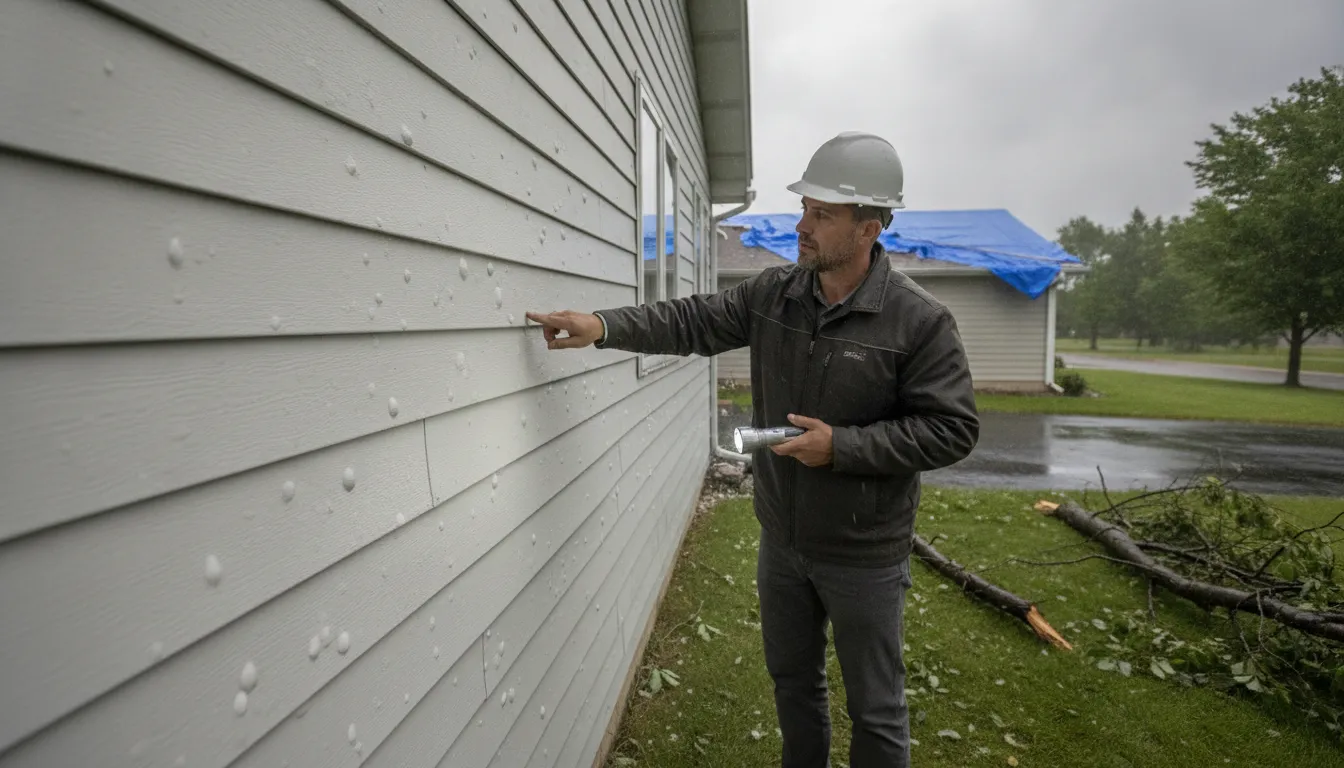
Minnesota weather can be tough on a home’s exterior. After a significant hailstorm or high winds, it’s crucial to have your siding inspected by a professional. Even if the damage looks minor, there could be hidden issues that will cause problems later. Catching these problems early can prevent more expensive repairs. A professional can quickly identify all points of failure and recommend the most cost-effective solution, whether it’s a targeted repair or a full replacement. Handling storm damage repair promptly is the best way to protect your home from moisture intrusion and further deterioration, restoring its integrity and your peace of mind.
When You Need a Perfect Match
Getting a new siding panel to blend seamlessly with the old is harder than it looks. Siding, especially vinyl, fades and weathers over time, so a new piece can stick out like a sore thumb. To get a perfect match, it’s often necessary to replace an entire section of siding to ensure the color and texture are consistent. A professional contractor has access to a wide variety of siding products and the expertise to create a flawless finish. They can help you find the best possible match or offer creative solutions to make the repair look intentional and clean, preserving your home’s curb appeal.
How to Choose a Siding Contractor
When you need professional help, choosing the right contractor is key. Look for a local, experienced company with a strong reputation in the Twin Cities community. Check for proof of licensing and insurance, and don’t be afraid to ask for references or look at a portfolio of their past work. A trustworthy contractor will offer a clear, detailed estimate and stand behind their work with a solid guarantee. As a family-owned business with over 30 years of experience, we pride ourselves on transparent communication and superior craftsmanship. You can learn more about our commitment to customer satisfaction on our About Us page.
The Best Products for Siding Repair
Choosing the right product is the secret to a siding repair that blends in and holds up against Minnesota weather. The supplies you'll need depend entirely on your siding material, whether it's vinyl, wood, or something else. Using a product designed for your specific type of siding ensures the patch is not only effective but also durable. Below, I'll walk you through the best products for the most common siding materials, so you can tackle your repair with confidence.
For Vinyl: Repair Kits and Patches
If you have vinyl siding, you're in luck because small repairs are often straightforward. Vinyl siding repair kits are designed to fix common problems like cracks, chips, and small holes. These kits usually come with everything you need, including a patch, special adhesive, and sometimes color-matched paint for a seamless finish. They are an affordable solution for minor damage. You can find vinyl siding repair kits at most home improvement stores, typically costing between $10 and $50. For the best result, find a kit that closely matches your siding's color and texture to make the repair nearly invisible.
For Wood: Fillers and Sealants
Wood siding requires a bit more care to protect it from the elements. For cracks and holes, a high-quality wood filler is your best friend. For larger areas of damage or rot, an epoxy wood filler is an excellent choice. It creates a strong, durable bond that can be sanded, shaped, and painted just like real wood once it cures. After filling the damage, applying a sealant is a critical final step. This protects the repaired area from moisture, preventing future rot and ensuring your hard work lasts for years to come.
For All Types: Caulk and Waterproof Sealants
No matter what type of siding you have, a good quality exterior caulk is a non-negotiable part of your repair toolkit. It’s the key to creating a watertight seal around windows, doors, and corner trim. Using a high-quality exterior caulk is essential for sealing gaps and joints, which is vital for protecting your home from water damage and drafts. When you're at the store, look for a flexible, paintable caulk that is specifically rated for exterior use. This ensures it can expand and contract with temperature changes without cracking, keeping your home protected through every season.
Why You Shouldn't Wait on Siding Repairs
It’s tempting to add that small crack in your siding to the bottom of your to-do list. But when it comes to your home's exterior, what starts as a minor issue can quickly become a major headache. Procrastinating on siding repairs can lead to more extensive damage and much higher costs down the road. Here’s why addressing siding problems right away is one of the smartest moves you can make as a homeowner.
Prevent Costly Water Damage and Rot
That small crack or warped panel is more than just an eyesore; it’s an open door for moisture. When water seeps behind your siding, it can soak into your home's sheathing and structural frame. This can lead to wood rot, mold, and mildew, which are not only expensive to fix but can also affect your family's health. The longer you wait to fix damaged siding, the more problems it can cause. A simple siding repair now can prevent you from needing to replace entire sections of your wall structure later.
Keep Pests Out
Your home is your sanctuary, and you want to keep it that way. Gaps and holes in your siding are an open invitation for pests like ants, termites, wasps, and even small rodents to move in. These critters aren't just looking for a warm place to stay; they can chew through wood, wires, and insulation, causing even more damage. Damaged siding can let moisture and insects get behind it, creating bigger problems. Sealing up your home’s exterior with professional siding services is your first line of defense against unwanted guests.
Maintain Your Home's Energy Efficiency
Have you noticed your heating or cooling bills creeping up? Your siding might be the culprit. Siding is a critical part of your home's insulation system, helping to keep your indoor temperature stable. When it's cracked, loose, or warped, it allows air to leak, forcing your HVAC system to work overtime. In a place like Minnesota, that means losing precious heat in the winter and cool air in the summer. Timely repairs for storm damage or general wear can help keep your home comfortable and your energy costs under control.
Make Your Siding Repair Last
Getting your siding fixed is a great first step, but making that repair last is what really protects your investment. A quick patch might solve the immediate problem, but a thoughtful approach ensures you won't be dealing with the same issue again in a year. It’s about looking beyond the surface-level damage to create a durable, long-term solution that keeps your home safe and looking its best.
By focusing on the underlying cause, getting the aesthetics just right, and committing to a little upkeep, you can extend the life of your repair and your siding as a whole. Proper siding services aren't just about fixing what's broken; they're about reinforcing your home's entire protective barrier. Let’s walk through how to make sure your siding repair stands the test of time.
Find and Fix the Root Cause
When you spot cracked, warped, or missing siding, your first instinct might be to just cover it up. But that damage is often a symptom of a deeper issue. Simply patching the siding without addressing the root cause is like putting a bandage on a wound that needs stitches. The problem will only get worse. Water can continue to seep behind the siding, leading to wasted energy, rot, and even significant structural damage. The longer you wait to fix the real problem, the more extensive and expensive the repairs will become. A professional can identify if the damage is from a hailstorm, improper installation, or even a clogged gutter overflowing onto the wall.
Get the Color and Texture Right
Nothing screams "patch job" like a mismatched piece of siding. Over time, sun exposure and weather cause siding to fade, so a brand-new panel will rarely be a perfect match for the older, surrounding material. For a seamless finish that preserves your home's curb appeal, it's often better to replace an entire section of siding on one wall. This ensures a uniform color and texture, making the repair virtually invisible. A skilled contractor can help source the best possible match or recommend a strategy that blends the new material in flawlessly, protecting your home's aesthetic and resale value.
Protect Your Siding Post-Repair
Once your siding is fixed, a little proactive care goes a long way. Regular inspections are key, especially after the harsh storms we see here in Minnesota. A quick walk around your house can help you spot small issues before they become big problems. You can also gently clean your siding annually to remove dirt and prevent mildew growth. While homeowners can handle basic cleaning, it's wise to let professionals manage any future repairs. They have the right tools and expertise to do the job correctly and can often spot underlying issues, like damage from a recent hailstorm, that might not be obvious to the untrained eye.
Your Twin Cities Siding Repair Experts
When your siding is damaged, finding the right professional can feel like a big task. But choosing a local expert who truly understands our Minnesota climate is one of the most important decisions you can make for your home. Our weather, with its freezing winters and humid summers, puts unique stress on siding. A contractor from the area will know exactly which materials and repair techniques stand up to these challenges, ensuring your home is protected year-round. At MN Roofing Company, our team has provided expert siding services across the Twin Cities for years, so we know what it takes to get the job done right.
The cost of siding repair can vary quite a bit, often depending on the material and the extent of the damage. In the Twin Cities, you might see a siding repair cost anywhere from a few hundred to over a thousand dollars. Materials like vinyl, wood, and fiber cement are common here, and each requires a specific approach. A small crack in a vinyl panel is a much different job than replacing a rotted wood plank. A trustworthy contractor will give you a clear, detailed estimate before any work begins, so you know exactly what to expect.
So, how do you find a contractor you can rely on? Start by looking for a company with a solid local reputation. You’ll want to choose a siding contractor who is fully licensed and insured, which protects you and your property. Reading reviews and asking for references can also give you great insight into their workmanship and customer service. As a family-owned business with over 30 years of experience, we’ve built our reputation on transparent communication and superior craftsmanship. We treat every home like it’s our own because we’re not just contractors; we’re your neighbors. You can learn more about our commitment to quality on our About Us page.
Related Articles
Frequently Asked Questions
How often should I inspect my siding, and what am I looking for? A great habit is to walk around your home twice a year, once in the spring and once in the fall, to check on your siding. You're looking for anything that seems out of place, like cracks, chips, or panels that look wavy or bent. Pay close attention to the seams and areas around windows for any dark streaks or fuzzy spots, which could signal moisture is getting in. Also, check for any holes that could be an entry point for pests.
Is it better to repair a small section or just replace all of my siding? This really depends on the overall condition of your siding and the extent of the damage. If you have a few cracked or loose panels but the rest of your siding is in good shape, a targeted repair is a great, cost-effective solution. However, if the damage is widespread, or if your siding is old and showing signs of failure across multiple areas, a full replacement might be the smarter long-term investment.
My siding is old and faded. How can you possibly match the color for a repair? This is a very common concern. While finding an exact match for older, weathered siding can be tricky, it's not impossible. As professionals, we have access to a wider range of products than you might find at a big-box store. In cases where a perfect match isn't available, a great strategy is to replace a full, distinct section of the wall. This creates a clean, intentional look that avoids the "patchwork" effect and keeps your home's curb appeal intact.
What's the first thing I should do if I suspect a storm damaged my siding? If you think a recent storm has damaged your siding, the first step is to document what you see. Safely take photos of any dents, cracks, or missing pieces from the ground. The next step should be to call a trusted siding professional for a thorough inspection. We can identify all points of damage, even subtle ones, and provide you with the proper assessment you'll need before you contact your insurance company.
Can a small crack in my siding really cause that much trouble? It absolutely can, and that's why we always advise against waiting on repairs. Think of a small crack as a tiny leak in a boat; it might not seem like a big deal at first, but it lets water in continuously. That moisture gets trapped behind your siding, where it can cause wood rot, mold growth, and attract pests. Addressing that small crack now prevents it from turning into a much larger, more expensive structural problem later.

Comments