
What to Do After a Hail Storm Minnesota: A Guide
Updated: Sep 15
Ice pellets the size of golf balls can ruin a solid roof in five minutes. When severe weather hits, Minnesota homeowners face tight insurance deadlines and pushy out of state contractors. Taking the right steps now keeps your family safe.
Schedule your free storm damage inspection today and get a Minnesota roofing expert on your side.
For what to do after a hail storm Minnesota homeowners face this season, the answer comes down to six steps: stay safe, protect your home. Document the damage, report it to your insurer, choose a licensed local contractor, and watch your timeline.
Start by checking your property from the ground and taking clear photos of dented shingles, cracked siding, and broken windows before you clean up. The Minnesota Department of Commerce advises homeowners to report the loss immediately and make temporary, inexpensive repairs, like placing a tarp over a damaged roof, to prevent more leaks. Finally, hire a licensed local contractor who offers storm damage restoration and insurance claim advocacy to complete a full inspection. Keep all receipts for materials so your insurance company can reimburse you, and avoid out-of-state storm chasers who ask for large upfront payments.
If a storm just hit your neighborhood, you might feel overwhelmed and unsure of what to do next. To help you navigate this stressful time, our guide begins with What to Do After a Hail Storm in Minnesota: First 24 Hours.
What to Do After a Hail Storm in Minnesota: First 24 Hours
A severe storm can strike quickly. In fact, Minnesota sees more than 60 reportable hail days per year, with the peak season running from May through August. The first 72 hours after a storm are vital. This is the best time to plan your storm damage restoration and insurance claim advocacy steps. Taking action quickly protects your home from leaks.
Immediate safety steps
Your safety is the first concern. Stay indoors until the storm fully stops. Once the storm passes, step outside with care. Watch out for downed power lines, broken glass, or standing water near electrical boxes.
Call your local power company right away if you spot any broken lines or safety hazards. After you check your own home, make sure your family and neighbors are safe. If you smell gas or suspect a leak, leave the area right away and call for help. Taking these quick steps protects your household and helps the community recover safely.
Temporary home protection
If your home has active leaks or broken windows, you must act fast. According to the Minnesota Department of Commerce, you should make temporary, inexpensive repairs to prevent further damage to your property. These quick fixes include boarding up broken windows or placing a tarp over a damaged roof. Keep track of any repair costs for your insurance claim.
Do not forget about other items on your property. Move damaged outdoor furniture, grills, or vehicles to a safe spot if they are at risk from falling debris. Taking photos of these items will also help when you talk to your insurance provider later.
If you need help with these urgent tasks, we offer 24/7 emergency storm damage response. Our team can quickly install tarping and board up any open areas. This helps keep water out of your living space and prevents mold growth inside your walls. We are always ready to help you secure your property.
Ground-level damage checks
Once your home is stable, you should check for signs of damage. It is best to start your visual check from the ground to find issues without climbing on the roof. Focus on identifying hail damage on your roof by looking for missing shingles, dented gutters, or cracked siding. A ground check keeps you safe while you gather details.
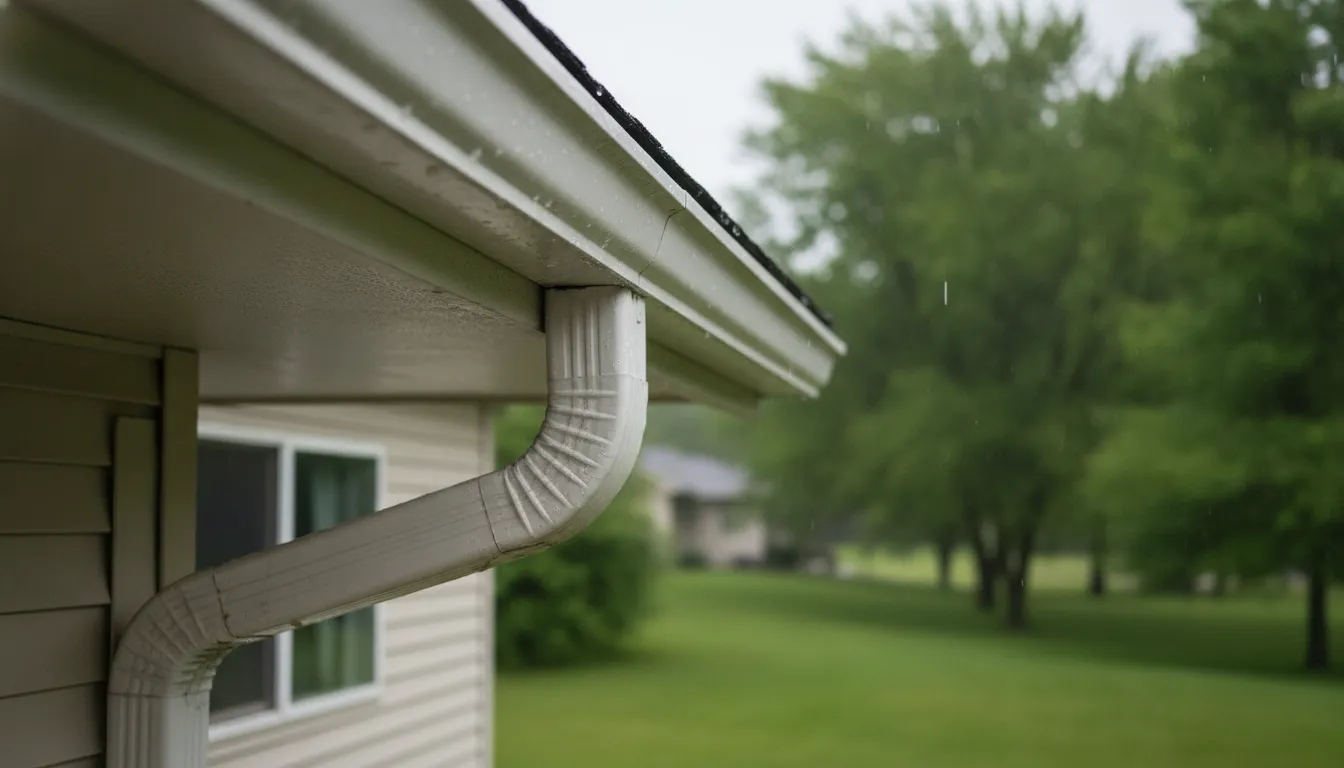
Climbing onto a wet or damaged roof after a storm is not safe. Look near your downspouts for shingle granules. You should also check your yard for large pieces of shingles or torn metal flashing. Dented window screens and bruised plants are other strong clues that hail hit your roof with force.
How Do I Document Hail Damage for My Insurance Claim?
When a big storm hits your home, you must act fast. Recording the damage right away is the best way to get your claim paid. If you do not have clear proof, your insurance firm may deny your request. You should start this work as soon as the storm ends and the area is safe.
State guides from the Minnesota Department of Commerce show that clear records help speed up the claim process. You do not need to climb on your roof to do this. You can get most of the proof you need from the ground or inside your house.
Steps for Storm Damage Records
Follow these steps to make a strong record for your insurance agent. This list will help you track all the facts that adjusters look for when they check a loss.
- Take photos and videos first.
Before you start to clean up any debris, take clear pictures and video of your entire home. Show the yard, windows, and walls from all sides to capture the full scope of the storm.
- Note the date and time.
Write down the exact day and hour the storm hit your town. Local weather records will help prove that hail did fall on your home at that time.
- Check the ground for roof signs.
Look for piles of shingle granules in your gutters and at the end of your downspouts. You should also check for dents on your mail box, deck, and metal vents.
- Keep all damaged items.
Do not throw away any broken parts or ruined goods until the insurance adjuster inspects them. Your insurer must see the damaged items before they can approve your pay back.
- Save every receipt.
If you must buy tarps or boards to stop leaks right away, save your receipts. You will need these to get reimbursed for the money you spent on quick fixes.
Expert Roof Inspections
Some hail damage is hard to see from the yard. Small cracks and soft spots on shingles can hide from the untrained eye. Over time, these hidden spots can turn into big leaks that rot your attic wood.
You can learn more about identifying hail damage on your roof by checking our local guide. If you think your roof has damage, you should ask a local expert to look at it. A trusted pro can climb up to check every shingle for safety.
A good roofing team will work with you during the entire claim process. They will write a clear report that you can give to your insurer. This will keep your repair work on track and make sure you do not miss any vital proof.
Calling Your Insurance Company: What to Say and What Not to Say
When you need to figure out filing a roof insurance claim after a storm, speed is key. You must report the loss to your agent or company quickly. The Minnesota Department of Commerce says this is your first step. Under Minnesota law, you have solid rights. Minnesota Statute 65A.01 requires all homeowner policies in the state to include coverage for hail and windstorm damage. This means your insurance must help you recover, but you still need to handle the first phone call with care.
Information to share
When you call, you must give clear facts. Do not guess or make things up. Here are the key details you should have ready to share with your agent:
Your policy number and contact details.
The exact date and time of the hail storm.
The types of damage you see from the ground, such as dented gutters or broken trim.
Any immediate steps you took to stop leaks, like putting up a tarp.
While on the phone, you should also ask questions to protect your rights. Ask about the deadline to file a storm claim. Find out what your deductible is for wind and hail damage. This helps you learn what a roof insurance adjuster looks for so you are ready for their visit.
What to avoid saying
Your insurer wants to limit how much they pay on your claim. Because of this, some comments can hurt your case. Be sure to keep these rules in mind during the talk:
Do not give a dollar estimate of the damage.
Do not admit that your roof is old or has wear and tear.
Do not agree to a quick cash settlement until an expert inspects your roof.
If you give a low damage estimate, the company may try to hold you to that number. Letting an expert check the site first prevents these mistakes. Quick cash offers from insurers often fall short of the true cost of a full roof replacement.
How we help
Managing an insurance claim after a storm can be hard. This is why local roofers offer claim help. A good contractor acts as your advocate. Our local experts know how to work with adjusters. We write down all storm damage to make sure no spot is missed. We will meet with the adjuster to point out any hidden damage. We also make sure you get the full amount needed for a safe roof. This type of claim support ensures you do not have to fight the insurance company alone. It gives you peace of mind and keeps your repair on schedule.
How Do I Choose a Contractor After a Hail Event?
The Importance of a Prompt Professional Inspection
When a major storm strikes your area, finding the right roofing help can be stressful. When choosing what to do after a hail storm, Minnesota homeowners must act quickly but avoid rushed choices. It is vital to schedule a professional inspection promptly after a storm. This quick step helps you find hidden damage before leaks start. Hail can bruise shingles and crack sealants, which might not be easy to see from the ground. Even small hail can weaken your roof over time.
To keep your claim safe, the Minnesota Department of Commerce advises reporting any home damage to your insurer right away. A local roofer can document this damage for your insurance company. This ensures that you have clear proof of the loss. Waiting to get an inspection can lead to mold or wood rot, which insurance companies might not cover.
Reputable Installers Versus Storm Chasers
Out-of-state crews often flood local streets after a severe storm. These crews, known as storm chasers, want quick sales and may do poor work. A local, reputable contractor is always a better choice. They have a local address, understand local building codes, and stand behind their warranties. They also hold top brand certifications that promise quality materials and skilled work. Choosing a certified local company ensures your new roof is backed by a strong warranty.
Factor | Reputable Contractor | Storm Chaser |
Licensing | Fully licensed and insured in Minnesota. | No local license or valid insurance. |
Certifications | GAF Certified, Tamko Diamond, Owens Corning Preferred. | No manufacturer certifications. |
Office Location | Local base of operations with physical office. | Out-of-state address or temporary post office box. |
Estimates | Written estimates with clear, upfront pricing. | Verbal promises or high-pressure door sales. |
Claim Support | Assistance with insurance claim processes. | No storm damage claim advocacy. |
Payments | No large upfront deposits required before work. | Demands large cash payments upfront. |
What to Look For in a Local Roofer
Choosing the right team is key to a smooth repair. Minnesota Roofing Company is a local, family-owned business. We have served Spring Lake Park and the Twin Cities metro area for over 30 years. Our team knows how to handle the local climate in suburbs like Maple Grove and Minnetonka. We offer 24/7 emergency response to protect your home right after a storm hits.
We also provide full storm damage restoration and insurance claim advocacy to help you navigate your project. Working with your insurer can be complex, and our team acts as your advocate during the entire process. You can schedule a free storm damage roof inspection with us today. Let our experts provide the peace of mind you need to get your roof back to its best shape.
Avoiding Storm Chaser Scams in Minnesota
Severe weather brings out the best in our towns, but it also draws bad actors to your doorstep. Out-of-state crews, often called storm chasers, swarm hit towns after major hail falls. These crews use high-pressure tactics to get you to sign quick contracts.
If you want to know what to do after a hail storm Minnesota homeowners should first protect their property from these out-of-state scammers. Working with a local team ensures you get honest help. Our team provides reliable storm damage restoration and insurance claim advocacy without the risk of fraud.
Common Storm Chaser Red Flags
Storm chasers want to sign as many deals as they can before they move to the next storm zone. They often lack a real local office and use out-of-state phone numbers or plates. Watch out for these common warning signs when a builder knocks on your door:
Demands for full payment or a large cash deposit before any work begins.
No physical address in Minnesota or out-of-state license plates on their trucks.
High-pressure sales tactics that force you to sign a contract right away.
Pushes to sign an assignment of benefits form before an insurance adjuster inspects the roof.
Vague estimates that do not show a clear breakdown of costs and parts.
How to Verify a Local Contractor
Before you hire anyone to repair your roof, you must check their background. A true local roofer will have solid local ties and proper licenses. Make sure to ask for their state license and proof of liability insurance. Honest local builders also have factory training from major brands like GAF, Tamko, or Owens Corning to back their work.
You should always compare many written estimates before you make a choice. Never sign any deal before a professional inspects your roof and confirms the damage. You can read more tips in the Minnesota Department of Commerce guide on storm claims. Taking these steps helps with filing a roof insurance claim after a storm while preventing costly delays.
What to Do When a Solicitor Knocks
When a door-to-door sales rep knocks on your door after a storm, stay calm and do not feel forced to act. Politely ask for their business card, local office address, and roofing license number. Tell them you will not sign any contract until you have compared other written bids. A local roofer will understand your caution, and if they push you for a fast deal, ask them to leave your property right away.
Timeline: From Storm to Repaired Roof
When severe weather strikes, knowing what to do after a hail storm minnesota people face is key to a smooth repair. The path from the storm to a new roof involves a few steps. You must act fast but stay calm.
Following a clear timeline helps ensure you do not miss deadlines. It also keeps you from paying for repairs yourself. A good plan will protect your home and your bank account.
First 72 hours
The first 72 hours after a storm are vital for your home. This is the best time to check your yard. You must look for leaks from the ground and note any damage.
Report any storm loss to your agent right away. Failing to do so can delay your claim. Filing a claim early ensures the process gets moving without delay.
If you find holes or leaks, get quick help. Boarding up broken windows or putting a tarp over a damaged roof will prevent water damage.
You should also take photos of all the damage you see. Be sure to keep receipts for any wood or plastic you buy. Your insurer will pay you back for these costs if you have the proof.
Professional assessment
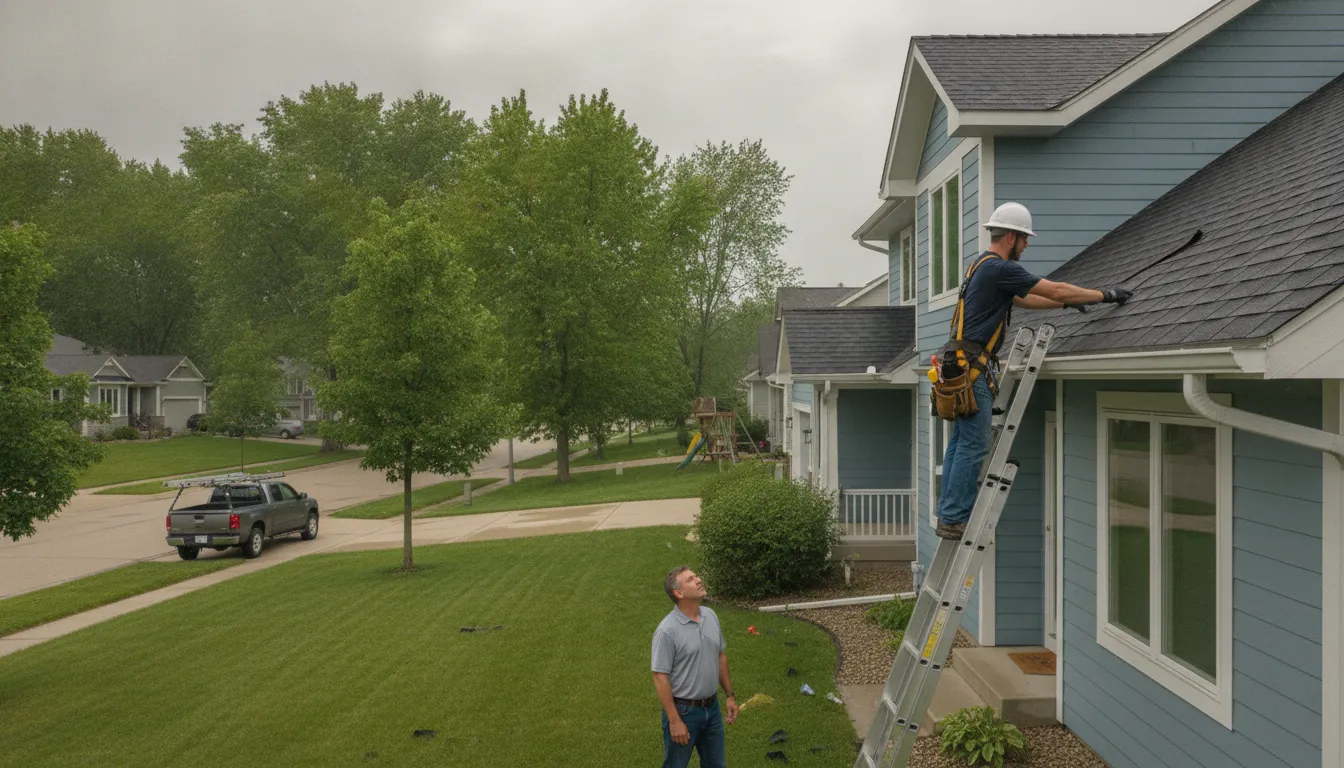
Once your home is safe, you need a pro to check your roof. A local contractor can climb up to find hidden damage that is hard to see from the ground. They will look for dimples in the metal and split shingles.
They will write a full report of the shingles, gutters, and siding that need work. This step is key because an expert can find issues you might miss.
An expert contractor can also help you understand average roof replacement costs in Minnesota. Having these price details ready helps you know what to expect.
You will be prepared before you meet with your insurer. This data also helps you spot low bids from out of state storm chasers. These bad contractors often use cheap materials and do poor work.
Insurance claims
Next, your insurance company will send an adjuster to look at your home. Your contractor should meet the adjuster during this visit to ensure all storm damage is noted. They will walk the roof as a team.
If the insurer misses any spots, your contractor can help you. They can advocate for you to get a full settlement. They can file supplemental insurance claims to get the extra funds needed for a full repair.
Once the claim is approved, you will sign a contract. Work can begin. A skilled crew can often replace a standard roof in just one or two days.
They will clean up all the trash and nails when they are done. After a final walkthrough to check the work, your home will be safe and sound.
Request your free estimate and let our Minnesota team guide you through the repair from claim to completion.
Frequently Asked Questions
Does homeowners insurance cover hail damage in Minnesota?
Yes. State law requires all homeowners insurance policies in Minnesota to cover wind and hail damage. Under Minnesota law and the Department of Commerce guidance, storm coverage is included in standard homeowner policies. Even though coverage is required, you must still pay your deductible. Your policy might also have specific payout limits depending on the age of your roof.
How long do I have to file a hail damage claim in Minnesota?
You should report the storm damage to your insurance provider right away. The Minnesota Department of Commerce advises homeowners to call their agent as soon as possible. Most policies give you one to two years to file. However, waiting makes it harder to prove that the storm caused the roof damage.
What is the first step to take after a hail storm?
Your first step is to make sure your family is safe and then check your home from the ground. Do not climb onto your roof. Next, take photos of any visible damage to your roof, siding, and yard. You should also call a local contractor for a professional inspection to find any hidden roof damage.
Can I repair hail damage myself?
No. You should not try to repair storm damage on your own. Climbing on a roof is dangerous and you could cause more harm. A professional roofing company has the right safety gear and tools for the job. Also, your insurance company may reject your claim if the repairs are not done by a licensed contractor.
Ready to schedule a free storm damage roof inspection?
Minnesota storms can bring heavy hail that cracks and dents shingles. These small cracks can be hidden after a storm but will cause major issues over time. If you wait to act, water can rot your roof deck and damage your attic. It is best to catch this early before mold grows and your walls need major repairs. Our local team can find hidden roof issues today and help you with your insurance claim from start to finish. We make the entire process simple and stress-free for your family. Do not let hidden water damage ruin your home or lead to high repair bills next season.
Ready to protect your Minnesota home? Request a free online estimate to schedule a free storm damage roof inspection.
Comments