
7 Keys to an Accurate Siding Replacement Estimate
Here in the Twin Cities, our homes face everything from heavy snow and ice to summer humidity and the occasional hailstorm. That’s why choosing the right siding—and the right contractor—is so critical. Your home’s exterior is its first line of defense. Understanding how our Minnesota climate impacts material performance and installation costs is key to creating a realistic budget. We’ll explore the best options for our area and explain what goes into a reliable local siding replacement estimate, ensuring your home is protected, beautiful, and ready for whatever our weather brings next.
Key Takeaways
- Budget for the Entire Project
: Your final siding cost includes more than the material itself, so remember to account for labor, removal of old siding, permits, and potential repairs to get a truly accurate financial picture.
- Balance Upfront Cost with Long-Term Value
: While budget-friendly options are tempting, consider how certain materials offer better durability and energy savings over time, providing a greater return on your investment.
- Vet Your Contractor Thoroughly
: A detailed, itemized quote is a sign of a professional, so compare bids by looking at the specifics, not just the final price, and always check for proper licensing, insurance, and positive customer reviews.
What Factors Into Your Siding Replacement Cost?
Figuring out the budget for new siding can feel like a puzzle. It’s not just one single price tag; several key pieces come together to form the final estimate. From the materials you choose to the unique shape of your home, each element plays a role. Understanding these factors will help you see why one quote might differ from another and give you the confidence to make the best decisions for your home and your budget. Let's break down the main components that determine your total siding replacement cost.
Siding Material Choice
The material you choose is one of the biggest drivers of your total cost. Vinyl siding is often the most budget-friendly option, making it a popular choice for many homeowners. On the other hand, premium materials like fiber cement or metal can cost significantly more upfront but offer different benefits in durability and aesthetics. It's a balance between your budget, the look you want, and how much maintenance you're willing to do long-term. We can walk you through the pros and cons of all our siding services to find the perfect fit.
Your Home's Size and Architecture
It makes sense that a larger home requires more siding, but it’s not just about the interior square footage. The key factor is the total exterior wall area. A multi-story house or one with complex architectural features, like numerous gables and corners, will require more material and more intricate, time-consuming labor. A simple, one-story rectangular home will be less expensive to side than a two-story home of the same square footage with a more complicated design. Our team carefully measures every surface to ensure your estimate accurately reflects your home's unique layout.
Labor and Installation
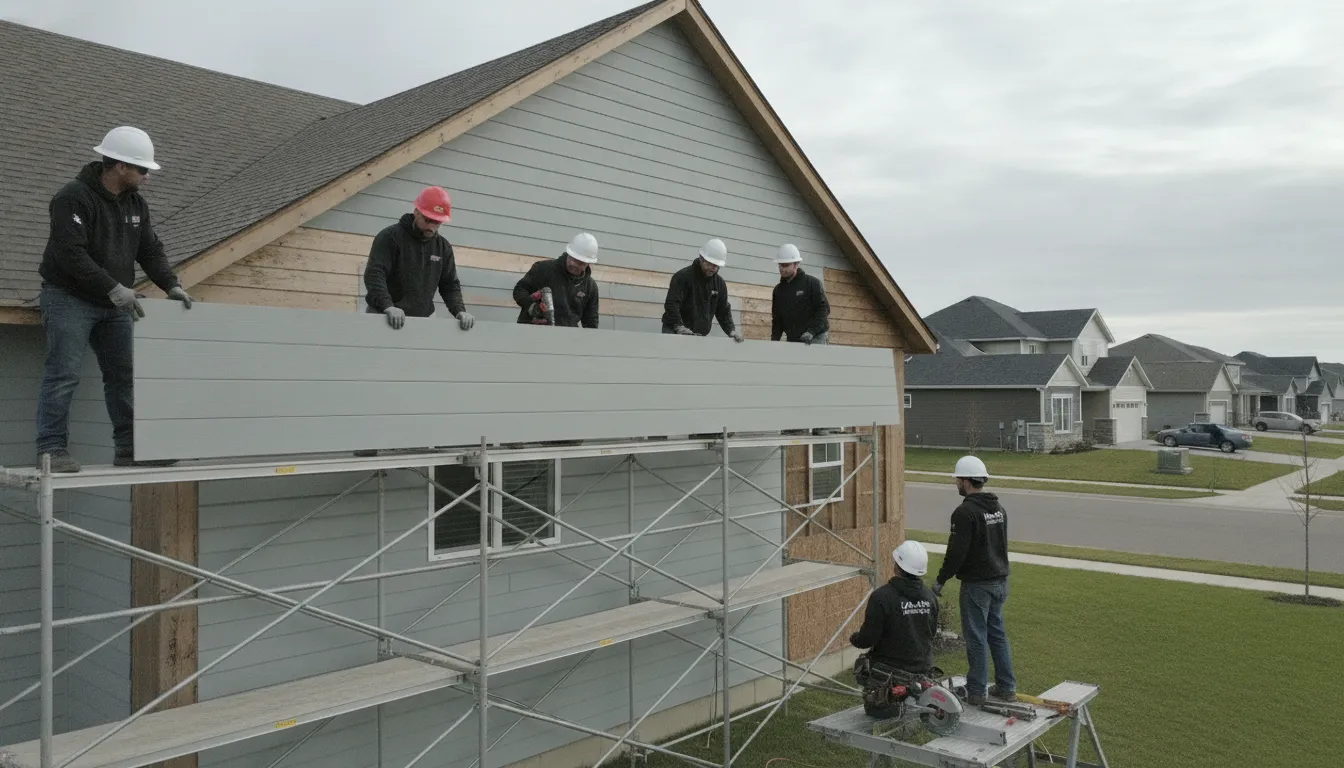
Don't underestimate the role of labor in your final bill, as installation can account for half of your total project price. This fee covers the skilled work of removing old siding, making repairs, and properly installing the new material. The rate can vary depending on the job's complexity and the siding being installed. While it might be tempting to cut corners here, quality installation is crucial for your siding’s performance and longevity. Our experienced team ensures the job is done right, protecting your home for years to come.
Project Location
Where you live plays a part in your siding replacement cost. Material prices and labor rates can vary from one city to another. In the Twin Cities metro area, costs are influenced by local supplier pricing, the demand for skilled labor, and any specific building codes or permit fees required by your municipality. As a local company, we have a firm grasp on the market here in Minnesota. This allows us to provide competitive and accurate pricing based on real, current costs in our community, ensuring your quote is fair and transparent.
Time of Year
Believe it or not, the season you schedule your project can affect the price. The busiest time for siding contractors is typically late spring through summer. During this peak season, higher demand can lead to higher prices and longer wait times. If you have some flexibility, scheduling your siding replacement during the off-season, like early spring or fall, could potentially save you some money. Contractors may have more availability and might offer more competitive pricing to keep their crews busy. It’s always worth asking about scheduling options when you get your quote.
Common Siding Materials and What They Cost
The material you choose for your home’s exterior is the single biggest factor influencing your total siding replacement cost. Each option comes with a unique set of benefits, maintenance needs, and price points. Understanding these differences is the first step to creating a realistic budget and choosing the best fit for your home's style and our Minnesota climate. From budget-friendly vinyl to classic wood, the right material can transform your home's curb appeal and protection.
As you explore these options, remember that the final price includes not just the material itself but also the professional labor required for a flawless installation. Our team has experience with a wide range of siding services and can help you find the perfect match for your vision and budget. Let’s break down the most common materials and what you can expect them to cost.
Vinyl Siding
If you're looking for a wallet-friendly and low-maintenance solution, vinyl siding is an excellent choice. It’s one of the most popular siding materials for a reason. Installation costs typically range from $4.50 to $8.20 per square foot, making it a highly affordable option for many homeowners. Vinyl is resistant to pests and rot, and it never needs to be painted; a simple cleaning is all it takes to keep it looking fresh. It also comes in a huge variety of colors and styles, including options that mimic the look of wood grain, giving you plenty of design flexibility without the high price tag or demanding upkeep.
Fiber Cement Siding
Fiber cement offers a fantastic middle ground between affordability and high-end performance. With an average installation cost of about $11 per square foot, it’s a durable investment that pays off in the long run. Made from a mix of cement, sand, and cellulose fibers, this material is incredibly tough. It resists rot, fire, and pests, and it stands up beautifully to the harsh freeze-thaw cycles we experience in the Twin Cities. Many homeowners love that fiber cement can convincingly mimic the appearance of wood, stucco, or stone, giving you a premium look without the associated maintenance. It’s a durable, long-lasting choice that provides excellent value.
Wood Siding
There’s no denying the timeless, natural beauty of wood siding. It offers a classic, warm aesthetic that many homeowners find irresistible. However, this premium look comes at a premium price, often making it the most expensive siding option. Beyond the initial installation cost, wood requires consistent maintenance to protect it from moisture, rot, and pests. You’ll need to factor in the long-term costs of regular staining, painting, or sealing to keep it in top condition. While its beauty is unmatched, it’s important to be prepared for the commitment and cost of its necessary upkeep.
Metal Siding
For a sleek, modern look combined with exceptional durability, metal siding is a great contender. Aluminum siding, a popular metal choice, typically costs between $5.60 and $10.30 per square foot for installation. Metal is incredibly strong, fire-resistant, and impervious to rot and insect damage, making it a very low-maintenance option. It’s also a sustainable choice, as many metal siding products are made from recycled materials and are fully recyclable at the end of their life. Whether you choose aluminum or steel, metal provides a durable and long-lasting shield for your home that holds up well against Minnesota's toughest weather.
Stucco
Stucco provides a durable, seamless finish with a distinct, handsome texture. As one of the more premium siding options, you can expect installation costs to range from $9.30 to $16.90 per square foot. While it's often associated with warmer climates, modern stucco systems are perfectly suitable for Minnesota homes, offering excellent durability and resistance to fire and pests. Its unique application process creates a solid, hard shell around your home. Although the initial investment is higher, stucco is incredibly long-lasting and requires very little maintenance over its lifespan, making it a worthwhile consideration for a unique and resilient exterior.
How to Measure Your Home for Siding
Getting a handle on your home's measurements is a fantastic first step toward planning your siding budget. While our team will always conduct a thorough, professional measurement during your official estimate, having your own numbers helps you understand the scope of the project and compare quotes more effectively. Think of it as your personal cheat sheet for talking with contractors. It’s a simple process that just requires a tape measure and a little bit of basic math. Let's walk through how to get a solid estimate for your siding services project.
Step 1: Measure Each Wall
First, you’ll need to find the total surface area of your home’s exterior walls. Grab a tape measure and tackle one wall at a time. Measure the width of the wall from corner to corner, and then measure the height from the foundation up to the roofline. For multi-story homes or tricky gables, you might need to estimate the height, but do your best to be consistent. Multiply the height by the width to get the square footage for that single wall. Repeat this process for every wall of your house, then add all the numbers together to get your total square footage.
Step 2: Subtract Windows and Doors
Your next step is to account for the areas that won't be covered in siding, like your windows and doors. Just like you did with the walls, measure the height and width of each individual window and door. Multiply the height and width of each one to find its square footage. Once you have the square footage for every window and door, add all of those numbers together. Now, subtract this combined total from the total wall square footage you calculated in the first step. The number you’re left with is the net square footage that will actually need new siding.
Step 3: Convert to Squares and Add for Waste
In the siding industry, materials are often discussed in "squares." One square is simply equal to 100 square feet of material. To figure out how many squares your project requires, take your net square footage from Step 2 and divide it by 100. Finally, it’s essential to add a bit extra for waste. Every project involves cuts and trims that create unusable scraps. A good rule of thumb is to add 10% to your total. This ensures you have enough material to finish the job without making last-minute runs for more siding, covering any mistakes and accounting for the trim pieces.
What Other Costs Should You Budget For?
When you get a siding estimate, the price for the material and labor is just the starting point. A truly accurate budget accounts for several other factors that are essential for a high-quality, long-lasting job. Overlooking these items can lead to surprise costs and potential headaches down the road. A transparent contractor will walk you through these potential expenses, ensuring there are no secrets in your final quote.
Thinking about these additional costs ahead of time helps you create a realistic budget and compare quotes more effectively. From permits and disposal fees to unexpected repairs and finishing touches, let's break down what else you should plan for in your siding replacement project. Understanding these elements ensures you're not just getting a new look for your home, but a sound, protected, and properly finished exterior.
Permits and Local Inspections
Before any work begins, your project will likely need a permit from your local city or county. This isn't just bureaucratic red tape; it's a crucial step to ensure the work meets local building codes for safety and quality. Skipping this can lead to fines and major issues if you decide to sell your home later. The cost of permits varies depending on your location within the Twin Cities metro. A professional contractor will know exactly what's required and will typically handle the entire permitting and inspection process for you, rolling the fee into your total project cost.
Removing and Disposing of Old Siding
If you're replacing existing siding, the old material has to go somewhere. The process of tearing off the old siding, gathering the debris, and hauling it away for proper disposal comes with a cost. This can add a significant amount to your project, sometimes between $1,000 and $3,000, depending on the size of your home and the type of material being removed. While it's an added expense, this step is non-negotiable. It's also the only way for your contractor to get a clear look at the structure underneath and check for hidden damage.
Weatherproofing and House Wrap
Beneath your siding is a critical layer called a house wrap or weather-resistant barrier. This material is your home's best defense against moisture and air infiltration, protecting the underlying wood sheathing from water damage and rot. In a climate like Minnesota's, with its harsh winters and humid summers, a high-quality house wrap is essential for your home's long-term health. A professional siding installation should always include new, properly installed house wrap and flashing tape around windows and doors. Make sure this is explicitly listed as a line item in your quote.
Repairing Hidden Structural Damage
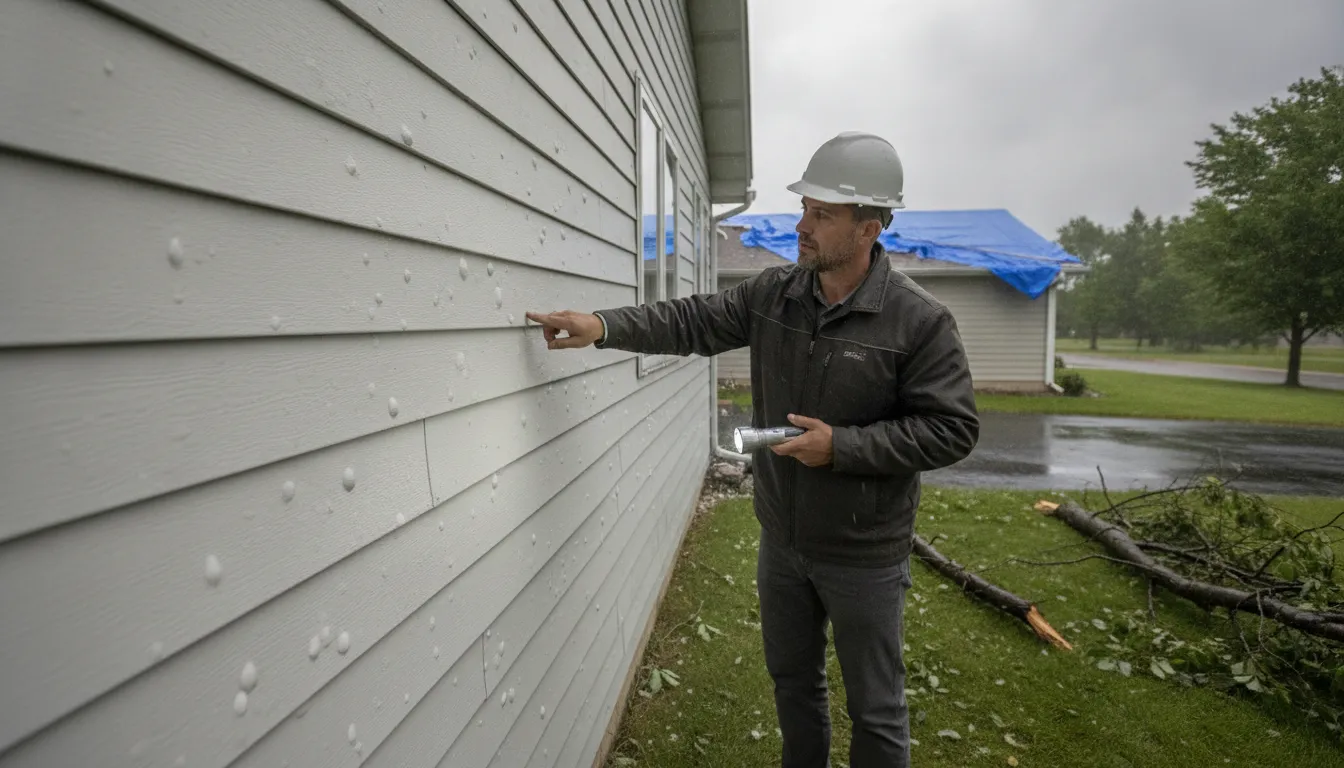
The most common surprise in a siding project is discovering hidden damage after the old siding comes off. Years of slow leaks or pest infestations can lead to rotted sheathing, wall studs, or sill plates that must be repaired before new siding can be installed. Simply covering up the problem will only lead to more extensive and expensive damage later. A trustworthy contractor will stop work, show you the issue, and provide a clear change order detailing the cost of the necessary repairs. This is especially common after a home has experienced storm damage.
Optional Insulation Upgrades
A siding replacement project presents a perfect opportunity to improve your home's energy efficiency. While the walls are open, you can add a layer of rigid foam insulation over the sheathing. This creates a continuous thermal blanket around your home, reducing heat loss in the winter and keeping your home cooler in the summer. While adding insulation increases the upfront cost, it can lead to noticeable savings on your energy bills for years to come. It's a smart investment in your home's comfort and long-term value, especially in Minnesota.
Finishing Touches: Trim, Flashing, and Accessories
The final look of your siding project depends on the details. This includes new trim around windows and doors, soffit and fascia boards under the eaves, and corner posts. These elements are not just decorative; they are essential for sealing the siding system and protecting vulnerable areas from water. Your quote should also account for accessories like new shutters, gable vents, and light blocks. Finally, costs for things like dumpster rental, delivery of materials, and final site cleanup should be included so you have a complete picture of the total investment.
Can New Siding Save You Money on Energy Bills?
It’s a question we hear all the time, and the short answer is yes, absolutely. New siding is one of the most effective ways to improve your home's energy efficiency, which is a huge deal in a state with weather like Minnesota's. While the primary motivation for replacing siding is often to fix damage or update your home's look, the long-term savings on your heating and cooling bills can be a major financial benefit.
Think of new siding as wrapping your home in a protective, energy-saving blanket. It helps keep the warm air in during our chilly winters and the cool air in during humid summers. This reduces the workload on your furnace and air conditioner, which translates directly into lower utility costs month after month. But the benefits aren't just about money. A well-insulated home is also a more comfortable home, free from the drafts and cold spots that can make winter feel even longer. The key is to understand how different siding options contribute to these savings and to view the project as a long-term investment in your home's comfort and value.
Exploring Insulated Siding
The secret to maximizing energy savings is choosing insulated siding. This type of siding, often a vinyl product with a rigid foam insulation backing, creates a continuous thermal barrier around your home. It helps prevent a phenomenon called "thermal bridging," where heat escapes through the studs in your walls. By covering those studs, insulated siding significantly reduces energy loss.
While adding insulation behind your siding costs more upfront, it's an investment that pays for itself over time through lower energy bills. For Minnesota homeowners, this is a particularly smart move. Our team can walk you through the best options for your home during a consultation for our siding services to find a solution that fits your budget and efficiency goals.
Balancing Upfront Cost with Long-Term Savings
New siding is a significant home improvement project, and it's important to look at the complete financial picture. Even though it's an investment, new siding makes your home look better and can increase its value. In fact, studies show you can get back about 80% of what you spend on a siding project when you sell your home. It’s one of the best home improvements for return on investment.
Higher-quality materials often deliver an even better return, both in curb appeal and durability. This is why it’s crucial to balance the initial cost with the long-term benefits of energy savings, increased home value, and reduced maintenance. As a family-owned company with decades of experience, we've seen how a quality siding job pays off for homeowners. You can learn more about our commitment to superior craftsmanship on our About Us page.
Should You DIY or Hire a Professional?
Deciding to replace your siding is a big step, and the next question is always: "Can I do this myself?" The temptation to save on labor costs is completely understandable. However, siding replacement is one of those home projects where the line between a successful DIY and a costly mistake is very thin. It’s a job that goes far beyond just nailing up new panels. It involves careful removal, inspection for hidden damage, proper weatherproofing, and precise installation to ensure your home is protected. Before you start watching tutorial videos and pricing out nail guns, it’s important to weigh the realities of a DIY project against the long-term value of hiring an expert. Your decision will come down to a trade-off between your budget, your time, your skill level, and the quality of the final result you expect for your home.
When to DIY Your Siding Project
Let's be honest, the main draw for a DIY siding project is saving money on labor. If you have significant construction experience, a full set of professional-grade tools, and a lot of free time on your hands, tackling the project yourself might be a possibility. However, it’s a massive undertaking. You need to be comfortable working on ladders, accurately measuring and cutting materials, and understanding how to properly install house wrap and flashing to prevent water intrusion. It’s also important to remember the risks. An improper installation can lead to moisture problems down the road, and you could even void the warranty on your new siding materials, leaving you with no protection if they fail.
Why You Should Hire a Professional
While hiring a professional has a higher upfront cost, you’re paying for more than just labor. You’re investing in peace of mind. A reputable contractor ensures the job is done correctly, safely, and efficiently, often completing the project in a fraction of the time it would take to DIY. Professionals handle all the details, from securing the right permits to complying with local building codes. They also provide warranties on their workmanship, giving you an extra layer of security. Getting a quote from a trusted company for siding services is the best way to understand the full scope and cost of your project and ensure your home gets the protection it deserves from our Minnesota weather.
Avoid These Common Siding Estimate Mistakes
Getting a siding estimate can feel overwhelming, but knowing what to look for can save you from major headaches and unexpected costs. A low bid might seem like a win, but it often signals that something important has been left out. A truly great estimate is transparent and comprehensive, giving you a clear picture of the entire project from start to finish. By understanding a few common pitfalls, you can approach your siding project with confidence, ensuring you partner with a contractor who values quality and honesty as much as you do. Let's walk through the mistakes we see homeowners make most often so you can avoid them.
Miscalculating How Much Material You Need
One of the quickest ways to derail a siding budget is by getting the material calculation wrong. While the basic formula seems simple enough (measure the wall length times the height), it’s rarely that straightforward. You have to account for gables, dormers, and other architectural features that require complex cuts and create more waste. Professionals measure in "squares," where one square equals 100 square feet of siding. They also know to add a waste factor, typically 10% or more, to ensure there's enough material to finish the job without last-minute runs to the supplier. An inaccurate measurement can lead to project delays and surprise costs, which is why having an experienced professional handle it is so important.
Choosing Price Over Quality
It’s tempting to jump on the lowest price, but when it comes to your home's exterior, a cheap siding job is often the most expensive one in the long run. For example, vinyl is an affordable option, but it can be vulnerable to Minnesota's strong winds and hail, and it can dent or melt easily. A more durable material like fiber cement siding costs more upfront but offers superior resistance to weather, pests, and fire. Think of your siding as an investment in your home's protection and value. Choosing a quality material installed by a skilled team means you'll have peace of mind for decades, not just a few years.
Overlooking Incidental Costs
The price of the siding panels is just one part of the total project cost. A low estimate might conveniently leave out several necessary expenses that will show up on your final bill. These incidental costs can include building permits, dumpster fees for waste disposal, the cost of removing your old siding, new house wrap, and finishing touches like trim, flashing, and fasteners. A trustworthy contractor will provide an itemized quote that clearly lists all these components. If an estimate seems vague or too good to be true, ask for a detailed breakdown to ensure you’re not in for a surprise when the work is done.
How to Compare Siding Replacement Quotes
Once you have a few siding replacement quotes in hand, the real work begins. It can be tempting to just scan for the lowest number, but a great decision goes deeper than that. Comparing quotes is about finding the best overall value, which means balancing cost with quality, reliability, and peace of mind. A thorough quote tells a story about the contractor’s professionalism and the quality of work you can expect. Let’s walk through how to read between the lines and choose a contractor you can trust to protect and beautify your home.
What an Itemized Quote Should Include
A trustworthy quote is a transparent one. You should never have to guess what you’re paying for, so always ask for an itemized breakdown. This detailed list is your best tool for comparing contractors fairly. A comprehensive quote should clearly list the costs for materials, including the specific type and brand of siding, house wrap, and trim. It will also detail labor charges, fees for removing and disposing of your old siding, and the cost of any necessary permits. A clear timeline for the project from start to finish should also be included. This level of detail shows that a contractor is organized and has a solid plan for their siding services.
Red Flags to Watch For
While you’re looking for a fair price, an unusually low bid should give you pause. If one quote is significantly cheaper than the others, it could be a sign of cutting corners with subpar materials, inexperienced labor, or incomplete work. Another red flag is a vague or non-itemized estimate that lumps everything into one total cost. This makes it impossible to know what you're actually paying for and can hide future "surprise" fees. Also, be cautious of any contractor who uses high-pressure tactics, demands a large upfront cash payment, or is unable to provide proof of licensing and insurance. Your home is too important to risk on a shaky promise.
Questions to Ask Before You Sign
Before you commit, it’s smart to have one final conversation to clear up any lingering questions. This is your chance to confirm you’re aligned on the project and feel confident in your choice. Ask who will be performing the work and what their experience level is. It's also wise to ask how they handle unexpected issues, like discovering hidden structural damage once the old siding is removed. Make sure you understand the warranty, both for the materials and the contractor’s labor. A reputable company will be happy to answer your questions and tell you more about their team and their process.
How to Find a Reliable Siding Contractor in the Twin Cities
Your siding estimate is only as good as the contractor who provides it. Finding someone you trust is the most important part of your project. In the Twin Cities, you have plenty of options, but that can make it harder to find the right partner for your home. A great contractor does more than just install siding; they act as your guide, helping you understand your options, stick to your budget, and feel confident in your decisions. The right team will make the entire process, from the initial quote to the final cleanup, feel smooth and straightforward.
When you're investing in a major home improvement like new siding services, you deserve a partner who values craftsmanship and clear communication as much as you do. This isn't just about getting the lowest price. It's about finding a company with a proven track record of quality work and happy customers right here in Minnesota. A reliable contractor will be transparent about their process, provide a detailed and accurate estimate, and stand behind their work with a solid warranty. Taking the time to vet your contractor properly will pay off in the quality of the work and your peace of mind for years to come. Look for a team that is established in the community and committed to building lasting relationships, not just finishing a job.
Check for Licenses, Insurance, and Credentials
This is the first and most important checkpoint. Before you even talk about materials or prices, confirm that the contractor is licensed to work in Minnesota and carries both general liability insurance and workers' compensation. This isn't just red tape; it protects you from being held financially responsible for any accidents or property damage that might happen during the project. A professional contractor will have no problem providing you with proof of their credentials. In fact, many, like our team at MN Roofing Company, will have this information readily available. If a contractor is hesitant to share these documents, consider it a major red flag and move on.
Read Online Reviews and Ask for References
What past customers have to say is one of the best indicators of what your experience will be like. Spend some time reading online reviews on sites like Google and the Better Business Bureau. Look for patterns in the feedback, paying attention to comments about communication, timeliness, and how the company handled any issues that arose. Don't stop there, though. Ask the contractor for a list of local references you can contact directly. A confident contractor will be happy to connect you with past clients. This is also a good time to get multiple bids from a few different companies to compare their prices and proposed plans.
Look for Clear and Consistent Communication
From your very first phone call, pay attention to how the contractor communicates. Do they answer your questions clearly and patiently? Do they return your calls and emails in a timely manner? A contractor who communicates well from the start is likely to keep you informed throughout the entire project. A good contractor should be able to explain the process clearly and walk you through your estimate line by line, so you know exactly what you're paying for. If you feel rushed, pressured, or confused during the estimate process, that's a sign that you might face communication challenges down the road. You want a partner who makes you feel comfortable and confident, not one who adds stress to the project.
Get Your Transparent Siding Replacement Estimate
Figuring out the budget for a new siding project can feel like a huge hurdle, but it doesn’t have to be. While an online cost calculator can give you a ballpark idea, the only way to get an exact price is to ask a contractor for a detailed, written quote. A trustworthy estimate is more than just a final number; it’s a clear and comprehensive plan for your project. It shows that a contractor has done their homework and understands the full scope of your specific needs.
When you start gathering quotes, make sure you’re comparing apples to apples. A lowball offer that leaves out key details can lead to expensive surprises later. A truly transparent estimate will itemize everything, including the cost of materials, labor, and the removal and disposal of your old siding. It should also account for necessary permits and inspections. A great contractor will also discuss potential additional costs, like repairing hidden damage they might find underneath the old siding, so you can prepare for any possibility. This level of detail is a sign of a professional who values clear communication.
Getting a few different quotes is always a smart move. It helps you understand the average siding replacement cost in the Twin Cities and find a partner you feel comfortable with. At MN Roofing Company, we believe in providing honest, thorough estimates for all our siding services. We walk you through every line item and answer all your questions, ensuring you feel confident and informed before any work begins.
Related Articles
Frequently Asked Questions
How long does a typical siding replacement project take? The timeline for a siding project depends on several factors, including the size of your home, the complexity of its architecture, and of course, the weather. For an average-sized home in the Twin Cities, a professional crew can typically complete a full replacement in about one to two weeks. This includes tearing off the old siding, making any necessary repairs, installing the new material, and completing the final cleanup. We can give you a more precise timeline with your detailed project estimate.
Is it better to repair or replace my siding? This really depends on the extent and type of damage. If you have a few cracked panels or a small area of damage from a specific incident, a repair might be a perfectly good solution. However, if you're seeing widespread issues like brittleness, significant fading, or signs of moisture getting trapped underneath, a full replacement is often the smarter long-term investment. A professional inspection is the best way to determine which path will provide the most value and protection for your home.
What kind of warranty should I expect for my new siding? You should expect two different warranties. First, there is the manufacturer's warranty, which covers the siding material itself against defects. Second, and just as important, is the contractor's workmanship warranty. This covers the quality of the installation. A reputable contractor will always stand behind their work, as improper installation can cause problems and even void the manufacturer's warranty. We are always happy to explain both warranties in detail so you know exactly what is covered.
Why is my quote higher than the online cost calculators I used? Online calculators are a decent starting point, but they often only estimate the cost of the siding material itself. A professional, itemized quote accounts for the entire scope of the project. This includes essential costs like labor, the removal and disposal of your old siding, new weather-resistant house wrap, local building permits, and all the finishing touches like trim and flashing. Our quotes are comprehensive to ensure there are no hidden fees or surprises down the line.
Can I finance my siding replacement project? Yes, absolutely. We understand that a siding replacement is a significant investment in your home. Many homeowners find it helpful to spread the cost out over time. Reputable contractors often partner with lenders to offer flexible financing options that can make the project much more manageable for your budget. Be sure to ask about financing possibilities during your consultation so we can help you find a solution that works for you.

Comments