
Roofing Material Warranty Minnesota
A roofing material warranty Minnesota homeowners receive can look reassuring, but the title alone does not tell you what is covered or for how long. The written terms matter: what product is included, which problems qualify, what the owner must do, and what remedy applies. Read those details before choosing materials or filing a claim.
A useful warranty review starts with the exact product and documents for your roof, not a general promise about a material category. Separate product coverage from installation coverage, check limits and exclusions, save records, and follow the written claim process. These steps help you compare proposals and respond clearly if a problem appears.
On this page
What does a roofing material warranty cover?
A material warranty is generally the product maker's written promise, subject to its terms, about specified defects in a named roofing product. The precise coverage varies. Do not assume that every component on a roof has identical protection just because the products were installed together. Shingles, underlayment, flashing, vents, and other components may have different manufacturers, documents, and eligibility conditions.
The warranty may define covered defects narrowly. It may address a product failing to meet stated specifications, but it does not automatically promise that the entire roof will never leak or need repair. Roof performance also depends on installation, roof design, ventilation, maintenance, weather exposure, and how the assembly is used. Those factors can be addressed by other documents or exclusions.
Think of the warranty as one part of the project file, not a substitute for understanding the roof design or proposal. If a product is described as part of a complete system, ask what the system includes and whether each named component has its own document. A warranty may cover only a defined product or assembly, while your roof has multiple layers and accessories. Matching the paperwork to the actual work can prevent confusion later.
It is also useful to distinguish a warranty from a general product description. A brochure can explain features or intended use, but the warranty sets the conditions for a claim. If marketing materials and the document appear to differ, ask the manufacturer or contractor to clarify the written terms that apply to the exact product being installed. Keep that explanation with the document rather than relying on memory.
When reviewing a proposal for shingle roofing or metal roofing, ask for the product name and the applicable warranty document, not only a broad description such as “lifetime.” A duration label is not a substitute for the coverage definition, conditions, and remedy. Ask whether the document applies to the specific product and configuration in the proposal.
Also distinguish the warranty period from the period of a particular coverage type. A document might describe different periods, prorating, or separate treatment for labor and materials. The only safe way to know is to read the current document for the selected product. If a salesperson summarizes a term, ask where that term appears in writing.
How do roof warranties differ?
Homeowners often hear several kinds of warranty language during a roofing project. The names can sound similar, but they may come from different parties and respond to different issues. A material warranty concerns the product maker's stated responsibility. A workmanship or installation warranty concerns work performed by the installer, if the contractor provides one. A roof system warranty may have additional eligibility conditions and can treat components or installation requirements as a package.
Do not assume one document replaces another. Get the written terms for every coverage being offered and identify who is responsible for receiving questions or claims. Ask whether a warranty is transferable, whether it requires registration, and whether any inspection or maintenance conditions apply. The answer may differ between products, projects, and warranty options.
Document or coverage type | What it generally addresses | What to verify in writing |
Material or product warranty | Specified defects in a particular manufactured product | Exact product, covered defect, exclusions, remedy, duration, and claim instructions |
Workmanship or installation warranty | Installation work under the contractor's written terms, if offered | Who provides it, covered work, term, exclusions, contact process, and what happens if the company changes |
Roof system warranty | A defined roof assembly or combination of products under stated conditions | Required components, installation rules, registration, inspections, and any special limits |
Insurance policy | Potentially covered loss under the policy and its terms | Policy language, exclusions, deductibles, reporting duties, and claim decisions |
A warranty is not an insurance policy, and neither should be treated as an automatic promise to replace a roof. Coverage depends on the relevant document and circumstances. For example, storm damage and a manufacturing defect are different issues, and a material warranty may not address damage caused by hail, wind, or an impact. If a storm is involved, review the roof's condition and your policy separately; Minnesota Roofing Company's storm damage information explains the company's related service area.
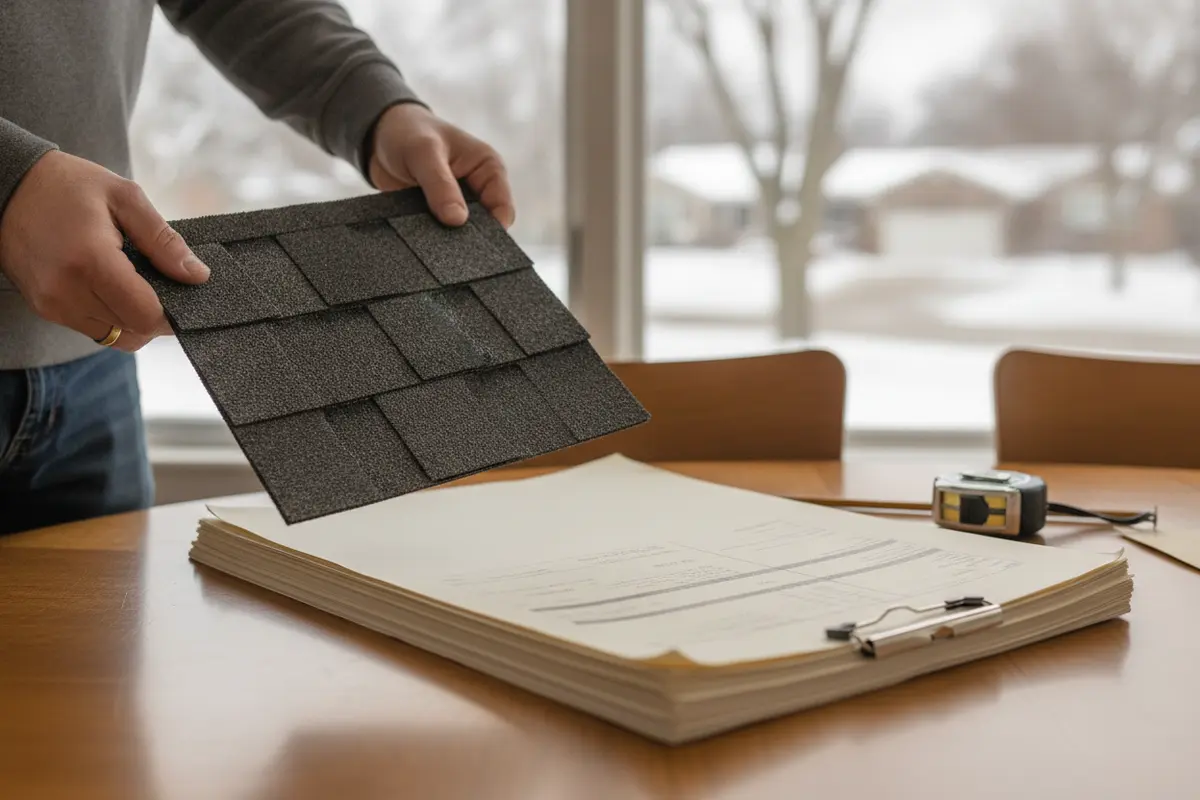
How can you compare warranty terms?
Compare the actual written terms side by side rather than judging by a headline or a single number. The same marketing phrase can mean different things in different documents. Use the questions below for each product or proposal, and ask for an answer in writing when the document is unclear.
- What exact product is covered?
Record the manufacturer, product line, and any relevant color or configuration information shown in the proposal and warranty.
- What counts as a covered defect?
Find the definition and any performance or reporting requirements. A cosmetic concern, a leak, and a manufacturing defect may be treated differently.
- What is the remedy?
Check whether the written terms describe repair, replacement product, a payment, or another remedy. Look for limits on labor, removal, disposal, or related costs.
- When does coverage begin and end?
Identify the start date, any separate coverage periods, prorating language, and how the term may change over time.
- What could void or limit coverage?
Review exclusions and owner duties, including maintenance, alterations, ventilation requirements, and damage from events outside the warranty.
- Must you register the product?
Confirm who submits registration, what information is needed, and the deadline in the current document. Keep confirmation if registration is completed.
- Can the warranty transfer?
If a future sale is possible, check the transfer conditions, deadlines, fees if stated, and any reduction in coverage.
- How does a claim begin?
Find the contact method, required proof, inspection process, and time limits. Keep a copy of the instructions with your project file.
When evaluating roof replacement proposals, put these details alongside the scope of work. The roof replacement information can help you explore the service, while your own proposal should identify the specific materials and work included. If a proposal uses a warranty term without naming its source, request the document before making a decision.
What should Minnesota owners consider?
Minnesota roofs face changing seasons and a range of weather conditions. That makes it especially useful to understand the difference between a product defect and damage or wear arising from other causes. It does not mean a particular warranty automatically excludes a local condition; the written document controls. Read the exclusions and ask how the maker defines the cause of a reported problem.
Pay attention to the words that describe the owner’s responsibilities. A document may set conditions for maintenance, reporting, or repairs, and those conditions can affect how a concern is reviewed. Ask what routine care is expected, whether the owner should keep inspection or repair records, and how to report a visible concern promptly. Do not infer a Minnesota-specific rule from a general phrase; ask the manufacturer to explain the exact clause that applies to the product.
When reviewing a roof in winter or after a severe weather event, focus first on safe observation and documentation rather than trying to diagnose the cause from the ground. A roof concern may be appropriate for a service conversation even when you do not yet know whether a warranty, insurance policy, or another process applies. The initial task is to record what you can see and find the relevant paperwork, then follow the proper written process.
Roof design and the whole assembly matter, too. A product warranty may assume installation details, compatible components, or maintenance practices. Ask what installation requirements apply to your roof and how the work scope will document them. This can be relevant across different roof types, including flat roofing and specialized systems such as TPO roofing. Do not assume terms for a residential shingle product apply to a commercial membrane system.
For a commercial property, identify who will maintain the records and report a concern. A building owner or property manager may need to keep project documents accessible through staff or management changes. Ask the contractor to identify the installed products and provide the applicable warranty paperwork at project completion. Minnesota Roofing Company provides information about its commercial roofing services, but the project-specific documents determine the terms of coverage.
For a home, keep the product and installation records together. If the roof is repaired or altered later, record what was done and by whom. Before hiring another service provider for a change, check whether the warranty sets conditions around alterations or requires notice. See the company's roof repair information when you are considering work on an existing roof.
Consumers can consult the Federal Trade Commission for broader consumer information. For a specific roofing product, however, use the manufacturer's current written warranty and ask the manufacturer or installer to explain unclear language. General consumer resources cannot determine whether a particular roof condition qualifies for coverage.
What records should you keep?
A well-organized project file makes it easier to identify products, understand what was installed, and follow a claim process if needed. Keep digital copies and, where practical, the originals. A simple folder can include:
The signed proposal or contract, scope of work, invoices, and payment records.
Manufacturer, product-line, and component details, plus labels or packaging information supplied for the project.
Every warranty document, registration submission, confirmation, and written clarification.
Completion records, photographs of the finished work, and notes about project dates.
Records of roof maintenance, repairs, inspections, or later changes, including dates and descriptions.
Any messages with the installer or manufacturer about a concern, including names, dates, and next steps.
Store documents somewhere you can find them years later, and make a backup. If you sell the property, check the transfer provisions before assuming coverage moves to a new owner. Give the buyer the documents and any required transfer information only in the way the written terms specify.
If cost is one part of comparing a roof project, review the written proposal and payment details independently from the warranty. Minnesota Roofing Company lists roof financing information; financing terms do not change a product maker's warranty unless the applicable documents say so. Likewise, an estimate is not itself proof that a product has been registered or that a future condition will be covered.
What should you do if a problem appears?
Start with safety. Do not climb onto a roof or disturb a potentially damaged area to gather proof. If there is active water entry, protect belongings where safe and take reasonable steps to limit interior damage. Photograph visible signs from safe locations and write down when you noticed them, what the weather or circumstances were, and any steps already taken.
- Locate the paperwork.
Find the product warranty, installation or workmanship document, and project records. Match the installed product to the warranty rather than relying on a general roof description.
- Describe the issue factually.
Note the location, date noticed, visible symptoms, and any relevant repair history. Avoid guessing at the cause.
- Follow the document's notice process.
Contact the party identified in the warranty and provide the information it requests. Keep copies of what you send and a record of each conversation.
- Ask what happens next.
Confirm whether an inspection is needed, who will arrange it, what evidence to preserve, and whether temporary protective work is allowed or recommended under the terms.
- Keep separate issues separate.
If the problem may involve a storm, an insurance policy, or installation work as well as a product, document each path and check each relevant document. Do not assume one claim process substitutes for another.
For storm-related concerns, the company's hail damage information may help you understand its service offering. For a potential product claim, continue to follow the maker's written instructions. If you need project pricing for roofing work, use the company's Fast + Free Instant Estimate; an estimate does not establish warranty eligibility.
When comparing contractors, ask for clear written answers about the materials proposed and any workmanship coverage offered. The answer should identify the responsible party and document, not rely on an informal phrase. You can review Minnesota Roofing Company's company information and use the estimate tool to begin a project discussion.
Frequently asked questions
Does a roofing material warranty cover leaks?
Not necessarily. A product warranty covers only the defects, products, and remedies described in its terms. A leak can have several possible causes, including installation details, storm damage, or another roof component. Check the applicable warranty and have the issue evaluated without assuming the cause.
Is a “lifetime” roof warranty coverage for as long as I own my home?
Not automatically. “Lifetime” is not enough to establish the duration, owner eligibility, remedy, or limitations. Read the warranty's definitions, coverage periods, transfer conditions, and exclusions, and ask the provider to point to the relevant written language.
Do I need to register a roofing product warranty?
Some warranties may have registration or other documentation requirements, while others may specify a different process. Check the current document for the deadline, required information, and responsible party. Save any submission and confirmation with your project records.
Can a roofing warranty transfer when a home is sold?
It depends on the specific terms. Look for transfer rules, notice deadlines, any stated fees, eligibility requirements, and changes to coverage after transfer. Do not promise a buyer that a warranty transfers until you have checked the document and completed any required steps.
Where can I get a copy of my roof's material warranty?
Start with the manufacturer or contractor identified in your project paperwork. Ask for the exact document that applies to the product installed, and compare its product name with your proposal or completion records. Keep the response in your project file.
The most useful warranty is one you can understand and support with project records. Compare the actual terms for the materials and work proposed, ask questions before signing, and keep the documents where you can retrieve them if a concern arises.

Comments