
Roof Replacement Warranty Claim Minnesota
A roof replacement warranty claim in Minnesota can feel complicated when a leak, loose material, or other concern appears after the project. Start by making the area safe, recording what you observe, and locating the paperwork that explains where to report the issue. The written terms and the facts of the concern guide the next step.
Minnesota Roofing Company serves homeowners and property owners across Minnesota. This guide explains how to organize a warranty inquiry, distinguish possible coverage paths, and communicate clearly. A warranty decision depends on the particular written agreement and the party responsible for administering it; an estimate is not a coverage determination.
On this page
What should you do first?
Begin with safety and damage control. Do not climb onto the roof to investigate. A roof can be slippery, steep, icy, or unstable, and a homeowner may not be able to identify the source of a leak safely. If water is entering the home, move belongings away from the affected area and use a container or suitable interior protection when appropriate. Keep clear of electrical hazards. Avoid permanent repairs that could change the condition before it is documented or inspected.
Record what you can see from a safe location. Note the date and time you first noticed the issue, the room or roof area involved, and the conditions around it. Was there rain, snow melt, wind, or a temperature change? Those details can help someone assess the report, but they do not establish the cause. Take clear photos of interior staining, drips, or damaged finishes, and exterior details only when visible from the ground. Keep the original files and note when each image was taken.
Check for immediate risks to people, belongings, or electrical systems.
Limit interior damage with safe temporary steps; do not attempt a risky roof repair.
Photograph and describe the condition before moving or covering affected items when practical.
Find the contract, invoice, warranty paperwork, and completion records.
Contact the party named in the documents and ask how to submit a written report.
If the concern appeared after a storm, write down the date and what you observed without deciding in advance that weather caused it. Minnesota Roofing Company's storm damage roofing information can help you understand relevant roof service considerations. You can also review the company's roof repair information when the immediate concern is a visible leak or damaged area.
What warranty terms may apply?
More than one written agreement may be relevant after a roof replacement. A product or manufacturer warranty may address named roofing materials under specific conditions. A contractor workmanship warranty, if included in the project documents, may address installation work within its defined scope. The documents can set different effective dates, coverage periods, notice instructions, exclusions, and inspection requirements. A single issue does not automatically fall under every warranty.
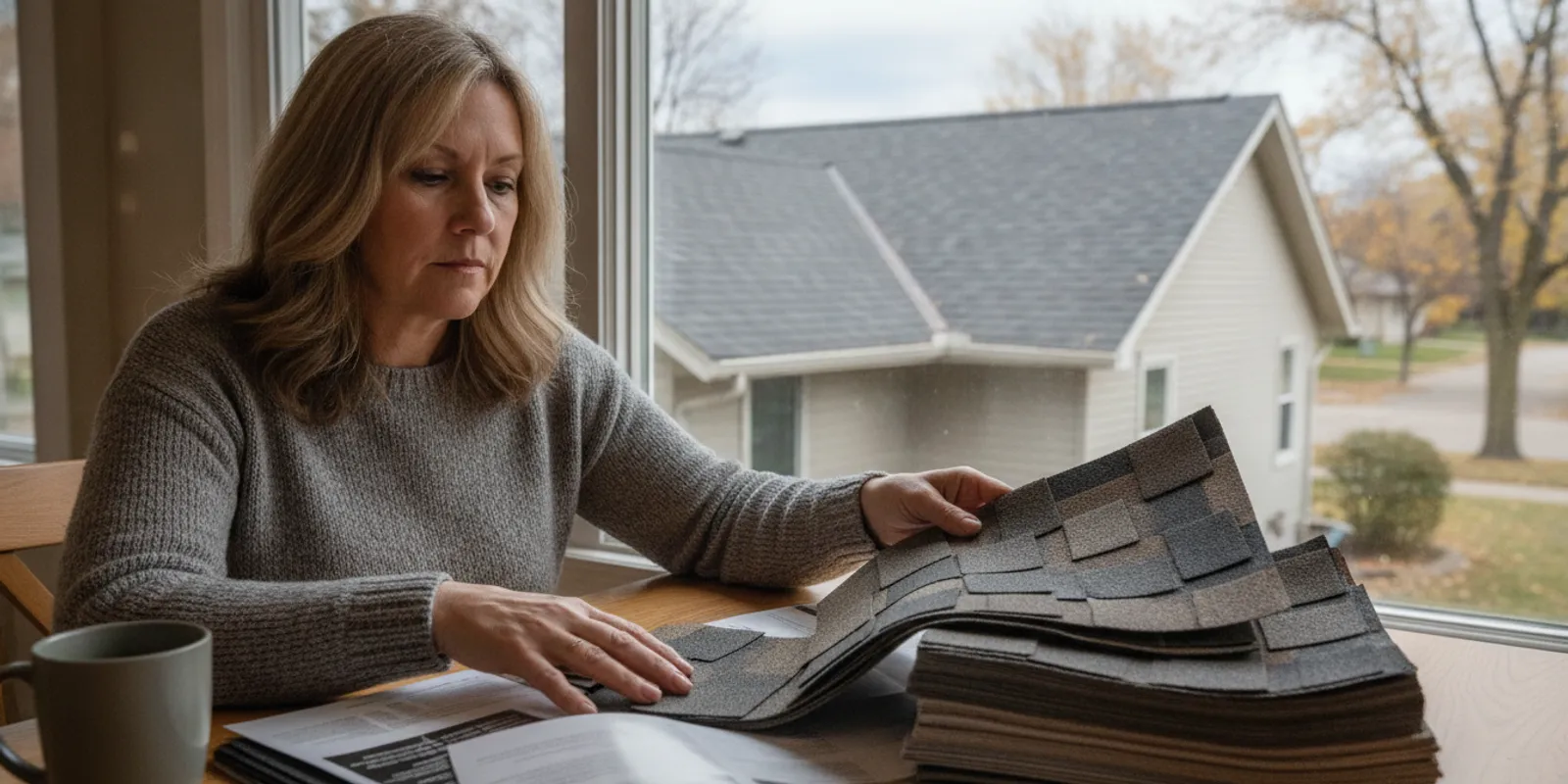
Start with the actual paperwork rather than a general description of a product or roofing system. Look for the warranty name, the party that issued it, the property or product covered, the start date, and the steps for reporting a concern. Check whether you need to register a product, submit a form, provide proof of purchase, or wait for an inspection before permanent repairs. If wording is unclear, ask the named provider to explain the relevant provision in writing.
Do not assume a roof material determines whether a particular concern qualifies. For background on roofing systems that might appear in a project record, see Minnesota Roofing Company's pages about shingle roofing and metal roofing. Those pages describe service categories; the contract and warranty paperwork for your own project set the applicable terms.
When reviewing a warranty, separate what it says is covered from what it asks the owner to do. One section may describe covered materials or workmanship, while another may require maintenance, timely notice, or an inspection. Write down each requirement you find, along with the page or section where it appears. This simple index helps you ask focused questions instead of relying on memory during a call.
What evidence and records should you gather?
A clear file gives the warranty contact a useful starting point. Gather records before sending a formal request, but do not postpone urgent steps to protect people or prevent additional damage. Keep a copy of everything submitted, including attachments, forms, and delivery confirmations.
Signed proposal, contract, change orders, and final invoice.
Warranty certificate, product information, registration confirmation, and installation details if provided.
Project completion records and construction photos, if available.
Current photos and a dated timeline describing when the issue appeared or changed.
Notes about weather or other events that occurred around the time you noticed the concern.
Receipts and records for temporary measures or related repairs.
Emails, letters, and dated notes from calls, including the contact's name or role.
Keep descriptions factual and specific. For example, “I noticed a water stain on the upstairs hallway ceiling after rain on October 8” reports an observation. “The flashing failed” states a cause that may not yet be known. If a contractor or manufacturer requests an inspection, ask whether the area should remain untouched until it takes place. If temporary action is needed to protect the home, record the condition before and after the action and keep the receipts.
Project files can also help establish which roof system and work were part of the replacement. Minnesota Roofing Company's roof replacement information and project gallery provide general context about roofing work. They do not replace the scope, material selections, or warranty terms in your own project documents.
How do you submit a clear notice?
Follow the reporting instructions in the paperwork. If the documents identify both a product provider and an installer, ask which party handles each part of your concern; you may need to notify more than one. Send a concise written message that identifies the property, the project, the condition you observed, and the response you are requesting. Use the required form or portal if the warranty specifies one, and save a copy of the submission.
A useful notice generally answers four questions: Which property and project are involved? When did the work take place, if known? What have you observed, and when did it begin? What do you need next, such as claim instructions or an inspection appointment? Include relevant photos and documents, but avoid sending a large unrelated file set that makes the key details hard to find.
You can adapt this simple outline to the provider's required process:
- Subject:
Warranty concern for roof replacement at [property address].
- Project details:
Approximate completion date and contractor or product information shown in your records.
- Observation:
Brief, factual description of the location, symptoms, and date first noticed.
- Attachments:
A short list of dated photos and relevant project documents.
- Request:
Ask how to submit the claim, whether an inspection is needed, and what to avoid before review.
Ask practical follow-up questions: Is there a form or deadline? Who will arrange an inspection? Should you avoid permanent repairs until the inspection? How will the decision be sent, and will you receive a reference number? If you speak by phone, record the date and main instructions, then send a brief written note confirming your understanding. For an independent roofing concern or a new project question, you can contact Minnesota Roofing Company. If you are assessing a larger replacement project, the company's residential roofing services page is another useful place to start.
For general consumer information about written warranties and consumer protections, the Federal Trade Commission is an authoritative government resource. Your particular coverage, required notice, and available remedies depend on the documents and circumstances; use the provider's stated process for the claim itself.
How do common paths compare?
The first contact depends on what the documents cover and what you observed. Use this table to organize questions, not to predict whether a claim will be accepted. Several paths may need to be considered at once.
Possible path | May concern | Useful first step | What to verify |
Material or manufacturer warranty | Specified roofing products under the written terms | Locate the certificate and follow its reporting instructions | Covered products, eligibility, exclusions, notice process, and evidence |
Contractor workmanship warranty | Installation work within the stated scope | Notify the contractor identified in the project records | Coverage period, scope, inspection process, and repair authorization |
Storm or other property damage inquiry | Damage potentially associated with a weather event or separate cause | Record the event and observations, then contact relevant parties | Cause, applicable agreement or policy, and notice requirements |
Paid repair or maintenance | A separate service need or condition outside a warranty's scope | Request a written description of proposed work before approval | Scope, price, materials, exclusions, and possible effect on review |
A repair estimate and a warranty decision are different things. An estimate describes proposed work or project costs; the warranty provider applies its own written terms and process. Before authorizing permanent work that could change evidence, ask the responsible party whether an inspection or approval is required. Do not delay urgent measures needed to protect people or property; document what was necessary and why.
What can complicate a warranty inquiry?
Missing paperwork, unclear responsibility, late notice, or changes made before an inspection can make it harder to understand which terms apply. So can treating a visible symptom as proof of its source. Water may travel before becoming visible indoors, and a ceiling stain alone does not identify where water entered. A careful timeline and neutral description are more useful than an early conclusion.
Temporary protection should balance safety with documentation. Do not climb onto a steep, wet, icy, or otherwise unsafe roof to place a tarp or inspect a suspected problem. If immediate mitigation is needed, use a safe option or seek appropriate help. Keep receipts and take photos of the affected area before and after any necessary temporary step when feasible. Ask the warranty contact whether permanent repairs should wait for an inspection, unless immediate action is needed to protect the property.
Other exterior issues can be tracked separately from the roof concern. If you are also reviewing drainage or wall cladding, Minnesota Roofing Company's pages on gutter services and siding services explain related work. Keep separate notes, photos, and agreements for each issue so the warranty inquiry stays focused on the roof replacement.
Be cautious about relying on verbal assurances alone. A helpful phone conversation can clarify the next step, but request confirmation of deadlines, inspection instructions, or coverage explanations in writing. If the provider says a condition is outside coverage, ask for the specific reason and the provision it relied on. You can then compare that explanation with the documents you have, rather than trying to reconstruct the conversation later.
What should you do after you contact the provider?
Once the notice is sent, maintain a simple log. Record the date, communication method, person or department contacted, documents sent, and promised follow-up. Add the next date you expect to hear back, if one is provided. If you receive an inspection appointment, confirm who will attend, what areas they need to access, and whether you should preserve any materials or records.
After an inspection, write down what was examined and what you were told. Ask when and how you will receive the findings or decision. If additional evidence is requested, send only what is relevant and keep a copy. If the response is unclear or a claim is declined, request the explanation and the contract or warranty language used. You may wish to consult the issuing party or a qualified professional about options under the agreement; do not assume an estimate, inspection, or conversation guarantees coverage.
If the concern involves several locations, label each photo and describe each spot separately. A short list such as “north bedroom ceiling,” “garage roof edge visible from ground,” and “date first noticed” is easier to follow than a folder of unlabeled images. For a property manager, identify the building, unit or area, and the person who can arrange access. Keep tenant reports and repair records together with the same timeline, while sharing only information needed for the review.
As you track the inquiry, separate confirmed facts from unanswered questions. A simple two-column note can help: record what the provider has confirmed on one side, and what you still need clarified on the other. For example, “inspection requested on November 4” is a confirmed action; “the repair will be covered” should remain an open question until the provider issues a decision. This distinction helps prevent an informal comment from being mistaken for an approval.
If the provider requests additional photos, identify the location and date in each file name or in a short attachment list. If access to a property is needed, agree on a safe way to reach the affected area without climbing or moving roofing materials yourself. Keep copies of inspection notes, written findings, and any proposed work scope with the original project records. If there are multiple issues, ask whether each needs its own form or reference number so follow-up stays organized.
When considering a new roof project rather than seeking warranty review, Minnesota Roofing Company's roof financing information may help you explore available project-planning information. Its Fast + Free Instant Estimate is a starting point for an estimate, not a warranty approval or coverage decision.
Frequently asked questions
Does every roof replacement include the same warranty?
No. Warranty terms vary by project, product, and written agreement. Review the documents for your roof and confirm unclear details with the provider identified in them.
Should I repair a leak before contacting the warranty provider?
Protect people and property first, but ask about inspection and authorization before permanent repairs when practical. Document urgent temporary measures and do not climb onto an unsafe roof.
Can a warranty claim cover storm damage?
That depends on the particular terms and the cause of the damage. Do not assume a product or workmanship warranty covers weather-related damage; report what you observed and ask which process applies.
What if I cannot find the warranty paperwork?
Use your contract, invoice, and project records to identify the installer or product provider, then request copies or instructions for locating the warranty details. Include the property address and project information you can verify.
Does an estimate decide whether a warranty claim is approved?
No. An estimate describes potential work or costs. The party responsible for the warranty makes decisions under its written terms and process.
A roof replacement warranty claim in Minnesota is easier to manage when you keep the documents, observations, and communication organized. Prioritize safety, follow the written reporting process, and ask the responsible party to clarify any uncertain requirement.
Comments