
Roof Inspection Before Selling a Minnesota Home: What to Prepare
If you plan to list a house, a roof inspection before selling home Minnesota homeowners arrange can help clarify the roof’s condition before questions arise during a buyer’s review. The goal is not to make the roof look perfect or promise a sale. It is to identify concerns, gather useful records, and decide what deserves attention before you set expectations with a buyer.
Short answer: Start early enough to review the roof from the ground, collect repair and installation records, and arrange a qualified roofing evaluation if you see warning signs or lack reliable information. Ask for clear findings and photos, then discuss repair, replacement, disclosure, or no action with the appropriate professionals for your transaction.
On this page
Why check the roof before listing?
A roof is a major part of a home’s exterior, yet many roof concerns are not easy to see from the ground. A leak may show up indoors well after the roof covering was damaged. A patch or replacement may have been completed years ago, but a seller may not have the paperwork close at hand. Checking before listing gives you time to understand what is known and what still needs attention.
Timing matters because a useful review is not just a last-minute box to check. If you find a condition that needs attention, you may need time to understand the scope, request a written proposal, coordinate work, and save the final paperwork. If the roof appears sound, having your records organized still helps you answer questions consistently. The right lead time varies with the property and your plans, so start when you begin preparing rather than waiting for a buyer to raise a concern.
A pre-listing roof review can serve several practical purposes:
- Reduce surprises.
Finding a visible issue early can give you time to ask questions and consider options instead of reacting under a deadline.
- Organize your records.
Work orders, invoices, product details, and photographs can help you explain what work was done and when, if asked.
- Plan realistically.
You can compare a repair recommendation with the roof’s overall condition before deciding how to proceed.
- Prepare for buyer questions.
You can share what you know without making unsupported claims about remaining roof life or future performance.
A roof check does not guarantee that a buyer will accept the home, that a lender or insurer will have no questions, or that hidden damage does not exist. It also does not replace the advice of a real estate professional, attorney, or other adviser about transaction requirements. Its value is in giving you a clearer, better-documented starting point.
If an inspection identifies damage or active leaking, learn more about roof repair options in Minnesota. When the roof is near the point where broader work should be considered, review the company’s information about roof replacement as a separate decision.
What does a roof inspection cover?
The word “inspection” can mean different things. A general home inspection may include observations about the roof as one part of a larger property review. A roofing evaluation focuses on roofing components and visible conditions. Neither should be described as a guarantee that every concealed area has been examined. Access, roof design, weather, and safety affect what can be observed.
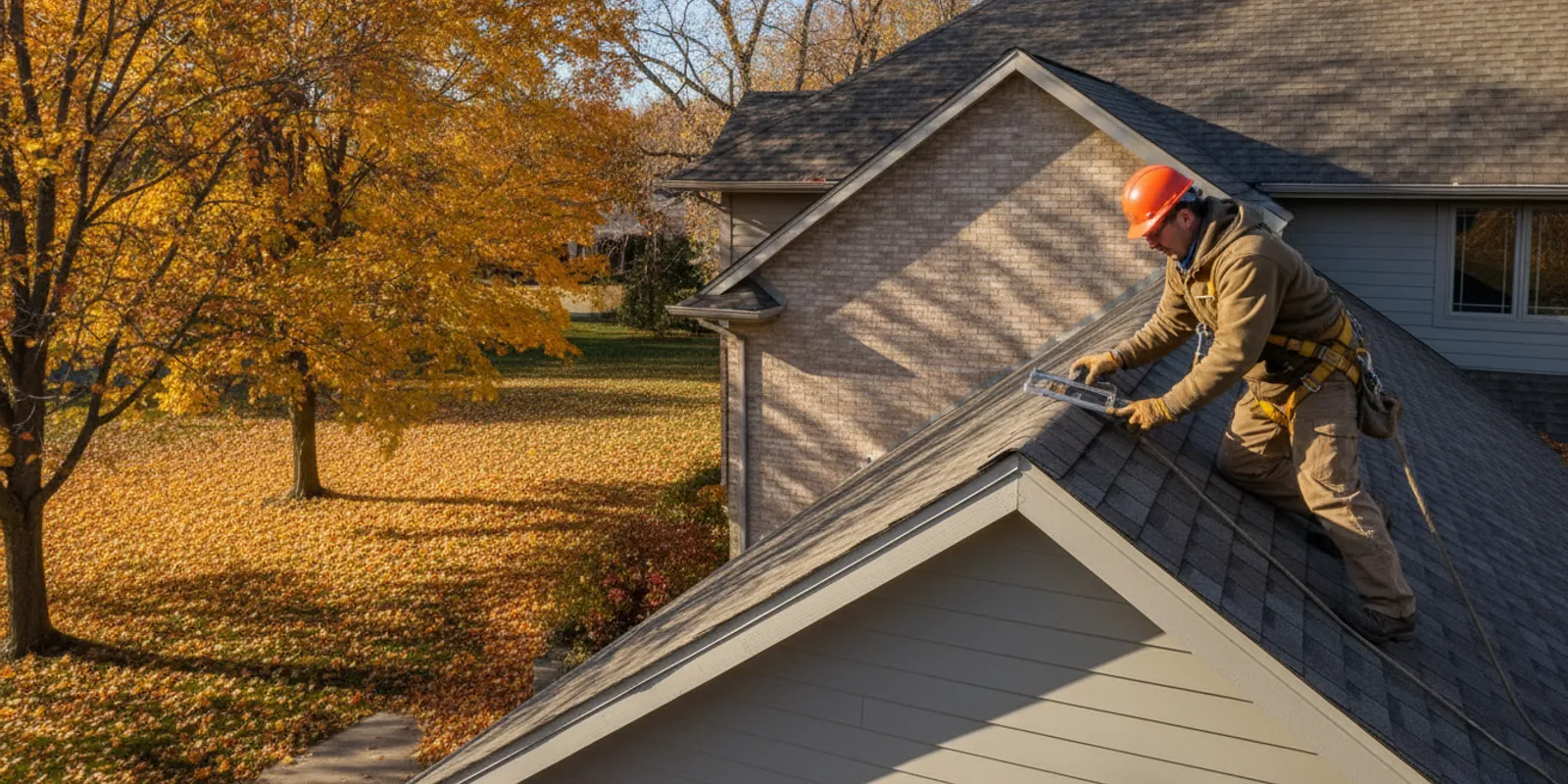
Depending on the roof and the scope agreed upon, a roofing professional may look at visible roof-covering materials, edges, penetrations, flashing, drainage features, and signs of damage or prior repairs. From inside the home, a seller can also note visible stains or dampness in accessible areas. The professional should explain the areas reviewed, any access limits, and what could not be verified.
Ask what the visit includes before scheduling. Do not assume that an estimate, a roofing evaluation, and a full home inspection are interchangeable. The company’s shingle roofing information and metal roofing information can help you identify the type of roof covering you have, but an online page cannot assess your particular roof.
For homes with a low-slope roof area, the material and drainage design may differ from the main pitched roof. Minnesota Roofing Company also provides information about flat roofing systems. Make sure a discussion of your property accounts for each roof section rather than treating the whole house as one uniform surface.
What should a seller do first?
Begin with information you can gather safely. You do not need to climb onto the roof to prepare for a useful conversation. Walking on a roof can cause falls or damage, and roof surfaces may be slippery or unstable. Leave access and close-up examination to qualified people using appropriate safety practices.
- Set a rough timeline.
Note when you hope to list and whether you have already set an inspection or photography date. Earlier review leaves more room to get questions answered.
- Look from the ground.
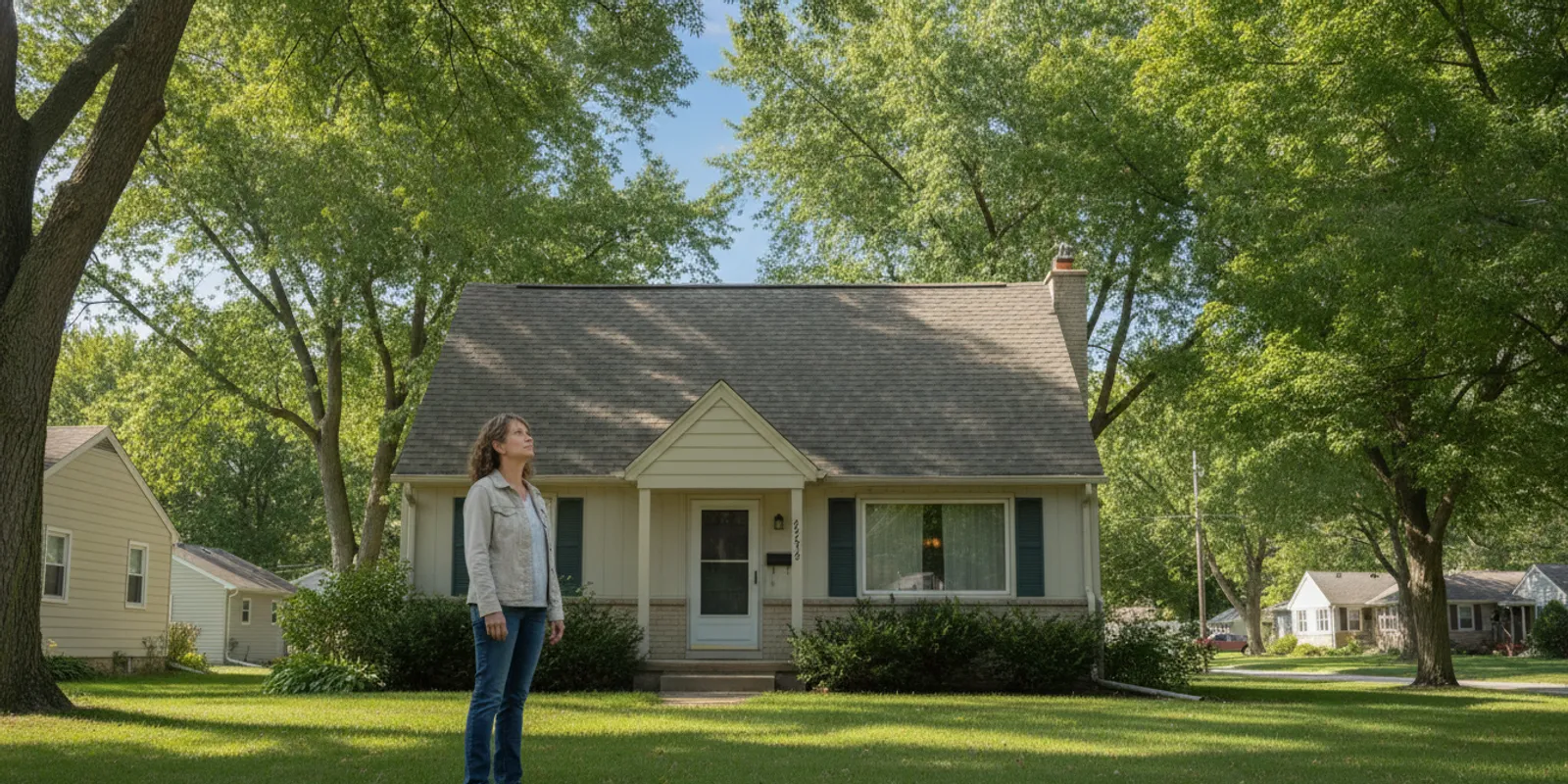
From a safe place, note visible missing, lifted, or uneven shingles; sagging areas; damaged gutters; debris; and anything that appears different from nearby roof sections. These observations are clues, not a diagnosis.
- Check accessible interior areas.
Look for water marks, peeling paint, dampness, or musty odors on ceilings and upper walls. If you can safely see into an attic, note visible staining or daylight, but do not step onto unsupported surfaces or disturb insulation or wiring.
- Gather documents.
Find previous roof invoices, permits if you have them, repair notes, warranties, product information, and photographs. Do not infer that a warranty transfers or remains valid; check its terms.
- Make a question list.
Record when a leak or repair occurred, whether it returned, and which rooms were affected. This helps a professional understand the history.
- Request a clearly scoped evaluation.
Explain that you are preparing to sell and ask what areas will be reviewed, what the written findings include, and whether photos are provided.
Keep observations factual. For example, write “water mark on the ceiling below the north roof slope, first noticed after heavy rain in May” rather than deciding on your own that the roof is leaking in a specific place. A visible stain may have more than one possible cause. Careful notes help avoid confusion without overstating what you know.
If you are also reviewing water management around the home, the company’s page on gutters explains another part of the exterior to consider. Roof runoff and gutter conditions are related, but a gutter concern alone does not prove that the roof covering is defective.
What roof concerns should you look for?
From a safe viewing position, focus on changes and patterns rather than trying to assign a cause. Individual roof materials vary, and surface marks can be difficult to interpret without a closer review. A professional can help distinguish ordinary wear from a condition that merits repair or further investigation.
What you notice | What it may indicate | Useful next step |
Missing, lifted, curled, or uneven roof covering | A damaged area, past repair, or wear that deserves a closer look | Photograph it from the ground and ask whether a roofing evaluation is appropriate |
Ceiling stain, damp spot, or recurring interior moisture | Possible water entry, plumbing issue, condensation, or another source | Note when it appears and have the source assessed rather than assuming it is a roof leak |
Loose or visibly damaged flashing near a chimney or roof edge | A detail that may need maintenance or repair | Ask the professional to identify the location and explain the recommended scope |
Gutter pulling away, overflowing, or holding debris | A drainage or attachment concern; it does not by itself establish roof damage | Include the gutter in your exterior notes and ask whether it should be addressed |
Hail or wind marks after a storm | Potential storm-related effects that may need qualified documentation | Save dated photos and review the company’s guidance on storm damage to roofs |
Do not use a ladder to get a better view if you are not trained and equipped to do so. Zooming a phone camera from the ground may help you record a visible concern, but it cannot substitute for an assessment. If you notice active water entering the home, protect people and belongings from the affected area and seek timely help. Avoid touching wet electrical fixtures or entering an unsafe area.
For suspected hail effects, do not assume that every mark is storm damage or that a claim is warranted. Preserve the date and basic details of the weather event if known. Minnesota Roofing Company has a guide to recognizing possible hail damage; use it to understand what clues may merit follow-up, not to self-certify a claim.
What records should you gather?
A small, organized file can make later conversations easier. Include only documents that relate to your property and label them with dates when possible. Helpful items may include:
Roof installation or replacement paperwork, if available.
Invoices and descriptions for past repairs or maintenance.
Product or warranty documents, along with any transfer terms you were given.
Photographs of work before, during, or after completion.
Notes about leaks, including when they began, where they appeared, and whether they returned.
Storm dates or other events you believe may relate to a roof concern.
Any written evaluation, estimate, or repair proposal you receive.
Keep the difference between a finding and a recommendation clear. An observation might say a section is damaged. A proposal might recommend a repair. A separate decision about whether to proceed depends on the scope, cost, roof condition, your sale schedule, and advice relevant to your transaction. Store copies rather than handing over your only original records.
If you have made other energy improvements, keep those records in a separate section. The Minnesota Department of Commerce describes how a HERS inspection and rating score can help prioritize energy-efficiency projects for existing homes; that information is about energy efficiency, not a roof condition assessment. See Minnesota’s efficient home building resources if you are separately reviewing that topic.
What should you ask a roofing professional?
A good conversation starts with a clear scope. Tell the professional that you are preparing to sell, share the roof’s known history, and ask what the evaluation can and cannot establish. You can ask:
Which roof areas and components will you review?
Will the review include photographs and written observations?
What areas were inaccessible or not visible, and why?
Did you find an active concern, a maintenance item, or a condition that needs more investigation?
Which work, if any, appears urgent, and which items can be considered later?
Can you explain the difference between a repair recommendation and a full replacement recommendation?
What assumptions or exclusions are included in the estimate?
What is the proposed scope, and which materials or areas does it cover?
Should I ask another professional about transaction disclosures, insurance, or warranty transfer?
Ask for plain language. If a report uses terms you do not understand, ask the person who prepared it to explain the observation and its limitations. Do not treat a rough estimate as a promise of final cost or a complete diagnosis unless the written scope says so. Comparing proposals is most useful when each describes the same areas and work.
Minnesota Roofing Company serves residential and commercial property owners across Minnesota. Its information about residential roofing can help homeowners understand the company’s roof services. A request for an estimate is a starting point for a project conversation; confirm directly what evaluation, documentation, or work is included before making plans.
Should you repair, replace, or leave the roof as it is?
There is no single answer for every seller. A small, clearly defined issue may call for a repair. Widespread deterioration or repeated problems may lead to a conversation about broader work. In other cases, you may decide not to complete work before listing, but you should understand the condition and get transaction-specific guidance about how to handle known information.
When comparing repair and replacement proposals, look beyond the headline total. Check whether each proposal addresses the same roof section, describes removal or repair work, identifies materials, and states what happens to related details such as flashing or underlayment when those are within scope. Ask whether anything could change after work begins and how that would be explained and approved. A lower proposal may cover a narrower scope, so compare the written work descriptions before treating prices as equivalent.
Also think about what you need for the sale file. Ask what documentation will be provided after work and whether the contractor can describe the completed scope in writing. Keep invoices and any product information with your home records. If a buyer later asks what was done, you can refer to the actual paperwork rather than relying on memory or a broad statement such as “the roof was fixed.”
Use the findings to compare options, not to choose based only on a roof’s age or one visible mark. Consider:
- Extent:
Is the concern limited to one area, or are multiple sections affected?
- Function:
Is there active water entry or another issue that could worsen if not addressed?
- Scope:
Does the proposal explain exactly what will be repaired or replaced?
- Timing:
Can the work be completed and documented before listing or closing, if that is your preference?
- Documentation:
What records or warranty information will you receive after work?
- Transaction advice:
What should your real estate professional or attorney tell you about communicating known conditions?
Do not promise a buyer a particular remaining service life unless that conclusion is supported and appropriate to share. Roof materials, installation, ventilation, weather exposure, repairs, and maintenance all affect condition. A written assessment can describe what was observed on a particular date; it cannot guarantee future performance.
For some sellers, financing may be relevant to planning larger exterior work. Review available roof financing information directly with the company and the financing provider to understand current terms and eligibility. Do not assume a financing option applies to every project or sale.
How can roof findings affect the sale process?
A roof finding can lead to several conversations: whether to make a repair, whether to adjust a plan or timeline, what documents to keep, and how to respond if a buyer asks about the roof. The appropriate choices depend on your home, the agreement, and applicable transaction rules. A roofing contractor can explain roof observations and proposed work, but should not replace legal or real estate advice.
If you decide to complete work, keep the proposal, final invoice, product details, and photographs together. Confirm what work was actually performed and whether the contractor’s documents describe any limitations. If you do not complete recommended work, retain the evaluation and ask your transaction adviser how to handle it. Do not alter, conceal, or describe a condition beyond what you can support.
For a storm-related concern, keep the dates, photos, and reports organized. Review the company’s explanation of when homeowners may consider an insurance claim for roof damage, and direct coverage questions to your insurer or qualified adviser. A roofing company can document visible roof conditions and discuss repairs, but no contractor can promise an insurer’s decision.
Roof water management and attic conditions may also be relevant to the home’s overall exterior and comfort. If those topics arise, Minnesota Roofing Company provides information about attic insulation and its broader siding services. Consider each as a separate issue; one exterior observation does not establish that other systems need work.
When you are ready to discuss roof work or next steps, use a written estimate request and ask what it covers. Minnesota Roofing Company’s fast, free instant estimate is a way to begin that conversation; it should not be mistaken for a promise of an on-site inspection or a final diagnosis.
Frequently asked questions
Should I inspect the roof myself before selling?
You can make safe observations from the ground and note interior signs, but do not climb onto the roof or attempt a close-up examination without proper training and equipment. A qualified professional can review visible roof conditions and explain the limits of that review.
Is a roofing evaluation the same as a home inspection?
No. A home inspection generally considers the property as a whole, while a roofing evaluation focuses on roofing conditions within its stated scope. Ask each provider what is included and do not assume one replaces the other.
Do I need to replace the roof before listing my Minnesota home?
Not necessarily. The answer depends on the roof’s observed condition, your goals and timing, and the transaction. Get a clear assessment and discuss any buyer communication or disclosure questions with your real estate professional or attorney.
What if I cannot find the roof installation records?
Share what you do know, such as approximate dates or repairs, and avoid guessing. A roofing professional may be able to describe visible conditions, but may not be able to verify installation date, product details, or concealed work without records.
Will an estimate tell me whether the roof will pass a buyer’s inspection?
No estimate can guarantee how another inspector, buyer, lender, or insurer will view the roof. Ask for the estimate’s scope and findings, then consult the relevant transaction professional about questions outside roofing work.
Preparing early, keeping observations factual, and asking for a clearly scoped roof review can help you make more informed decisions as you get a Minnesota home ready to sell.

Comments