
Roof Inspection After Winter Damage Minnesota
A Minnesota winter can leave roof concerns that are difficult to see from the ground. A roof inspection after winter damage in Minnesota should begin with safe observations inside and outside your home, not a climb onto an icy or steep roof. This guide explains warning signs to record, what a professional review may clarify, and how to prepare useful questions.
In short: Check ceilings, accessible attic areas, roof edges, and visible shingles from the ground. Photograph changes, note when they appeared, and do not disturb loose materials or climb onto a roof. If you see active water entry, damaged components, or signs you cannot assess safely, arrange professional guidance.
What can winter roof damage look like?
Winter weather can make existing weak points more noticeable or leave new concerns around roof edges, valleys, penetrations, and transitions. A stain or displaced shingle is a reason to look more closely, but it does not identify the cause by itself. Start by comparing what you see with earlier photos, if you have them, and focus on changes rather than trying to diagnose the roof from a distance.
- Interior water marks:
New ceiling stains, bubbling paint, damp drywall, or a musty smell may point to moisture. Water can travel along framing or other surfaces before it becomes visible, so the stain may not be directly under the entry point.
- Shingle changes:
Missing, cracked, lifted, or visibly displaced shingles deserve attention. Use binoculars or a camera zoom from a stable location instead of climbing for a closer look.
- Roof-edge concerns:
Gutters that appear separated, damaged fascia, or debris near a drainage path may merit assessment. Do not tug on loose components or stand beneath hanging material.
- Flashing and penetrations:
Chimneys, vents, skylights, and roof-to-wall transitions are places where a professional may look closely. Ground-level views may not show flashing details.
- Attic moisture:
If the attic is safely accessible, look for damp insulation, water marks on framing, drips, or daylight where the roof should be closed. Do not touch wet wiring or disturb materials.
A leak that appears only during melting conditions can be intermittent. Record the timing and weather instead of assuming the visible mark reveals the full story. Minnesota Roofing Company’s storm-damage roofing information and its article on damage that may not be immediately visible provide related context.
How can you check your roof safely?
Do not walk on a roof covered in snow, frost, or ice. Even after snow has melted, damp or shaded surfaces may remain slick. A useful first check does not require roof access. Observe from the ground, inspect accessible rooms, and leave close-up roof evaluation to a qualified professional. The National Weather Service provides official local weather information at weather.gov; check current conditions before planning any exterior observations.
- Choose a safe vantage point.
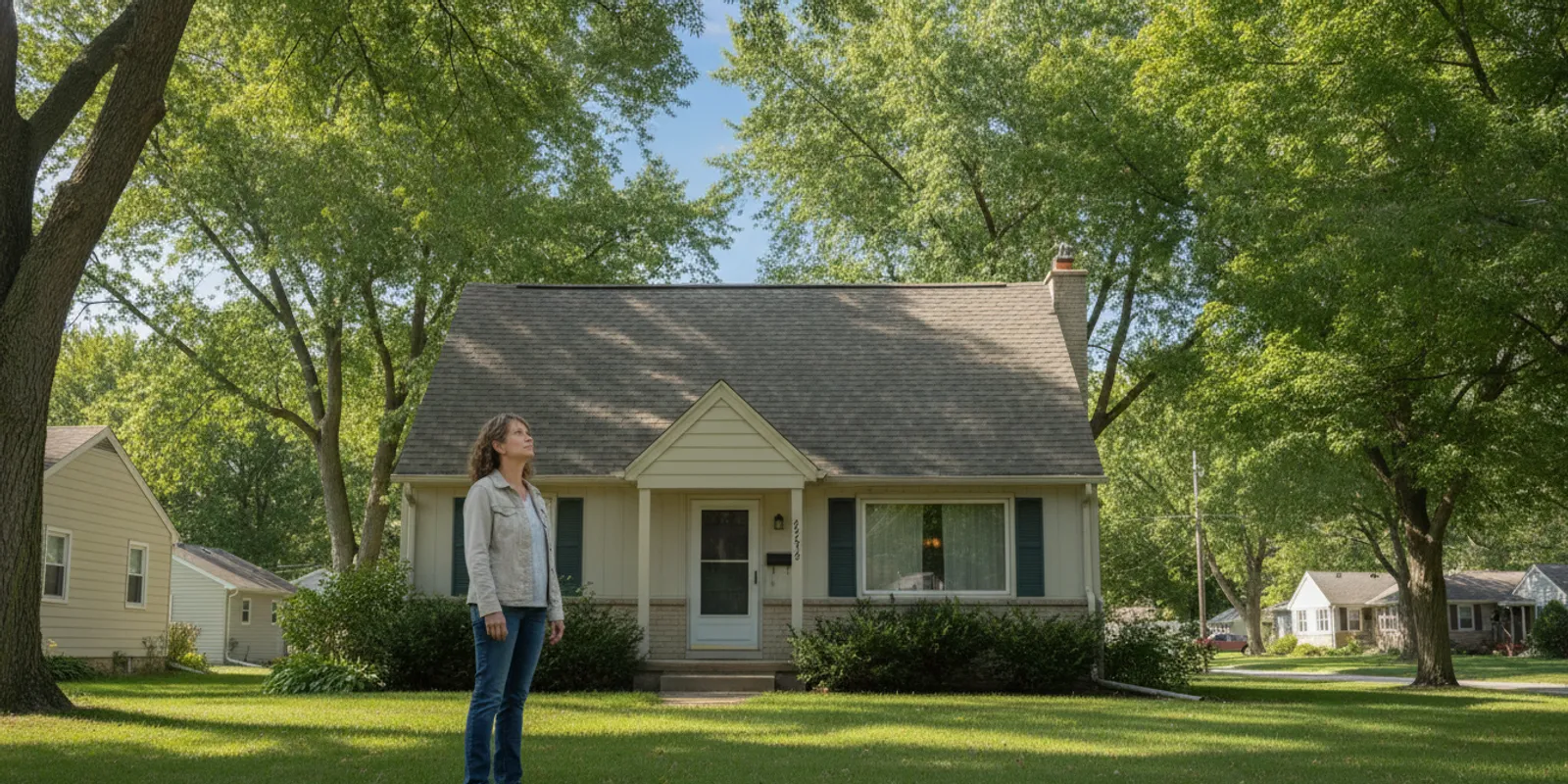
Walk the perimeter on stable ground and view each roof plane, eaves, valleys, and drainage paths. Keep away from falling ice, hanging branches, and loose materials. Binoculars can help, but do not lean over a railing or climb a ladder to improve the view.
- Check rooms below roof areas.
Look at ceilings and upper walls for new discoloration, peeling finishes, dampness, or odors. Photograph each mark once close enough to show detail and once from farther back to show which room and ceiling area it is in.
- Enter the attic only if access is safe.
Use a flashlight, stay on the intended walkway or framing, and avoid stepping on ceiling material. Note moisture, drips, and visible changes without moving insulation or touching wiring. If access is cramped, poorly lit, or unsafe, leave it to a professional.
Look at connected exterior features.
From the ground, note apparent gutter separation, debris, or siding changes near the roof edge. Minnesota Roofing Company also provides
and
for related exterior components.
- Stop if the situation is hazardous.
Do not approach a sagging roofline, unstable ladder, loose electrical service, or a place where material may fall. If a ceiling is bulging or water is near electrical equipment, keep people clear and seek appropriate urgent help.
If water is actively entering, move belongings and place a container under drips only if you can do so safely. Do not puncture a ceiling, climb onto the roof, or attempt a temporary repair near power lines. A short record of what happened is more useful than a risky attempt to find the precise source yourself.
What should you document before an inspection?
Good notes help explain what you observed without turning a homeowner check into a diagnosis. Keep original photos and add brief captions with the date, location, and conditions. If a mark changes, take another photo from approximately the same position so the difference is clear.
- Where:
Identify the room, ceiling area, roof slope, or outside corner, using a simple sketch if the location is hard to describe.
- When:
Record when you first noticed the concern and whether it followed snowfall, thawing, rain, or wind.
- What changed:
Note whether moisture is active, whether the stain is growing, and whether a shingle or gutter looked different from earlier photographs.
- What you did:
List safe steps already taken, such as moving belongings or containing a drip. Avoid implying that a temporary measure fixed the underlying condition.
- Prior roof information:
If known, note the roof material, approximate age, and prior repairs. Mark unknown details as unknown rather than guessing.
For example, “water spot in the upstairs hallway, first noticed the morning after a thaw; dry by afternoon; photo saved” is more useful than “roof leaking.” The first note describes an observation and a time pattern without asserting a cause. If you suspect storm-related damage, document what you see without assuming insurance will cover a repair. Coverage depends on the policy and insurer. You can review information about when to file a roof-damage claim and possible hail damage signs, then ask your insurer policy-specific questions.
How should you choose a next step?
Separate urgent safety concerns from observations that can be recorded for follow-up. Active water entry, a sagging ceiling, wet electrical fixtures, or falling material requires caution. Keep people away from the affected area, protect belongings if safe, and seek appropriate help. For a dry stain or a roof component that looks displaced from the ground, arrange an assessment rather than trying to repair it yourself.
Observation | Safe response | Useful details to record |
Active leak or fresh interior stain | Move belongings; contain drips only if safe; request prompt guidance | Room, time, weather, photos, and whether moisture continues |
Missing or shifted shingles visible from the ground | Stay off the roof and arrange a closer review | Roof area, date noticed, and ground-level photos |
Gutter or fascia appears loose | Keep clear; do not pull or climb to inspect it | Location, apparent movement, and related water marks |
Recurring attic moisture but no current leak | Record the pattern and ask whether a professional inspection is appropriate | Dates, conditions, affected area, and prior repair information |
No visible damage but concern persists | Explain the concern and ask what evaluation is practical | What prompted the concern and what locations were checked safely |
A visible symptom does not automatically mean a roof needs replacement. A review may point to a localized repair, a need for more evaluation, or a condition to monitor. Minnesota Roofing Company’s roof repair information and roof replacement overview describe different service paths; the appropriate choice depends on the roof’s actual condition.
Drainage can be part of the discussion, especially when water marks appear near eaves or gutters. The company’s ice dam information and guide to how gutters protect property can help frame questions about related components. Do not assume that a gutter concern alone explains an interior leak.
What can a professional roof inspection clarify?
A professional inspection can assess areas that are not visible from the ground and consider how the roofing components work together. The specific review depends on the roof design, access, weather, and the concern you report. It may help clarify whether a visible condition warrants repair, whether additional evaluation is appropriate, or whether the moisture may involve another part of the building.
Roof material and shape matter. A shingle roof, metal roof, and flat roof have different details to review. Commercial property owners can also read about commercial roofing. Share the symptom and its timing so the inspection can focus on the question you actually have.
When arranging a review, ask what areas will be examined, what the findings mean, and whether the next steps can be explained in writing. Helpful questions include:
Which component or area shows a concern, and what was observed?
Is there evidence of current water entry, or a condition that could become a concern?
What work, if any, is recommended now, and what can be monitored?
Are there limitations because of weather, access, or visibility?
Would a repair address the identified issue, or is further evaluation needed?
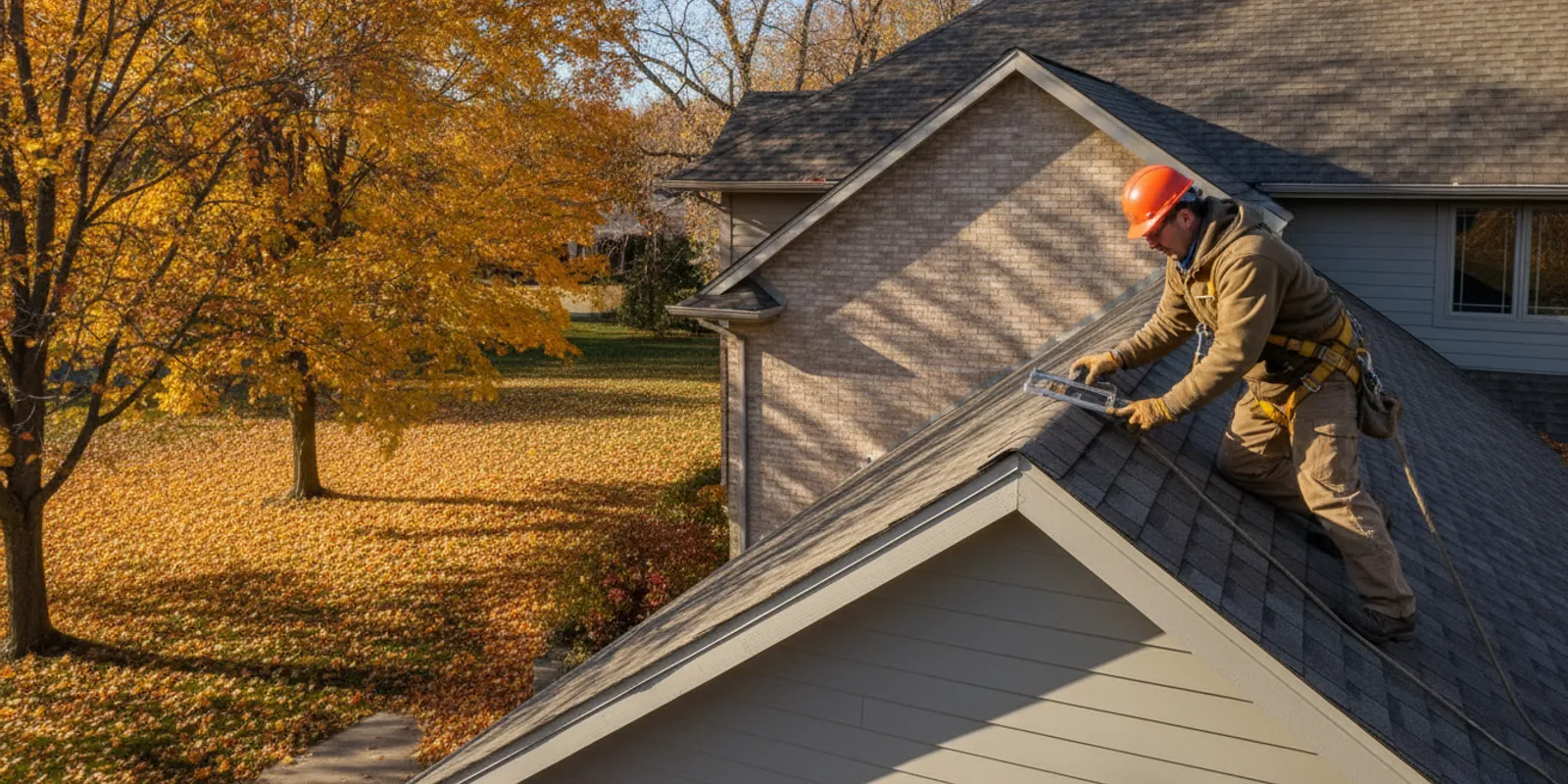
For context on changes that may not be obvious from a ground-level view, see the company’s professional inspection discussion. An inspection should connect the findings to specific observed conditions; do not feel you need to decide on a large project before you understand the explanation.
How can you prepare for an estimate?
Gather the property address, the roof type if known, an approximate age or last-work date if available, and a few photographs from safe locations. Make a short list of interior symptoms and note whether each is active, recurring, or limited to particular weather. Include any previous repair information you have, but do not delay asking for help while trying to find every document.
Minnesota Roofing Company offers a Fast + Free Instant Estimate. An instant estimate is a starting point and is not a substitute for a physical inspection when one is needed to evaluate hidden conditions. You can also review roof financing information if comparing possible project paths.
Use the conversation to clarify what is known and what remains uncertain. Ask whether the estimate reflects a visible condition or assumptions that need confirmation. If the recommendation involves repair or replacement, ask which specific areas are included, what conditions could change the scope, and how you will receive the findings. Keep the answers with your photos and notes.
How can you make the inspection conversation more useful?
A focused conversation helps connect your observations with the areas being reviewed. Start with the most concrete symptom: where it appeared, when you noticed it, and whether it changed. Instead of opening with a conclusion such as “the roof is failing,” describe what you know: “There is a new brown mark above the north bedroom window, first seen after melting weather.” That leaves room for the inspection to identify the cause rather than anchoring the discussion on a guess.
Then walk through your notes in a consistent order. Begin indoors, move to the attic if you checked it safely, and finish with ground-level exterior observations. Show photos in sequence and explain which views are close-ups and which establish location. If the mark has dried, say so; if it has grown, show the dated comparison. This makes it easier to distinguish a one-time observation from a recurring pattern.
- Ask what was directly observed.
Separate visible evidence from a possible explanation, and ask which areas could not be checked.
- Ask how urgent the issue is.
Clarify whether you should take an immediate safety step, arrange repair promptly, or simply monitor a condition.
- Ask what work addresses.
If work is proposed, ask which component it concerns and how that relates to the observed symptom.
- Ask what else could explain the symptom.
Moisture can have more than one possible path, so ask whether another building area may need review.
- Ask what to watch for next.
If no immediate work is recommended, request clear signs that should prompt another call.
For instance, if a stain appears after a thaw and then dries, that timing is useful evidence to share, but it does not prove where water entered. A second symptom, such as damp insulation in a particular attic area, may help guide a closer look, yet it still needs to be interpreted in context. The goal is not to self-diagnose; it is to give the professional a reliable starting point and leave with a clear explanation of the findings.
After the conversation, keep the written recommendations with your dated notes. If you receive more than one proposed path, compare the scope and the reason for each, not just the labels. A repair and a replacement are different levels of work; the correct fit depends on the roof condition, the specific issue, and what the inspection actually found. If something in the explanation is unclear, ask for it to be restated in plain language before deciding.
Frequently asked questions
Should I climb onto my roof after winter?
No. Snow, frost, damp roofing, and steep slopes can make roof access dangerous. Use ground-level views and safe interior observations, then ask a professional to evaluate areas you cannot reach safely.
Can a ceiling stain show exactly where water entered?
Not reliably. Water may travel before becoming visible, so the stain may be offset from the entry point. Photograph the stain and record when it appears so the pattern can be discussed.
Does winter damage mean I need a new roof?
Not necessarily. A professional review may identify a localized repair, a condition to monitor, or a reason for further evaluation. The appropriate next step depends on the roof’s condition and the scope of any damage.
What should I do if a leak is active?
Move belongings and catch water only if it is safe. Keep clear of sagging ceilings and wet electrical fixtures, and seek prompt professional guidance. Do not climb onto the roof to attempt a repair.
What should I bring to a roof inspection?
Bring dated photos, a short timeline, the locations of interior marks, and any known roof-age or repair information. If you do not know a detail, say so rather than guessing.
A safe, well-documented roof inspection after winter damage in Minnesota can help turn uncertainty into a practical next step without taking unnecessary risks.

Comments