
Questions to Ask a Roofing Contractor: The Complete Minnesota Homeowner Guide
Updated: Sep 15
A new roof in Minnesota is a big investment, one that needs to survive twenty below zero temperatures and heavy hail storms. You can avoid costly mistakes by knowing exactly what answers to look for when you ask these questions to a roofing contractor before you sign a contract.
Call (612) 888-7663 to schedule a free roof inspection and get expert answers to every question on your list.
The questions to ask a roofing contractor should focus on local licensing, insurance coverage, and warranty terms to protect your home. In our state, the Minnesota Department of Labor and Industry requires all residential roofing companies to hold a valid state contractor license to operate legally. You should also verify that the company carries general liability insurance and workers' compensation to protect you from liability. Ask about manufacturer certifications like GAF Certified status, which proves the team has undergone rigorous training. Beyond paperwork, ask about their experience with insurance claims and if they will meet with your adjuster. Getting clear answers ensures you hire a pro who will advocate for your needs during the project.
Choosing the right company means looking past the lowest price to find true local expertise. The first thing you should check: is the roofing contractor properly licensed and insured in Minnesota? Here is how you can find out.
Get a Free Roof Inspection: the First Step Before Any Questions
Before you compare contractors side by side, get a free roof inspection from Minnesota Roofing Company to understand what your roof truly needs. An inspection identifies damage you may have missed and gives you the facts you need to ask the right questions to ask a roofing contractor during the hiring process.
Our team has over 30 years of local experience working with Twin Cities homeowners. A free inspection gives you a damage report you can use to get accurate estimates from any contractor you interview. Request a free estimate online to get the process started, then bring that report to every contractor interview.
Questions To Ask A Roofing Contractor: Is the Roofing Contractor Properly Licensed and Insured in Minnesota?
Every questions to ask a roofing contractor list must start with licensing and insurance verification. Minnesota law requires residential roofers to hold a valid state contractor license. A licensed and insured crew protects you from liability and ensures the work meets state standards.
Hiring a team to fix your home is a big step. You need to know if the crew you pick is safe to work on your roof. In Minnesota, the law sets clear rules for who can do this work. Asking about a license is one of the top questions to ask a roofing contractor before they start. A good team will be happy to show you their proof.
Check for a state license
The first thing to look for is a state license. The Minnesota Department of Labor and Industry (DLI) says all residential roofers must have one. This license shows the crew meets state rules. You can find a license number on the DLI site to see if it is current. For example, Minnesota Roofing Company holds license #BC688547. Checking this helps you avoid bad crews that are not local or legal.
Ask about insurance coverage
Insurance is a must for your safety. A roofer should have two types:
- General liability
covers damage to your property during the job, like a dented gutter or broken window.
- Workers' compensation
covers the crew if someone gets hurt on your land, so you are not on the hook for medical bills.
Always ask for a certificate of insurance and call the agent listed to confirm the policy is active. This step keeps your home and your money safe.
Look for brand certifications
Extra training from brands like GAF or Owens Corning is a good sign. These manufacturers only select contractors that pass rigorous inspections. Being GAF Certified means a roofer has a proven track record and can offer enhanced warranty options. Contractors with Owens Corning Preferred status have also met high standards. These credentials show the team follows best practices to keep your home dry and safe. Learn more about shingle roof options from certified local contractors.
What Warranties Do You Offer on Materials and Workmanship?
A new roof comes with two separate protections: a material warranty from the shingle manufacturer and a workmanship warranty from the contractor. You need both to avoid costly gaps in coverage. The key questions to ask a roofing contractor about warranties include duration, transferability, and what each plan specifically covers.
When you hire a local roofing contractor, you must understand the two main types of protection. A new roof usually comes with a material warranty and a labor warranty. One covers the shingles, while the other covers the job done by the crew. Most residential roofing services will offer both to ensure your home stays dry for years.
Material and manufacturing coverage
Manufacturer warranties protect you if the shingles fail due to a defect. For asphalt shingles, these plans usually last between 25 and 50 years. But these plans often only pay for the cost of new parts and may not cover the labor to install them.
Top brands like GAF provide better plans through vetted contractors. A GAF Certified contractor can offer the System Plus or Golden Pledge plans that cover the entire roof system. Key questions to ask:
Is the warranty transferable to a new owner if I sell my home?
Does it cover both materials and labor for repairs?
What is the exact duration for each part of the warranty?
Workmanship and labor protection
A workmanship warranty covers errors made during the installation. While the brand covers the shingles, the contractor covers their own work. A standard workmanship plan from a quality pro lasts 5 to 10 years. This is vital because many leaks happen due to poor labor rather than bad parts. State guides suggest that written warranties are the only way to ensure your roof is fully protected.
You must get all warranty details in writing before the job starts. Verbal promises are hard to prove and will not help if a leak occurs. Make sure your contract lists what is covered and for how long. If you need help after a storm, a clear plan makes the storm damage repair process much easier.
Do You Handle Insurance Claims for Storm Damage?
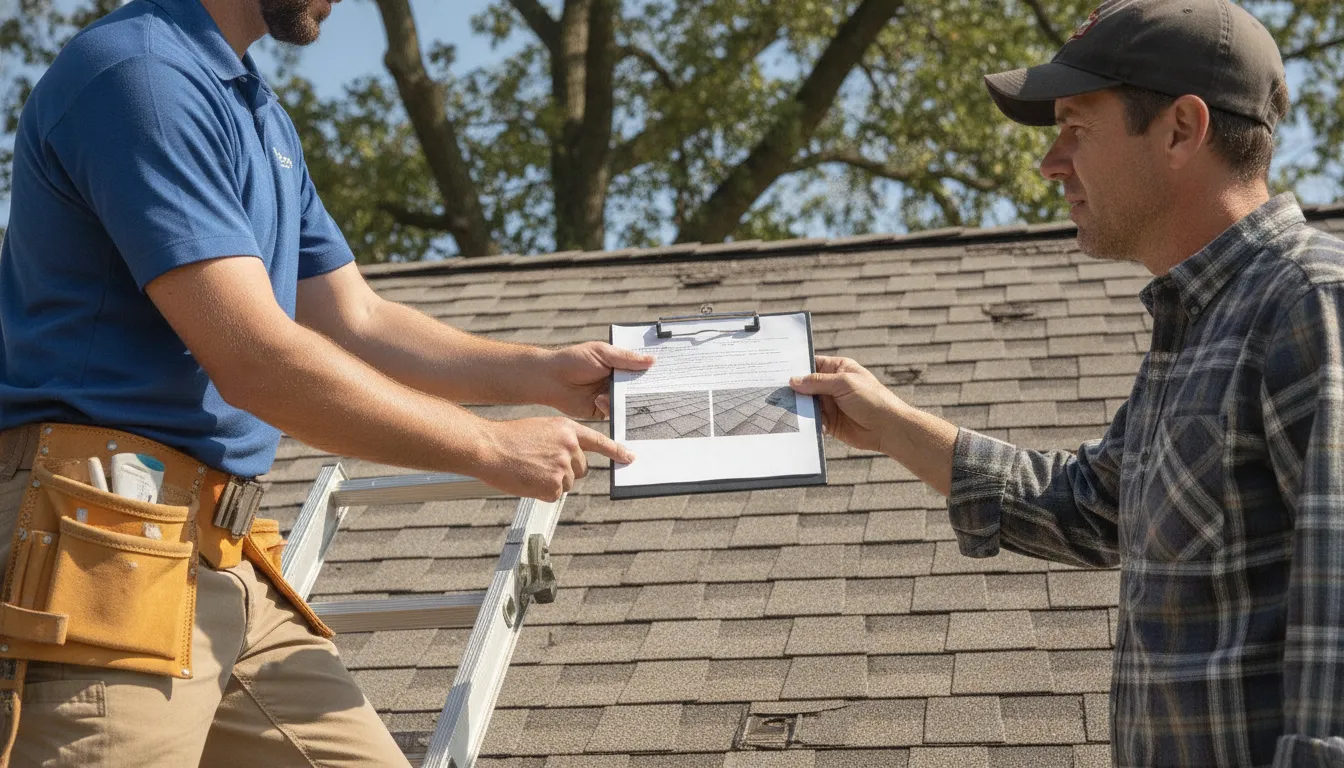
A roofing contractor who handles insurance claims acts as your advocate during the adjuster visit, ensuring every dent and scrape is documented. Between 2012 and 2021, Minnesota faced 87 hailstorms, making storm damage a near certainty. Asking about claims experience is one of the most important questions to ask a roofing contractor before you sign.
Dealing with storm damage in Minnesota is often a complex task. Between 2012 and 2021, our state faced 87 hailstorms, making roof damage a common fact for most homeowners. When you find leaks or missing shingles. Asking your roofer if they work with insurance firms is one of the most vital questions to ask a roofing contractor during your first talk.
The cost of storm damage in Minnesota
Severe weather in the Twin Cities can lead to high repair costs that most people cannot pay on their own. In Minnesota, the average hail damage claim is about $30,000. Because costs are so high, you must find a team that knows how to present damage to your adjuster.
Many homeowners are surprised by their out-of-pocket costs. In our state, deductibles for wind or hail damage usually range from 2% to 5% of the total home value. A skilled roofing partner will help you understand these numbers before any work starts. Read our guide on getting insurance to pay for your roof for a deeper look at the claims process.
How a contractor helps with your claim
A top roofer does more than just install new shingles; they act as your guide through the entire claim process. Here is the step-by-step process a claims-savvy contractor follows to protect your payout:
- Inspect the roof thoroughly.
The contractor documents every dent, scrape, and missing shingle with photos and measurements before filing anything.
- Meet the adjuster at your home.
Your contractor attends the insurance adjuster visit to ensure nothing is missed or undervalued on the first walkthrough.
- Review the initial estimate together.
The contractor explains what the insurance approved, what was denied, and whether the 25% rule applies to your situation.
- File supplemental claims if needed.
If tear-off reveals hidden damage, the contractor submits additional documentation to get it covered.
- Oversee the installation to spec.
The contractor ensures the work matches the scope approved by insurance, so no out-of-pocket surprises arise at the end.
Working with a pro who knows these steps makes the roof replacement process much smoother for you and your family. For signs that your roof may already be damaged, check our damaged roof signs guide.
Can You Provide References from Recent Minnesota Projects?
Ask for at least three references from projects completed in the last 6 to 12 months. Recent references confirm the contractor's current crew quality, while manufacturer badges like GAF Certified and BBB ratings provide independent verification of their reputation.
A good track record is more than just a high star rating. When you interview a local roofing contractor, you should ask for proof of their work from the last year. These recent jobs show you how the crew handles new roofs and local building codes.
What to look for in references
- Recent work:
Ask for at least three references from projects done in the last 6 to 12 months. A long list of happy fans from five years ago does not tell you about the current crew quality.
BBB ratings:
Check the
Better Business Bureau profile
to see how the company handles complaints.
Manufacturer badges:
Firms like
and Owens Corning vet contractors in their networks. These badges mean the pro is licensed, insured, and has passed rigorous testing.
- Job site visit:
Ask if you can drive by a current job site. A clean, organized site with tarps and safety equipment signals professionalism.
What Is Included in Your Written Estimate and Contract?
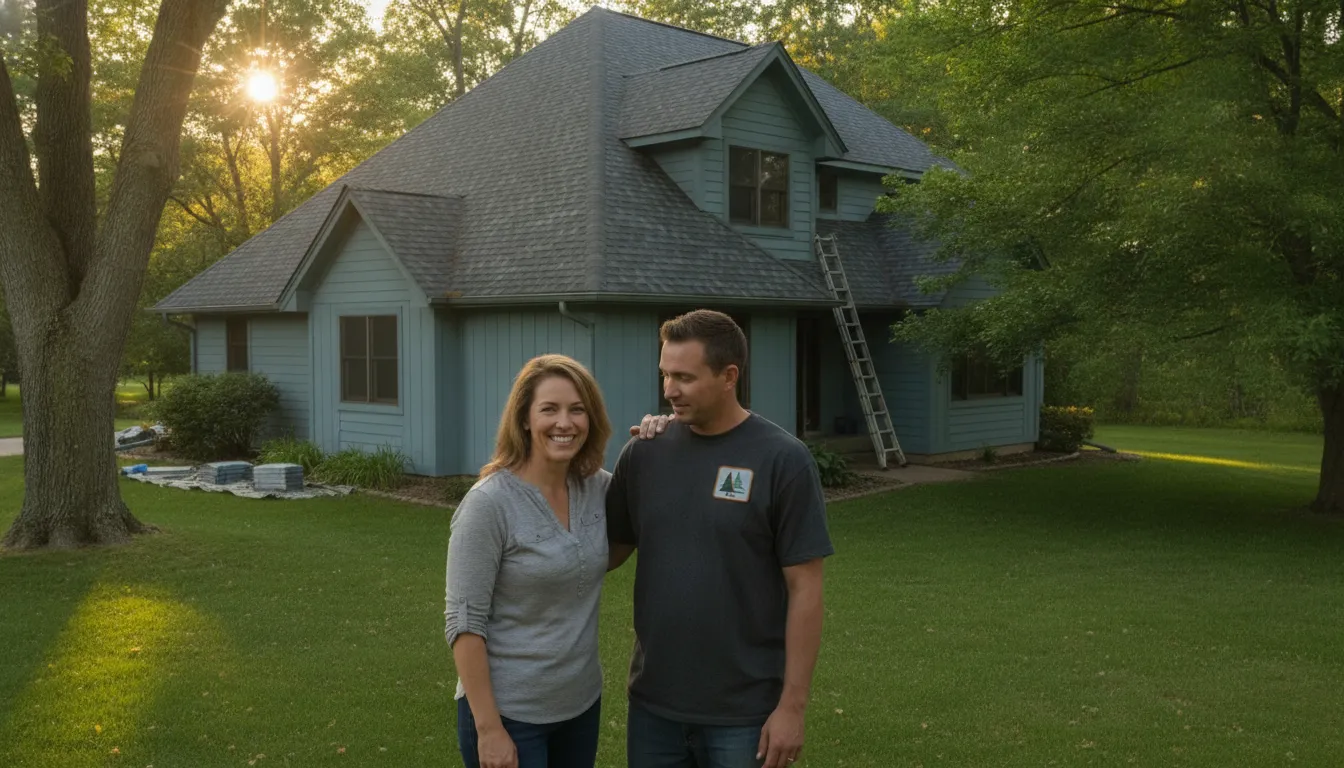
A detailed written estimate breaks down materials, labor, permits, and disposal costs line by line. The contract should specify the shingle brand, color, type, payment schedule, and cleanup plan. Avoid vague terms like "fix as needed" and never pay the full amount upfront.
A written estimate is a roadmap for your roof project. It keeps everyone on the same page and helps you avoid surprise costs later. You should always get at least three written estimates from local roofing companies to compare prices and scope. You can request an estimate online to get the process started.
What a complete estimate should include
Cost breakdown for shingles, vents, flashings, and underlayment
Labor costs for installation and tear-off
Permit fees and dumpster or disposal costs
Timeline showing start and expected completion dates
Item | Complete Estimate | Poor Estimate |
Material costs | Brand, color, type of shingles, per-square price | Single lump "materials" line, no detail |
Labor | Separate for tear-off, installation, cleanup | One number, no breakdown |
Permits | Permit fee listed with city name | No mention or "you handle it" |
Disposal | Dumpster and debris removal included | Added later as surprise charge |
Payment schedule | Milestone-based, under 25% upfront | Demands 50%+ or full payment |
Warranty details | Manufacturer + workmanship in writing | Vague with no duration stated |
Use this table as a checklist when you review estimates. Clear terms protect you if the work does not meet state rules set by the Minnesota Department of Labor and Industry.
Payment schedule red flags
A fair payment plan ties your money to project milestones:
- Deposit only:
Most reputable contractors ask for a small deposit (10-25%) to reserve the date.
- Material delivery payment:
A second payment when shingles and materials arrive at your home.
- Final payment:
Only after the work is complete, the site is clean, and you have done a final walkthrough.
Be cautious of "storm chasers" or teams who demand a large payment upfront. These are major warning signs. Learn about roof repair services from a trusted local team you can verify.
Red Flags to Watch Out For When Hiring a Roofing Contractor
The biggest red flags include out-of-state storm chasers who demand large upfront payments. Contractors who cannot provide proof of license or insurance, and crews without a local office or brand certifications. Every Minnesota homeowner should know these warning signs before signing a contract.
Hiring a roofing team is a big step for any homeowner. You want a crew that does good work and treats you fair. While many local pros are honest, some people try to trick homeowners after a storm. Knowing what to look for can save you from a bad deal or a poor roof.
Avoid storm chasers
Minnesota often sees out-of-state workers arrive right after a bad hailstorm. These people are known as storm chasers because they follow the weather to find fast work. Here are the key warning signs:
- Door-knocking:
They show up uninvited after a storm offering free inspections.
- High-pressure sales:
They push you to sign a contract on the spot with "limited time" pricing.
- Out-of-state plates:
Unmarked vans with plates from other states are a red flag.
- No local office:
A real local contractor has a physical office and a local phone number.
A good local pro cares about their reputation in the community. They also understand local issues like ice dam prevention and leak solutions, which are essential for Minnesota winters.
Watch for payment issues
How a team asks for money is a big sign of how they work. You should never pay for the full job before the work starts. The Better Business Bureau warns that paying too much upfront puts you at risk. If a contractor takes your cash and leaves, it can be very hard to get it back. Always ask for a clear contract that shows the full payment plan including the cost of materials, labor, and fees.
Check for missing proof
Every roofer in Minnesota must follow strict rules to keep you safe. A pro should always show you their license and insurance. If they cannot provide proof of coverage, you could be on the hook for any injuries on your property. A lack of a real office address is another warning sign of a contractor who might disappear. Check their license through the Minnesota DLI website and look for manufacturer certifications like GAF Certified before you hire.
Frequently Asked Questions
How long does a roof replacement take in Minnesota?
A standard home roof replacement usually takes two to three days to finish. Large homes or complex roof designs may need more time. Minnesota weather can cause delays, so your contractor should plan for rain or high winds. Most local crews start early in the morning to maximize daylight. Learn more about our residential roofing services and typical timelines.
What is the 25 percent rule for roofing insurance claims?
The 25 percent rule is a guideline used by many insurance companies. If less than one quarter of your roof has damage, the company may only approve a repair. If more than 25 percent is damaged, they often approve a full replacement. You should have a professional inspection to document every issue before the adjuster arrives. Schedule a storm damage inspection to get the full picture.
Do I need to be home when my roof is being replaced?
You do not need to be at home while the crew works, but you should stay reachable by phone in case questions arise. Move your vehicles out of the driveway and keep pets indoors during the job. The work is loud and involves heavy equipment. If you have concerns, request a free consultation to discuss the project timeline beforehand.
Who is responsible for getting a roofing permit in the Twin Cities?
A licensed contractor should always pull the building permit from your local city office. This ensures the work meets the Minnesota State Building Code. Never apply for the permit yourself, as doing so makes you liable for any code violations. A quality contractor includes permit fees in their written estimate. Always ask to see the permit before work begins. For cost planning, see our typical roof replacement cost guide.
How do I verify if a Minnesota roofing contractor is licensed?
You can check a license on the Minnesota Department of Labor and Industry website. Every residential contractor in the state must hold a valid license to operate legally. Minnesota Roofing Company operates under license #BC688547. Verifying this number protects you from unlicensed storm chasers and ensures your storm damage repair follows all state laws and safety requirements.
Ready to find a trusted roofing contractor?
Homeowners who wait to address roof damage often face problems that grow worse by the day. Small leaks can turn into mold or rot your wood framing if left untreated. If you wait until after a major hailstorm, repair crews will be booked for months, meaning longer wait times. Setting up an inspection now ensures your home stays dry and safe through the cold Minnesota winter. You can avoid the stress of emergency repairs and get a plan from a local team you trust.
We have over 30 years of local experience serving Twin Cities homeowners. A quick call today helps you protect your home and gives you peace of mind before the snow flies. Acting now means you avoid the higher costs of last-minute emergency repairs later.
Ready to schedule? Call (612) 888-7663 to schedule a free roof inspection and consultation.
Comments