
Window Replacement Minnesota: Costs, Energy Savings, and Essential Guide for Homeowners
Updated: Sep 15
A single pane of glass is often all that stands between your family and the below zero Minnesota frost. Most local houses lose nearly one third of their indoor warmth through thin or leaking window seals. We install durable frames that lock heat inside and keep your energy costs low.
Get your free window replacement estimate today , call (952) 451-1978 or request your quote online.
Window replacement Minnesota homeowners choose must handle extreme heat shifts and high energy costs. This project fixes the largest source of heat loss in a house by sealing the exterior shell against the wind and cold. Most experts agree that about 30% of your heating energy escapes through old windows, according to data from the Department of Energy. By switching from single pane glass to double or triple pane models, you can save hundreds of dollars each year on bills. Modern windows also add resale value and make your rooms feel much better during the longest winter stretches. Choosing the right options like vinyl or fiberglass ensures your home stays safe for decades while reducing the strain on your furnace.
As a family-owned team with license #BC688547, we know what it takes to protect a Twin Cities home. Most local homeowners want to know what to expect for the total price before they start. The path begins with finding out how much window replacement costs in Minnesota.
Window Replacement Minnesota: How Much Does Window Replacement Cost in Minnesota?
Window replacement costs in Minnesota average $600 to $1,200 per window installed. For a typical home with 10 to 20 windows, the total project ranges from $8,000 to $18,000. Material choice, glass type, and installation complexity all affect the final price. Federal tax credits and utility rebates can reduce your out-of-pocket cost by thousands.
Window replacement costs in Minnesota vary depending on the type of window you choose and the size of your home. The average price falls between $600 and $1,200 per window for a full installation. For a typical Minnesota home with 10 to 20 windows, the total project cost ranges from $8,000 to $18,000.
Cost comparison by window material
Vinyl windows are the most popular choice among Minnesota homeowners. They offer good insulation at a moderate price.
- Vinyl double-pane:
$450 to $750 per window installed
- Vinyl triple-pane:
$800 to $1,300 per window installed
- Fiberglass double-pane:
$700 to $1,100 per window installed
- Fiberglass triple-pane:
$900 to $1,400 per window installed
- Wood or wood-clad:
$1,000 to $1,800 per window installed
- Storm windows (over existing frames):
$150 to $350 per window
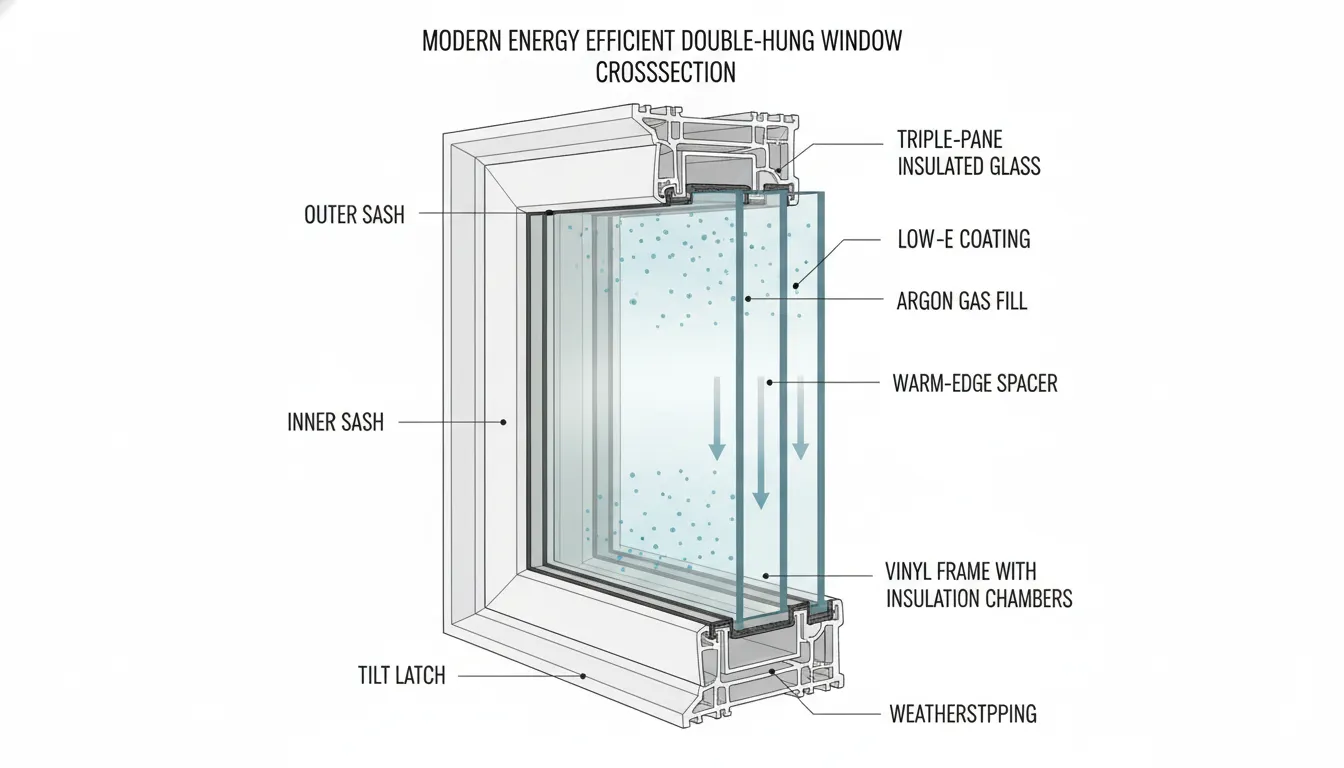
If you are on a tight budget, storm windows can help. These go over your current frames to add a shield against the wind. While they do not replace the old unit, they can help stop leaks and cut down on noise. This is a good way to save money if your current frames are still in good shape.
Long-term value and ROI
While the upfront cost seems high, new windows help you save money every month. Better seals can lower your heating and cooling bills by $300 to $500 each year. You can also look for ways to cut the price through federal programs. For example, the Energy Star program helps you find units that meet high standards for our northern climate.
You may also get a tax credit from the IRS. This can cover up to 30% of the cost of your new windows with a cap of $600 per year. Adding these savings to lower energy use helps the project pay for itself over time. Our team can help you pick the right units to get the most back on your spend. We make sure you get the best value for your home and your wallet.
Why Energy Efficiency Matters for Minnesota Homes
Minnesota homes lose 25% to 30% of heating energy through old windows, according to the U.S. Department of Energy. Replacing single-pane or drafty windows with modern double-pane or triple-pane units stops heat loss, eliminates cold drafts, and saves $300 to $500 per year on energy bills. Energy-efficient windows also improve year-round comfort and qualify for federal tax credits.
Minnesota winters put extreme stress on your house. During a cold snap, outdoor air can drop to -20°F while you keep your home at 65°F. This 85-degree gap means your heating system must work hard to keep you warm. Old windows are often the weakest point in your home's shell. The Department of Energy says 25% to 30% of home heat is lost through windows. Replacing leaky windows is a top way to stop this loss and lower your monthly bills.
Stop heat loss and drafts
In our local area, old windows let heat escape through thin glass and gaps in the frame. These leaks create cold spots and drafts that make rooms feel chilly even when the heat is running. Modern windows use thick frames and multi-pane glass to block the cold. By switching from single-pane to double-pane glass with low-E coatings, you can save $300 to $500 per year on heating. These savings add up fast and help pay for the project over time.
Improve year round comfort
Energy-smart windows do more than save money; they make your home feel better. High-quality glass keeps the surface of the window warmer in the winter. This stops that cold feel when you sit near a window on a freezing night. These windows also work in the summer by blocking heat from the sun. This helps your air unit keep the house cool without running all day. For best results, look for windows that meet the ENERGY STAR 7.0 rules for our zone.
Choose the right glass for our cold
When you plan your window replacement, the type of glass matters. Double-pane windows are the standard, but triple-pane glass is a great choice for Minnesota. Triple-pane windows add one more layer of glass and air to block even more heat. They can save you an extra $100 to $250 per year over double-pane models. While triple-pane windows cost more at the start, they give the best shield against deep freezes and high winds.
Understanding Window Energy Ratings: U-Factor, SHGC, and Air Leakage
Window energy ratings tell you how well a window insulates against Minnesota's harsh winters. The three key metrics are U-factor (how well the window retains heat). Solar Heat Gain Coefficient or SHGC (how much solar warmth it lets in), and air leakage (how much outdoor air penetrates the seal). For Minnesota homes, a U-factor of 0.25 or lower delivers the best cold-climate performance.
When you start a window replacement in Minnesota, you will see labels from the NFRC. These labels show how a window handles heat and air. In our state, winter nights can drop to -20°F. These numbers show if your home will stay warm and how much you will pay for heat. Picking the right ratings is the best way to save money on your project.
The importance of U-factor in cold climates
U-factor measures how well a window stops heat from escaping. A lower number means the window keeps heat in better. For homes in the North, the U-factor is the most vital rating. The Minnesota Energy Code now needs a U-factor of 0.30 or lower for new work. But for the best results in our cold air, we suggest you aim for 0.25 or less. This helps keep your glass warm when the wind is strong.
The gap between common window types is big. Double-pane units often have a U-factor between 0.27 and 0.30. Modern triple-pane windows can reach 0.18 to 0.22. Moving from a 0.30 rating to 0.20 means about 33% less heat loss through the glass. This change helps stop the cold drafts that make rooms feel chilly in mid-winter. The U.S. Department of Energy says heat loss through windows can be 25% to 30% of your heating use.
Solar heat gain and air leakage
Solar Heat Gain Coefficient (SHGC) shows how much heat from the sun comes through the glass. In Minnesota, a higher SHGC on south-facing windows can help warm your home for free in winter. We often suggest a rating of 0.30 to 0.40 for those spots. For north-facing windows, a lower SHGC of 0.20 to 0.30 is better. Matching these ratings to the side of your house can cut heating costs by 5% to 10%.
Air leakage is the third key rating. It measures how much air passes through the window. A rating of 0.3 or lower is standard, but some top units go as low as 0.1. Low air leakage is key for comfort during windy storms. When you buy windows that meet the ENERGY STAR 7.0 Northern Climate Zone rule, you know the unit can handle our big shifts in weather.
Double-Pane vs Triple-Pane: Which Is Right for Your Home?
Double-pane windows use two layers of glass with a sealed gas-filled space between them. Triple-pane windows add a third layer, creating two insulating gaps. Triple-pane windows offer 30% to 40% better insulation (U-factor as low as 0.18) and reduce condensation, but cost 25% to 40% more. For Minnesota homes, a mix of both types often delivers the best balance of comfort and budget.
Choosing the right glass for your window replacement in Minnesota often comes down to two options. Double-pane windows are the standard for most homes. They use two layers of glass with a sealed space between them. Triple-pane windows add a third layer of glass. This creates two air gaps, which makes a much stronger barrier against the cold. While triple-pane units cost more, they provide better comfort during our harsh winters.
Understanding the insulation gap
The main reason to choose triple-pane glass is its superior insulation. In the window industry, we measure this using the U-factor. A lower number means the window keeps heat inside your home better. Standard double-pane windows usually have a U-factor between 0.27 and 0.30. Triple-pane windows can reach as low as 0.18 to 0.22. This represents a 30% to 40% gain in thermal performance. According to the U.S. Department of Energy, high-performance windows are a key way to cut heat loss in cold climates.
Feature | Double-Pane | Triple-Pane |
Average cost per window | $450 - $750 | $800 - $1,300 |
U-factor (insulation) | 0.27 - 0.30 | 0.18 - 0.22 |
Annual energy savings | $300 - $500 | $400 - $750 |
Condensation risk | Moderate | Very low |
Indoor glass temp (20°F outside) | ~45°F | ~55°F |
Noise reduction | Good | Excellent |
Extra cost premium | Baseline | +25% to 40% |
Where triple-pane makes the most sense
You do not need triple-pane glass on every window in your home. The best strategy is to put triple-pane on the sides that face the wind and the north. These windows take the most abuse from Minnesota weather. The extra insulation there stops the worst drafts and keeps the coldest rooms warm. Double-pane units with low-E coating and argon gas are fine for the rest of your home. A mix of both types gives you the best balance of cost and comfort.
Condensation and comfort
One of the biggest complaints from Minnesota homeowners is frost and condensation on windows. Triple-pane glass stays warmer on the inside surface, even on the coldest nights. This means less moisture builds up on your sills. You will not have to wipe down windows every morning in January. The warmer glass surface also means less cold air radiates from the window into your room. This makes the whole room feel warmer without turning up the thermostat.
Minnesota Window Rebates, Tax Credits, and Incentives
Several programs reduce the cost of window replacement in Minnesota. The federal Inflation Reduction Act offers a tax credit of 30% of the cost, up to $600 per year. Local utilities like Xcel Energy and Minnesota Power provide per-window rebates. The upcoming state HOMES program could offer up to $12,000 for whole-home energy upgrades that include windows.
Several programs can help lower the cost of your window replacement in Minnesota. The federal government and local utility companies offer money back when you install energy-efficient windows. These incentives can save you thousands of dollars on your project.
Federal tax credits through the Inflation Reduction Act
The Inflation Reduction Act provides a tax credit for homeowners who install ENERGY STAR certified windows. You can claim 30% of the cost, up to $600 per year. This credit is available through 2032. The windows must meet the ENERGY STAR 7.0 requirements for the Northern Climate Zone. Check with your tax professional to make sure you qualify before you buy.
Minnesota utility rebates
Local utility companies across Minnesota offer their own rebates for window upgrades.
- Minnesota Power:
$25 per window for ENERGY STAR 7.0 certified units
- Otter Tail Power:
$25 per window for qualifying efficient models
- CenterPoint Energy:
Incentive programs for gas customers who upgrade windows
- Xcel Energy:
Rebate programs for electric customers installing efficient windows
These rebates can stack on top of the federal tax credit, so you can save money from both sources.
HOMES rebate program (coming soon)
The Minnesota Department of Commerce is preparing to launch the Home Efficiency Rebate (HOMES) program. This state program will offer significant rebates for whole-home energy upgrades that include windows. Homeowners who achieve 20% or more energy savings could qualify for rebates up to $6,000. At the highest tier, 35% savings could bring rebates up to $12,000. The program is waiting on final approval from the U.S. Department of Energy. Check the Minnesota Department of Commerce website for updates on the launch date.
How Windows Fit Into Your Home's Exterior Envelope
Your home's exterior works as one system called the building envelope. New windows lose much of their benefit if the siding, roof, or gutters around them are damaged or poorly sealed. Choosing a full exterior contractor like Minnesota Roofing Company ensures all parts of your exterior work together for maximum energy efficiency and protection.
Your home's exterior is more than just a collection of separate parts. The roof, siding, windows, gutters, and insulation work together as one system called the building envelope. When one part fails, the whole system loses efficiency. This is why we recommend looking at your exterior as a complete project.
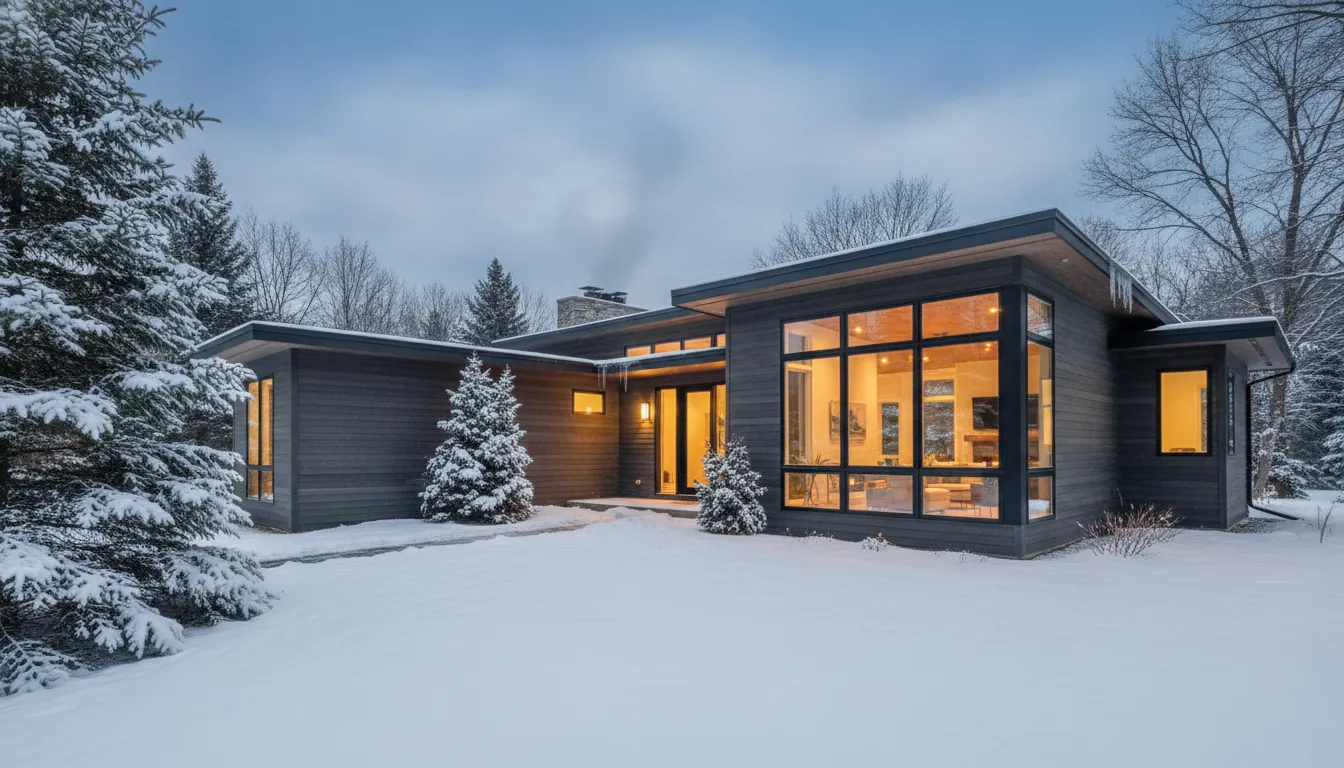
Why the building envelope matters
The building envelope is the wall between you and the outdoors. It stops heat from leaving in the cold and keeps it out in the heat. The US Department of Energy notes that heat loss through windows can make up 25% to 30% of your total energy use. By sealing this wall, you save money on your monthly bills.
Windows and siding work together
New windows lose much of their benefit if the siding around them is old or damaged. Gaps between the window frame and the siding let air leak through, which defeats the purpose of your new energy-efficient windows. When you replace windows, it is the perfect time to check your siding and gutters too. Our team can handle the entire exterior at once, which saves you time and money.
The advantage of a full exterior contractor
Many window companies only install windows. If your siding or roof also needs work, you would have to hire a second crew. This means two sets of appointments, two warranties, and two payment schedules. Minnesota Roofing Company is a full exterior contractor. We handle roofing, siding, gutters, insulation, and windows under one roof. Our GAF Certified Installers and Owens Corning Preferred Contractor team makes sure every part of your home's exterior fits together perfectly. We also help homeowners with storm damage claims for roof and exterior repairs covered by insurance.
Replacing many parts of your home's shell offers several benefits:
Better seals where windows meet the siding
Lower cost for labor and materials through bundled work
One single warranty for all your exterior work
A matched look across your whole house
Less hassle because one team does it all
We have served the Twin Cities for over 30 years. Our team knows how Minnesota weather beats on your home's shell. We do not just pop in a new window and leave. We make sure the frame is sealed to your siding and roof. This whole-home view is why local families trust us with their homes. If you are also planning a roof replacement, we can coordinate both projects to save you time and money.
Frequently Asked Questions
What is the best window for Minnesota weather?
Triple-pane windows with low-E coatings are the most effective choice for local homes. According to the Department of Energy, these units provide 30% to 40% better insulation than double-pane models. They help eliminate cold glass surfaces and keep condensation off your sills during sub-zero stretches. For the best results, look for a U-factor of 0.25 or lower to meet strict Northern Climate standards.
How much does window replacement cost in Minnesota?
Homeowners usually pay between $600 and $1,200 per window for a professional installation. A full project for a typical house with 10 to 20 windows often costs between $8,000 and $18,000 total. Factors like material choice and glass type impact the final price. While new windows require a high upfront cost, they typically recover 65% to 75% of their value at resale.
Is there a tax credit for energy efficient windows in 2026?
Yes, the federal Inflation Reduction Act provides a credit for high-performance upgrades. You can claim 30% of the cost for new windows, up to a limit of $600 per year. To qualify, the windows must meet the latest ENERGY STAR requirements for our region. This credit helps offset the price of premium glass that saves you $300 to $500 annually on heating bills.
What is the Minnesota window rebate program?
Several local utility companies offer cash back for upgrading to efficient models. For example, Minnesota Power and Otter Tail Power provide a $25 rebate for each window that meets ENERGY STAR 7.0 standards. The state is also preparing to launch the HOMES program. Once active, this program could offer up to $12,000 in rebates for homeowners who achieve significant energy savings through whole-home improvements.
Ready to Save on Window Replacement in Minnesota?
New windows are one of the smartest upgrades you can make to your Minnesota home. They lower your energy bills, stop cold drafts, and increase your property value. And when you choose a full exterior contractor like Minnesota Roofing Company, you get the peace of mind that comes with a complete building envelope solution.
We offer free consultations with no pressure and no hidden fees. Our team will walk through your home, check every window, and give you a clear quote with everything itemized. We are GAF Certified and Owens Corning Preferred with over 30 years of local experience. Call (952) 451-1978 or get your instant estimate online to start saving today.
Comments