
How to Get Insurance to Pay for Roof Replacement
Discovering roof damage is stressful, but you don’t have to face the insurance process alone. Think of your roofing contractor as your most important partner, an expert advocate who works on your behalf. While you manage the claim, we provide the technical proof and professional assessment needed to make your case. This partnership is the secret to turning a complicated situation into a straightforward project. A strong claim is a team effort, and having a pro in your corner makes all the difference. This article will explain exactly how that relationship works to your advantage, detailing the steps we take together to ensure a fair and complete settlement. It’s the most effective strategy for how to get insurance to pay for roof replacement.
Key Takeaways
- Create a strong evidence file immediately
: Before making any calls, use your phone to take extensive photos and videos of the damage. Save local weather reports from the day of the storm to connect the damage to a specific, covered event.
- Partner with a trusted roofing contractor
: A professional roofer acts as your expert on the ground. They can provide an accurate damage assessment, meet with the insurance adjuster to ensure a fair evaluation, and review the settlement for any missing items.
- Know your policy and the process
: Understand the key difference between covered storm damage and uncovered wear and tear. Be prepared to discuss your deductible, and remember that the first settlement offer is often a starting point for negotiation, not the final word.
What Roof Damage Will Your Insurance Cover?
Figuring out your insurance coverage can feel like a puzzle, but it’s the most important first step in getting your roof fixed. While every policy is a little different, most follow the same general principles. Insurance is designed to protect you from sudden, unexpected events, not from the slow march of time. Understanding this distinction is key to knowing what to expect when you file a claim and will help you prepare a much stronger case from the very beginning.
Your homeowner's insurance is there for what the industry calls "perils," which are specific, sudden events that cause damage. Think of things like fire, windstorms, hail, or the weight of ice and snow. When a Minnesota storm rolls through and leaves your roof with missing shingles or dents from hail, that’s precisely the kind of situation your policy is meant to handle. The damage is accidental and immediate, making it a valid reason to file a claim.
However, insurance isn't a maintenance plan. It won't cover issues that develop over many years due to normal aging or a lack of upkeep. This is a critical point that can make or break a claim. An insurer will look for signs of neglect, like moss growth or shingles that are long past their lifespan, and may deny a claim on those grounds. Before you even pick up the phone to call your agent, it’s helpful to have a clear idea of where your roof damage falls on this spectrum. It will prepare you for the conversation and help you work more effectively with your roofing contractor to document the issue.
Storm Damage vs. Normal Wear and Tear
The line between storm damage and wear and tear is the most common point of confusion for homeowners. Storm damage is easy to identify when it’s catastrophic, like a tree falling on your house. But it can also be more subtle, like hail impacts that bruise the shingles or high winds that lift and break the sealant strips. These are considered sudden, accidental events.
Normal wear and tear, on the other hand, is the natural degradation of your roof over time. This includes shingles that have become brittle and cracked from years of sun exposure, granules that have washed away into the gutters, or flashing that has slowly loosened. Your insurer sees these issues as part of the expected lifecycle of a roof, which is why they won’t pay for a roof replacement simply because it’s old.
Know What Your Policy Excludes
It’s just as important to know what your policy doesn’t cover. Every homeowner’s policy has a list of exclusions, and it’s a good idea to review yours before you ever need it. Common exclusions include damage from poor or faulty installation, manufacturing defects in the roofing materials, and pre-existing issues you didn't fix. If your roof was installed incorrectly years ago and that’s the root cause of a leak, your claim will likely be denied.
Additionally, most standard policies won’t cover damage from specific events like floods, earthquakes, or mold, unless you’ve purchased extra coverage. Taking care of your roof with regular inspections and upkeep is your best defense, as insurers can deny claims if they find evidence of neglect. This is why working with a trusted, certified contractor for any residential roofing work is so important.
Replacement Cost vs. Actual Cash Value: What's the Difference?
These two terms determine how much money you’ll actually receive from your insurer, and the difference is huge. An Actual Cash Value (ACV) policy pays for the value of your roof at the time of the damage. This means it accounts for depreciation, so if your roof is 15 years old, you’ll only get what a 15-year-old roof is worth. This often leaves you with a hefty bill to cover the rest of the replacement cost yourself.
A Replacement Cost Value (RCV) policy is much better for homeowners. It covers the full cost to replace your roof with new, similar-quality materials, minus your deductible. You’ll typically receive the payment in two parts: the first check is for the ACV, and the second is released after you’ve completed the repairs and sent the final invoice to the insurer. Check your policy declarations page to see which type of coverage you have.
Your First Steps After Finding Roof Damage
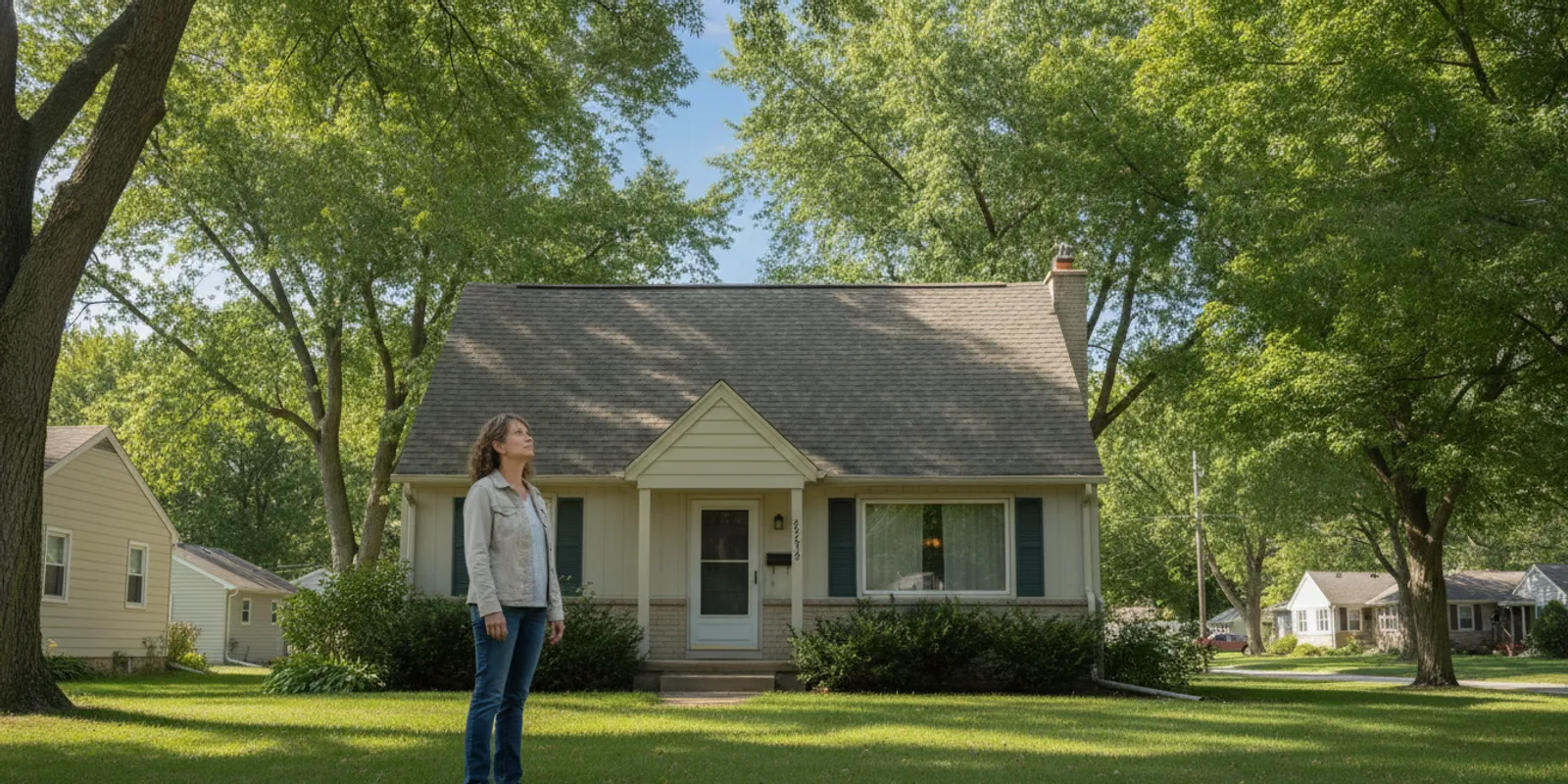
Discovering your roof is damaged can be stressful, but taking a few key steps right away can make the insurance process much smoother. Before you do anything else, pause and focus on gathering the information you'll need. Acting quickly and methodically will set you up for a stronger claim and a faster resolution. Here’s exactly what to do the moment you suspect there’s a problem.
Document the Damage (Before You Call)
Before you pick up the phone to call your insurance agent, grab your smartphone. Your first job is to become a detective and thoroughly document everything. Take clear photos and videos of all the damage you can see from the ground, both outside and inside your home. Look for missing shingles, dents from hail, or fallen branches. Inside, check for water stains on your ceilings or walls, as these can indicate a serious leak. Note the date and time the damage occurred. This visual evidence is one of the most powerful tools you'll have when filing your claim for storm damage repair.
Contact Your Insurance Company ASAP
Once you have your photos and notes in hand, it’s time to contact your insurance company. Don't wait. Most policies require you to report damage in a timely manner, and getting the process started quickly is always in your best interest. When you call, have your policy number ready and be prepared to describe the damage and what caused it. This is also a great time to pull out your policy documents and review your coverage. Understanding what’s included, like your deductible and any exclusions, will help you have a more productive conversation with your insurance representative from the very beginning.
Safely Prevent More Damage
While you wait for an adjuster, your insurance policy requires you to take reasonable steps to prevent the damage from getting worse. This is called "mitigating damages." For a damaged roof, this might mean placing a tarp over a hole to keep rain out. It’s crucial to only perform temporary fixes that you can do safely from the ground. Leave any work that requires getting on the roof to the professionals. Keep every receipt for materials you buy, like tarps or plywood, as these costs are often reimbursable. A professional can help you secure the area safely and provide a quote for a permanent roof repair.
How to Build a Stronger Insurance Claim
A strong insurance claim is a well-prepared one. When you provide clear, organized, and undeniable evidence of storm damage, you make the entire process smoother for both you and your insurance company. Taking a few extra steps to document everything properly can make a significant difference in getting your claim approved for the full amount you need. Think of it as building a case for your home; the more thorough your evidence, the stronger your position will be for securing funds for a complete roof replacement or repair.
Take Detailed Photos and Videos
Your phone is your most powerful tool right after a storm. Before you move anything or make any temporary fixes, document the damage extensively. Take more photos and videos than you think you’ll need, capturing the scene from multiple angles. Get close-ups of dented gutters, cracked or missing shingles, and hail impacts on siding or windows. Then, take wider shots to show the overall scope of the damage. Don’t forget to look inside your home for water stains on ceilings or walls, as this is crucial evidence of a leak. Note the date and time you take the photos to create a clear timeline for your insurer.
Gather Weather Reports and Proof
Your photos show what happened, but official weather reports prove when and why it happened. Your insurer needs to see that the damage was caused by a specific, covered event, not by gradual wear and tear. Go online and find local weather reports from the day of the storm. You can often find articles from local news outlets detailing the severity of the hail or wind in your specific area. Save screenshots of weather alerts or download reports that confirm the date, time, and intensity of the storm. This documentation connects the damage you photographed directly to a covered peril, leaving little room for dispute.
Get a Professional Inspection Report
While your own photos are essential, a report from a qualified roofing contractor provides an expert assessment that carries significant weight with insurers. An experienced professional can identify subtle damage you might miss, like hidden hail bruises on shingles or compromised seals around vents that can lead to future leaks. We can perform a thorough inspection and provide a detailed report and a precise estimate for the storm damage repair. Submitting this professional assessment with your claim substantiates the damage and ensures all necessary work is accounted for from the start, which helps prevent surprises down the road.
Check for Damage Inside Your Home
It’s easy to focus only on the exterior of your house after a storm, but water damage can be sneaky. Make a point to go into your attic with a good flashlight. Look for signs of moisture, like damp insulation, dark water spots on the underside of the roof deck, or daylight peeking through. You should also walk through the rooms on your top floor and carefully inspect the ceilings and the tops of your walls for any new discoloration, bubbling, or peeling paint. Documenting this interior damage is critical, as your homeowner's policy will often cover these related repairs as well, so don't leave anything out.
How Your Roofing Contractor Can Help
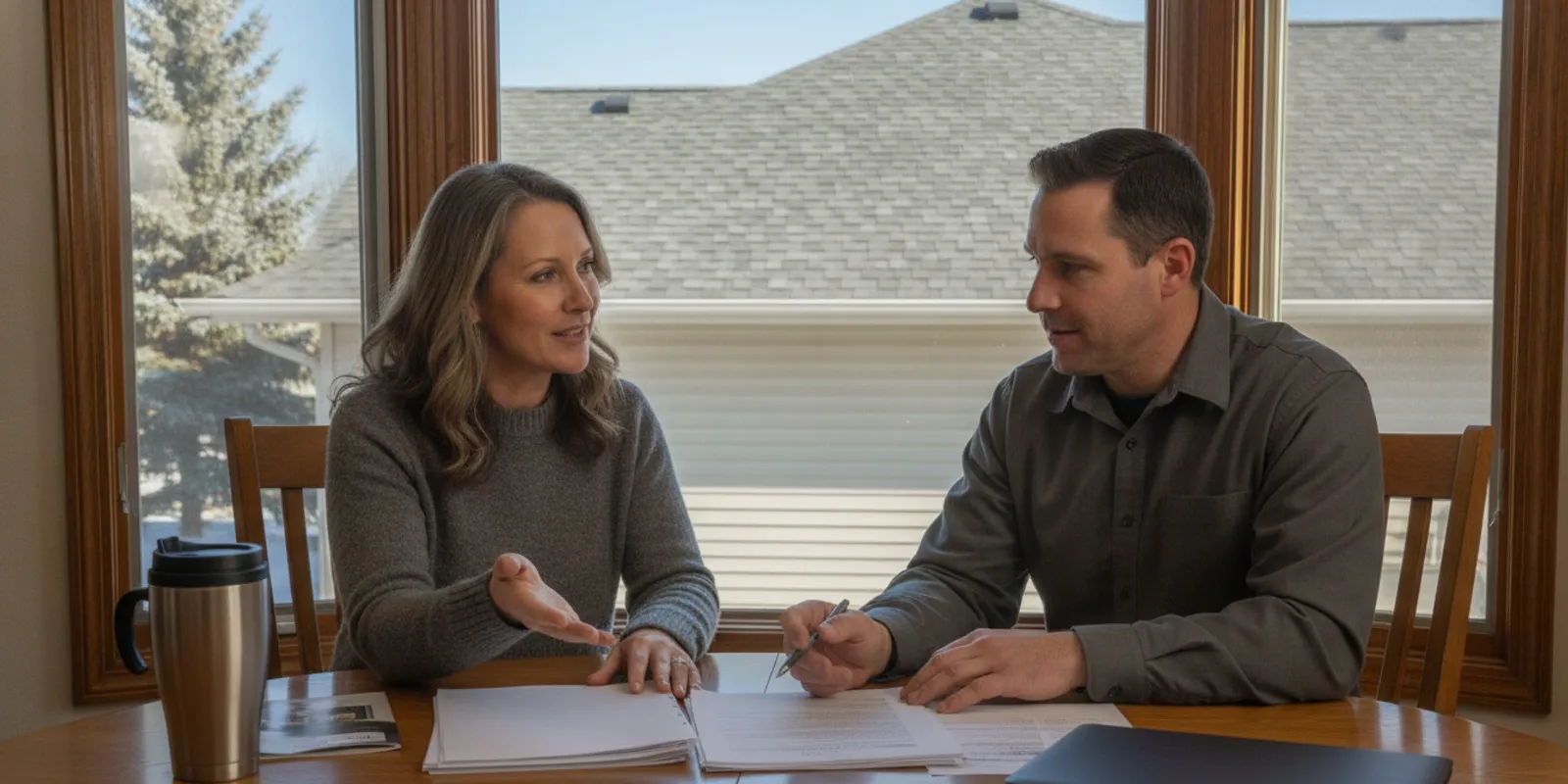
Think of your roofing contractor as your most valuable partner during the insurance claim process. While you handle the communication with your insurer, a trusted roofer acts as your expert advocate, making sure the technical details are accurate and that your home gets the protection it needs. They work on your behalf to ensure the assessment is fair and the settlement is complete. Having a professional from a company like MN Roofing Co. on your side can make a world of difference, turning a stressful situation into a straightforward project.
Performing the Initial Damage Assessment
Before you even pick up the phone to call your insurance agent, your first call should be to a reputable roofing contractor. A professional inspection can determine if the damage is significant enough to warrant filing a claim in the first place. This step can save you from making a small claim that might not exceed your deductible but could still impact your future premiums. A roofer will give you an honest, expert opinion on the extent of the problem. They’ll identify all points of failure, giving you a clear understanding of what needs to be fixed and whether it’s a simple repair or a full storm damage restoration project.
Working with Your Insurance Adjuster
It’s always a good idea to have your contractor present when the insurance adjuster visits your property. Your roofer and the adjuster speak the same technical language. Your contractor can walk the roof with the adjuster, pointing out every dent, crack, and lift that might otherwise be overlooked. They can also identify collateral damage to things like gutters, windows, and siding that should be included in the claim. This ensures nothing is missed and that the adjuster gets a complete and accurate picture of the damage from a professional who is there to represent your best interests. This collaboration helps streamline the process and leads to a more accurate assessment from the start.
Providing a Detailed Repair Estimate
A professional estimate from your contractor is more than just a price tag; it’s a critical piece of evidence for your insurance claim. This document should be highly detailed, breaking down the costs for every component of the job. It will itemize expenses for materials, labor, permits, and any necessary code upgrades. This line-by-line breakdown justifies the total cost and shows the insurance company exactly what is needed for a proper roof replacement. A thorough and professional estimate makes it much harder for an insurer to undervalue your claim and helps ensure you receive enough funds to cover the full scope of the work without cutting corners.
Reviewing the Insurance Settlement
Once your insurance company sends its initial settlement offer, don’t assume it’s final. Have your contractor review the adjuster’s report, often called the "scope of loss," and compare it to their own detailed estimate. An experienced roofer can spot discrepancies or omissions right away. They’ll check if the settlement accounts for local building code requirements, proper underlayment, or specialized flashing. If items are missing, your contractor can help you submit a supplement with supporting documentation to request the additional funds needed for a complete and correct roof repair. This final review ensures you get the fair settlement you deserve.
Handling the Insurance Adjuster's Visit
The insurance adjuster's visit is a pivotal moment in your claim. Their assessment determines what your insurance company will cover, so being prepared makes a huge difference. Taking a few key steps helps ensure the process is smooth and fair. Here’s how to get ready and what to expect.
How to Prepare for the Inspection
Your documentation is your best tool. Before the adjuster arrives, get all your evidence in order. Organize your photos, videos, and any notes you took about the damage. It’s helpful to create a simple list of every issue you've found, from dented gutters and missing shingles to interior water stains. You should also have weather reports from the day the storm damage occurred. This preparation shows the adjuster you’re serious and organized. It also helps you guide them to all the problem areas, ensuring nothing gets overlooked during their inspection.
Why Your Contractor Should Be There
We always recommend having your roofing contractor present for the adjuster's inspection. Think of your roofer as your expert advocate. They speak the same technical language as the adjuster and can point out damage that isn't always obvious, like subtle hail impacts or lifted shingles. Having a professional from MN Roofing Company on-site ensures a thorough evaluation and helps prevent your claim from being undervalued. It levels the playing field and shows you're serious about getting a fair and accurate assessment of the damage to your home.
What to Expect During the Assessment
The adjuster’s main goal is to determine the cause and extent of the damage. They need to confirm the issues were caused by a covered event, like a storm, not by old age or poor maintenance. Expect them to take their own photos and measurements while inspecting the entire roof system. They will look for clear signs of hail or wind damage and differentiate it from normal wear and tear. Remember, your policy won't cover a roof replacement just because the roof is old, so the cause of the damage is the most important factor.
Understanding How Your Deductible Fits In
Before the adjuster finalizes their report, it’s important to understand your deductible. This is the amount you pay out of pocket before your insurance coverage begins. Take a moment to review your policy, as some plans have a separate, often higher, deductible specifically for wind or hail damage. This amount is subtracted from the total settlement your insurance company provides for the repairs. Knowing your deductible ahead of time helps you budget for the project and gives you a clear picture of your financial responsibility once the claim is approved.
Common Mistakes That Can Weaken Your Claim
Filing an insurance claim can feel like walking a tightrope. A few simple missteps can complicate the process or even lead to a lower settlement than you deserve. Knowing what to watch out for ahead of time makes all the difference. Let's walk through some of the most common mistakes homeowners make so you can feel confident and prepared when you file your claim. By avoiding these pitfalls, you put yourself in a much stronger position to get your roof repair or replacement fully covered.
Poor Documentation or Waiting Too Long
When you spot damage, your first instinct should be to grab your phone. Procrastination is the enemy of a strong insurance claim. The longer you wait, the harder it becomes to prove the damage was caused by a specific storm rather than gradual wear. Immediately take clear photos and videos of everything, from missing shingles on the roof to water stains on your ceiling. Make a note of the date and time the storm hit. It’s also a great idea to save local weather reports from that day as extra proof. This immediate documentation creates a clear timeline for your storm damage repair and makes your claim much harder to dispute.
Gaps in Your Maintenance Records
Insurance policies are designed to cover sudden, accidental events, not problems that arise from neglect. If your roof was already in poor condition, your insurer might argue that the storm just finished a job that poor maintenance started. This is why keeping records of any past repairs or inspections is so helpful. It shows you’ve been a responsible homeowner and that your roof was in good shape before the storm. You don’t need a perfect file, but any proof of upkeep strengthens your case that the recent damage is a new, covered event. Regular maintenance is key to the long-term health of your residential roofing.
Missteps When Talking to Your Insurer
The words you use matter when you speak with your insurance representative. Stick to the facts of the recent storm damage. It’s best to avoid volunteering information that could weaken your claim. For example, instead of saying your roof is "really old," you could describe it as "well-maintained." The first phrase suggests wear and tear, while the second shows you've taken care of your property. Every policy is different, so it's always a good idea to review your specific documents to understand exactly what types of damage are covered before you make the call.
Accepting the First Settlement Offer
It can be tempting to accept the first offer from your insurer just to get the process over with, but this can be a costly mistake. Insurance adjusters' initial estimates sometimes miss crucial details. Always have your trusted roofing contractor review the settlement offer. They can spot if the estimate accounts for everything needed for a proper roof replacement, like local building code upgrades, underlayment, or proper ventilation. If items are missing, your contractor can provide documentation to help you request a supplement from the insurance company. Remember, an initial offer is a starting point for negotiation, not the final word.
What to Do If Your Claim Is Denied
Receiving a denial letter from your insurance company can feel like a major setback, but it’s not the final word. Many homeowners successfully challenge an initial denial with a persistent and methodical approach. Think of the denial letter as your guide to what the insurance company needs to see. By understanding their reasoning and gathering the right evidence, you can build a much stronger case for the coverage you deserve. It’s a frustrating process, for sure, but you have options and you don't have to accept the first "no" as the final answer. The key is to be organized and proactive. Here are the steps you can take to fight the denial and work toward getting your roof fixed.
Understand the Reason for Denial
Your first move is to carefully read the denial letter. Insurance companies are required to explain why they denied your claim, and this document holds the key to your next steps. Often, claims are denied due to specific policy exclusions, a belief that the damage is from normal wear and tear instead of a specific event, or simply a lack of documentation. Pinpointing the exact reason is critical. For example, if they cite a lack of evidence for storm damage repair, you know your immediate goal is to gather more proof, like local weather reports and a detailed contractor inspection that links the damage to a specific storm.
How to File an Appeal
Once you understand the denial, you can begin the formal appeal process. Each insurance company has its own procedure, so follow their instructions carefully. Start by writing a letter stating you are appealing their decision. In your appeal, you should directly address each reason for the denial with new evidence. This is where a second opinion from a reputable roofing contractor becomes invaluable. A detailed report from an expert can counter the initial adjuster's findings and provide the professional assessment needed to get your roof replacement approved. Remember to keep copies of all correspondence and document every phone call for your records.
When to Call a Public Adjuster
If your appeal is also denied or you simply feel out of your depth, it might be time to bring in a professional. A public adjuster is an independent insurance expert who works for you, not the insurance company. Their job is to manage your claim from start to finish, thoroughly document the damage, and negotiate directly with your insurer to secure a fair settlement. While they do take a percentage of the final settlement as payment, their expertise can be a game-changer for complex or high-value claims. Consider hiring one if you believe your insurer is not treating your claim fairly or if you’ve hit a wall in your negotiations.
Related Articles
Frequently Asked Questions
My roof is pretty old. Can I still file a claim if a storm damages it? Yes, you absolutely can. The age of your roof doesn't automatically disqualify you from filing a claim. Insurance is designed to cover damage from specific events, like a hail or wind storm, regardless of your roof's age. The key is proving that the damage is new and directly caused by that storm, not by pre-existing wear. An insurer will look for clear evidence of recent impacts or wind lift. Having a record of past maintenance can also help show that your roof was in good condition for its age before the storm occurred.
Can my roofing contractor just cover my insurance deductible? This is a common question, but the answer is no. It is illegal for a contractor to waive, absorb, or otherwise cover your insurance deductible. Doing so is considered insurance fraud. Your deductible is the portion of the repair cost that you are legally required to pay according to your policy agreement. Reputable contractors will never offer to cover it, so be cautious of any company that suggests otherwise.
Do I need to get multiple repair estimates for my insurance company? Unlike a typical home improvement project where you might shop for the lowest price, an insurance claim works differently. Your main goal is to find one highly qualified contractor you trust to assess the damage accurately and work with your insurance adjuster. Your insurer determines the cost of the repair based on their own assessment and industry-standard pricing. Your contractor's role is to ensure that assessment is complete and fair, not to compete on price.
What should I do if my insurance company's settlement offer seems too low? Don't panic, and definitely don't accept the offer right away. An initial settlement is often just a starting point. The first step is to have your roofing contractor carefully review the adjuster's report and compare it to their own detailed estimate. It's common for initial reports to miss important items like code-required upgrades, specific types of flashing, or ventilation. If there are discrepancies, your contractor can help you submit documentation for a supplement to cover the missing costs.
How long does the entire insurance claim and roof replacement process usually take? The timeline can vary quite a bit depending on a few factors, including your insurance company's response time, the complexity of the claim, and even the weather. Generally, after the initial inspection, it might take a week or two for the adjuster to visit and approve the claim. Once approved, scheduling the actual roof replacement can happen fairly quickly. From start to finish, the entire process can take anywhere from a few weeks to a couple of months.

Comments