
7 Signs You Have a Damaged Roof (And What to Do)
You don’t need a ladder and a tool belt to be your home’s first line of defense against roof problems. As a homeowner, being informed is your greatest strength. Understanding the common signs of wear and tear empowers you to take action before a small issue becomes a catastrophe. This guide is all about giving you that knowledge. We’ll break down the simple, visual cues that point to a damaged roof, from the condition of your shingles to subtle clues inside your attic. The goal isn’t to turn you into a roofer, but to make you a confident homeowner who knows exactly when it’s time to call for a professional opinion.
Key Takeaways
- Proactive checks prevent major headaches
: You don't need to be an expert to spot trouble. Regularly look for missing shingles, ceiling stains, and granules in your gutters to catch damage early and avoid expensive repairs.
- Know when to repair versus replace
: The cause of the damage, from storms to simple aging, helps determine the best solution. A professional inspection can clarify if a targeted repair is enough or if a full replacement is a smarter long-term investment.
- Have a clear plan for when you find damage
: If you spot a problem, prioritize safety first. Then, contain any leaks, take photos for your insurance, and call a trusted professional to handle the assessment and repair work safely.
How to Spot the Signs of a Damaged Roof
Your roof is your home's first line of defense, but it’s easy to forget about it until a problem becomes obvious. Catching roof damage early can save you from bigger headaches and costs down the road. The good news is you don't have to be a roofing expert to spot the initial warning signs. A quick inspection from the ground and a look around inside your home can tell you a lot. After a major Minnesota storm, it's especially important to check for any new issues. Knowing what to look for helps you decide when it's time to call a professional.
Check for Damage Outside
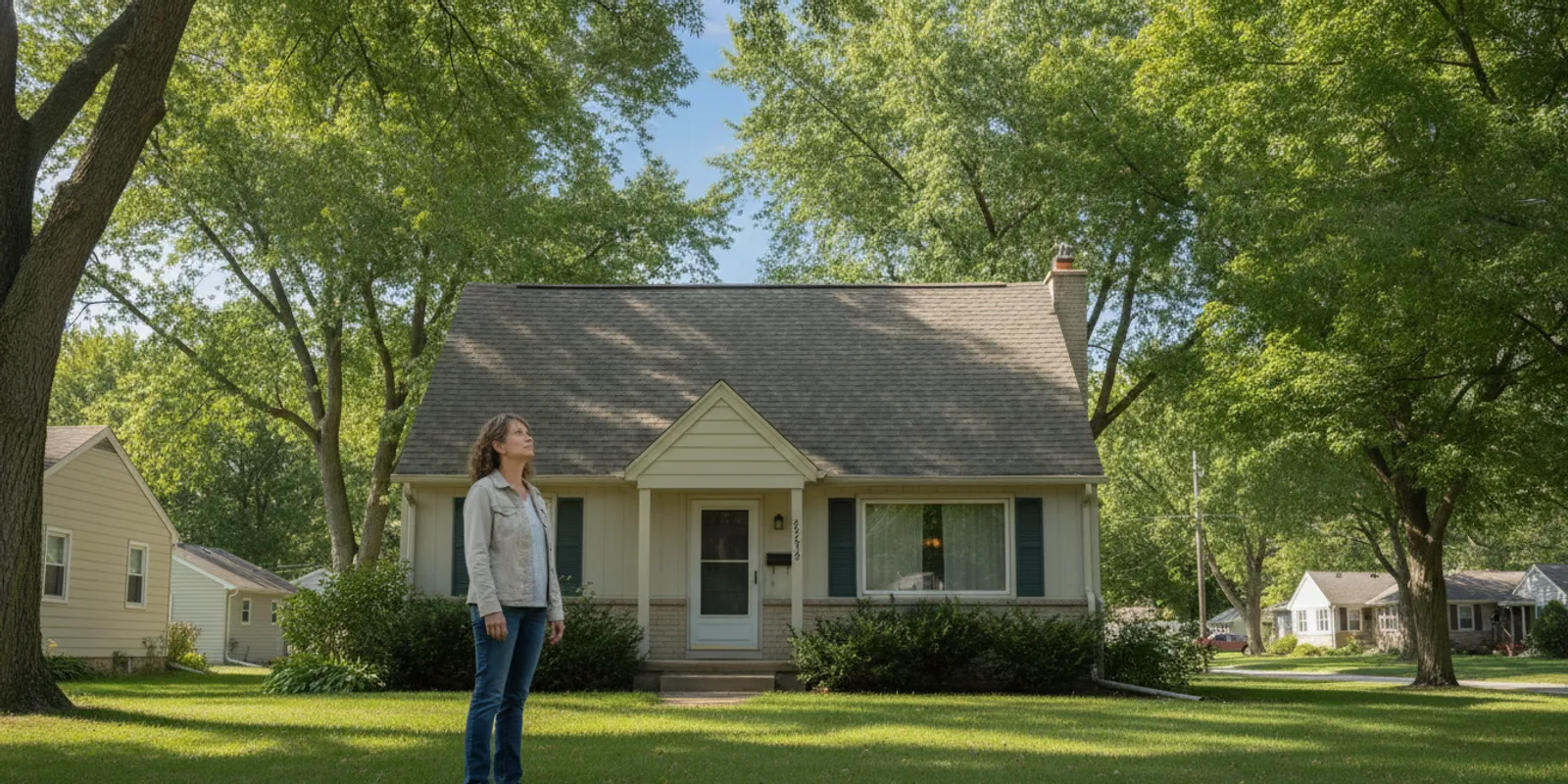
The easiest way to start is by walking around your house and looking up. From a safe spot on the ground, scan your roof for anything that looks out of place. Pay close attention to the shingles. Are any missing, cracked, or torn? Shingles that are curling at the edges or look worn are also a red flag. After a hailstorm, this kind of damage is common. Also, check the metal strips around your chimney and vents, called flashing. If you see cracks or missing pieces, it could be a source for leaks. Spotting these issues early is key to preventing more serious storm damage repair needs.
Look for Clues Inside Your Home
Sometimes, the first signs of a roof problem show up inside your house. Head to your top floor and check the ceilings and walls for discoloration or water stains. You might also notice paint that is bubbling or peeling, which is often a sign of trapped moisture. A persistent musty smell can also indicate hidden mold from a slow leak. Remember that water can travel, so a stain on your ceiling isn't always directly below the leak. If you see any of these signs, it’s a clear signal that you need a professional roof repair to find the source before it gets worse.
Inspect Your Gutters and Drainage
Your gutters play a crucial role in protecting your roof, so don't overlook them. When you’re cleaning them, look for an excessive amount of shingle granules, which look like coarse black sand. While some granule loss is normal, a large accumulation can mean your shingles are nearing the end of their life. Also, check that your gutters and downspouts are securely attached and not sagging. Clogged gutters can cause water to back up and seep under your shingles, leading to rot. Strong winds and hail can damage these drainage systems, so a quick check is always a good idea.
What Causes Roof Damage?
Your roof puts up with a lot, but the damage it sustains usually comes down to a few common culprits. Understanding what causes the wear and tear can help you know what to look for, from sudden storm damage to the simple effects of time. Most issues can be traced back to three main sources: severe weather, natural aging, or improper installation and maintenance. Knowing the difference can help you decide on the right next steps to protect your home.
Damage from Weather and Storms
Here in Minnesota, we know our weather can be unpredictable and harsh. Severe storms are one of the biggest reasons for roof damage. High winds can lift and tear off shingles, leaving your roof's underlayer exposed to the elements. Hail is another major offender, creating bruises or cracks on your shingles that compromise their ability to protect your home. And we can’t forget about winter. Heavy snow and ice dams can put immense stress on your roof’s structure, leading to leaks when things start to melt. After a big storm, it's always a good idea to check for damage or call for a professional inspection to handle any necessary storm damage restoration.
Normal Wear, Tear, and Aging
Just like anything else, your roof has a lifespan. Over time, constant exposure to the sun's UV rays, rain, and fluctuating temperatures causes materials to break down. An asphalt shingle roof, for example, typically lasts around 20 to 25 years. As it ages, you might notice shingles curling, cracking, or losing their protective granules, which is all part of the natural aging process. Catching these signs early can save you from bigger headaches down the road. If your roof is getting up there in age and starting to look worn out, it might be time to start thinking about a full roof replacement to keep your home protected.
Faulty Installation or Lack of Maintenance
Sometimes, roof problems start right from the beginning with a poor installation. If shingles aren't properly aligned or nailed down, or if the flashing around chimneys and vents isn't sealed correctly, your roof is vulnerable to leaks from day one. On the other hand, even a perfectly installed roof needs a little TLC. Skipping regular maintenance means small, fixable issues like clogged gutters or a few loose shingles can turn into major, expensive problems. Investing in quality work from the start and scheduling biannual inspections ensures your roof performs as it should for its entire lifespan. It's why we're so committed to superior craftsmanship on every job.
Finding a Roof Leak Before It's Too Late
A small drip might seem like a minor annoyance, but it can be a sign of a much bigger problem brewing overhead. Catching a roof leak early is the best way to prevent widespread water damage, mold growth, and costly structural repairs. The tricky part is that leaks aren't always obvious. Sometimes, the signs are subtle and easy to miss if you don’t know what you’re looking for. Here’s how you can play detective and find a leak before it gets out of hand.
Spotting Water Stains and Discoloration
This is often the most common and obvious clue. Keep an eye out for any new stains appearing on your ceilings or running down your walls. These might look like brownish rings, dark spots, or areas where the paint is bubbling or peeling. Pay close attention to the top floors of your home, especially in the corners of rooms and around fixtures like lights or ceiling fans. A discolored spot, no matter how small, indicates that water is getting in from somewhere. If you see one, it’s a clear signal that your roof needs a professional roof repair to find the source and stop the water from causing more damage.
Identifying Mold and Mildew
Sometimes a leak doesn't drip; it seeps. This slow, hidden moisture creates the perfect environment for mold and mildew to grow. You might notice a persistent musty or earthy smell in certain rooms, particularly on the upper level or in the attic. Visually, you might see black, green, or gray patches forming on walls or ceilings, often in corners where airflow is limited. Don't just paint over these spots. Mold is a sign of an ongoing moisture problem that needs to be addressed at its source. It can also impact your home's air quality, so it's important to act quickly when you spot it.
Try the Hose Test
If you’re sure you have a leak but can’t find the entry point, a garden hose can help you pinpoint the problem. This is a two-person job. Have one person go up on the roof with a hose while another stays inside, watching the area where you suspect the leak is. Start by soaking the roof low down, near the eaves, and slowly work your way up. Isolate one small section at a time, letting the water run for several minutes before moving to the next. The person inside should be looking for any drips to appear. This methodical approach helps you find the exact spot where water is getting in. Of course, safety first; if you aren't comfortable on your roof, it's always best to contact a professional.
How to Inspect Your Attic
Your attic is one of the best places to find evidence of a leak. On a sunny day, safely go into your attic and turn off the lights. Look for any pinpricks of daylight coming through the roof; if light can get in, so can water. Next, use a powerful flashlight to inspect the underside of the roof deck, the wooden rafters, and the insulation. You’re looking for water stains, dark "flow lines" where water has trickled down, or damp, compressed insulation. Check around anything that penetrates the roof, like vents, pipes, or chimneys, as these are common spots for leaks to start. A thorough attic inspection can reveal damage long before it shows up on your ceilings.
Found Roof Damage? Here's What to Do Next
Discovering damage to your roof can be stressful, but don't panic. By taking a few methodical steps, you can protect your home from further issues and get the repair process started on the right foot. Here’s exactly what to do next.
Prioritize Your Safety First
Okay, you’ve spotted damage. Before grabbing a ladder, pause. Your safety is the top priority. Climbing onto a potentially compromised roof is incredibly risky, especially when it’s wet or unstable. It's much safer to assess what you can from the ground. For a thorough and safe evaluation, it’s always best to call a professional. A trained roofer from a team you can trust has the right safety equipment and knows exactly what to look for without putting anyone at risk.
Protect Your Home from Further Damage
While you wait for a professional, take steps to protect the inside of your home. If you have an active leak, contain the water by moving furniture and electronics away from the area. Place buckets or towels directly under drips to catch the water. If you see a ceiling bulge, water is likely pooling above it. Be very careful, as it could collapse. You can sometimes relieve the pressure by carefully poking a small hole in the center to let the water drain into a bucket below.
Document Everything for Your Insurance Claim
Before any work begins, document the damage for your insurance provider. Use your phone to take clear photos and videos. From the ground, capture any exterior damage like missing shingles. Inside, photograph water stains, drips, and any damaged belongings. It’s also helpful to keep a written log of when you first noticed the damage. This evidence is essential when you file a storm damage repair claim and helps the process go much more smoothly.
Consider a Temporary Fix
If the damage is severe and more bad weather is coming, a temporary solution might be necessary. This usually means covering the damaged area with a tarp to stop more water from getting in. Securing a tarp to a roof is dangerous and tricky, and an improper job can make things worse. Your best bet is to have a professional contractor handle this. They can quickly and safely install a temporary cover as part of their initial roof repair service, giving you peace of mind.
When Should You Call a Professional Roofer?
Once you’ve spotted potential roof damage, the next big question is what to do about it. While the urge to tackle a fix yourself can be strong, roofing is one area where professional expertise is almost always the best path forward. Knowing when to pick up the phone can save you time, money, and a lot of future headaches.
DIY Fix vs. Calling a Pro
It’s tempting to try a quick DIY fix, especially for what seems like a minor issue. But roofing systems are complex, and a small mistake can lead to much bigger problems down the road. Working on a roof is also inherently risky without the right safety equipment and training. For most issues, it’s best to leave it to the experts. As roofing material manufacturer Owens Corning notes, if you spot common signs of wear, it's a good idea to call a professional roofing contractor for an inspection. A professional can accurately diagnose the problem and ensure the roof repair is done correctly, protecting your home’s value and integrity.
Know When It's an Emergency
Some roofing problems can’t wait. An active leak, for example, is a true emergency that requires immediate attention to prevent widespread water damage, mold growth, and structural issues. According to restoration experts, a leaky roof is an emergency that needs a swift response. If you have water dripping into your home, or if a severe storm has caused obvious, significant damage like a fallen tree limb, don’t delay. Your priority should be to call a professional for emergency storm damage repair. While you wait, you can move furniture and valuables out of the way and use buckets to catch dripping water.
Signs You Need a Professional Inspection
Even if it’s not an emergency, certain signs are clear indicators that you need a professional opinion. You should call for an inspection right away if you notice anything out of the ordinary. Inside your home, be on the lookout for new water stains on your ceilings or walls. Outside, take a look at the roof itself. Key indicators include missing or broken shingles, visible cracks, or dark algae streaks. It’s also a good rule of thumb to schedule an inspection if it’s been more than a year since your last one, or immediately after any severe weather passes through your area.
What Will Roof Repair Cost?
Figuring out the budget for a roof repair is a top priority for any homeowner. The final price tag can vary quite a bit, as it depends on the specific damage, the materials needed, and the complexity of the job. It’s also worth noting that the general cost of fixing a roof has been on the rise, making it even more important to understand what goes into the estimate. Let’s break down the key factors that influence cost, whether you should repair or replace, and how your insurance can help.
What Influences the Cost of Repairs?
Several key factors determine the final cost of a roof repair. The most significant is the extent of the damage. A few missing shingles will cost much less than repairing a large section of the roof with underlying issues, like broken vents or damaged plywood sheathing. The type of roofing material on your home also plays a big role, as materials like metal or slate are more expensive to repair than common asphalt shingles. Finally, the age of your roof matters. If your roof is over 20 years old and showing significant wear, a simple patch might not be the most effective long-term solution, potentially leading to more complex and costly work.
Repairing vs. Replacing Your Roof
Deciding between a repair and a full replacement can feel like a big decision. If the damage is isolated to a small area and your roof is otherwise in good shape, a professional repair is often the most sensible and cost-effective choice. However, if your roof is nearing the end of its lifespan or has widespread damage, a full roof replacement is a smarter investment. A new roof does more than just protect your home from the elements; it also significantly improves your home’s curb appeal and overall value. An honest roofer can inspect your roof and give you a clear recommendation based on its condition.
How Insurance Can Help
Your homeowner's insurance can be a huge help, especially when the damage is unexpected. Most policies cover damage from specific events like hail, wind, or a fallen tree. It's important to understand that insurance typically won’t pay for a new roof just because it’s old or worn out. If you suspect you have damage from a recent storm, your first step should be to document it with photos and contact a professional for an inspection. If the estimated repair cost is higher than your policy's deductible, it usually makes sense to file a storm damage insurance claim. A reputable contractor can often help you through this process.
How to Prevent Future Roof Damage
After dealing with a damaged roof, the last thing you want is a repeat performance. The best way to avoid future headaches is to create a simple, consistent maintenance routine that keeps your roof in top shape and protects your home from the elements.
Create a Regular Maintenance Routine
Many people think a new roof is set-it-and-forget-it, but it’s smart to start biannual inspections right away to catch small issues before they escalate. Think of it like a regular check-up for your home’s most important protector. A professional can spot subtle signs of wear that are easy to miss, but you can also do your own visual checks from the ground. Look for things like curled or missing shingles, damaged flashing around chimneys, and clogged gutters. Catching a small problem early is often the difference between a simple roof repair and a much larger, more expensive project down the line.
Follow These Seasonal Care Tips
Living in Minnesota means your roof faces everything from intense summer sun to heavy winter snow. A little seasonal care goes a long way in preventing damage. After any significant weather event, like a hailstorm or strong winds, it’s a good idea to walk around your property and check for missing shingles or other visible issues. In the fall, make sure your gutters are clear of leaves and debris so water can flow freely. Clogged gutters can lead to water backing up under your shingles. During our tough winters, keep an eye out for heavy snow accumulation. Gently removing excess snow can prevent ice dams from forming, which are notorious for causing leaks. If you suspect any issues after a storm, getting a professional storm damage repair assessment can give you peace of mind.
Avoid These Common Maintenance Mistakes
A couple of common myths can lead homeowners to neglect their roofs unintentionally. The first is believing a brand-new roof doesn't need maintenance for a few years. While a new roof is durable, it’s not invincible. Minor installation defects or damage from a storm can occur at any time. Another mistake is thinking you only need to check your roof after bad weather. Gradual wear and tear happens year-round. Proactive care is always better than reactive repairs. Regular inspections help you get the most out of your investment and extend the life of your residential roofing system. Also, avoid pressure washing your shingles, as the high-pressure stream can strip away the protective granules and cause serious damage. A gentle cleaning with a leaf blower or a soft-bristle brush is a much safer option.
Frequently Asked Questions
How often should I have my roof professionally inspected? It's a great practice to have a professional look at your roof once every year or two. Here in Minnesota, our weather can be tough on roofs, so a regular check-up helps catch small issues before they become big problems. At a minimum, you should always schedule an inspection after a major weather event, like a severe hailstorm or high winds, just to be safe.
My roof isn't leaking, but a few shingles are curling. Should I be concerned? Yes, you should definitely pay attention to that. Curling or cracked shingles are an early warning sign that your roof is losing its ability to protect your home. While it might not be causing a leak right now, those compromised shingles are vulnerable to wind and rain, which can lead to more serious damage down the road. It's the perfect time to call for an inspection.
How can I tell the difference between normal aging and actual storm damage? This can be tricky, but there are a few clues. Normal aging often looks uniform across the entire roof, like a gradual loss of the shingle granules or slight curling on many shingles. Storm damage, on the other hand, is usually more random and localized. You might see missing shingles on one side of the house from wind, or distinct dents and dings on shingles from hail. A professional can give you a definitive answer.
Is it okay to handle a minor roof repair on my own? While it can be tempting to try a quick fix yourself, it's generally not recommended. Roofing work is risky without the proper safety gear, and what looks like a small issue on the surface can often be a sign of a deeper problem. An improper repair can actually cause more damage or even void your roof's warranty, so it's always best to trust a professional.
Will my homeowner's insurance automatically cover a new roof after a storm? Not necessarily. Homeowner's insurance is designed to cover damage from specific events like wind or hail, not from general wear and tear due to age. After you file a claim, an insurance adjuster will assess the extent of the damage. They will determine if the damage warrants a full replacement or if a professional repair is sufficient to restore your roof's condition.

Comments