
Owens Corning Preferred Contractor Warranty Guide
Updated: Sep 15
When you are comparing roof replacement estimates in Minnesota, an Owens Corning contractor designation can be helpful, but it should not be the only factor in your decision. The exact roofing system, installation scope, registration steps, and written warranty terms determine what protection you actually receive.
The owens corning preferred contractor warranty is not one blanket promise that covers every future roof problem. Depending on the products, system, registration, and applicable written terms, coverage may address manufacturing defects and may offer additional protection connected to qualified installation. Ask which warranty applies, what it covers, who registers it, and how workmanship coverage is handled.
Minnesota Roofing Company is identified as an Owens Corning Preferred Contractor and serves homeowners across the Twin Cities. The company says its process follows manufacturer specifications, Minnesota building requirements, installation inspections, and a final walk-through. This guide explains what to verify before signing so you can compare a contractor credential with the actual documents for your home. For broader context, read the guide to roofing materials and manufacturer certifications.
What Does It Mean to Be an Owens Corning Preferred Contractor?
An Owens Corning Preferred Contractor is a roofing company recognized within the manufacturer's contractor network. The designation can signal familiarity with Owens Corning products, system requirements, and warranty procedures. It is useful context when comparing bids, but it is not a guarantee of workmanship, claim approval, roof lifespan, or every warranty benefit.
What can Preferred status signal?
Preferred status may indicate that a contractor works with Owens Corning roofing products and understands how the manufacturer's system components are intended to be installed. That distinction matters because a roofing system is more than the visible shingle. Underlayment, ventilation products, starter shingles, ice and water protection, flashing, and hip and ridge shingles all affect how a roof is specified and documented.
Owens Corning's official roofing warranty resources distinguish between product or system warranties and protection levels connected to the contractor and installed system. Its registration guidance says Preferred or Platinum Preferred Contractors must register certain System Protection, Preferred Protection, or Platinum Protection system warranties on the homeowner's behalf. Ask the contractor to identify the protection level in writing instead of relying on the word "preferred" alone.
Does the designation guarantee the installation?
No. A manufacturer designation does not replace your review of the contractor's scope, installation plan, licensing, insurance, and workmanship terms. It also does not mean every roof installed by a Preferred Contractor qualifies for the same warranty level. Product selection, system components, installation details, registration, and the written warranty all matter.
Minnesota Roofing Company holds Minnesota Contractor License #BC688547 and states that it follows manufacturer specifications, Minnesota building-code requirements, multi-point inspections, and a final customer walk-through. Review the company's Minnesota roofing contractor information, then ask for those commitments to appear clearly in your estimate and project documents.
For a product-level comparison, review the company's guide to Owens Corning, GAF, and TAMKO shingle options. Use the designation as one credential. Then make the written system scope and warranty terms the basis for your decision. The related manufacturer certification guide explains how other credentials fit into that review.
How Does the Owens Corning Preferred Contractor Warranty Work?
Preferred status can make certain Owens Corning system and workmanship warranty options available, but it does not create blanket protection for every roof problem. Coverage depends on the products installed, the completed installation, registration, and the specific written warranty issued for your project. Review the current document before work begins.
How do the main warranty layers differ?
Coverage layer. | What it may address. | What to confirm. |
Product warranty. | Manufacturing defects in the covered roofing product. | Covered product, duration, exclusions, and claim process. |
System warranty. | Compatible roofing components installed as a system. | Required components, installation rules, registration, and protection level. |
Workmanship terms. | Installation labor responsibilities. | Who is responsible, what is excluded, and how concerns are reported. |
These layers should not be treated as interchangeable. A manufacturer warranty may address a product defect. An installation concern follows the contractor's written workmanship terms. Storm damage, maintenance issues, ventilation problems, improper installation, building-code violations, and roof changes may be treated differently under the applicable documents.
For current warranty terms, read Owens Corning's warranty information. Then request the document that matches the exact product and system in your estimate. An older brochure, sales presentation, or general phrase such as "lifetime coverage" cannot replace the warranty issued for your roof.
What does registration have to do with coverage?
Registration creates a record of the homeowner, property, contractor, and covered products. Owens Corning provides an online warranty registration resource for homeowners. Its guidance states that Preferred or Platinum Preferred Contractors must register certain system warranties on the homeowner's behalf.
Before installation, ask which warranty will be registered, who will submit it, when registration will occur, and what confirmation you will receive. After the project, keep the registration record with the contract, product details, final invoice, inspection documents, and any workmanship warranty. Transfer rules and deadlines can vary, so rely on the current written terms instead of a general time period.
Warranty programs and documents can change. If the contractor describes a protection level that is not named in your paperwork, ask for clarification before signing. A clear answer should identify the specific warranty, the covered system, exclusions, and the person responsible for the next step if a problem occurs.
What Should a Minnesota Roofing System Include?
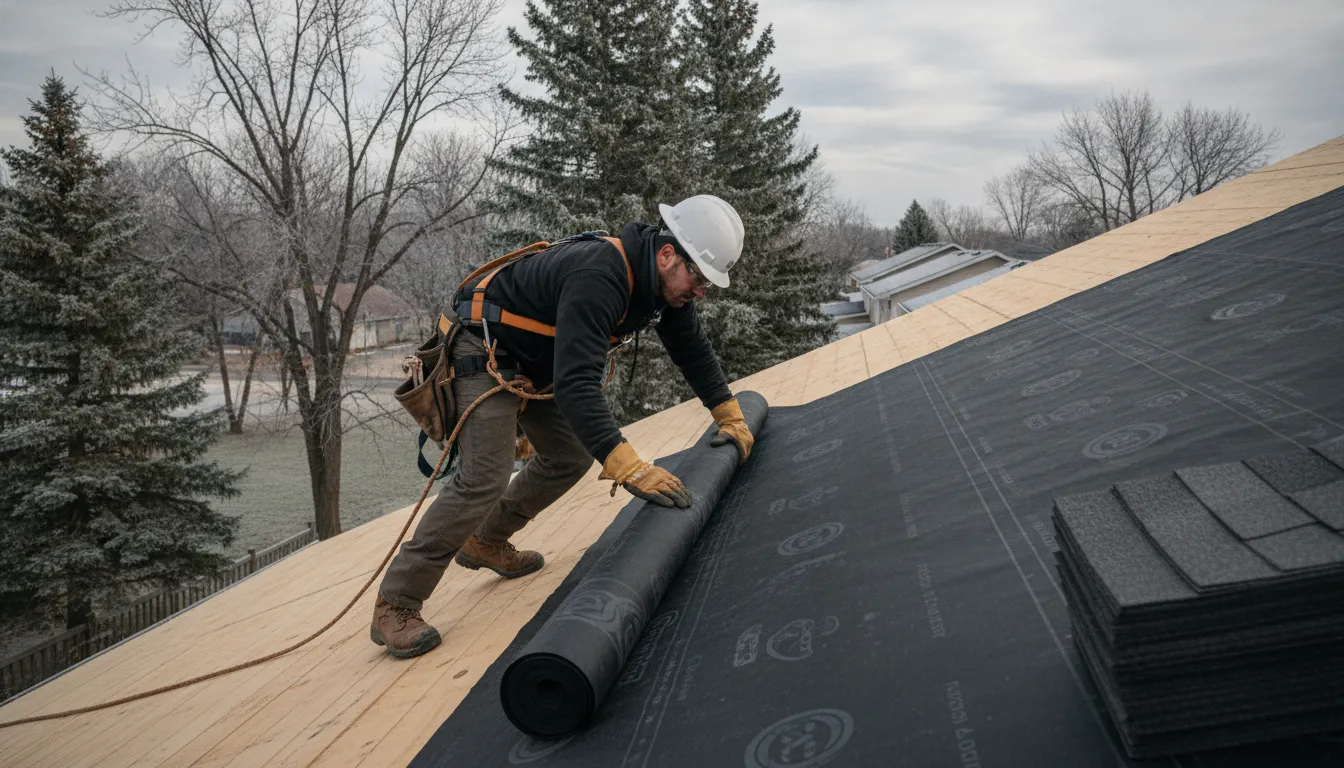
A Minnesota roofing system should include more than shingles. It should combine compatible underlayment, starter shingles, field shingles, hip and ridge components, flashing, ice and water protection, and balanced ventilation. The installation should follow the applicable manufacturer instructions and Minnesota building-code requirements, with documented inspections that confirm each layer is installed correctly.
Which components belong in a complete roofing system?
Start with the roof deck and the materials specified for the project. Underlayment provides a secondary layer beneath the shingles, while starter shingles help secure the first course and protect vulnerable edges. Hip and ridge shingles finish changes in roof direction and the peak. Flashing is installed where the roof meets walls, chimneys, skylights, and other penetrations.
Ice and water protection is especially important in Minnesota. It is used in vulnerable areas identified by the project requirements, such as eaves, valleys, and roof-to-wall transitions. It should not be treated as a substitute for sound flashing or proper drainage. Homeowners comparing Minnesota shingle roofing options should ask which components are included and where each protective layer will be installed.
For a broader material comparison, read the guide to roofing materials for Minnesota winters. The best choice depends on the roof design, weather exposure, ventilation plan, budget, and the installation details that the contractor can support.
Why does ventilation matter under Minnesota code?
Ventilation helps move air through enclosed attic or rafter spaces and can reduce moisture-related problems when the system is designed correctly. Guidance from the City of Blaine, based in part on the Minnesota State Building Code, says enclosed attics and enclosed rafter spaces require cross ventilation. It lists a general minimum net-free ventilation area of one square foot for each 150 square feet of ventilated space, subject to applicable alternatives.
That calculation is only useful when airflow paths remain open. Insulation must not block eave or cornice vents, and the Blaine guidance specifies a minimum one-inch clearance between insulation and roof sheathing at the vent. A contractor should explain the intake and exhaust strategy, not simply add a vent without checking the whole attic.
Installation details also affect compliance and warranty eligibility. Minnesota Roofing Company states that its process includes Minnesota code compliance and multi-point inspections. Ask for the ventilation approach and inspection checkpoints in the scope. Homeowners can also review practical information about ice dam prevention when planning a Minnesota roof project.
How Can You Verify Contractor Status and Warranty Eligibility?
Verify the contractor independently, identify the exact Owens Corning products and system components, and match those details to the warranty document. A badge or verbal description is a starting point. The written project record is what lets you confirm whether the proposed installation meets the stated requirements.
- Confirm the contractor identity.
Ask for the company's current Owens Corning program status and verify that the legal business name on the estimate matches the contractor you are hiring.
- Match the products to the paperwork.
Ask which shingle line, underlayment, starter, hip and ridge, ventilation products, flashing, and ice and water protection are included. Do not approve an unnamed substitute without an updated written scope.
- Request the applicable warranty.
Ask for the current warranty document that matches the exact product or system. Read the coverage, exclusions, conditions, and registration requirements.
- Clarify registration responsibility.
Ask who submits the registration, when it will happen, and what confirmation you will receive. Keep the confirmation with your project records.
- Separate workmanship from material coverage.
Request the contractor's workmanship terms, responsible party, exclusions, and process for reporting an installation concern.
- Document Minnesota-specific work.
Ask how ventilation, ice and water protection, flashing, permits, inspections, cleanup, and weather delays will be handled and recorded.
Use the company's Minnesota roofing contractor selection guide for additional comparison questions. You can also review the Minnesota roof replacement process so the estimate and timeline address the full project, not only the shingle color.
What Should You Ask Before Signing a Roofing Estimate?
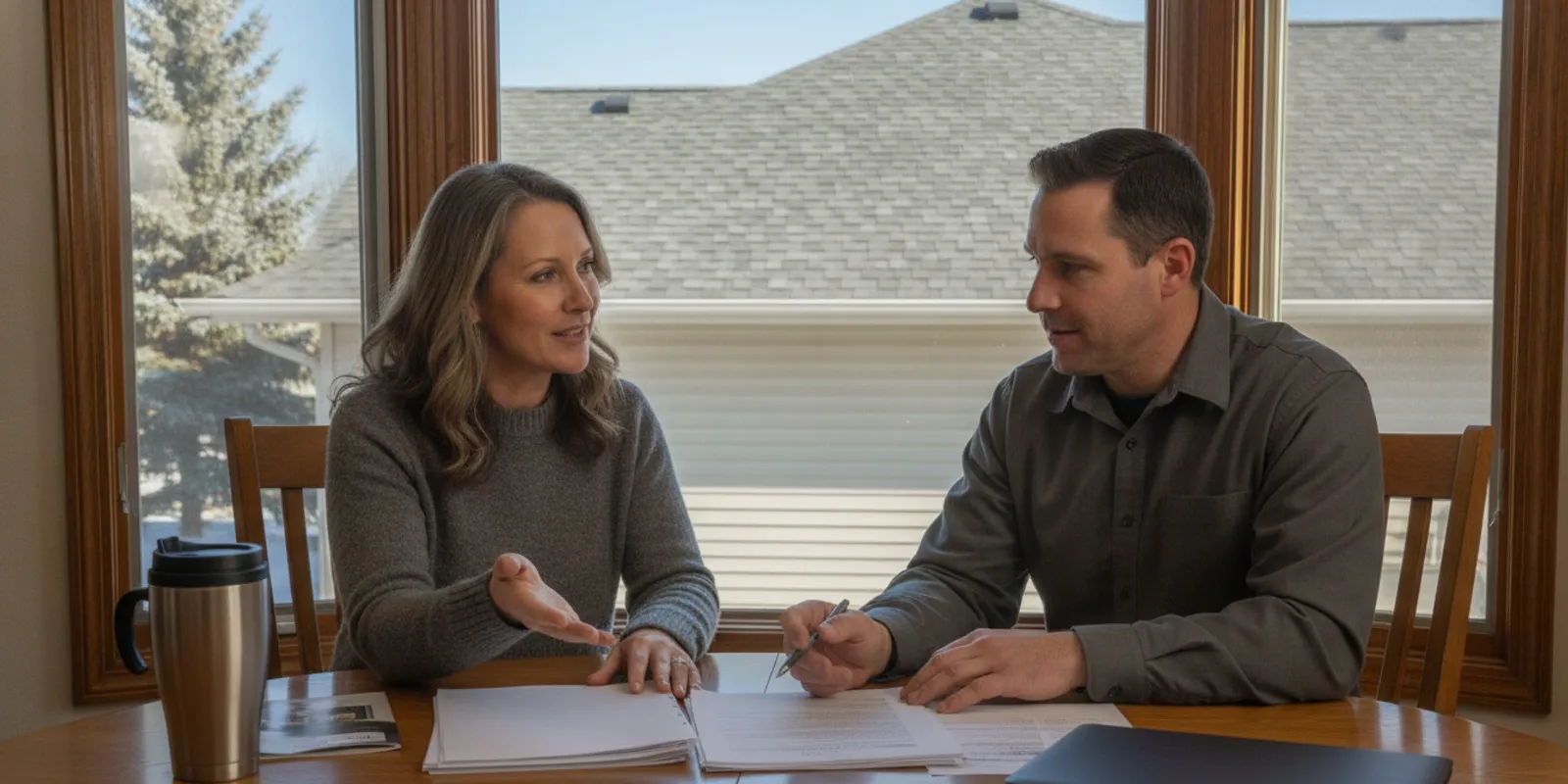
Before you sign, make sure the estimate identifies the exact roofing system, who is responsible for registration. What the written material and workmanship warranties cover, and how the work will be completed. A clear proposal should also define scope, timing, inspections, maintenance expectations, and the process for handling changes.
Start with the materials. Ask, "Which Owens Corning shingle line and system components are included?" The answer should identify more than a color or product family. Request the specified underlayment, starter shingles, hip and ridge materials, ventilation products, and ice and water protection. Use the same level of detail in every bid so you are comparing equivalent systems.
Then ask how the phrase "Owens Corning Preferred Contractor" applies to your project. Will the contractor register the applicable system warranty, or will you need to complete registration? Ask for the exact current warranty document, and keep it with the contract. Registration is not a substitute for understanding the coverage.
Clarify workmanship separately from manufacturer coverage. Ask who stands behind installation labor, how workmanship concerns are reported, and whether those terms appear in the contractor's written warranty. Minnesota Roofing Company explains that manufacturer warranties on materials and workmanship warranties on installation are separate protections. That distinction matters when you are deciding who to contact about a future concern.
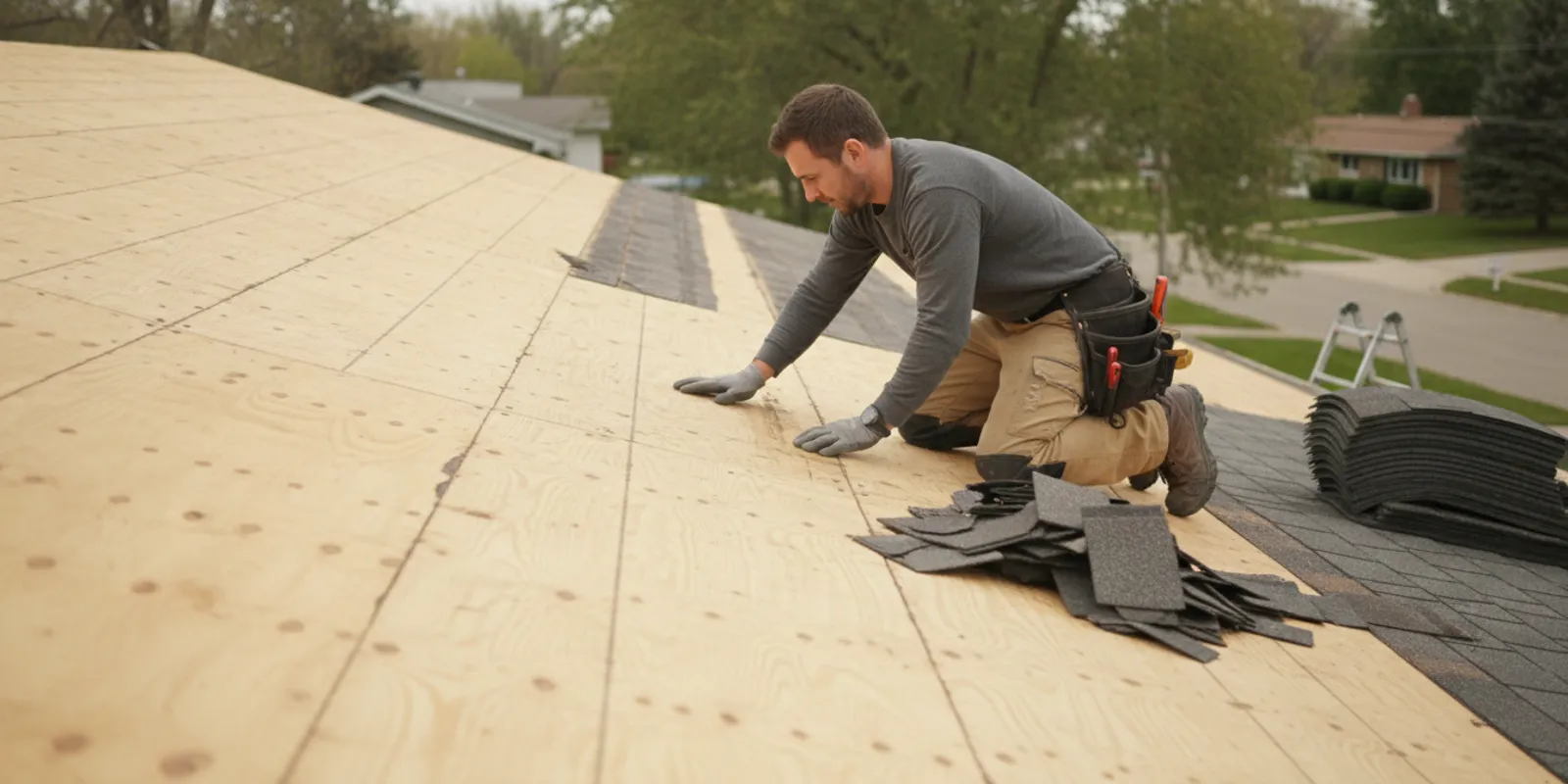
Next, review the scope line by line. Ask whether tear-off, disposal, flashing work, deck repairs, ventilation changes, permits, cleanup, and final documentation are included. Ask how weather conditions could delay the project and when inspections will occur. Minnesota Roofing Company says its written estimates are intended to clarify material and labor costs, project timeline, and scope.
Finally, ask what happens if hidden damage is found. The estimate should explain when a change order is required, how you approve it, and whether the revised price and scope are documented before extra work begins. Minnesota Roofing Company says it discloses costs upfront, uses a clear change-order process, avoids hidden fees, and honors written estimates. Review these questions to ask your roofer before making a decision.
For exterior work that may be part of a larger renovation, see the company's siding, gutters, and exterior services. Keeping related work in the written scope can help prevent confusion about which contractor is responsible for flashing, drainage, and transitions between systems.
Frequently Asked Questions
What does an Owens Corning Preferred Contractor designation mean?
It identifies a contractor recognized within Owens Corning's contractor program and may make certain system warranty options available when the roof is installed according to applicable requirements. It is not, by itself, a guarantee of workmanship, claim approval, or a specific roof lifespan. Ask for the exact warranty document that applies to your project.
How long is the Owens Corning Preferred Contractor warranty?
There is no single duration that applies to every Owens Corning roof warranty. Coverage depends on the product, system components, installation requirements, registration, and the specific protection level selected. Review the current written warranty rather than relying on a general time period or an older promotional description.
Does an Owens Corning warranty cover storm damage?
Do not assume that a manufacturer product or system warranty covers storm damage. Wind, hail, fallen objects, maintenance conditions, and other events may be addressed by a homeowners insurance policy or separate contractor terms, subject to the facts and policy language. Ask the contractor which document applies and contact your insurer when an insurance claim may be involved. Minnesota Roofing Company's storm damage roofing information can help you organize the next questions.
How do I register an Owens Corning roof warranty?
Start with the current Owens Corning homeowner registration resource and the instructions supplied for your product or system. Ask whether your Preferred Contractor must complete registration on your behalf, when it will be submitted, and what confirmation you will receive. Keep the registration record with your contract and final project documents.
What should I ask about warranty coverage before signing?
Ask which products and system components are included, whether the quoted protection includes workmanship, who registers the warranty, what exclusions apply, and how a concern is reported. Also request the contractor's separate workmanship terms, written scope, ventilation and code details, and change-order procedure. These answers let you compare estimates based on actual coverage instead of a program label.
A manufacturer designation can be valuable, but your roof decision should rest on a clearly written system, installation scope, and warranty documents. Minnesota Roofing Company brings more than 30 years of local experience to residential and commercial roofing across the Twin Cities. Keep your contract, registration confirmation, inspection records, and final project documents together after the work is complete.
Comments