
How to Understand Your Siding Replacement Estimate
When you decide to replace your siding, you’re not just buying a product; you’re hiring a team to protect one of your biggest assets. Getting quotes from multiple contractors is smart, but comparing them can be confusing if you don’t know what to look for. A professional siding replacement estimate is your best tool for vetting a contractor. It reveals their level of detail, their transparency, and their understanding of the project. This guide is designed to empower you. We’ll show you what a great estimate looks like, what questions to ask, and how to spot red flags, so you can confidently choose the right partner for your home.
Key Takeaways
- Look beyond the material price
: A trustworthy estimate breaks down every cost, including labor, old siding removal, and permit fees, so you have a complete financial picture with no surprises.
- Prioritize long-term performance over initial price
: Select a material by weighing its upfront cost against its durability, maintenance needs, and ability to withstand Minnesota's weather, ensuring you make a smart investment for your home's future.
- Insist on a professional on-site estimate
: While online calculators are useful for initial budgeting, only an in-person consultation can provide an exact price by accounting for your home's unique complexity and condition.
What's in a Siding Replacement Estimate?
Receiving a siding replacement estimate can feel like trying to read a different language, but it doesn’t have to be complicated. A clear, detailed estimate is the first sign you’re working with a trustworthy contractor. It’s more than just a final price; it’s a transparent breakdown of exactly what you’re paying for. When you get a quote, it should clearly separate costs into a few key categories, leaving no room for surprise fees later on.
First, look for an itemized list of material costs. The type of siding you choose is one of the biggest factors in the total price. For example, vinyl siding will have a different price point than fiber cement or metal. Your estimate should specify the brand, style, and quantity of the materials being used. Next is labor, which often makes up a significant portion of the budget. This covers the skilled team doing the work, from tearing off the old siding to meticulously installing the new panels. Labor costs can vary depending on the size of your home and the complexity of the job.
Finally, a complete estimate will include all the other necessary expenses. This includes fees for any required local permits, the cost of a dumpster for hauling away old materials, and general cleanup after the job is done. A professional contractor will outline every part of the project in their quote, ensuring you have a full picture of the investment. This level of detail is standard for our siding services because we believe you should feel confident and informed every step of the way.
Explore Siding Materials and Their Costs
The single biggest factor influencing your siding replacement estimate is the material you choose. Your selection impacts not only the upfront cost but also your home's appearance, durability, and long-term maintenance needs. We work with a variety of high-quality siding materials to fit different budgets and styles. Let's walk through some of the most popular options so you can get a clearer picture of what to expect.
Vinyl Siding
If you're looking for an affordable and low-maintenance option, vinyl is hard to beat. It’s the most common siding choice for a reason: it’s durable, comes in a huge range of colors, and never needs to be painted. You can simply wash it down to keep it looking fresh. According to home improvement cost data, installed vinyl siding typically runs between $4.50 to $8.20 per square foot. This makes it an accessible choice for many homeowners who want a clean, updated look without a significant financial investment.
Fiber Cement Siding
For homeowners seeking exceptional durability that mimics the look of wood or stone, fiber cement is a top-tier choice. Made from a mix of cement, sand, and cellulose fibers, this material is resistant to fire, rot, and pests. While it comes with a higher price tag, its longevity often makes it a worthwhile investment. You can expect fiber cement siding to cost between $8 and $15 per square foot installed. It’s a fantastic product if you want a high-end finish that is built to withstand Minnesota’s toughest weather for decades.
Wood Siding
Nothing offers a timeless, classic aesthetic quite like natural wood siding. Materials like cedar provide a warm, beautiful finish that can give your home incredible curb appeal. However, this beauty comes with a need for regular upkeep, including staining or painting, to protect it from moisture and pests. The cost for wood siding on an average-sized home can range from $14,000 to $28,000. If you love the look and are prepared for the maintenance, wood is a stunning choice that adds significant character to any property.
Metal Siding
Metal siding, typically made from steel or aluminum, is a powerhouse when it comes to durability. It’s an excellent choice for homeowners who prioritize strength and protection, as it’s completely fire-proof, insect-proof, and resistant to rot and impact. While it was once seen as more of an industrial material, modern metal siding comes in various styles and finishes that can suit residential homes. The cost for a metal siding project generally falls between $8,000 and $20,000, making it a solid, long-term investment for protecting your home.
How to Calculate Siding Square Footage
Getting a handle on your home's square footage is a great way to understand the siding estimates you receive. While your contractor will take precise measurements, doing a quick calculation yourself helps you budget and follow along with the process. It’s less about getting a perfect number and more about having a solid reference point. Think of it as a simple two-step process: first, you’ll measure the area that needs siding, and second, you’ll add a little extra to account for cuts and scraps.
This simple math can make you feel much more confident when discussing your project. When you understand the basic numbers, you can ask better questions and ensure the estimate aligns with your expectations. A trustworthy contractor will always be happy to walk you through their measurements and explain how they arrived at their final figures. Our team at MN Roofing Company believes in total transparency, so we make sure you understand every part of your estimate before we begin any work.
Measure Your Home's Exterior
First, you’ll need to figure out the total surface area that requires new siding. Grab a tape measure and start with one exterior wall, measuring its height and width. Multiply those two numbers together to get that wall's square footage. Repeat this for every wall you plan to re-side, then add all the totals together. Next, you’ll need to subtract the areas that won’t be covered, like doors and windows. Measure the height and width of each one, multiply to find their individual square footage, and subtract that total from your wall measurement. This gives you a close approximation of the area needing new siding services.
Account for the Waste Factor
Once you have your total square footage, you need to account for something called the "waste factor." No installation is perfect, and siding material will be cut to fit around corners, windows, and rooflines. This process creates scraps that can't be used. To make sure you don't run out of material mid-project, contractors add a waste factor to the order. A good rule of thumb is to add about 10% to your total square footage. For example, if you calculated that you need 1,500 square feet of siding, you would add 150 square feet (10% of 1,500), bringing your total material order to 1,650 square feet. This ensures there's enough siding to complete the job smoothly.
What Other Factors Affect the Final Price?
The type of siding you choose is a major part of your budget, but it’s not the whole story. Several other elements play a significant role in the final price tag of your project. A transparent estimate should account for these variables, so you know exactly what you’re paying for. Understanding these factors will help you compare quotes accurately and see why the cheapest option isn't always the best value for protecting your home.
Labor Costs
Labor is a substantial portion of any siding estimate, and for good reason. While a DIY project might seem like a way to save money, installing siding is a demanding job that requires specialized tools, safety equipment, and a high level of skill. Our professional siding services ensure the job is done right the first time, preventing costly mistakes or future repairs. Paying for expert labor means you’re investing in craftsmanship, efficiency, and the peace of mind that comes with a secure and beautiful home exterior that will last for years.
Home Size and Complexity
It’s simple logic: a larger home requires more material and more time, increasing the overall cost. However, the complexity of your home's architecture is just as important as its size. A simple, one-story rectangular house will be less expensive to side than a multi-story home with numerous gables, dormers, and corners. These intricate features require more precise cutting and fitting, which adds to the labor hours. When we prepare an estimate, we carefully assess every angle and detail of your home to provide an accurate price based on the specific work involved.
Old Siding Removal and Disposal Fees
If you’re replacing existing siding, the old material has to go somewhere. Your estimate should include a line item for the cost of tearing off the old siding and hauling it away for proper disposal. This process typically costs between $1,000 and $3,000, depending on the size of your home and the type of material being removed. It’s a crucial step that ensures your new siding is installed on a clean and sound structure, and it’s a service that a professional contractor handles from start to finish.
Permits and Inspections
Most siding replacement projects require a building permit from your local municipality. This ensures the work meets local building codes and safety standards. The cost of the permit, along with any necessary inspections, will be factored into your total project cost. While it might seem like an extra fee, it’s a non-negotiable part of a legitimate project. A reputable contractor will handle the entire permitting process for you, making sure your project is fully compliant and documented correctly, protecting your home's value and your peace of mind.
Hidden Structural Damage
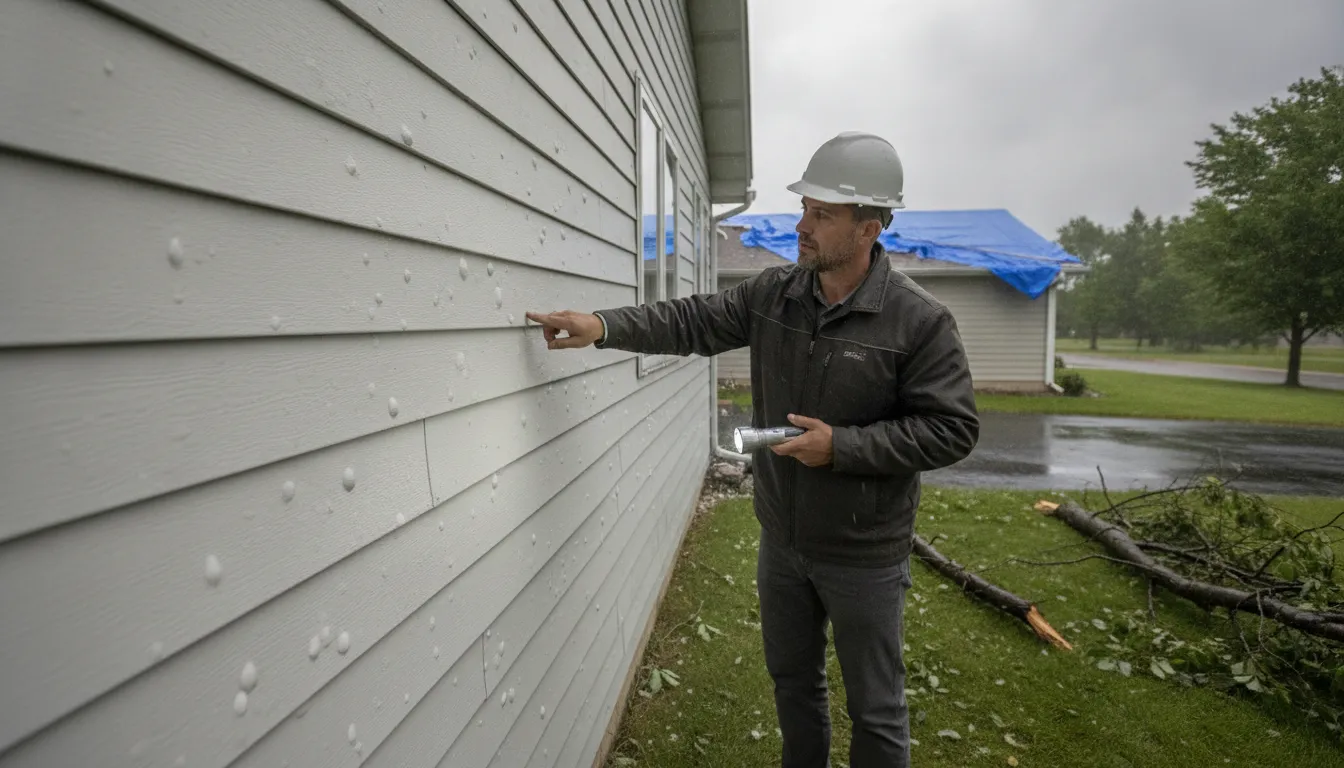
One of the biggest unknowns in any siding project is the condition of the wall sheathing underneath the old siding. Years of exposure to Minnesota weather can lead to hidden issues like rot, water damage, or pest infestations. If our team uncovers any structural damage during the removal process, we stop and alert you immediately. We’ll walk you through the problem and explain the necessary storm damage repair options and associated costs before moving forward. Addressing these issues is critical for the long-term health and stability of your home.
How Do Siding Materials Compare?
Choosing a siding material goes beyond picking a color. You're selecting the armor for your home, and each material offers a different level of protection, efficiency, and long-term value. Thinking about how a material will perform over decades, not just seasons, is key to making a smart investment. Let's break down the three most important factors to consider when comparing your options.
Durability and Weather Resistance
Here in Minnesota, our homes face everything from humid, hot summers to frigid, icy winters. Your siding needs to be tough enough to handle it all without cracking, warping, or fading. Materials like fiber cement are exceptionally durable, resisting damage from insects, rot, and extreme temperatures for 50 years or more. Vinyl is a popular and affordable choice, but it can be less robust. In high heat, it can sometimes warp or melt, and it may become brittle and crack in the severe cold, which is an important consideration for any Minnesota homeowner.
Energy Efficiency and Insulation
Did you know that new siding can help lower your energy bills? Think of it as wrapping your home in an extra blanket. Properly installed siding improves your home's insulation, which helps keep warm air inside during the winter and cool air inside during the summer. This added efficiency means your HVAC system doesn't have to work as hard, leading to real savings on your monthly utility costs. For anyone living with our region's weather extremes, choosing an insulated or well-sealed siding system is a practical way to make your home more comfortable and efficient.
Maintenance and Long-Term Value
It’s easy to focus on the initial price tag, but it’s crucial to weigh that against long-term maintenance costs and overall value. A material like fiber cement might have a higher upfront cost, but its incredible durability means you'll spend far less on repairs and upkeep over the years. On the other hand, a less expensive option might save you money now but could lead to more frequent painting, repairs, or even a full replacement sooner than you’d like. Investing in a high-quality, low-maintenance material often provides the best return, adding significant value to your home when it’s time to sell.
Top Siding Brands to Know
When you're looking at siding, the brand you choose matters just as much as the material. Different manufacturers are known for specific strengths, whether it's unmatched durability, a vast color selection, or innovative, sustainable materials. Getting familiar with the top names in the industry helps you understand what's possible for your home's exterior. It also gives you a better baseline for comparing estimates, since the brand can significantly influence the price. Here are a few of the trusted brands we work with, each offering unique benefits for Minnesota homeowners.
MN Roofing Company
As your local siding experts, we've spent years working with different materials and brands. We know what holds up to Minnesota's wild weather swings, from humid summers to freezing winters. That’s why we offer a curated selection of high-quality siding services using materials like versatile vinyl, durable fiber cement, and classic wood. Our goal is to help you find the perfect fit for your home's style, your budget, and our local climate. We guide you through the options, explaining the pros and cons of each, so you can make a choice you feel confident about for years to come. Our commitment is to superior craftsmanship and making sure you love your home’s new look.
James Hardie
You'll see the name James Hardie come up a lot in siding conversations, and for good reason. They are the leader in fiber cement siding, a material celebrated for its incredible durability. It’s engineered to resist moisture, rot, and pests, and it won't warp or buckle in extreme temperatures. What makes it especially great for our area is the HardieZone® system, which creates siding products specifically designed for climates like Minnesota's. Beyond its strength, James Hardie siding comes in a huge variety of textures and colors, so you can get the look of wood or other materials without the high maintenance. It’s a fantastic investment for long-term performance and curb appeal.
CertainTeed
CertainTeed is another top-tier brand that offers a fantastic range of siding products. They are well-known for their high-quality vinyl siding, but also provide excellent polymer and fiber cement options. One of the things that sets CertainTeed apart is its focus on design and color. They offer one of the widest color palettes in the industry, making it easy to find the exact shade you envision for your home. Many of their products also incorporate sustainable practices, using recycled materials. Homeowners appreciate the strong, comprehensive warranties that CertainTeed provides, giving you extra peace of mind in your investment. It’s a reliable choice for both beauty and performance.
Avoid These Common Siding Estimate Mistakes
Getting a siding estimate can feel overwhelming, but knowing what to look for helps you avoid common pitfalls. A good estimate is more than just a number; it’s a detailed plan for protecting your home. Let’s walk through a few mistakes homeowners often make so you can approach your project with confidence and clarity.
Don't Underestimate Material and Labor Costs
It’s easy to look at the price per square foot for siding and think you have the full picture, but that’s rarely the case. The total cost to install new siding often lands between $10,000 and $25,000, depending on your home's size and the materials you choose. Labor is a huge factor in that final number, especially for homes with complex angles or multiple stories. A professional quote for our siding services will break down both material and labor costs so there are no surprises, giving you a clear and complete understanding of the investment.
Remember Removal, Disposal, and Permit Fees
What happens to your old siding? It has to be removed and disposed of, and that comes with a cost. Many homeowners forget to budget for this, along with necessary building permits and other small fees that add up. For an average-sized home, these extras can easily add thousands to the final bill. A transparent contractor will include these line items in your estimate, ensuring you understand the full scope of the project from the start. This level of detail is a sign that you’re working with a professional who values clear communication.
Consider Your Local Climate When Choosing Materials
Here in Minnesota, our homes face everything from heavy snow and ice to humid summers. The siding you choose needs to stand up to it all. While a budget-friendly option like vinyl is popular, it can become brittle and crack in extreme cold. Materials like fiber cement or metal offer greater durability and resistance to our harsh weather cycles. When protecting your home's exterior, it's wise to consider how your entire residential roofing system works together with your siding to create a complete shield against the elements.
Don't Choose Based on Price Alone
The cheapest option today might cost you more in the long run. While premium siding like fiber cement has a higher upfront cost, its durability means fewer repairs and a longer lifespan, adding significant long-term value to your home. Think of new siding as an investment, not just an expense. Choosing a quality material installed by a team you trust ensures your home is protected for decades. At MN Roofing Company, our commitment to craftsmanship means we only recommend solutions built to last.
Tools for a More Accurate Estimate
Getting a handle on potential costs is a huge part of planning a siding project. While a professional quote is always the most accurate way to go, there are some great online tools you can use to get a solid ballpark figure. Think of it as doing your homework before the big test. These calculators can help you feel more prepared and confident when you start talking to contractors. They factor in things like your home's size and location to give you a preliminary estimate to work with, so you can start building a realistic budget for your home's transformation.
Online Cost Calculators
Several websites offer calculators to help you get a sense of your project's scope. For example, the Modernize Siding Cost Calculator is a popular tool that uses your location and home size to generate a custom estimate. Another option is the Exterior Heroes Siding Cost Calculator, which gives you a quick number based on your home's style, number of stories, and general size. These tools are fantastic for getting a quick snapshot of what you might expect to invest, helping you budget accordingly before you even pick up the phone. They can't replace a pro, but they're an excellent first step.
The Professional On-Site Estimate
Ultimately, online calculators are just a starting point. They can't see the specific complexities of your home, like hidden structural issues or the details of removing old siding. The only way to get a truly exact price is through a professional consultation. At MN Roofing Company, we provide detailed, transparent estimates for our siding services. We’ll come to your property, take precise measurements, discuss material options with you, and account for every detail. This ensures there are no surprises and you have a firm number you can rely on for your project.
Are Financing Options or Discounts Available?
A full siding replacement is a significant home improvement project, and the cost can feel daunting. The good news is that many contractors understand this and offer ways to make the investment more manageable. Most reputable companies provide financing options to help you spread the cost over time, so you don't have to put off protecting your home.
Here’s a pro tip: always ask for your complete project estimate before you discuss financing. This allows you to see the true, itemized cost of the materials and labor without any financing fees baked in. Some financing plans can add 3% to 8% to the total project cost, and getting the initial price first ensures you have a clear baseline. This way, you can make an informed decision about whether financing is the right path for you.
It’s also smart to ask about any available discounts. Companies may have seasonal promotions, or you might be able to save by bundling services, like replacing your siding and gutters at the same time. At MN Roofing Company, we believe in transparency and are always happy to discuss our siding services and any current offers that can provide the best value. Remember, new siding is more than just an expense; it’s an investment that can return around 80% of its cost when you eventually sell your home.
What to Expect During Siding Replacement
A siding replacement project is a big undertaking, but it doesn't have to be a mystery. Understanding the process from start to finish helps you prepare your home and gives you peace of mind. When you work with a professional team, you can expect a well-organized project that moves through three main phases: preparation and removal, installation, and the final cleanup and inspection. Knowing what happens at each stage ensures there are no surprises and that your project stays on track.
Site Prep and Old Siding Removal
Before the new siding goes on, the old siding must come off. The first step our crew takes is preparing the work area. This involves protecting your landscaping, clearing the perimeter of your home, and setting up a safe, efficient workspace. Next, we carefully remove the existing siding. It's important to know that the removal and disposal of old materials can be a separate line item on your estimate, often adding between $1,000 and $3,000 to the total cost. This step is also our first chance to inspect the sheathing underneath for any rot or damage that needs to be addressed before installation begins.
The Installation
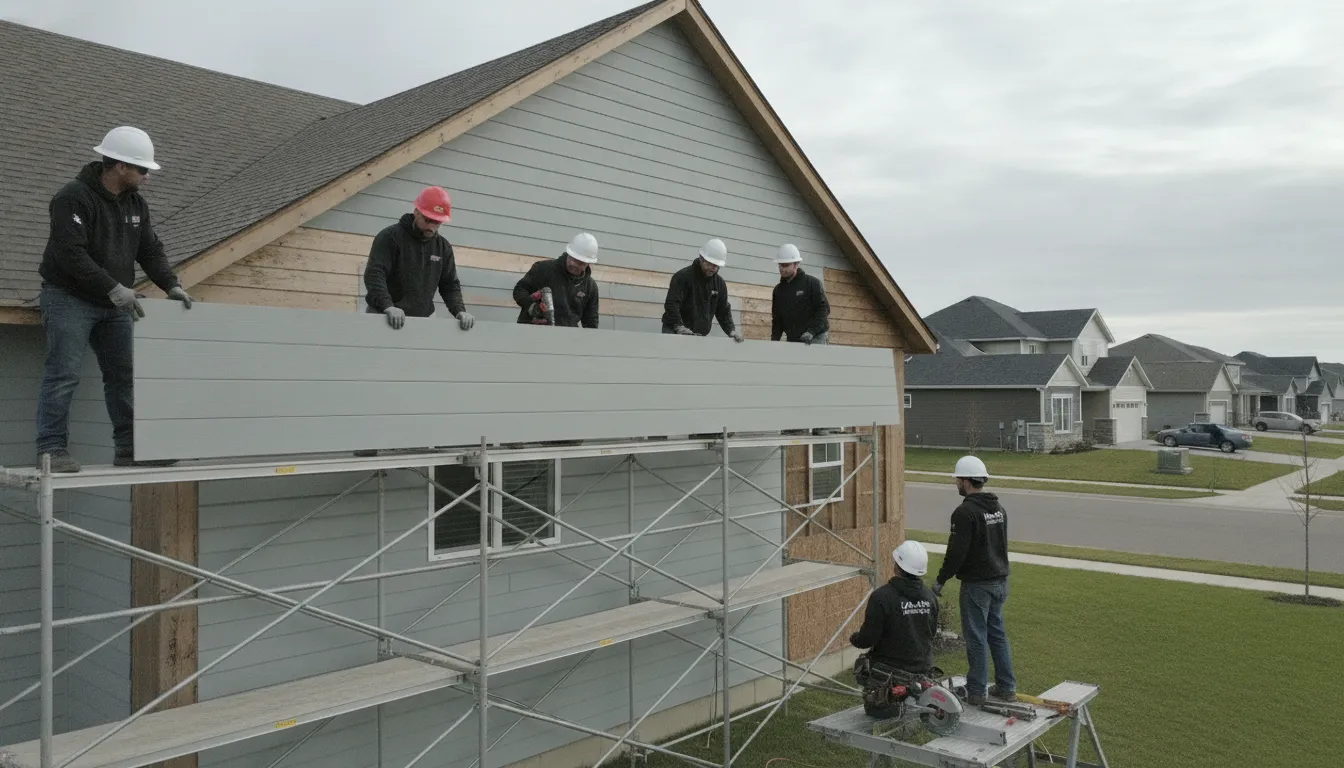
Once the site is prepped and the old siding is gone, the installation begins. For an average-sized home, this process typically takes one to two weeks. However, the timeline can vary based on a few factors, including the weather, the complexity of your home’s architecture, and the type of material you’ve chosen. Our professional team at MN Roofing Company works diligently to complete your siding services project efficiently while minimizing disruption to your daily life. We focus on precise, quality installation to ensure your new siding not only looks great but also provides lasting protection for your home.
Cleanup and Final Walkthrough
A project isn’t complete until your property is left clean and tidy. After the installation is finished, our team performs a thorough cleanup, using magnetic rollers to collect stray nails and removing all debris and leftover materials. The final step is a walkthrough with you and our project manager. This is your opportunity to inspect the work up close, ask questions, and confirm that every detail meets your expectations. We want to ensure you are completely satisfied with the finished result, from the quality of the installation to the final cleanup.
Related Articles
Frequently Asked Questions
Why is a professional on-site estimate so important? While online calculators are a great starting point for budgeting, they can’t see the unique details of your home. An on-site estimate allows a professional to take precise measurements, assess the complexity of your home’s architecture, and check for any potential issues that might affect the project. This is the only way to get a truly accurate price that includes everything from labor to permit fees, ensuring there are no surprise costs down the road.
What happens if you find rot or other damage under my old siding? This is a common concern, and it’s one of the most important reasons to hire a professional. If our team uncovers any structural issues like water damage or rot after removing the old siding, we stop work immediately. We will show you the problem, explain the necessary repairs, and provide you with a clear cost for the additional work. We will not move forward until you have approved the solution, so you remain in complete control.
How long will my siding replacement project take from start to finish? The installation itself on an average-sized home usually takes about one to two weeks. However, the total project timeline can be influenced by a few things, such as the weather, the complexity of your home, and the specific materials you choose. We manage the project efficiently from the initial site preparation and removal of old siding all the way through the final cleanup and walkthrough to minimize disruption.
Does new siding really help lower my energy bills? Yes, it absolutely can. Think of new siding as wrapping your home in a protective, insulating layer. When installed correctly with a quality house wrap, it helps seal air leaks and improves your home's overall thermal performance. This means your heating and cooling systems don't have to work as hard to maintain a comfortable temperature, which can lead to noticeable savings on your monthly energy costs.
I'm working with a specific budget. How can I best manage the cost of a siding project? The best way to manage costs is to have an open conversation about your budget with your contractor. We can walk you through different material options that offer great value at various price points, such as comparing the affordability of vinyl with the long-term durability of fiber cement. Additionally, financing options are often available to help spread the investment over time, making the project more accessible without compromising on quality.

Comments