
Siding Warranty Coverage Minnesota
Siding warranty coverage Minnesota homeowners encounter can vary by product, installer, and written contract. The word “warranty” does not mean every kind of damage or repair is covered. Before replacing siding or reporting a problem, find out which warranty applies, what it promises, who handles the claim, and what responsibilities fall to you. Minnesota Roofing Company provides siding services across Minnesota; this guide helps you prepare useful questions before a project.
Quick answer: Siding may have separate product and workmanship warranties. Product coverage comes from the manufacturer and is governed by its written terms. Workmanship coverage, if offered, concerns installation and depends on the installer’s agreement. Neither should be assumed to cover every issue. Keep paperwork, follow care instructions, document concerns, and contact the party identified in the relevant warranty before arranging repairs.
On this page
What types of siding warranty coverage may apply?
Start by separating coverage into broad categories. They may be documented in different papers, use different claim procedures, and cover different kinds of concerns. Ask for actual terms rather than relying on a short description in a sales conversation.
Product or manufacturer coverage
A product warranty is issued by the manufacturer. Its terms identify the product and conditions under which the manufacturer may provide a remedy for a covered defect. The document—not a general claim that a product is “warranted”—sets the details. It may identify eligible products, the warranty period, how a claim is submitted, and what remedy may be available.
Do not infer that every visible change is a manufacturing defect. Weather exposure, impact, installation, maintenance, and other conditions may matter under the particular terms. For questions about a specific product, use its official documentation and contact details supplied with the project records.
Installation or workmanship coverage
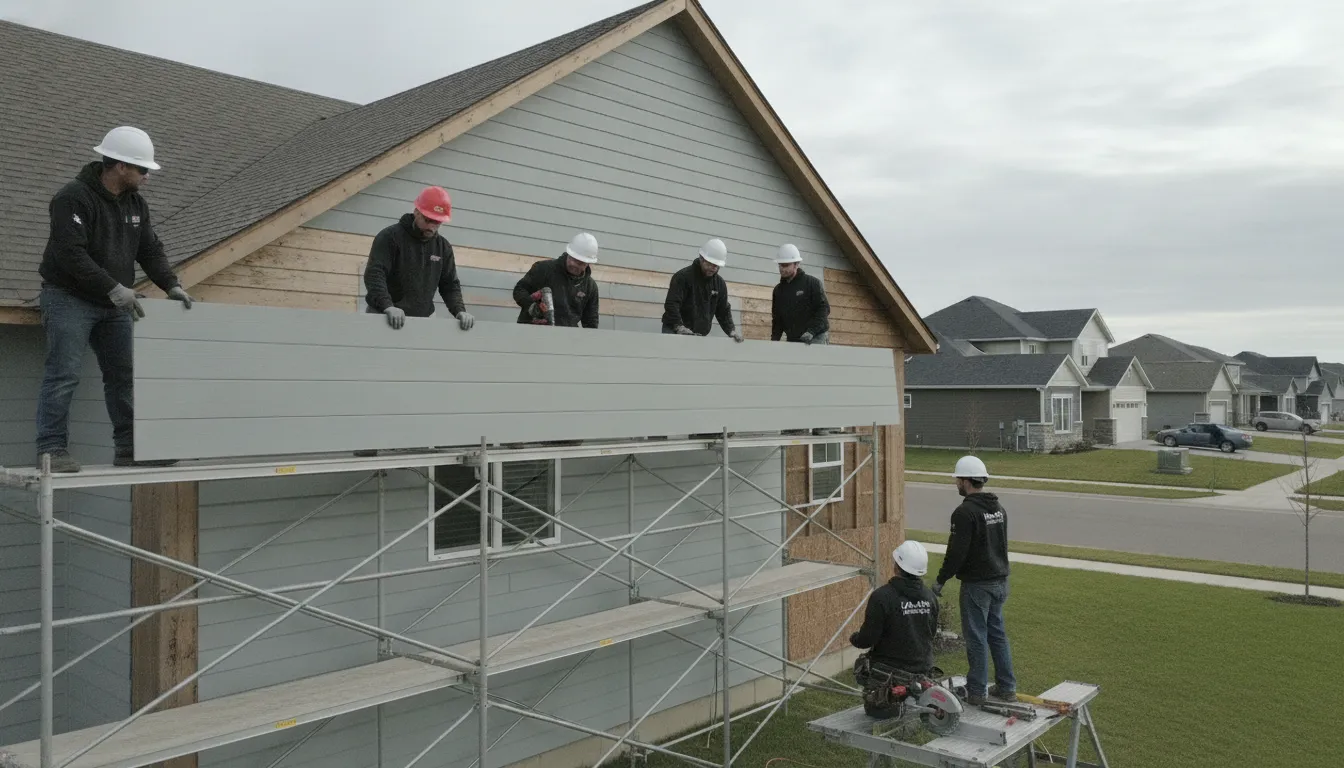
Workmanship coverage concerns installation work rather than the product itself. It may be offered by a contractor under a separate written agreement. The agreement should state what work is covered, how long the coverage applies, how to report a concern, and what limitations or owner duties apply. Do not assume installer coverage duplicates or extends the manufacturer’s product warranty.
Ask who is responsible for evaluating an issue and what documentation is needed. If you are comparing a siding project with other exterior work, the Minnesota siding services page and exterior services information explain relevant service scope. Confirm project-specific terms directly in your written documents.
Other documents that may affect expectations
A proposal, contract, product specifications, care instructions, and warranty certificate can each answer different questions. A brochure may describe general features, while a warranty defines actual coverage conditions. Keep final versions and check that documents identify the materials and work used on your property.
Consumer warranty rights can depend on written terms and applicable law. For general background on warranties, consult the Federal Trade Commission at FTC.gov. That resource does not determine whether a particular siding problem is covered; the written warranty and circumstances matter.
How do you read the written terms?
Read the full warranty before approving a project when possible. If siding is already installed, locate the documents before reporting a concern. Focus on the practical items below, and write down questions when language is unclear.
- Identify the issuer and covered work.
Note whether the document comes from a manufacturer or installer. Check the product name, material, components, installation scope, and property or project details.
- Find the start date and duration.
A stated term may begin at a specific event, such as purchase or installation. The document should explain how timing is determined. Do not assume coverage begins when you first notice a problem.
- Read what the warranty promises.
Look for the stated remedy and conditions. Coverage might not mean automatic replacement of all siding or payment for every related expense. The exact remedy is controlled by the terms.
- Review exclusions and limitations.
Look for language addressing impact, weather, alterations, improper cleaning, maintenance, or other causes. These are examples of topics to check, not a claim that every warranty excludes them.
- Check required care and reporting steps.
Identify maintenance, inspection, notice, or claim-submission processes. Follow written instructions and keep records of what you do.
- Understand transfer and ownership rules.
If a home or building has changed owners, verify whether the warranty can transfer and whether a deadline or registration step applies.
- Save proof of purchase and installation.
Keep the proposal, invoice, product identifiers, completion date, photos, and correspondence together.
If warranty wording is unclear, ask the issuer to explain the specific clause in writing. Keep the question and response with your documents. Avoid relying only on informal summaries, because the written terms are the reference point for the parties’ obligations.
Use a simple document checklist
Before a project begins, create one folder—digital or paper—with a copy of the signed agreement, final invoice, product names, installation date, care instructions, and warranty documents. Add photographs of the finished exterior and any labels or product identification that are provided. If the installer references a manufacturer warranty, ask where to obtain the full current text and whether the owner must register anything.
For an existing home, gather what is available even if the set is incomplete. Search closing documents, old email, contractor correspondence, and maintenance files. Write down what remains unknown rather than filling gaps with assumptions. For example, if you know the siding was installed in a certain year but cannot identify the product line, note both facts and ask the installer or manufacturer what additional information could identify it.
When comparing two proposals, use the same questions for each. Ask what exact siding product is proposed, which written warranty applies to the material, whether installation coverage is offered, who supplies each document, and what the reporting procedure is. This makes the comparison about verifiable terms rather than vague labels such as “strong warranty.”
How do common coverage types compare?
The table below is a way to organize questions, not a statement that any particular warranty is included with a project. Ask for the relevant documents and verify the exact scope before deciding.
Coverage or document | What it generally concerns | What to verify |
Manufacturer product warranty | Specified siding product and qualifying defects described by manufacturer | Covered product, term, exclusions, claim process, remedy, transfer conditions |
Installer workmanship agreement | Installation work described in contractor’s written terms | Covered work, duration, reporting procedure, limitations, responsible contact |
Project contract and invoice | Materials and work agreed for the specific project | Product identification, scope, completion details, referenced warranty documents |
Care or maintenance instructions | Owner actions or conditions relevant to proper care | Cleaning and maintenance directions, cautions, recordkeeping recommendations |
These documents should be considered together, but they are not interchangeable. A product warranty does not automatically describe installation coverage, and an invoice is not necessarily a warranty. If a contract refers to a separate warranty, request a copy and read it before work begins.
Compare the process, not only the term
A longer stated period does not answer every practical question. A homeowner should also understand what must be reported, where the claim goes, what evidence is useful, what remedy is possible, and whether a transfer changes anything. Two documents with similar duration can operate differently because their covered products, exclusions, and claim steps differ.
Try making a side-by-side worksheet with one row for each proposal and columns for product name, document issuer, covered work, duration, key exclusions, notice method, remedy, owner duties, and transfer language. Put “not provided” where an answer is missing. That entry is useful: it tells you what to request before signing rather than allowing a sales conversation to stand in for a written term.
For example, imagine one proposal includes a named product warranty but gives no separate installation document, while another provides both product paperwork and an installer agreement. That alone does not establish which is better or whether either will cover a future issue. It gives you a focused follow-up: ask each contractor for the actual documents, the scope each addresses, and the process to follow if a concern appears.
What should you do if siding has a problem?
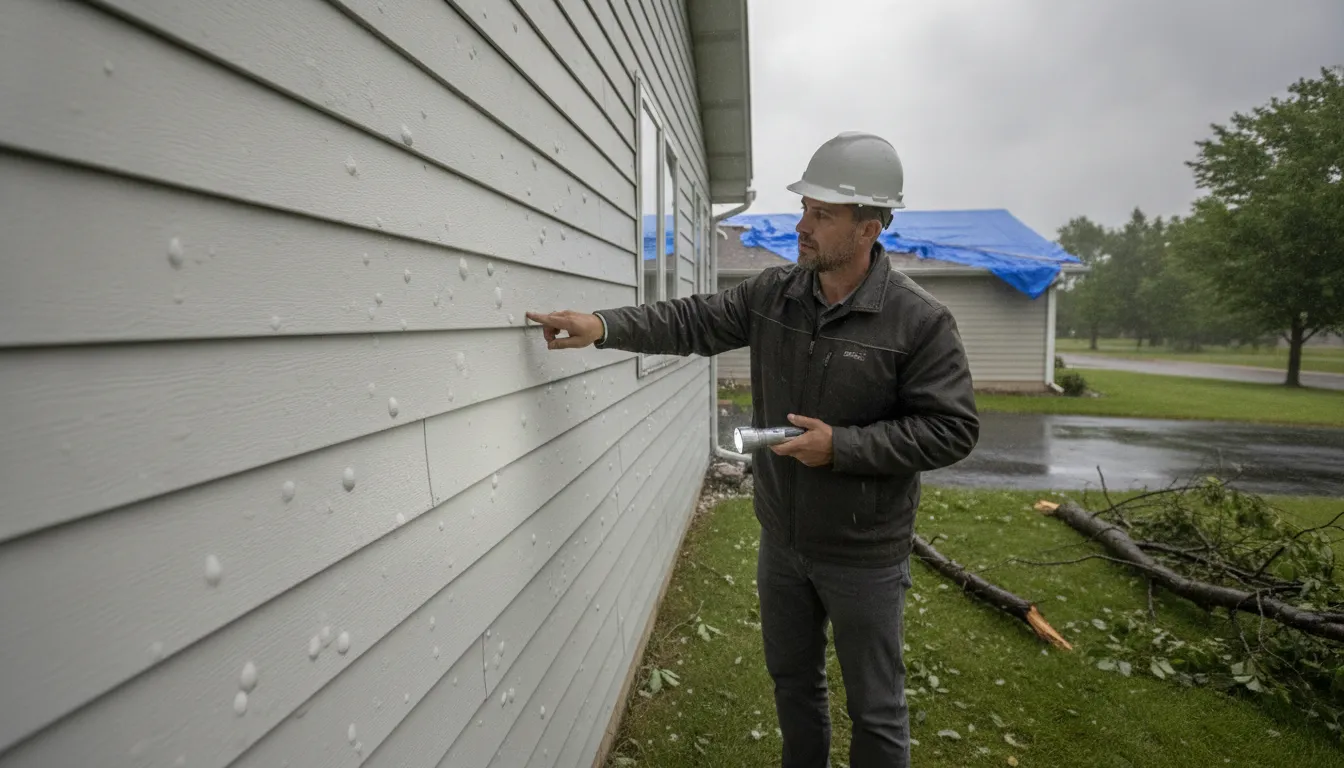
A measured, documented response can make it easier to explain what you see. First, protect people from immediate hazards. Do not climb onto a roof, remove siding, or attempt a repair that could cause injury or complicate an evaluation. For ordinary visible concerns, follow these steps:
- Record the observation.
Note location, date, and what changed. Take clear photos from safe ground-level positions and include wider context and close detail where possible.
- Gather the paperwork.
Find product information, contract, invoice, warranty documents, care instructions, and prior repair records. Write down the installation date if available.
- Check the proper contact.
Use claim instructions in the manufacturer or installer document. Ask which party should receive the report and what information they need.
- Describe facts without guessing at cause.
Explain what you observed and when. Avoid presenting an unconfirmed diagnosis as fact. The issuer may need to review the situation before determining cause or coverage.
- Keep communication records.
Save emails, letters, forms, photographs, and dates of calls. Ask for next steps and deadlines in writing when possible.
- Ask before authorizing work.
For non-urgent repairs, understand whether an inspection or notice is needed before arranging work. Address urgent safety or water-entry concerns appropriately while documenting the condition and work performed.
Build a concise report
A useful first message can be brief and factual: identify the property, product if known, installation date if available, location of the concern, when it was first noticed, and the steps already taken. Attach a small set of clear photos rather than a large collection without labels. Ask which form or additional records the issuer needs and whether the siding should be left untouched until it has reviewed the report.
Keep a dated log. A simple entry might read: “October 18: noticed one panel near the back entry had shifted; took photographs from the ground; no repair attempted; emailed the installer asking for the claim process.” The point is not to diagnose the cause. It is to preserve the sequence of events and what you have communicated.
If the issuer asks for more information, respond to each request and keep a copy. If a contractor visits, note the date and what area was reviewed. Ask for any findings and proposed next steps in writing. A careful record helps keep the conversation clear, especially when a manufacturer and installer each handle different parts of a question.
Damage can have more than one possible cause, and a photograph alone may not establish whether a warranty applies. A siding professional can help assess visible conditions, but coverage decisions belong to the warranty issuer under its terms. Minnesota Roofing Company also provides gutter services and insulation services; confirm requested work and written scope for a specific project.
What should Minnesota property owners consider?
Minnesota property owners should understand the warranty’s actual conditions rather than assume local climate creates automatic coverage. Seasonal weather and exposure make it useful to keep dated records of visible changes, maintenance, and repairs. The relevant warranty still determines what is covered and how to report it.
Ask how the proposed siding system and installation details are documented. Check that the contract identifies materials and scope, and ask for care guidance that applies to the installed product. If the property has had previous exterior repairs, retain those records as well. They may help explain history when you contact a manufacturer or installer.
Homeowners planning more than one exterior project may want to review the relationship among roof repair, roof replacement, and siding work. A warranty on one part of the building should not be assumed to cover another. Keep each project’s agreement and warranty paperwork separately labeled.
Property managers can use a straightforward recordkeeping routine: store warranties by building, note installation and maintenance dates, and record whom to contact for each product. When staff or ownership changes, pass along the documents and verify transfer requirements. This does not extend coverage, but it can help avoid losing useful records.
For a multi-unit property, keep a site-specific record rather than relying on one generic folder. Identify the building or elevation associated with each repair, attach dated photographs, and note whether work was completed under the original project or a later service call. When a manager receives a concern from a tenant or maintenance worker, record the report date and the precise location before contacting the responsible party. This small step reduces confusion if similar-looking siding appears on more than one building.
When comparing contractors, request written answers to practical questions: Which manufacturer documentation will be provided? Is there separate installation coverage? How should an issue be reported? What care instructions apply? Which conditions are excluded? Clear answers help you compare proposals without treating a warranty label as a substitute for understanding its terms.
Questions to ask before signing
Will the contract identify the product and installation scope in enough detail to match the warranty paperwork?
Where can I read the full manufacturer terms before work begins?
Is a separate installer workmanship agreement provided, and what work does it address?
Who should receive a report if a concern appears, and what details should be included?
Are there cleaning, maintenance, registration, or transfer steps that I should record?
What remedy does the written document describe, and what expenses or work does it not address?
Ask for responses in writing and keep them with the proposal. If a phrase such as “lifetime coverage” appears, ask what “lifetime” means in that document, when the period starts, whether it changes over time, and what exclusions apply. The phrase alone cannot answer those questions.
When should you ask about siding work?
If siding is damaged, deteriorating, or part of a planned exterior update, begin by recording what you see and reviewing existing documents. Then ask what work may be appropriate and what written coverage applies to proposed materials and installation. Minnesota Roofing Company serves Minnesota property owners with siding and exterior services. You can review the project gallery, explore financing information, or learn about the company’s Fridley service area and Plymouth service area.
Frequently asked questions
Does a siding warranty cover all damage?
No. Coverage depends on the particular written terms, product or work involved, and circumstances. Review exclusions, required care, claim steps, and the stated remedy rather than assuming all damage is included.
Is a manufacturer warranty the same as workmanship coverage?
No. Manufacturer coverage concerns specified product terms, while workmanship coverage, if provided, concerns installation work described by the installer. They may have separate issuers, procedures, and limitations.
Can I make a claim without the original paperwork?
You can contact the issuer to ask what information may help, but missing records can make it harder to identify the product, installation date, or applicable terms. Gather invoices, photos, correspondence, and any available product information.
Does a warranty automatically transfer when a property is sold?
Not necessarily. Read the transfer language and contact the issuer to confirm whether transfer is allowed and whether you must complete a step by a deadline.
Should I repair a problem before contacting the warranty issuer?
For a non-urgent concern, check the written reporting procedure first and ask whether an inspection or notice is needed. Prioritize immediate safety and prevent further damage when necessary, while documenting the condition and any work.
Before making a decision, keep warranty documents with project records and verify the terms with the issuer; a clear paper trail makes it easier to understand your options.

Comments