
A Homeowner's Guide to Siding Replacement Estimates
A siding replacement is one of the most dramatic transformations you can give your home. It’s a chance to completely redefine its character and make it the standout on the block. While it’s easy to get caught up in choosing the perfect color and style, it’s the practical planning that makes the project a success. This is where understanding the cost becomes essential. This guide will help you bridge the gap between your vision and your budget. We’ll explore how different materials, from affordable vinyl to durable fiber cement, affect the final price. By understanding what goes into a siding replacement estimate, you can balance aesthetics with long-term value, ensuring your beautiful new exterior is also a wise financial investment.
Key Takeaways
- Understand the full scope of your estimate
: A transparent quote includes more than just materials; it details costs for professional labor, removal of old siding, disposal fees, and necessary permits.
- Balance style with Minnesota-ready performance
: Choose a siding material by considering its durability against harsh weather, its long-term maintenance needs, and its potential for energy efficiency in our climate.
- Vet your contractor to protect your investment
: Ensure a quality result by getting multiple detailed quotes, asking specific questions about the process and warranty, and choosing a trusted local professional with a strong reputation.
What's in a Siding Replacement Estimate?
Getting a quote for new siding can feel a little overwhelming. You're not just getting one price; you're getting a detailed breakdown of everything that goes into the project. Understanding these different parts helps you compare quotes fairly and see exactly where your money is going. A transparent estimate should always include a few key components: the materials for the job, the cost of labor, fees for removing the old siding, and any permits or extra charges. Let's walk through what each of these means for your project.
Material Costs
This is usually the biggest chunk of your estimate. The material you choose has the largest impact on both the final look and the total price of your project. For example, vinyl siding is a popular and budget-friendly choice, often costing between $4 and $8 per square foot. If you're looking for something more durable and fire-resistant, fiber cement is a fantastic option in a similar price range. Materials like wood, stucco, or natural stone offer distinct aesthetics but come with higher price tags and different maintenance needs. When we provide an estimate, we'll walk you through the pros and cons of different siding services to find the perfect fit for your home and budget.
Labor Costs
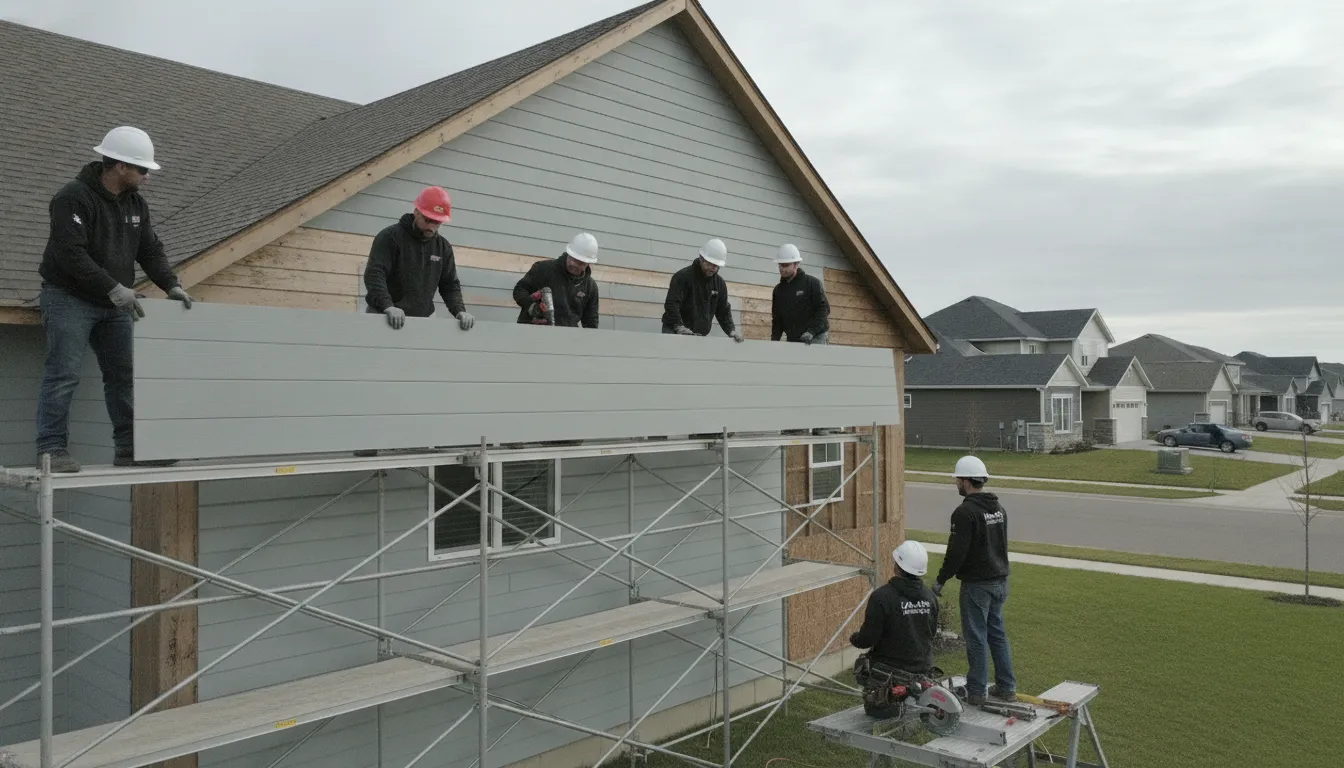
After materials, labor is the next significant cost. This part of the estimate covers the skilled work of our crew to install your new siding correctly and safely. Labor costs can range from $2 to $12 per square foot, depending on a few things. A simple, straight-sided house will have lower labor costs than a home with complex angles, multiple stories, and intricate details that require more cutting and custom fitting. A professional installation is key to ensuring your siding performs well for decades, protecting your home from Minnesota's weather. A quality contractor will always be transparent about their labor rates.
Removal and Disposal Fees
Before the beautiful new siding goes on, the old siding has to come off. Your estimate should include a line item for the cost of removing and properly disposing of your existing siding. This process typically costs between $700 and $2,000, or about $2 to $5 per square foot. While it might seem like an extra fee, this step is crucial. It allows us to inspect the sheathing underneath for any hidden damage, like rot or mold, and ensure your home's structure is sound before we install the new material. Skipping this can lead to much bigger problems down the road.
Permits and Other Costs
Finally, your estimate will cover a few smaller but equally important items. Most siding replacement projects require a permit from your local municipality to ensure the work meets safety and building codes. Permit fees can range from $50 to over $500, depending on where you live in the Twin Cities area. Other costs might include new trim, channels, or shutters to complete the look, as well as delivery fees for materials and a dumpster for waste removal. A trustworthy contractor will outline all these potential project costs upfront, so there are no surprises on the final bill.
How Much Does New Siding Cost per Material?
The biggest factor influencing your siding replacement estimate is the material you choose. From budget-friendly vinyl to premium natural stone, the options vary widely in price, appearance, and performance. The costs below reflect the price per square foot, including professional installation, giving you a solid baseline for what to expect. As you explore these materials, think about which one best fits your home’s style, your budget, and the demands of a Minnesota climate. Our team is always here to walk you through the pros and cons of each option for your specific home.
Vinyl
Vinyl is one of the most popular and affordable siding choices on the market. For professional installation, you can generally expect to pay between $4.50 and $8.20 per square foot. Its low cost and minimal maintenance requirements make it an attractive option for many homeowners. Vinyl comes in a huge variety of colors and styles, including panels that mimic the look of wood grain or shakes. While it holds up well against moisture, it can sometimes become brittle and crack in extremely cold temperatures or suffer damage from hail. However, modern vinyl is more durable than ever, offering a great balance of value and performance.
Fiber Cement
If you’re looking for exceptional durability, fiber cement is a fantastic choice. This material typically costs between $8 and $15 per square foot installed. Made from a mix of cement, sand, and cellulose fibers, it’s designed to resist almost anything Minnesota weather can throw at it, including hail, high winds, and drastic temperature swings. Fiber cement is also resistant to fire, rot, and pests. It can be manufactured to look like wood, stucco, or stone, giving you design flexibility without the high maintenance. Brands like James Hardie are a top choice for our siding services because of their proven longevity and outstanding warranties.
Engineered Wood
Engineered wood offers the classic, warm look of real wood without the vulnerability to moisture and pests. The cost for engineered wood siding usually falls between $7 and $12 per square foot. This material is made from wood strands or fibers that are compressed and bonded with resin, then treated to resist rot and insects. It’s a strong, stable product that holds paint well and provides excellent impact resistance. For homeowners who love the aesthetic of wood but want a more durable and lower-maintenance alternative, engineered wood is an excellent middle-ground solution that stands up well to the elements.
Aluminum
Aluminum siding is a lightweight, durable, and low-maintenance option that costs between $5.60 and $10.30 per square foot. One of its biggest advantages is that it’s waterproof and won't rust, making it a great fit for Minnesota’s wet seasons. It’s also fireproof and resistant to insects. Aluminum siding comes in various colors and can be textured to resemble wood. While it is very durable, it can be prone to denting from impacts like hail or a stray baseball. However, its protective qualities and longevity make it a solid investment for many property owners looking for a reliable exterior.
Brick, Stone, and Stucco
For a timeless look and incredible durability, materials like brick, stone, and stucco are top-tier choices, though they come with a higher price tag. Brick siding generally costs between $5 and $15 per square foot, while stucco ranges from $9.30 to $16.90 per square foot. Natural stone is the most premium option, with costs that can run from $21.50 to $38.75 per square foot or more. These materials are exceptionally resistant to fire, pests, and weather damage. While the initial investment is higher, their incredible lifespan and minimal maintenance needs can make them a cost-effective choice over the long term, adding significant curb appeal and value to your home.
What Affects Your Siding Replacement Cost?
When you get an estimate for new siding, the price reflects more than just the materials. Several key factors influence the final cost of your project, and understanding them can help you set a realistic budget and avoid any surprises down the road. From the specific architecture of your house to the time of year you schedule the work, each element plays a role in the total investment. Knowing what to expect helps you compare quotes accurately and make informed decisions for your home. Let’s walk through the main variables that will shape your siding replacement estimate.
Your Home's Size and Shape
It makes sense that a larger home requires more siding material and more time to install, which increases the overall cost. But it’s not just about square footage. The architectural complexity of your home is a major factor. A simple, rectangular two-story house is far more straightforward to side than a home with multiple gables, dormers, bay windows, and intricate angles. Each corner, window, and peak requires precise cuts and careful finishing work, adding to the labor hours. Our team accounts for these details when preparing your quote, ensuring our siding services are tailored perfectly to your home’s unique character and structure.
Hidden Damage
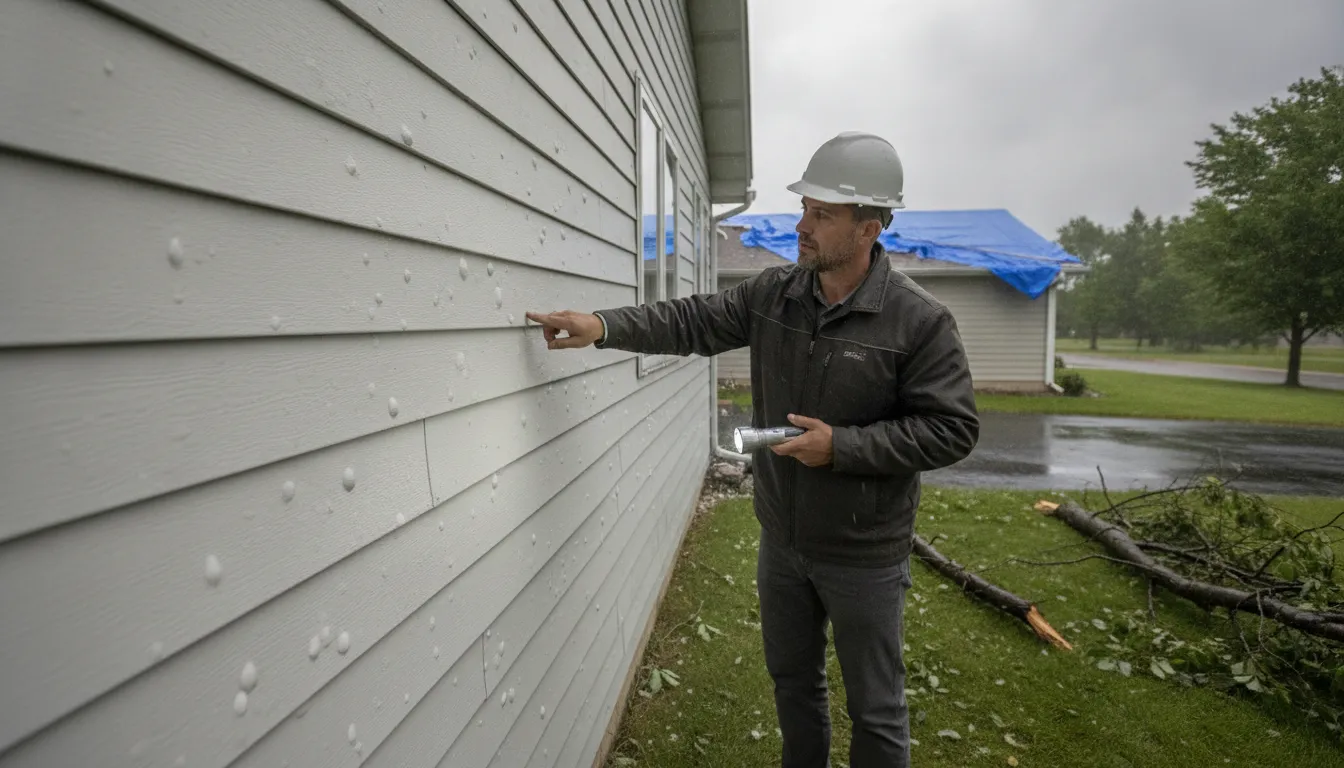
One of the biggest unknowns in any siding project is the condition of the wall sheathing underneath your old siding. Once we remove the existing material, we might uncover issues like wood rot, water damage, or even pest infestations that weren't visible before. These problems must be fixed before any new siding goes on to ensure the structural integrity of your home. While discovering hidden damage can add an unexpected cost to the project, it’s also a critical opportunity to address underlying issues and protect your home for the long term. We always communicate openly about any necessary storm damage repairs or other fixes before moving forward.
Local Minnesota Labor Rates
Labor is a significant portion of your total siding replacement cost, and rates can vary based on a few things. The contractor’s level of experience, insurance, and certifications all play a part. The type of siding you choose also impacts labor costs. For example, vinyl siding is generally quicker and easier to install than heavier materials like fiber cement, which requires more specialized tools and expertise. Here in the Twin Cities, you want a team with proven experience working on homes just like yours. Our 30 years of craftsmanship ensure your siding is installed correctly and efficiently, giving you a beautiful result that lasts.
Upgrades like Insulation and Moisture Barriers
A siding replacement project is the perfect time to improve your home's energy efficiency. While the walls are exposed, you have a golden opportunity to add or upgrade your exterior insulation and install a high-quality house wrap, which acts as a moisture barrier. While these upgrades will add to the upfront cost of the project, they are a smart investment. Better insulation can lead to noticeable savings on your heating and cooling bills, a huge plus in Minnesota’s climate. It also makes your home more comfortable year-round and provides an extra layer of protection against moisture, safeguarding your home’s structure.
Time of Year
Just like with many other industries, supply and demand can affect the cost of siding installation. Late spring and summer are the busiest seasons for exterior renovations in Minnesota. With a high demand for qualified contractors, you might find that pricing is at a premium and schedules are booked months in advance. If you have some flexibility, planning your project for the shoulder seasons, like early spring or late fall, could sometimes offer more competitive pricing or better availability. The best approach is to plan ahead and request an estimate early, no matter when you want the work done. This gives you plenty of time to prepare and secure a spot with a trusted contractor.
What's the Average Cost to Re-Side a Home?
Okay, let's get straight to the question on every homeowner's mind: what's this going to cost? While the final price tag for new siding depends on your specific home and choices, looking at national averages can give you a helpful starting point for your budget. Remember, these are just ballpark figures. The best way to get a precise number is with a detailed, professional estimate for your property. Our team is always ready to provide a transparent quote for our siding services to help you plan.
Price Ranges by Home Size
It makes sense that the bigger your home, the more it will cost to re-side. More surface area means more materials and more labor. To give you an idea, the average cost to install new siding on a 2,000-square-foot house is around $17,200. For a slightly larger 2,500-square-foot home, that figure often climbs to about $20,000. Keep in mind that these are just averages. The final cost can vary widely based on the materials you choose and the complexity of the job, with total project costs ranging anywhere from a few thousand dollars to over $20,000.
Price Ranges by Siding Style
The material you choose is one of the biggest factors in your total cost. Vinyl siding is often the most budget-friendly option, typically running between $2.50 and $10.75 per square foot installed. Fiber cement, a durable favorite, costs a bit more, usually from $8 to $15 per square foot. If you're considering other materials, you can expect to see prices like $6.90 to $13.90 for wood and $5.60 to $10.30 for aluminum. On the higher end, materials like natural stone can go from $30 to $48 per square foot. As a family-owned company with over 30 years of experience, we can help you find the perfect fit for your home and budget. You can learn more about us and our commitment to quality craftsmanship.
How to Choose the Best Siding for Your Minnesota Home
Picking new siding is about more than just choosing a color you love. It’s a major decision that affects your home's curb appeal, its protection against the elements, and even your monthly energy bills. Here in Minnesota, our homes face everything from humid, 90-degree summer days to sub-zero winter nights, not to mention hail and high winds. The right siding acts as a shield, keeping your home safe and comfortable through it all. It’s one of the most important investments you can make in your property’s longevity and value.
When we help homeowners with their siding services, we always start by discussing four key factors: durability, maintenance, energy efficiency, and budget. Thinking through these areas will help you find a material that not only looks great on day one but also performs well for decades. For example, a material that stands up to hail might save you a headache later, while another might offer better insulation for our cold winters. It’s about finding that perfect balance between style and function that fits your home, your lifestyle, and our unique Minnesota climate. Let’s walk through what you should consider to make a choice you’ll be happy with for years to come.
Durability in Minnesota's Climate
Minnesota weather is no joke, and your siding is your home’s first line of defense. You need a material that can handle drastic temperature swings without cracking, warping, or fading. For a product that is built to last, many homeowners choose fiber cement siding. It’s a high-quality material that resists damage from moisture, pests, and fire, making it an incredibly resilient option. If your property is in a particularly windy area, steel siding offers exceptional strength and impact resistance. Investing in a durable material from the start can save you from costly storm damage repairs down the road.
Maintenance Needs
Before you commit to a siding material, be honest with yourself about how much upkeep you’re willing to do. If you’re looking for a low-maintenance solution, vinyl siding is a popular choice because it’s affordable and never needs to be painted. However, it can become brittle in extreme cold and may crack from impact. On the other hand, classic wood siding offers a beautiful, timeless look but requires regular painting or staining every few years to protect it from moisture and prevent rot. Your choice here really comes down to the trade-off between long-term effort and initial aesthetic.
Energy Efficiency
Your siding plays a surprisingly large role in your home's energy efficiency. Some materials are naturally better insulators than others, but you can also improve performance by adding a layer of insulation behind the siding. While this adds to the upfront cost of your project, it can lead to significant savings on your heating and cooling bills over time, which really adds up during our Minnesota winters. Insulated vinyl siding is another great option that comes with a foam backing to reduce thermal bridging. A well-insulated home is a comfortable home, and your siding is a key part of that equation.
Top Siding Brands
When you start looking at specific products, you’ll see a few names come up again and again. For fiber cement, James Hardie is a leader known for its exceptional durability and 50-plus-year lifespan. It’s a premium product that delivers long-term performance and peace of mind. If budget is your primary concern, vinyl siding is typically the most affordable option and comes in a huge variety of colors and styles. As experienced contractors, we can walk you through the pros and cons of the specific brands we trust and help you select the best siding materials for your home and budget.
How Can You Pay for Your New Siding?
A full siding replacement is a significant investment in your home’s value and protection, but the upfront cost can feel daunting. The good news is you don’t have to pay for it all at once. Several financing routes can make your project much more manageable, allowing you to get the beautiful, durable siding your home needs without draining your savings. Exploring these options can help you find a payment solution that fits your budget and timeline, making the entire process smoother and less stressful.
Home Equity and Personal Loans
Two common ways to fund a siding project are home equity loans and personal loans. If you've built up value in your home, you can often borrow against the equity you have. These loans typically come with lower interest rates than other types of loans because your home acts as collateral. A personal loan is another option; it’s an unsecured loan you can get from a bank or credit union. While the interest rates might be a bit higher, it’s a straightforward way to get the funds you need for your home improvement project without tapping into your home's equity.
Contractor and Manufacturer Financing
Many homeowners find it convenient to work directly with their contractor for payment options. Here at MN Roofing Co., we aim to make the process as simple as possible. Some contractors and siding manufacturers offer their own financing options to help you manage the cost. These plans often feature competitive interest rates and allow you to break down the total price into predictable monthly payments. This can be a great way to get your project started right away while paying for it over time in a way that fits your family’s budget. Be sure to ask about available financing plans during your estimate.
Seasonal Promotions
Timing your siding project strategically can lead to significant savings. Many exterior contractors, including us, run seasonal promotions during specific times of the year. You might find discounts on materials or special financing offers in the spring or fall, which are typically busy seasons for home improvement. Planning your project around these deals can reduce your overall cost without compromising on quality. Keep an eye on our website or give us a call to see if we have any special offers running that could make your siding replacement more affordable.
Tax Credits and Rebates
Choosing the right siding can actually put money back in your pocket. When you install energy-efficient siding, you may be eligible for federal tax credits designed to reward homeowners for making environmentally friendly upgrades. These credits can directly reduce the amount of tax you owe, helping to offset the project's cost. On top of that, don't forget to check with your local utility company. Many offer rebates for installing energy-efficient materials that reduce strain on the power grid. These incentives can add up, making a high-quality siding choice even more valuable in the long run.
Common Mistakes That Increase Siding Costs
A siding replacement project is a significant investment, and the last thing you want are surprise costs. Being aware of common pitfalls can help you budget more accurately and ensure your project goes smoothly from start to finish. A little planning goes a long way in protecting your wallet and your home.
From navigating local regulations to choosing the right team for the job, avoiding these mistakes will help you get the best value and a final result you’ll love for years to come. Let’s walk through some of the most frequent missteps homeowners make and how you can steer clear of them.
Skipping Permits
It can be tempting to bypass the permit process to save time and a little money, but this is a shortcut you don’t want to take. Most municipalities, including those across the Twin Cities, require permits for siding replacement. Always check with your local planning office to see what’s needed. A reputable contractor will handle this for you, but it’s good to be informed. Skipping permits can lead to fines, orders to tear down the new work, and major headaches when you eventually sell your home. It’s a small step that prevents huge problems later.
Misjudging the Scope of Work
What looks like a straightforward siding job can sometimes hide bigger issues. The initial estimate might not account for problems lurking beneath the surface. For example, removing old siding can reveal rotted sheathing or structural damage from years of moisture intrusion. This is especially common after years of harsh Minnesota weather. Working on multi-story homes or properties with complex architectural features also adds to the labor and cost. A thorough inspection before work begins is the best way to get a realistic idea of the full scope and avoid unexpected expenses.
Picking the Wrong Material for Minnesota
Our Minnesota climate is no joke, with its freezing winters, humid summers, and occasional severe storms. Choosing a siding material that can’t handle these extremes is a recipe for premature failure and costly replacement. While a certain material might look great, it may not be suited for our region. For instance, some materials can become brittle in the cold, while others might not stand up to high winds. It’s crucial to select a durable product designed for our specific weather patterns. Our team can walk you through the best siding services and materials that offer both beauty and long-lasting performance in Minnesota.
Hiring the Wrong Contractor
The quality of your siding installation is just as important as the quality of the material itself. While it might be tempting to choose the lowest bidder or even attempt a DIY installation, poor workmanship can be incredibly costly. Improper installation can lead to warping, cracking, moisture problems, and voided manufacturer warranties. A professional contractor has the specialized tools, training, and experience to do the job right. When you learn about our team, you’ll see that our 30 years of experience means we prioritize superior craftsmanship to protect your home for the long haul.
Forgetting About Maintenance
Once your beautiful new siding is installed, the work isn’t completely over. Forgetting about routine maintenance can shorten your siding’s lifespan and lead to expensive repairs. Different materials have different needs; some, like vinyl, require little more than an annual cleaning, while others may need more attention. How well the siding is installed plays a huge role in its long-term durability, but so does regular care. Simple tasks like cleaning gutters, checking caulk lines, and trimming back landscaping can prevent moisture buildup and damage, ensuring your investment stays in top condition for decades.
How to Care for Your New Siding
You’ve made a great investment in your home’s curb appeal and protection, and a little upkeep will make sure it stays that way for years to come. Caring for your new siding doesn’t have to be complicated. By building a few simple habits into your annual home maintenance routine, you can keep your siding looking fresh and performing its best, protecting your home from the harsh Minnesota elements. Think of it as protecting your investment with just a little bit of time and attention each year.
Clean and Inspect It Regularly
At least once a year, take a walk around your house and give your siding a good look. You’re searching for any signs of trouble before they become big problems. Look for obvious damage like cracks, holes, or panels that have come loose. These small openings can be an invitation for water and pests to get inside your walls, potentially leading to rot and more extensive damage. For general cleaning, a soft-bristle brush and a bucket of soapy water are usually all you need. Gently scrub away any dirt or mildew, then rinse thoroughly with a garden hose. Avoid using a high-pressure power washer, as it can force water behind the panels and even damage the siding itself.
Check Seals and Caulking
The caulk around your windows, doors, and corner trim is your home’s first line of defense against drafts and moisture. Over time, exposure to sun and changing temperatures can cause it to dry out, crack, or pull away. During your annual inspection, pay close attention to these sealed areas. If you see any gaps or cracks, it’s a good idea to have them resealed. Maintaining tight seals not only prevents water from seeping in but also helps with your home's energy efficiency, keeping your heated or cooled air inside where it belongs. Properly sealed siding is a key part of our complete siding services because it ensures the entire system works together to protect your home.
Keep Plants Trimmed Back
While landscaping adds beauty to your home, plants growing too close to your siding can cause problems. Overhanging tree branches can scratch or scrape the surface during windy days, while dense shrubs trap moisture against the wall, creating a perfect environment for mold and mildew to grow. This can be especially problematic for certain siding materials. A good rule of thumb is to keep all trees, shrubs, and vines trimmed back at least a foot from your house. This simple step allows for proper air circulation, which helps your siding dry out quickly after it rains and prevents moisture-related issues from taking hold.
Know When to Call a Pro
While you can handle minor cleaning and visual inspections on your own, some issues are best left to the professionals. If you spot widespread discoloration, multiple loose or warped panels, or signs of softness that could indicate rot underneath, it’s time to call for an expert opinion. A professional can determine if the issue is cosmetic or a sign of a more serious problem with the underlying structure. While a DIY fix might seem cheaper, a professional installation or repair ensures the job is done right, maintains your warranty, and prevents small problems from turning into costly headaches down the road.
How to Get an Accurate Siding Estimate
Getting a clear and accurate estimate is the most important first step in any siding replacement project. It’s about more than just seeing a final price; a good estimate acts as a detailed roadmap, outlining every part of the job from start to finish. This transparency helps you set a realistic budget and prevents sticker shock from unexpected costs down the line. When a contractor provides a thorough, line-by-line breakdown, it shows they are professional, organized, and committed to open communication. It’s a sign that they respect your investment and want to be a true partner in improving your home.
Think of the estimate process as your first real look into how a company operates. Are they responsive and willing to answer your questions? Do they take the time to explain your options without pressure? A trustworthy contractor will walk you through the material and labor costs, potential fees for permits or debris disposal, and the project timeline. They should make you feel confident and informed, not confused or rushed. Taking the time to gather detailed estimates from reputable companies ensures you can compare your options fairly and choose a team that will deliver quality results. As a family-owned business with decades of experience, we believe that a project built on trust and transparency starts with an honest, comprehensive siding estimate.
Measure Your Home
Before you start calling contractors, it’s helpful to get a rough idea of your project's scale. Taking some basic measurements of your home gives you a baseline to work with when you review professional quotes. A simple way to get a ballpark figure is to add up the length of all your outside walls, then multiply that number by the height of your house from the foundation to the roofline. This calculation will give you a rough total square footage. Don't worry about subtracting windows and doors for this initial measurement; it’s just meant to give you a general sense of the project size so you can have more informed first conversations with potential contractors.
Get Multiple Quotes
Never settle for the first estimate you receive. It’s smart practice to get quotes from at least three different siding professionals to compare prices and find the right fit for your project. When you review the estimates, don’t just look at the final number. Compare the details, including the specific materials proposed, the scope of labor, the projected timeline, and the warranty offered. A significantly lower bid might be a red flag that a contractor is using subpar materials or cutting corners. Getting multiple quotes helps you understand the fair market rate for quality work and allows you to choose a contractor who offers the best overall value, not just the lowest price.
Ask the Right Questions
When a potential contractor visits your home, treat it like an interview. You are hiring them for a major project, and you deserve to feel confident in their abilities. A professional should be able to explain their process clearly and answer all your questions. Some contractors even use modern tools to create a 3D model of your home, showing you what different siding options will look like and helping them provide more accurate measurements. Don’t hesitate to ask about their payment schedule, who will oversee the project on-site, how they handle unexpected issues like hidden rot, and what their warranty covers. Clear answers are a sign of an experienced and transparent team.
Choose a Trusted Local Pro
After gathering your quotes and asking your questions, it’s time to make a choice. The best way to start is by asking for recommendations from friends, family, or neighbors who have recently completed similar projects. A local contractor with deep roots in the community has a reputation to protect and a better understanding of Minnesota’s specific climate challenges and building codes. Look for a company with a long history of quality work, positive online reviews, and proper licensing and insurance. Choosing a trusted local professional for your storm damage repair or siding replacement ensures you have a reliable partner you can count on for years to come.
Related Articles
Frequently Asked Questions
Is the most expensive siding always the best choice for my home? Not necessarily. The "best" siding is the one that correctly balances your budget, your home's style, and the demands of our Minnesota climate. A premium material like natural stone is incredibly durable, but its high price isn't practical for everyone. On the other hand, a material like fiber cement offers fantastic resistance to weather and pests at a more moderate cost. The goal is to find the option that provides the greatest value and protection for your specific situation, which doesn't always mean choosing the most expensive one.
How can I tell if my siding needs a simple repair or a full replacement? You should look for the scale and type of damage. A single cracked panel or a small section of loose siding can often be handled with a straightforward repair. However, if you see widespread issues like extensive warping, bubbling, or significant fading across your entire home, it usually means the material is nearing the end of its life. Soft spots that give way when you press on them are another major red flag, as they often point to moisture damage and rot underneath. A full replacement is the best solution for these larger, systemic problems.
Will new siding really increase my home's value? Absolutely. A siding replacement is consistently ranked as one of the home improvement projects with the highest return on investment. It instantly transforms your home's curb appeal, making a powerful first impression. Beyond aesthetics, new siding acts as a crucial protective layer, and buyers see value in a home that is well-defended against the elements. If you also upgrade your insulation during the project, the added energy efficiency becomes another attractive feature that can increase your home's market value.
What costs are included in an estimate besides the siding material itself? A comprehensive estimate includes several key components beyond the siding panels. The cost of skilled labor is a significant factor, covering the crew's expertise in installing the material correctly and safely. Your quote should also account for the removal and proper disposal of your old siding. Finally, it will include necessary items like local building permits, delivery charges for materials, and any new trim or accessories needed to complete the job. A transparent contractor will break all of this down for you.
I'm ready to start my project, but how do I avoid hiring the wrong contractor? The best way to protect your investment is to do a little homework before you sign a contract. Start by getting at least three detailed quotes from different companies to compare. Look for a local contractor with a long history in the Twin Cities area and a portfolio of work you can review. Don't be afraid to ask for proof of licensing and insurance. A trustworthy professional will be transparent, answer all your questions clearly, and never pressure you into a quick decision. Choosing an experienced, reputable team is the most important step you can take.

Comments