
How to DIY Your Siding Replacement Estimate
One of the biggest anxieties for any homeowner planning a renovation is the fear of surprise costs. You start with one number in mind, only to see it grow as the project unfolds. A thorough plan is your best defense against budget shock. When it comes to new siding, creating a detailed siding replacement estimate is the key to financial clarity. We’ll show you how to account for everything, not just the siding panels themselves. From old siding removal and potential structural repairs to permits and finishing touches, you’ll learn how to build a comprehensive budget that leaves no room for unpleasant surprises.
Key Takeaways
- A complete budget includes more than materials
: Your total project cost isn't just the price of the siding. Remember to account for professional labor, the removal and disposal of old materials, and a contingency fund for any hidden repairs.
- Make your own estimate for a confident start
: Get a solid idea of your budget by calculating your home's siding area yourself. Measure your walls, subtract the space for windows and doors, and add about 10% for waste to create a powerful baseline before you get professional quotes.
- Compare itemized quotes, not just the final price
: The best way to find a trustworthy contractor is to compare detailed, itemized quotes from a few companies. This breakdown helps you understand all costs and spot red flags, ensuring you're comparing the quality of the work, not just the bottom-line number.
What Factors Influence Your Siding Estimate?
Figuring out the budget for new siding can feel like a puzzle. The final number on your estimate depends on more than just the material you pick; several key factors come together to determine the total cost of your project. When you understand what these are, you can make smarter choices for your home and your wallet. Let's walk through the main components that shape your
Your Home’s Size and Design
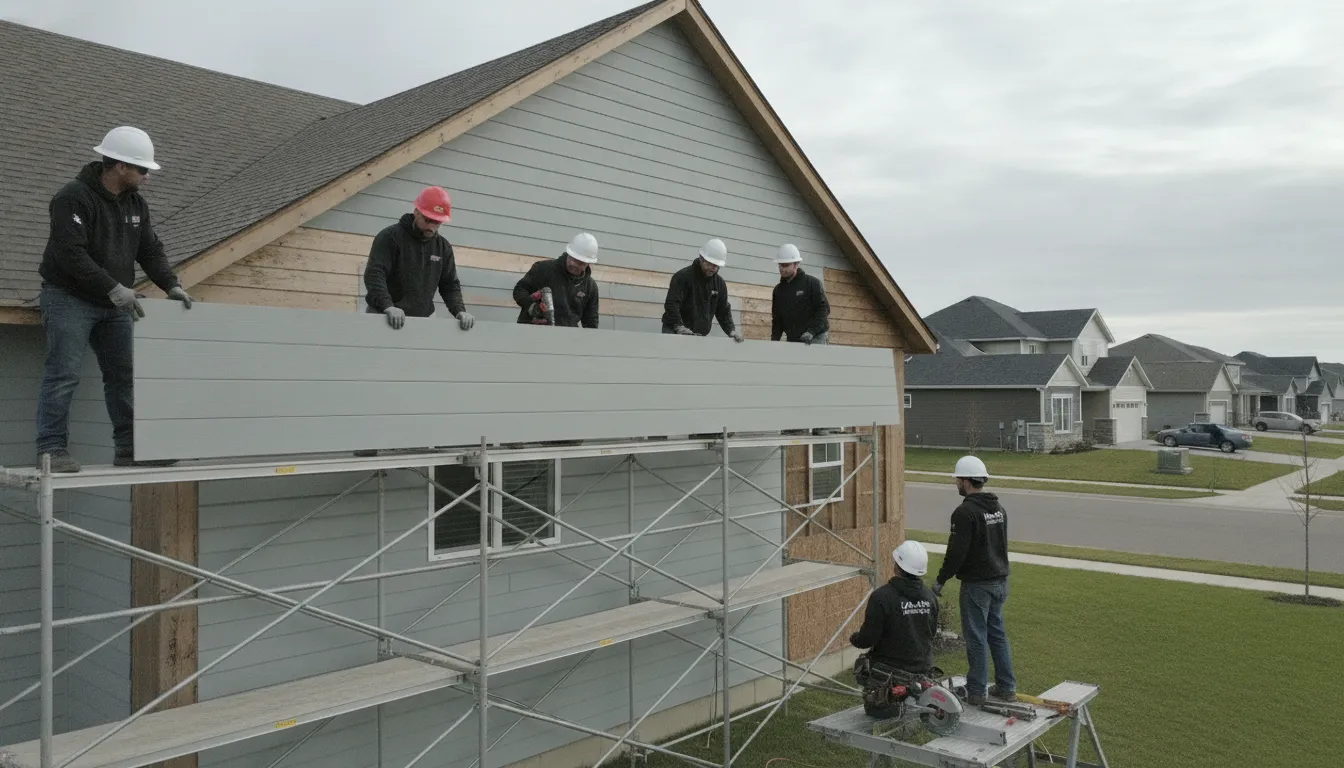
It makes sense that the bigger your home, the more your siding project will cost. More surface area requires more material and more time to install. But it’s not just about square footage. The architectural design of your home plays a huge role, too. A simple, one-story rectangular house is much more straightforward to side than a three-story home with lots of gables, dormers, and complex angles. These intricate features demand more detailed work, precise cuts, and specialized equipment to reach, all of which can increase labor costs. Our team is experienced with all types of home designs and can provide a detailed quote for your specific siding services.
The Siding Material You Choose
This is where you get to define your home’s new look, but it’s also one of the most significant factors in your budget. Siding materials come in a wide range of price points and styles. Vinyl is often the most budget-friendly option and is known for being low-maintenance. On the other hand, materials like fiber cement or wood siding can be more expensive upfront but offer a different aesthetic and durability. Wood, for example, provides a classic, natural look but requires more upkeep over time. We can walk you through the pros and cons of each material to help you find the perfect fit for your home's exterior and your budget.
Professional Labor Costs
The cost of labor is a major piece of your total siding estimate. This cost covers the expertise, time, and safety of the installation crew. Labor rates can vary depending on your location and the complexity of your project, but you can generally expect them to make up a significant portion of the final bill. While it might be tempting to go with the lowest bid, an unusually low price can be a red flag for subpar work or an inexperienced crew. A quality installation is just as important as quality materials. As a family-owned company with over 30 years of experience, we pride ourselves on superior craftsmanship, which you can learn more about on our about us page.
The Time of Year
Believe it or not, the season you schedule your siding replacement can influence the price. Summer is typically the busiest time for exterior contractors, and high demand can sometimes lead to higher prices and longer wait times. If your project isn't urgent, you might find more competitive pricing and scheduling flexibility during the slower months in the spring or fall. Of course, some projects can't wait, especially if you're dealing with storm damage repair. In those cases, the priority is always to protect your home from further issues, regardless of the season.
Exploring Siding Materials and Their Costs
Choosing the right siding material is one of the biggest decisions you'll make for your home's exterior. It's a choice that balances your personal style, your budget, and how much maintenance you're willing to do down the road. Each material comes with its own unique set of benefits and a different price point, which is a major factor in your overall project cost. From the classic appeal of wood to the modern durability of fiber cement, the options can feel endless.
Understanding the cost differences is key to creating a realistic DIY estimate. While one material might have a lower upfront price, another could save you money over time with better durability and less upkeep. As you explore these options, think about what matters most for your home and your lifestyle. We offer a variety of high-quality siding services and can help you find the perfect fit for your property. Let's break down some of the most popular choices and what you can expect them to cost.
Vinyl Siding
If you're looking for the most budget-friendly option, vinyl siding is likely at the top of your list. It's a popular choice for a reason: it’s affordable, comes in many colors, and requires very little maintenance. You won’t have to worry about painting or staining it over the years. For installation, you can generally expect to pay between $4.50 and $8.20 per square foot. Some basic vinyl options can even be found for as low as $3 per square foot, making it an accessible starting point for many homeowners.
Fiber Cement Siding
For homeowners who want a great balance of durability and style, fiber cement is an excellent choice. This material, often known by the brand name Hardie Board, is incredibly tough. It resists fire, insects, and the harsh weather we get here in Minnesota. While it costs a bit more than vinyl, its longevity often makes it a worthwhile investment. According to recent siding cost estimates, you can expect to pay between $4.70 and $8.50 per square foot for installed fiber cement, which can last for over 50 years with proper care.
Wood Siding
There’s no denying the timeless, classic beauty of wood siding. It offers a warm, natural look that can significantly enhance your home's curb appeal. However, this premium aesthetic comes with a higher price tag and more maintenance. Wood siding needs to be regularly stained or painted to protect it from moisture and pests. The cost for wood siding typically ranges from $6.90 to $13.90 per square foot. While it's a bigger investment in both time and money, many homeowners feel the beautiful result is worth it.
Aluminum and Metal Siding
Aluminum and other metal siding options are strong, lightweight, and resistant to rust and fire. They are also a great choice if you're looking for an environmentally friendly material, as they are often recyclable. Metal siding provides a sleek, modern look and stands up well to dings and dents. In terms of cost, it falls into the mid-range category, typically running between $5.60 and $10.30 per square foot. This makes it a solid, durable choice that offers a great return on your investment without being the most expensive option on the market.
How to Create a DIY Siding Estimate
Getting a handle on your potential siding replacement costs starts with a little bit of homework. Creating your own estimate is a fantastic way to understand the scope of your project and build a realistic budget before you even talk to a contractor. It gives you a solid baseline and helps you feel more prepared for the process. While this DIY measurement won't replace a professional quote, it will give you a powerful head start. Once you have your numbers, you'll be in a great position to discuss your project with a team that provides expert siding services. Let’s walk through the steps to get your own ballpark figure.
Gather Your Measuring Tools
First things first, you’ll need a few simple tools to get the job done right. Don’t worry, you likely have most of these around the house already. Grab a reliable tape measure (a 25-foot or 50-foot one works best), a notepad and pen or the notes app on your phone, and a calculator. If your home has multiple stories, you’ll also need a sturdy ladder to safely reach and measure the upper walls. Accuracy is your goal here, so take your time and double-check your numbers as you go.
Step 1: Calculate Your Total Wall Area
Your goal is to find the total square footage of the exterior walls you plan to side. The easiest way to do this is to imagine your house as a collection of simple shapes, mostly rectangles and triangles. For each rectangular wall section, measure the height and the width, then multiply those two numbers to get the area. For triangular areas, like gables, measure the base width and the height from the base to the peak. Then, multiply the base by the height and divide by two. Add up the area of every wall section to get your total.
Step 2: Subtract Windows and Doors
Now that you have your total wall area, you need to account for the spaces that won't be covered in siding. Go back and measure the height and width of every window, door, and any other non-sided feature on your exterior walls. Calculate the square footage of each one (height x width) and add them all together. Once you have the total area for your windows and doors, subtract that number from the total wall area you calculated in the first step. This gives you a much more accurate figure for the actual surface area that needs new siding.
Step 3: Add a Waste Factor
This final step is one that many first-timers forget, but it’s incredibly important. You always need more material than your exact measurement suggests. A waste factor accounts for the siding that will be cut and discarded during installation, potential mistakes, or pieces that might get damaged. A good rule of thumb is to add 10% to 15% to your total square footage. To do this, simply multiply your final number from Step 2 by 1.10 (for 10%). This extra material is your insurance policy against running out of siding before the job is done.
Common Measuring Mistakes to Avoid
Getting your measurements right is the foundation of a solid DIY estimate. Even a small miscalculation can throw off your entire budget, leaving you with either too much material or not enough to finish the job. It’s a frustrating and costly situation that’s entirely avoidable. Let’s walk through some of the most common measuring mistakes people make when planning a siding project. By knowing what to look out for, you can create a much more accurate and reliable estimate from the very beginning.
Forgetting to Subtract Non-Sided Areas
When you’re measuring your home’s exterior, it’s tempting to just calculate the total area of each wall and move on. But don’t forget about the spaces that won’t be covered with siding. You need to account for every window, door, and any other opening on your walls. Measure the height and width of each of these features to find their square footage. Once you have the total area of your openings, subtract that number from your total wall area. This simple step ensures you’re only budgeting for the material you actually need. It’s a detail that professionals who provide siding services never miss.
Skipping the Waste Factor
No siding project is perfect, and there will always be material that gets trimmed away or cut to fit around corners and angles. This is where the "waste factor" comes in. It’s a common mistake to calculate the exact square footage you need and order just that amount. A good rule of thumb is to add 10% to your final measurement to account for this waste. This buffer saves you from making a last-minute trip to the store or, even worse, discovering your specific siding color is now out of stock. Building this extra allowance into your plan from the start is a smart move that prevents delays and headaches down the road.
Using Inaccurate Measurements
The old saying "measure twice, cut once" is crucial for a reason. Using imprecise measurements is one of the quickest ways to derail your siding estimate. Make sure you use a reliable, sturdy tape measure, and for long walls, ask someone to hold the other end to prevent the tape from sagging, which can skew your numbers. Double-check every measurement you take before writing it down. To get the area of a wall, you just need to multiply its total length by its height. Taking your time during this step is essential for any major exterior project, from siding to a full roof replacement.
Overlooking Trim and Accessories
Your siding estimate isn’t complete without factoring in the cost of trim and other accessories. The siding panels themselves are just one part of the equation. You’ll also need to budget for things like starter strips, J-channels for around windows and doors, corner posts, nails, and potentially even new shutters. Don’t forget to consider costs for permits, delivery fees, and the proper disposal of your old siding materials. A truly comprehensive estimate includes every piece of the puzzle, which is a core part of our transparent approach you can read about on our About Us page. Thinking through these details will give you a much clearer picture of your total investment.
Budgeting for Other Potential Costs
When you're putting together a budget for new siding, it’s easy to focus on the big-ticket items: the siding material itself and the cost of labor. But a successful project budget accounts for everything, not just the main expenses. Think of it like planning a vacation; you budget for flights and hotels, but you also have to account for meals, activities, and maybe a souvenir or two. Siding replacement is similar. Beyond the square footage, several other costs can pop up. Factoring these in from the start helps you avoid surprises and ensures your project goes smoothly. Let's walk through some of the other potential costs you should plan for.
Old Siding Removal and Disposal
Before your beautiful new siding can go up, the old stuff has to come down. This removal and disposal process is a line item of its own. The cost can vary depending on what kind of siding you have now and its condition. For example, if there's hidden damage underneath or if the old material requires special handling (like old paint that might contain lead), the process becomes more complex and costly. A professional crew will handle the disposal responsibly, but it's a cost to be aware of. Be sure to ask how removal is handled when you get your quote.
Underlying Structural Repairs
Here’s the part of the project where you hope for the best but prepare for the worst. Once the old siding is stripped away, you might find some unwelcome surprises. Issues like wood rot, water damage, or even pest infestations can be hiding underneath. These problems must be fixed before the new siding is installed. That’s why it’s wise to have a small contingency fund, maybe 10-15% of your total budget, set aside for unexpected repairs. Working with an experienced team means you have experts on-site who can identify and properly handle these siding services and repairs.
Permits and Inspections
This is one of those costs that’s easy to forget but essential to include. Most siding replacement projects require a permit from your local municipality to ensure the work meets safety and building codes. While your contractor typically handles the paperwork, the permit fee itself will be part of your total project cost. These fees can vary quite a bit depending on where you live. After the work is done, an inspection might be required to sign off on the project. It’s an extra step, but it gives you peace of mind knowing your new siding was installed correctly and to code.
Trim, Flashing, and Finishing Touches
The siding panels are the star of the show, but the supporting cast is just as important. Finishing touches like trim, corner posts, soffit, fascia, and shutters are what give your home a polished, complete look. More importantly, items like flashing and J-channels are critical for directing water away from your home and preventing leaks. These materials are essential for protecting your home from future storm damage repair needs. Make sure your estimate itemizes these accessories so you know exactly what’s included and can see how they contribute to the final cost.
Using an Online Siding Cost Calculator
If you've started researching siding costs, you have probably stumbled upon a few online calculators. These digital tools are a great way to get a quick, general idea of what your project might cost. They can help you understand the ballpark figures for different materials and see how your home’s size impacts the bottom line. However, to get a number that’s even remotely useful, you need to plug in the right information. Think of it as a helpful first step, not the final word on your budget.
These calculators are designed for simplicity, which means they can’t account for the unique details of your home. They provide a baseline estimate, but a true quote requires a professional eye. Let’s walk through how to use these tools effectively and why they are just one piece of the puzzle.
What Information You'll Need
To get the most out of an online siding calculator, you’ll need to do a little homework first. Start by gathering some key measurements of your home’s exterior. You'll need the total square footage of the walls you plan to re-side. To get this, measure the height and width of each wall, then multiply those numbers to find the area of each section. Add the areas of all walls together for a total. Next, measure your windows and doors, calculate their square footage, and subtract that from your total wall area. Finally, it’s smart to add a “waste factor” of about 10% to 15%. This accounts for the material that will be cut away and discarded during installation.
Why a Calculator Is Just a Starting Point
While an online calculator can give you a rough idea, it’s important to remember that this number is just an estimate. These tools can't see the current condition of your home, account for complex architectural features, or factor in the cost of removing old siding. For an accurate assessment, your next step should be to reach out to local contractors for detailed quotes. We always recommend getting estimates from a few reputable companies to ensure you’re receiving a fair price for quality work. Be cautious of any bid that seems unusually low, as it could be a red flag for subpar materials or inexperienced labor. A professional inspection is the only way to get a firm price for your specific siding services.
How to Get an Accurate Contractor Estimate
Your DIY estimate gives you a great starting point for your budget, but the only way to know the true cost of your project is to get a professional quote. This is where a contractor comes to your home, takes precise measurements, and assesses the specific needs of your property. It might feel a little daunting to invite contractors over and talk numbers, but a little preparation goes a long way. By knowing what to expect and what to ask, you can confidently find a trustworthy partner for your siding project.
Prepare for the On-Site Consultation
When you schedule a consultation, think of it as a collaborative meeting, not a sales pitch. Have your notes ready, including your rough measurements, any questions you have, and your ideas for siding materials and colors. The best way to know the exact cost for your home is to ask a contractor for a price quote, and being prepared helps them give you the most accurate one.
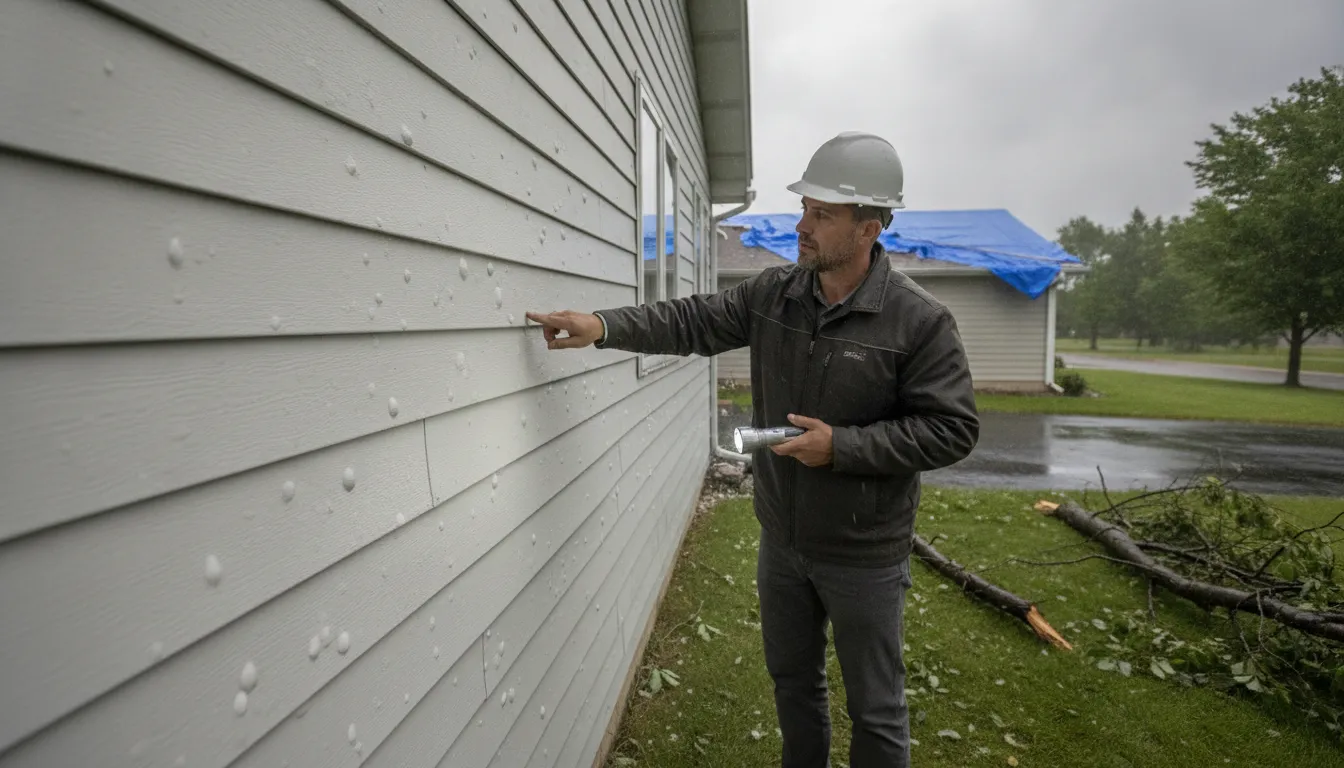
A professional will conduct a thorough inspection, looking for things you might have missed, like hidden rot or structural issues that need addressing. They’ll take their own detailed measurements and discuss your project goals. This on-site visit is crucial because it allows the contractor to see the full scope of the work firsthand.
Know What Questions to Ask
It’s smart to get quotes from a few different companies to get a feel for the market rate. As you meet with each contractor, have a list of questions ready. This helps you compare your options fairly and shows that you’re a serious and informed homeowner.
Consider asking things like:
Are you licensed and insured in Minnesota?
Can you provide a few local references?
What is the estimated timeline for my project?
What kind of warranty do you offer on materials and labor?
Who will be my main point of contact?
Be cautious of prices that seem too low, as they might signal poor quality work or hidden costs down the line. A contractor’s willingness to answer your questions openly is a great indicator of their professionalism and commitment to customer service, something we’ve built our family-owned business on for over 30 years.
Understand Your Itemized Quote
Once a contractor has assessed your home, they’ll provide a written estimate. A trustworthy professional will give you a detailed, itemized quote, not just a single number on a handshake. This document is your roadmap for the project, and it should clearly break down all the associated costs.
Look for specific line items, including the cost of materials (the siding itself, trim, and other parts) and the cost of labor (whether it’s an hourly rate or a set price for the job). The quote should also outline expenses for permits, old siding removal, and any necessary structural repairs. A transparent quote prevents surprises and ensures you know exactly what you’re paying for.
Compare Bids and Identify Red Flags
With a few itemized quotes in hand, you can make an informed comparison. Remember, don't just pick the cheapest option. A significantly lower bid could mean the contractor is using subpar materials, cutting corners on installation, or isn’t properly insured. Instead, compare the scope of work, the quality of the proposed materials, and the warranty details.
Pay attention to red flags like a contractor who pressures you to sign a contract on the spot, asks for a large cash deposit upfront, or can’t provide a local address or proof of licensing. A reputable contractor will have a strong reputation for quality work and will give you the space to make the right decision for your residential property.
Get Your Free, Accurate Siding Estimate from MN Roofing Company
After running the numbers yourself, you probably have a much better idea of what your siding project might involve. While a DIY measurement and an online calculator are great for getting a ballpark figure, they can only take you so far. The reality is that every home is unique, and factors like hidden structural repairs, the cost of removing old materials, and detailed trim work can significantly influence the final price. This is why professional estimates are so important for creating a realistic budget and avoiding surprises down the road.
That’s where we come in. At MN Roofing Company, we believe a successful project starts with a clear and honest conversation about costs. We provide comprehensive siding services for homeowners across the Twin Cities, and our process is built on transparency and trust. When you schedule a free estimate with us, one of our experienced siding specialists will visit your property to take precise measurements and perform a thorough assessment of your home’s exterior.
We’ll walk you through your material options, from durable vinyl to beautiful fiber cement, and answer any questions you have. You’ll receive a detailed, itemized quote that clearly outlines all the anticipated costs, with no hidden fees or obligations. As a family-owned company with deep roots in Minnesota, our reputation is everything, and we’re committed to providing the information you need to make a confident decision. Ready to turn your rough guess into a reliable plan? Reach out to our team today to schedule your free, accurate siding estimate.
Related Articles
Frequently Asked Questions
Why is my contractor's estimate so different from my own DIY calculation? Your own estimate is a fantastic tool for setting a preliminary budget, but a professional quote is based on a detailed, in-person inspection. A contractor accounts for factors you can’t see, like the condition of the wall sheathing underneath your current siding, the complexity of your home’s architecture, and the specific costs for permits in your city. Their number is a firm price based on the full scope of work, while your calculation is a valuable but general starting point.
How much extra should I really budget for unexpected repairs? It’s smart to have a contingency fund ready, just in case. A good rule of thumb is to set aside about 10% to 15% of your total project cost for potential surprises. Once the old siding comes off, we might find issues like wood rot or water damage that must be fixed before new siding can be installed. Having this buffer in your budget prevents stress and ensures these essential repairs can be handled correctly without derailing your project.
Is it always cheaper to replace siding in the spring or fall? While the slower seasons of spring and fall can sometimes offer more scheduling flexibility, it’s not a hard and fast rule that you’ll get a lower price. The most important factor is your home’s needs. If you’re dealing with significant damage, waiting for a specific season isn’t worth the risk of further problems. The best approach is to get an estimate when you’re ready and discuss the project timeline with your contractor.
Besides the siding itself, what other costs should I absolutely not forget? It’s easy to focus on the siding panels, but several other costs are essential for a complete budget. Remember to account for the removal and disposal of your old siding, the fees for any necessary local permits, and all the finishing materials. This includes trim, corner posts, and flashing, which are critical for giving your home a polished look and, more importantly, for protecting it from water intrusion.
What makes a professional quote "good" versus "bad"? A good quote is clear, detailed, and itemized. It should break down the costs for materials, labor, permits, and any other expenses so you know exactly what you are paying for. A potential red flag is a quote that’s just a single, vague number or a price that is dramatically lower than all the others. An unusually low bid could suggest the use of inferior materials, inexperienced labor, or that the contractor is not properly insured.

Comments