
What to Expect From a Minnesota Roofing Contractor Estimate
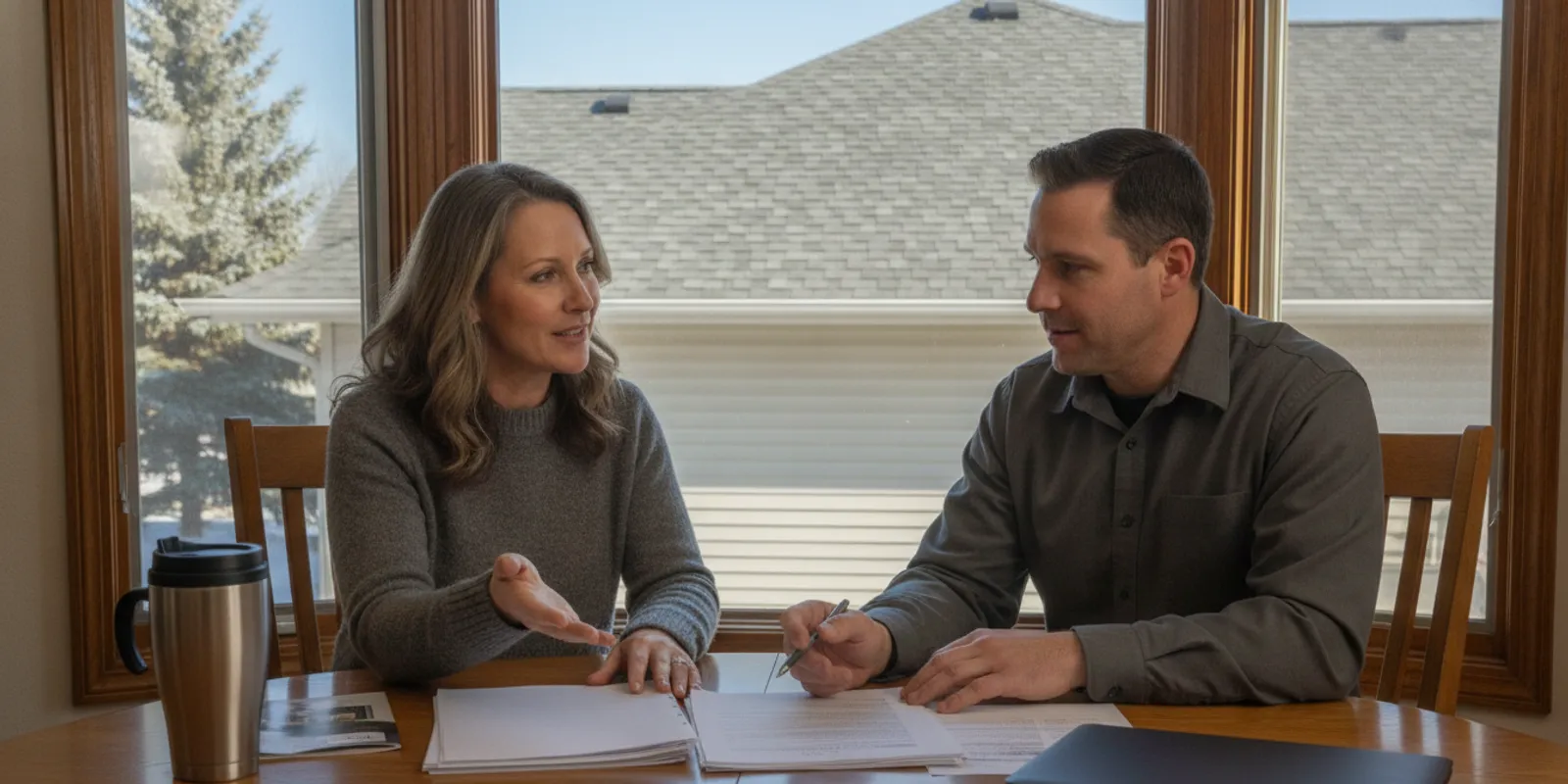
A roofing contractor estimate in Minnesota should help you understand the work being proposed—not leave you guessing about what is included. Before you compare prices, look for a clear scope, materials, assumptions, and next steps. This guide walks through what to prepare, what to check in the estimate, and how to ask useful follow-up questions.
On this page
What should you prepare before requesting an estimate?
A little preparation makes the conversation more useful. You do not need to climb onto the roof or diagnose a problem yourself. Gather what you already know and describe what you have observed from a safe location.
- Describe the concern.
Note leaks, missing or displaced shingles, staining on ceilings, or damage you noticed after a storm. Say when it began and whether it has changed.
- Identify the property.
Share the address, whether the building is residential or commercial, and any details about the roof you know, such as its age or material.
- Share relevant history.
Mention prior repairs, known leaks, or recent work. If you have photos taken safely from the ground, they may help explain what you saw.
- Clarify your goal.
Are you looking to address a specific leak, understand storm damage, plan a replacement, or review options for a commercial roof?
- Collect questions.
Write down concerns about timing, materials, access, cleanup, or how the estimate will be delivered.
For storm concerns, review the company's storm damage roofing information and guidance on signs of possible hail damage. These can help you describe what you noticed, but they do not replace a roof review. Keep a short log of observations: the date, weather event if known, rooms affected, and whether the symptom appears during rain or afterward. Avoid guessing at the cause; a ceiling stain, for example, does not by itself identify the entry point.
For a business property, include practical access details. Note whether the building is occupied, whether there are operating hours or tenant considerations, and who can authorize access. If the property has several roof areas or additions, identify which area concerns you. A simple sketch or ground-level photos can help distinguish sections without requiring you to climb or enter unsafe areas.
What should a Minnesota roofing contractor estimate include?
A useful estimate gives you enough detail to understand the proposed work and decide what to ask next. The exact format can vary, but review whether it identifies the property and roof area, describes the work, and makes clear what is and is not included.
- Work scope:
Is the recommendation repair, replacement, or another defined task? Does it describe the affected area and major steps?
- Materials and system:
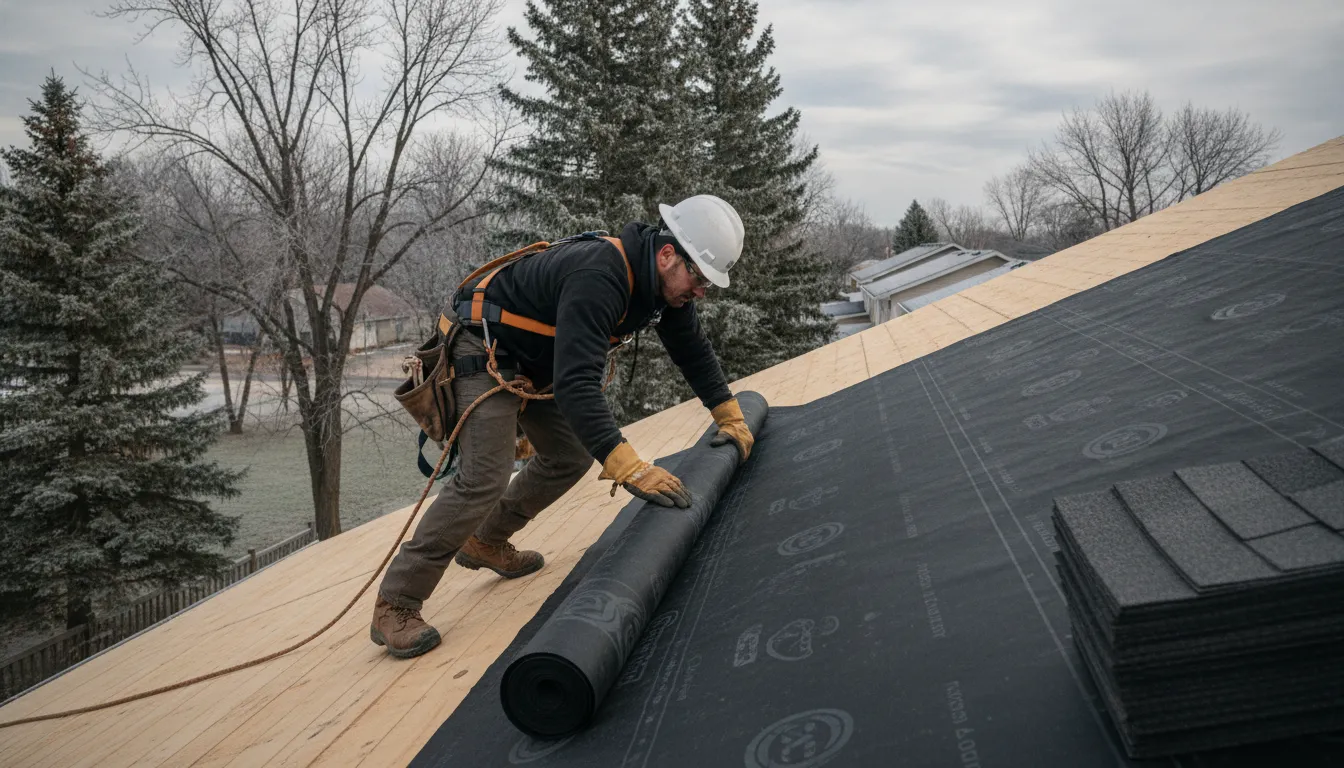
Does it identify the roofing material or system being proposed? For replacement work, check whether related components such as underlayment, flashing, or ventilation are addressed when relevant.
- Removal and disposal:
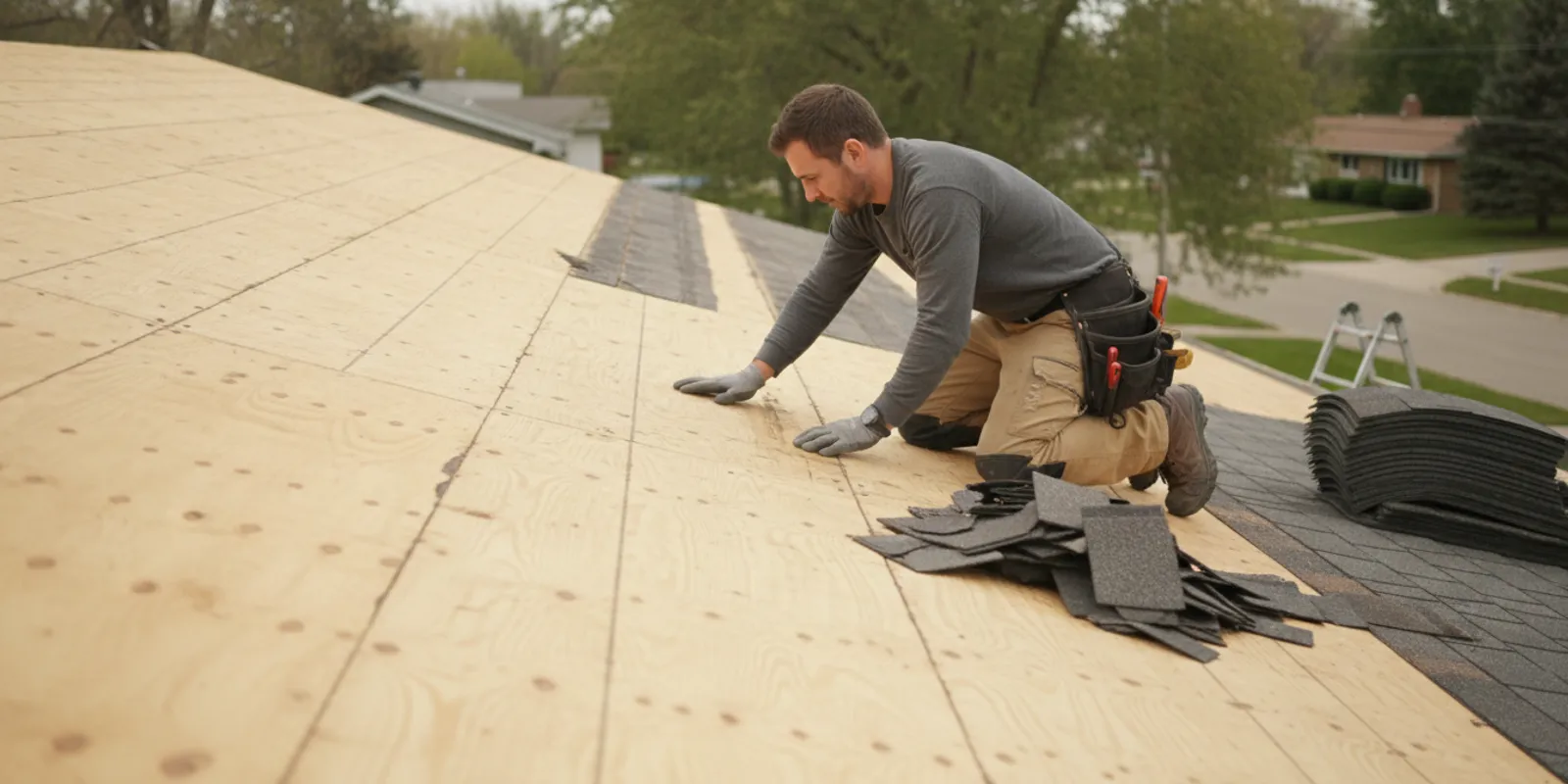
Does the scope explain whether existing roofing will be removed and how debris will be handled?
- Assumptions and exclusions:
Are conditions that may affect the work stated plainly? Ask how concealed damage or a change in scope would be communicated.
- Price and payment details:
Is the amount tied to a clear scope? Confirm what the estimate covers and whether any options are separated.
- Timing and next steps:
Does it explain what happens after you accept, including scheduling and how questions or changes are handled?
- Company details:
Confirm the business identity and the appropriate way to contact the contractor with questions.
For replacement work, compare the proposed system with company information on shingle roofing or metal roofing. For low-slope commercial properties, see the pages on flat roofing and TPO roofing for background. A proposal should be specific enough that you can tell which system is being offered rather than relying on a broad label.
Check how the document treats edges, penetrations, flashing, ventilation, and transitions where roof sections meet walls or other structures. Not every project needs each item listed as a separate line, but the estimate should make the relevant work understandable. If a component is not mentioned and you are unsure whether it matters, ask whether it is included, excluded, or not applicable to the proposed scope.
A contractor's estimate is not the same as a permit decision. Requirements may depend on the property's location and planned work. The City of Burnsville's residential permit page includes roofing among projects for which licensed contractors and homeowners can apply. Check with the applicable local building department about your property and project. Minnesota's Department of Labor and Industry roofer and remodeler exam information provides state licensing context; confirm the relevant requirements and the contractor's current status rather than assuming that an estimate itself establishes compliance.
Read the estimate alongside any written terms or attachments. Note whether the proposal has an expiration date, how acceptance is recorded, what payment milestones are stated, and how a change order is handled. These details can differ by project. The point is not to assume a standard term, but to locate the terms that apply to your particular proposal before you commit.
How do you compare roofing estimates fairly?
Do not compare totals alone. Two estimates can have different prices because they describe different work, materials, or assumptions. Put key details side by side, then ask the contractors to clarify gaps. Use a copy of this checklist for each proposal so you are comparing the same categories.
Compare this | What to look for | Question to ask |
Scope | Same roof area and same repair or replacement tasks | Are these proposals addressing the same work? |
Materials | Named system or material and relevant components | What materials are included, and where will each be used? |
Existing roof and debris | Removal, disposal, and handling of discovered conditions | What happens if the crew finds a concealed issue? |
Price | Clear total connected to listed work; options separated if applicable | Could anything change the quoted scope or amount? |
Timing and communication | Expected next steps and a contact route for questions | How will scheduling or scope changes be explained? |
Documentation | Written description, terms, and process for revisions | Will I receive an updated written scope if details change? |
Make a separate note of what differs rather than trying to decide which proposal is “better” at a glance. One estimate may include removal while another assumes an existing layer remains. One may describe flashing or ventilation; another may not say. A lower total can reflect a narrower scope, a different material, or a different assumption. Ask for the proposals to be clarified in writing before treating the totals as comparable.
If one proposal has options, identify the base scope and each alternate. Ask what changes between them: material, coverage, appearance, related components, or another defined detail. Do not let a list of upgrades obscure what work is necessary to address the stated concern. You can ask the contractor to explain the practical difference in plain language and indicate how each option changes the written scope.
Record your questions and the answers beside the relevant line of the estimate. When a verbal conversation changes your understanding, request a written clarification or revised document. This creates a shared reference and helps avoid relying on memory when you compare proposals days later.
A brief proposal is not automatically unsuitable. It does mean you should ask for explanations before deciding. A clear answer should connect the recommendation to the condition being addressed and identify what is included. Keep the written estimate and later scope updates together so you can refer to the same details.
What can make totals differ?
Price differences can reflect the amount of roof included, access or removal assumptions, materials, related components, disposal, and the work needed if a concealed condition is found. The estimate should distinguish confirmed work from conditional work where possible. If it does not, ask how the contractor will document a newly discovered issue and whether you will be asked to approve a scope change before additional work proceeds.
Do not use a single line item as a shortcut for judging workmanship or quality. Instead, identify what the line describes, what it leaves out, and whether the proposal answers your main concern. If two estimates use different terms, ask each contractor to define them. The comparison becomes more useful when you are comparing deliverables rather than labels.
What questions should you ask the roofing contractor?
Use questions to close specific gaps rather than asking for a general promise. Choose the questions that match your project:
What condition or goal is this work meant to address?
Which parts of the roof and related components are included?
What materials or roofing system are proposed, and why do they fit this project?
What assumptions could affect the scope once work begins?
How will you explain and document a proposed change before proceeding?
What should I expect as the next step if I choose to move forward?
What should I do to prepare the property, including access, parking, or protecting items near the work area?
Who should I contact with questions about the estimate, scheduling, or a written change?
Listen for answers that refer to the written scope. If the explanation is vague, ask the contractor to point to the part of the estimate that addresses it or to clarify it in writing. A useful response does not need to use technical language; it should leave you able to explain the proposed work in your own words.
Ask how the contractor distinguishes what is visible now from what may be discovered after work begins. No estimate can describe every concealed condition in advance. Still, it should explain the process for raising a new issue, describing its effect on the work, and discussing any change before it is carried out. That process matters as much as the initial total because it tells you how uncertainty will be handled.
If the project involves a leak or damaged roof, read about the company's roof repair service. For a larger residential project, see its roof replacement information. If you are weighing payment options, details are available on roof financing. These pages help you identify the service conversation that fits your situation; the estimate should still state the specific work proposed for your property.
When is an estimate not enough to make a decision?
Pause and request clarification if you cannot tell what work is proposed, which materials are included, or what might change the scope. The same applies if the document describes a result without explaining the work behind it. You should be able to understand the recommendation well enough to compare it with your needs and ask informed questions.
Take extra care if the estimate combines several areas of work into a single amount without defining them, omits a roof section you expected to be included, or describes a potential extra without explaining how it would be approved. Those are questions to resolve, not automatic reasons to accept or reject a proposal. Ask the contractor to revise or explain the relevant item so the document reflects your understanding.
For storm-related concerns, keep observations and photos safely gathered from the ground, and avoid walking on the roof. If water is entering the home, take reasonable steps to protect belongings without putting yourself at risk, then contact a qualified professional. The company's storm damage service page explains its related service offering. You can also use the contact page to start a conversation about your roofing concern.
How can you organize proposals before choosing?
Put each estimate, clarification, and question in one folder or digital location. Label documents with the contractor and date received. If a revised estimate replaces an earlier version, keep both but mark which one is current. This simple habit makes it easier to track what changed and prevents confusion if you are discussing the work with another household member or property representative.
Before making a decision, summarize the proposal in a few plain sentences: the roof area involved, the main work, the selected material or system, the total and stated terms, and what happens if conditions differ from expectations. If you cannot write that summary from the estimate and its clarifications, you may need another explanation. This is a practical test of whether the document is clear enough for you to make an informed choice.
How does the estimate process differ for commercial roofs?
A commercial property may have a larger or more varied roof, several occupants, or operating needs that affect access and scheduling. Ask whether the proposal identifies the specific roof sections, the system under consideration, and any areas excluded from the work. If the building has low-slope roofing, use the company's information on TPO roofing and flat roofing as background, then confirm that the estimate describes the actual system and scope for your building.
For property managers, clarify who can approve work, how tenants or occupants will be informed, and what access arrangements are assumed. Ask whether work is planned in phases and how any disruption will be communicated. These are planning questions, not promises about a schedule; the contractor should explain what applies to the proposed project and document any agreed arrangements.
For residential projects, consider whether you need to discuss roof replacement or a focused roof repair. For businesses, the company also provides information about commercial roofing. Use these pages to frame your questions, not as substitutes for a project-specific written scope.
When you are ready, the company's Fast + Free Instant Estimate is the relevant place to begin. It is a convenient first step for sharing basic information, but read any resulting proposal carefully and ask what additional review or details may be needed before a project scope is finalized.
Frequently asked questions
Is an online estimate the same as a final project scope?
An online estimate is a starting point. Confirm the proposed work, materials, assumptions, and next steps before making a decision about a specific project.
Should I get more than one roofing estimate?
Comparing proposals can help you understand differences in scope and materials. Make sure you are comparing the same work, and ask each contractor to explain unclear items rather than relying on the total alone.
Can I check the roof myself before requesting an estimate?
You can note what is visible from the ground or from inside the building. Do not climb onto a roof to inspect it. Share your observations and let a qualified professional determine what further review is appropriate.
What if the estimate does not explain a possible extra cost?
Ask what conditions could change the scope and how a change would be explained and approved. Clear communication about assumptions helps you understand the proposal before work begins.
What information should I have ready for an online estimate?
Have the property location, the type of concern, any relevant roof information you already know, and your questions ready. Do not climb onto the roof to collect details; share safe observations and let the contractor explain what additional information is needed.
A well-explained roofing estimate gives you a practical basis for comparing the proposed work, asking focused questions, and choosing the next step for your Minnesota property.
Comments