
Roof Replacement Permits in Minnesota: What Homeowners Should Know
If you are planning a roof replacement, one of the first questions is whether the project needs a permit. The answer for a roof replacement permit in Minnesota depends on the local jurisdiction and the work being done. Do not assume that every roof project follows the same rule statewide: check with the building department that serves your property before scheduling work.
Quick answer: Permit requirements can vary by city, county, project scope, and property type. Contact the local building department with your address and a clear description of the planned work. Ask whether a permit is required, who should apply, what documents are needed, and whether an inspection will be part of the process. Confirm the answer before materials are ordered or work begins.
On this page
When might a roof replacement need a permit?
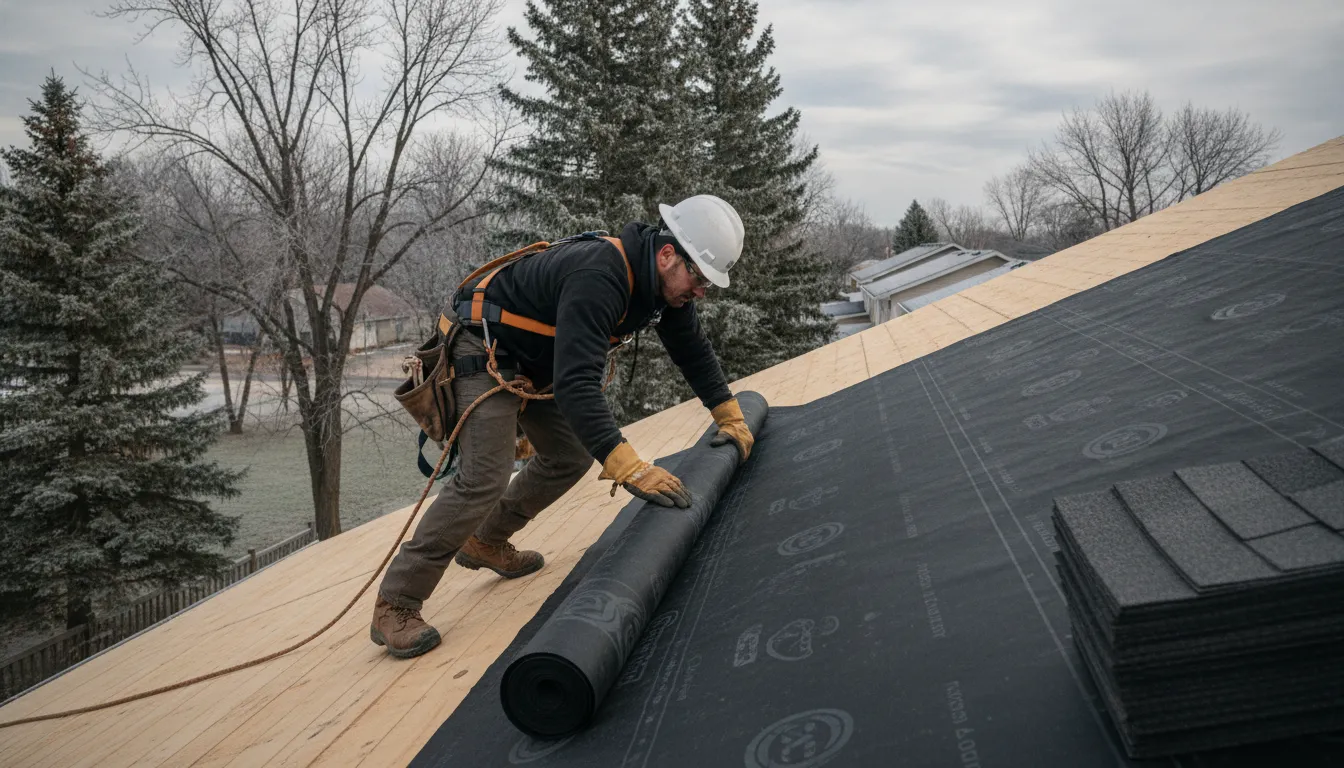
A roof replacement can involve more than installing new shingles. The scope may include removing the existing roof covering, repairing or replacing damaged roof decking, changing materials, altering roof framing, or updating flashing and ventilation details. Local rules can treat different scopes differently, so a general answer from a neighbor or an online discussion may not apply to your address.
Even two homes on the same block may fall under different authorities if they are on opposite sides of a city boundary or in an area with county-administered permitting. Commercial properties, multi-unit buildings, and buildings with unusual construction or use can also have requirements that differ from a typical single-family home. Tell the authority what kind of building it is rather than asking only whether “roofing” needs a permit.
As one example of local variation, Isanti County provides an electronic application path that lists re-roofing among the permits that can be applied for. That is useful evidence that re-roofing permits are handled locally in at least some Minnesota jurisdictions; it is not a statewide rule for every property. See the Isanti County permit application information, then verify the process for your own location.
A permit question is especially worth resolving early if the job will involve changes beyond replacing the outer roof covering. Structural repairs, a change in roof design, a different roofing system, or work on a commercial or multi-family building may prompt additional questions. Do not guess whether a specific component is included in the permit; describe it to the local office and ask what it requires.
How do you confirm local permit rules?
Start with the official building department for the address where the roof is located. The correct office might be a city department or another local authority. If you are unsure which one serves your home, contact the city or county office and ask to be directed to building inspections or permitting. Use official government contact information rather than relying on a contractor directory or a general search result that may describe another town.
- Give the complete property address.
Ask which office has jurisdiction over that parcel. Do not assume that a mailing address identifies the permitting authority.
- Describe the work precisely.
Say whether you plan to remove the existing covering, install new roofing over an existing layer, repair decking, change materials, alter the roof structure, or complete other related work. Include the building type.
- Ask whether a permit is required for that exact scope.
If the answer depends on a detail, explain the detail before treating the response as final.
- Ask who should apply.
Confirm whether the homeowner, roofing contractor, or another party is expected to submit the application.
- Request the current instructions in writing or on an official page.
Make note of the date and the department or staff contact. Rules and forms can change.
- Ask about inspections and closeout.
Find out whether an inspection is required, how it is scheduled, and whether any final approval or documentation is issued.
Keep the response with your project records. A short note with the date, the official you contacted, the address discussed, and the work description can prevent confusion later. If a contractor says a permit is unnecessary but the local department gives a different answer, ask the contractor to reconcile the difference before the start date.
It is also helpful to keep your project description consistent. If the approved scope is roof-covering replacement but the crew later finds damaged decking or a need for structural work, pause long enough to ask whether the changed scope affects the permit. A permit decision based on a limited description may not cover added work.
How is replacement different from repair?
Homeowners often use “roof repair,” “reroof,” and “replacement” interchangeably, but a building department may ask exactly what work is planned. A small localized repair, a complete covering replacement, and a project that changes the roof structure are not necessarily handled the same way. The labels alone do not establish whether a permit is needed.
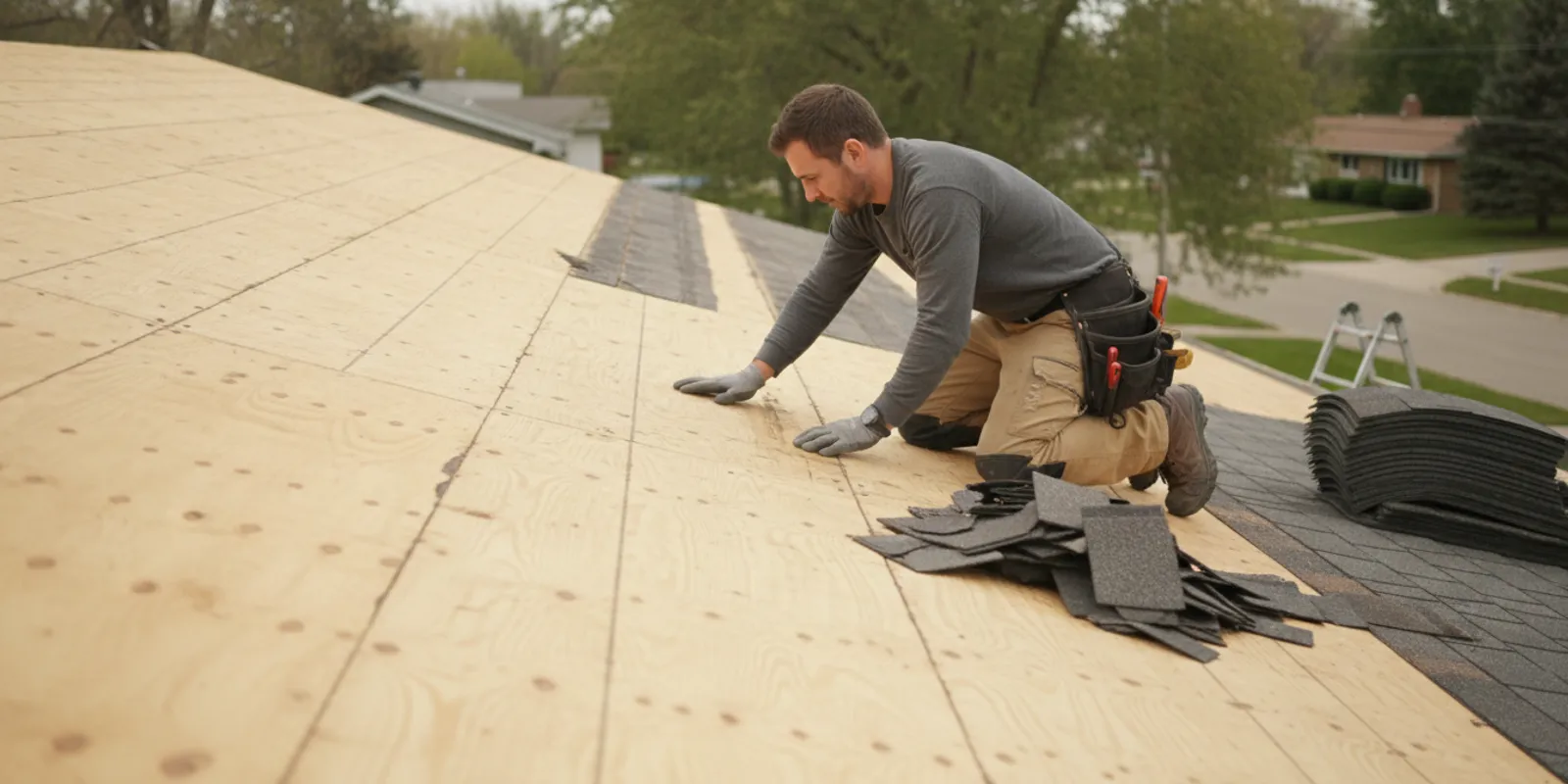
For example, replacing a few damaged shingles may be a different scope from stripping the roof and installing a new covering across the full surface. Replacing the covering may also reveal soft or deteriorated decking that was not visible before removal. If the repair expands once the roof is opened, the contractor and owner should determine whether the local department needs updated information or approval.
Material changes deserve a direct question as well. Replacing one asphalt shingle roof with another may not raise the same issues as changing to a heavier or different roofing system. Do not assume that the underlying roof can support a new material simply because the old covering was in place. Ask the contractor to explain what the proposed system entails and ask the building department whether that change affects permit requirements.
If you are deciding between repairing a small area and replacing the roof, the permit question is only one factor. Condition, leak history, the extent of damage, and the proposed scope matter too. Minnesota Roofing Company provides roof repair information and roof replacement services for Minnesota property owners. A project conversation can help clarify the work being considered, while the local building department confirms its permit rules.
What information may an application request?
Application details vary by jurisdiction. Before filling out a form, read that department’s current instructions or ask what it needs for a roofing project. A local office may ask for information such as the property address, owner or contractor contact details, the type and scope of work, the roof area, the existing and proposed materials, and the expected project timing. Treat that list as a preparation guide, not a promise that every jurisdiction uses the same form.
Prepare a concise scope description. It can state whether the crew will remove existing roofing, how many layers are present if known, what new covering is planned, and whether the work includes decking, flashing, ventilation, gutters, or structural changes. If you do not know a detail, say so and ask whether it must be confirmed before submitting. Clear information helps the permitting office identify the right process.
Depending on the authority and the project, the application may require supporting materials or additional review. Ask rather than sending unsolicited documents or assuming that a generic roofing proposal is enough. Clarify any fee, payment method, review time, permit display instruction, and expiration or closeout requirement directly with the office. No fee or timeline should be treated as universal across Minnesota.
Keep copies of the application, approval, project proposal, product information supplied for the work, and any inspection notes. These records can help you track what was approved and what was installed. If the project scope changes, document the change and ask whether the permit file needs an update.
Who handles the application and inspection?
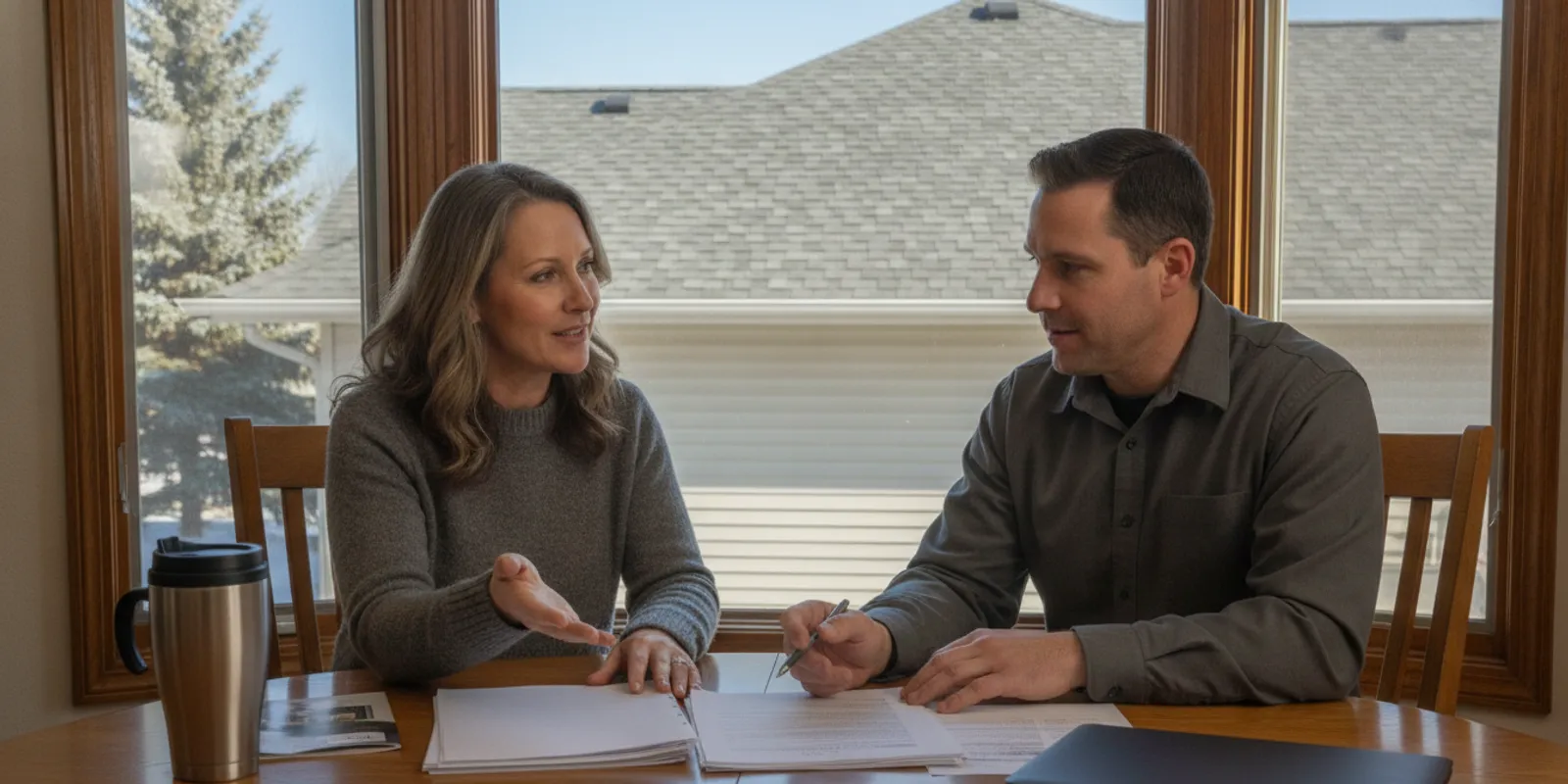
Responsibility depends on local rules and the agreement between the property owner and contractor. Before signing or starting, make the roles explicit. Ask who will contact the building department, who will submit and pay for any application, who will keep the approval on file, and who will arrange an inspection if one is required. Do not rely on an informal assumption that “the other party” is handling it.
As the property owner, you should know whether the required approval is in place and what scope it covers. If the contractor applies, request the permit details or confirmation and check that the address and project description match your job. If you are applying, ask the contractor for accurate information about materials and work so the application reflects what the crew will actually do.
Inspection responsibility should be clear, too. Ask whether the local authority requires an inspection at a particular stage, who requests it, and whether roofing work needs to remain accessible until it occurs. If an inspection identifies an item to correct, find out who will coordinate the correction and any reinspection. The local office, not a general article, determines its own process.
For work connected to storm damage, keep project and damage documentation organized. Minnesota Roofing Company offers storm damage roofing information and has a page about when to file an insurance claim for roof damage. Permit approval and insurance decisions are separate matters: ask the building department about permits and your insurer about coverage and claim procedures.
How do common roofing projects compare?
This table is a planning aid, not a substitute for a decision from the authority that serves your address. Its purpose is to show what to explain when you ask about a permit.
Project type | What to describe | Questions to ask locally |
Small, localized repair | Area being repaired, materials, and whether any decking or framing is involved | Does this repair need a permit? What if concealed damage expands the scope? |
Full roof-covering replacement | Removal or overlay, number of existing layers if known, proposed covering, and related work | Is a permit required for this reroof? What application and inspection steps apply? |
Replacement with a different roofing system | Existing and proposed material, installation approach, and any related roof changes | Does the material or system change require additional information or review? |
Roof work involving decking or structure | What is damaged or changing, how much is affected if known, and whether framing is involved | Does the expanded scope require a separate or amended approval? |
Commercial or multi-unit roof project | Building use, approximate scope, roofing system, and any access or occupancy considerations | Which department handles this project, and are there added review or inspection steps? |
Use the row closest to your project as a starting point, then describe any combination of work. For instance, a residential roof replacement can become a decking repair project after tear-off. A commercial roof can involve a different system and review path than a house. The department can tell you what applies once it understands the property and work scope.
What can delay approval or the project?
Unclear scope is one avoidable source of back-and-forth. If an application says only “new roof,” the reviewer may need to ask whether the existing covering is being removed, what materials are planned, and whether structural work is included. Gather those details from the contractor before applying, and ask what the office needs if some details are not yet known.
Other common planning issues include contacting the wrong jurisdiction, using an outdated form, leaving application fields blank, failing to clarify who pays a fee, and scheduling work before required approval. Inspections can also affect sequence: if an inspection is required, ask when it must occur and whether it needs to happen before work is covered. Do not rely on a guessed timeline; ask the local office about current processing and scheduling.
Changes discovered during the job can require a new conversation. If the contractor finds unexpected damage or proposes a different material or installation scope, ask whether the original permit description still fits. If the change affects the approved project, check with the building department before proceeding with that changed work.
Weather and scheduling are separate practical concerns. Minnesota roof work can be affected by conditions, crew availability, material delivery, and the order of required reviews. A permit does not guarantee a particular construction date, and an estimate is not a permit approval. Build room into the plan and confirm each responsibility instead of assuming all steps occur automatically.
How can you prepare for a roof replacement conversation?
Before requesting a project estimate, gather the property address, approximate roof age if known, any visible damage or leak history, and your questions about the work. You do not need to diagnose the roof yourself. Avoid climbing onto the roof; share what you can observe safely from the ground or inside the home, such as a ceiling stain or a missing shingle visible from a window.
During the project discussion, ask what the proposed scope includes and what could change once existing roofing is removed. Make sure you understand how the contractor will communicate any concealed damage, material substitutions, or added work. Ask which details the permitting office will need and whether the contractor will assist with them. These questions help you compare proposals based on more than a headline price.
If the project includes related exterior work, keep those scopes distinct in your notes. For example, ask whether replacing gutters or siding is included in the roofing proposal or handled separately. Minnesota Roofing Company also provides information about gutter services and siding, gutters, and exterior services. Understanding what is and is not part of the roof work can make it easier to ask the building department focused questions.
For a property with a low-slope or commercial roof, be specific about the roofing system and the type of building. You can review the company’s information on flat roofing or TPO roofing as you prepare questions. The material information is not a permit determination; the authority serving the property makes that determination.
Keep financing, project approval, and permitting as separate conversations. If you want to understand payment options, see roof financing information. Ask the building department about its requirements and confirm project details with the contractor before committing to a start date.
Frequently asked questions
Is a roof replacement permit required everywhere in Minnesota?
Do not assume there is one answer for every Minnesota property. Requirements and procedures can depend on the local jurisdiction, building type, and scope of work. Contact the building department responsible for your address and describe the project before work begins.
Can I rely on a neighbor’s experience with a roofing permit?
A neighbor’s experience can be a useful prompt for questions, but it is not confirmation for your home. The neighbor may be in another jurisdiction, have a different building type, or have completed a different scope. Verify the rule for your address with the official local department.
Does a contractor automatically take care of the permit?
Not automatically. Confirm who is responsible for checking requirements, submitting an application, paying any fee, keeping approval records, and arranging an inspection. Put the agreed responsibilities in the project documentation and request confirmation before the work starts.
What if the roof deck is damaged after tear-off?
Ask the contractor to explain the damage and proposed repair, and ask whether the expanded scope affects the existing permit or requires an update. The answer depends on local rules and the nature of the work, so check with the building department when needed.
Does getting a permit mean my roof replacement is covered by insurance?
No. A permit is a local building approval when one is required; it does not determine whether an insurer covers the project. For coverage, claim deadlines, and documentation, contact your insurance company and review your policy.
Before you schedule a roof replacement, confirm the permitting process for your address, agree on who will handle each step, and keep the approval and project records together. A clear scope and direct answers from the local building department help you start with fewer surprises.
Comments