
The Ultimate Metal Roof Installation Company Guide
Your roof does more than just protect your home from the elements; it defines its character. If you’re looking for an upgrade that delivers a powerful visual impact and unmatched performance, it’s time to consider metal. Far from the corrugated tin sheds of the past, modern metal roofing offers sleek lines, a wide spectrum of colors, and styles that range from contemporary standing seam to classic shingles. This upgrade instantly boosts curb appeal and can significantly increase your home’s resale value. Of course, a premium look demands premium craftsmanship. We’ll explore the options and show you how to find a metal roof installation company that can bring your vision to life.
Key Takeaways
- Think of it as a lifetime investment
: While the initial cost is higher than asphalt, a metal roof offers incredible long-term value through its 50-plus year lifespan, lower energy bills, and minimal maintenance needs.
- Your contractor is as important as the material
: A perfect installation is essential for a metal roof's performance. Choose a company with proven metal roofing experience, verify they are fully licensed and insured, and get a clear understanding of their workmanship warranty.
- Style doesn't have to be sacrificed for strength
: Modern metal roofing comes in a wide variety of styles and colors, including options that look like traditional shingles, slate, or wood shake, allowing you to match your home's aesthetic without compromising on durability.
Is a Metal Roof Right for Your Home?
When you picture a new roof, you probably think of traditional asphalt shingles. They’re a classic for a reason, but they aren't your only option. Metal roofing has become an incredibly popular choice for homeowners who want a blend of modern style, serious durability, and long-term value. While the initial cost can be higher than asphalt, a metal roof is an investment that pays for itself over time through its incredible lifespan, energy savings, and minimal maintenance needs.
Choosing the right material is one of the biggest decisions you'll make for your home's protection and appearance. A metal roof can completely transform your home’s exterior, giving it a sleek, contemporary look that stands out. It’s also one of the toughest materials on the market, built to handle Minnesota’s wild weather with ease, from heavy snowfalls to intense summer sun. If you’re looking for a residential roofing solution that you won’t have to think about again for decades, it’s time to consider the benefits of metal.
Unmatched Durability and Lifespan
One of the most compelling reasons to choose a metal roof is its incredible longevity. While a typical asphalt roof needs replacing every 15 to 20 years, a professionally installed metal roof can last 50 years or more. For many people, it’s the last roof they will ever need to buy for their home. This durability means you spend less time and money on repairs and gain peace of mind knowing your home is protected by a material that won't crack, warp, or rot. It’s a true "last roof investment" that provides a reliable shield for your home, season after season.
How a Metal Roof Can Lower Energy Bills
A metal roof does more than just protect your home from the elements; it can also help you save money on energy bills. Metal surfaces reflect solar heat, which can significantly reduce your cooling costs during hot Minnesota summers. Instead of absorbing the sun’s rays and transferring that heat into your attic, a metal roof sends it back into the atmosphere. This keeps your home naturally cooler and means your air conditioner doesn’t have to work as hard. In the winter, its insulating properties also help keep warm air from escaping, providing year-round efficiency that you’ll see on your monthly utility statements.
Boost Your Home's Curb Appeal and Value
Beyond its practical benefits, a metal roof is a major aesthetic upgrade. With a variety of colors and styles available, from sleek standing seam panels to designs that mimic traditional shingles, you can find a look that perfectly complements your home’s architecture. This premium upgrade not only enhances your home's curb appeal but can also increase its resale value. Potential buyers see a metal roof as a significant asset because of its long lifespan and low maintenance. Plus, metal roofing is an environmentally friendly choice, as the materials are often made from recycled content and are fully recyclable at the end of their life.
How to Choose the Best Metal Roofing Company
A metal roof is a significant investment in your property, and the quality of the installation is just as important as the material itself. Choosing the right contractor can feel like a big task, but doing a little homework upfront ensures your new roof will perform beautifully for decades. The best partner for your residential roofing project will be experienced, transparent, and committed to quality craftsmanship. Here’s what to look for when you’re ready to hire a pro.
Look for Proven Experience and Certifications
Installing a metal roof requires a different skill set than working with traditional asphalt shingles. You’ll want a team that specializes in metal roofing and has a portfolio of successful projects to prove it. When you talk to potential contractors, ask specifically about their experience with the type of metal system you’re interested in. A contractor with years of dedicated experience will handle the project smoothly and professionally.
Also, look for industry certifications. Credentials like being a GAF Master Elite or Owens Corning Preferred Contractor show that a company is properly trained, licensed, and committed to ongoing excellence. These top-tier certifications are earned, not bought, and they’re a strong indicator that you’re working with one of the best in the business. You can usually find this information on a company’s about us page.
Check Customer Reviews and Local Reputation
Word-of-mouth is still one of the most reliable ways to find a great contractor. Start by asking friends, family, and neighbors for recommendations. From there, head online to read customer reviews on sites like Google and the Better Business Bureau. Look for consistent themes in the feedback. Do customers mention clear communication, a clean job site, and a professional crew?
A company’s local reputation is everything. A contractor who has been serving the Twin Cities area for years understands the specific challenges our climate presents, from heavy snow loads to summer storms. They’ll also have a network of local suppliers and a deep understanding of regional building codes, ensuring your roof replacement is done right.
Verify Their Insurance and Licensing
This step is non-negotiable. Any professional roofing company you consider must be fully licensed and insured. Ask for proof of both general liability insurance and workers' compensation. General liability protects your property from accidental damage during the project, while workers' compensation covers the contractor’s employees if they get injured on the job. Without it, you could be held financially responsible.
A reputable contractor will have no problem providing you with their license number and a certificate of insurance. Don’t just take their word for it; take a moment to verify that the policies are current. This simple check protects you, your home, and the workers completing the installation.
Understand the Warranties They Offer
Warranties provide peace of mind, but it’s important to know what you’re getting. Typically, a new roof comes with two separate warranties: one from the material manufacturer and one from the roofing contractor. The manufacturer’s warranty usually covers defects in the material itself, like the paint finish peeling or fading prematurely.
The contractor’s warranty, often called a workmanship warranty, is arguably more important. This covers any issues that arise from the installation process. Ask for a copy of both warranties and read them carefully. Make sure you understand the duration, what is covered, and any actions that could void the coverage. A contractor who stands behind their work will offer a strong, clear warranty on their installation.
Exploring Your Metal Roofing Options
When you picture a metal roof, you might have a specific image in mind. But the world of metal roofing is surprisingly diverse, with options to suit nearly any architectural style and budget. From sleek, modern panels to styles that mimic traditional shingles, you have a lot of choices to make. Understanding these options is the first step toward finding the perfect fit for your home. Let's walk through the most popular styles, materials, and finishes you'll encounter.
Standing Seam Metal Roofing
Standing seam is a top choice for homeowners who want a clean, contemporary look. This style features vertical metal panels connected by raised, interlocking seams. Because the fasteners are concealed and the seams are raised above the roof's surface, it creates an incredibly effective barrier against water, making it one of the most weathertight systems available. Its sharp lines and smooth surfaces complement modern and traditional homes alike, offering a premium aesthetic backed by exceptional durability. If you're looking for a long-term investment in your home's protection and style, a standing seam residential roof is an excellent option to consider.
Corrugated Metal Panels
You've probably seen corrugated metal roofing on barns and industrial buildings, but its practical charm is making its way into residential design. Characterized by its distinct wavy pattern, the corrugated shape adds significant strength and rigidity to the panels. This makes it a durable and surprisingly affordable option. It’s a fantastic choice for achieving a modern farmhouse or industrial-chic look without a hefty price tag. For homeowners who value function, durability, and a straightforward aesthetic, corrugated panels offer a reliable and budget-friendly solution that stands up to the elements.
Metal Shingles and Tiles
What if you love the classic look of slate, wood shake, or asphalt shingles but want the superior performance of metal? Metal shingles and tiles are the answer. These systems are designed to replicate the appearance of traditional roofing materials down to the texture and color variations. This gives you the best of both worlds: timeless curb appeal combined with the longevity, fire resistance, and energy efficiency that metal is known for. With a wide array of styles available, you can get a traditional look for your home without compromising on modern durability and protection.
A Look at Materials and Finishes
Beyond the style, the actual metal used makes a big difference. The most common metal roofing materials are steel, aluminum, copper, and zinc. Steel is popular for its strength and cost-effectiveness, while aluminum is lightweight and naturally rust-proof. Copper and zinc are premium choices known for their unique beauty and incredible lifespan. To top it off, various finishes, like paint or galvanized coatings, add another layer of protection against corrosion and allow you to choose from a huge spectrum of colors to perfectly match your home’s exterior.
What Does a New Metal Roof Cost?
Let’s talk about the number one question on every homeowner's mind: the price. It’s true that a metal roof is a significant investment, and the upfront cost is typically higher than for traditional materials like asphalt shingles. However, it’s important to view this as a long-term investment in your home’s safety, efficiency, and value. The final price tag can vary quite a bit, but understanding the components of the cost will help you budget effectively and see the incredible value a metal roof provides over its long lifespan.
When you get a quote for a roof replacement, you’re paying for more than just the metal panels. The total cost includes high-quality materials, the expertise of a skilled installation crew, and the peace of mind that comes with a durable, long-lasting roofing system. We’ll break down what goes into the price so you can make an informed decision for your home.
Breaking Down the Average Price
While every project is unique, we can look at industry averages to get a general idea. The initial investment for a metal roof is higher because both the materials and the specialized labor cost more than for conventional roofing. On average, materials can range from about $2.60 to over $35.00 per square foot, depending on the type of metal. Labor adds another $3.00 to $12.00 per square foot.
To put that in perspective, installing a new metal roof on a standard 1,700-square-foot home costs around $22,917 on average. This figure is a helpful starting point, but remember it’s just an estimate. The final cost will depend on the specific factors of your project.
Factors That Influence Your Final Cost
Several key elements will determine the final price of your new metal roof. The most significant factor is the type of metal you choose; for example, steel is generally more affordable than aluminum or copper. The complexity of your roof’s design also plays a big role. A simple, single-level roof will cost less than a multi-level roof with steep pitches, dormers, and valleys, which requires more intricate work and materials.
Finally, the contractor you hire makes a difference. An experienced, certified team may have higher labor rates, but their expertise ensures the job is done right the first time. At MN Roofing Co., our team’s extensive training and decades of experience guarantee a flawless installation that protects your investment.
Available Financing and Payment Plans
We understand that a new roof is a major expense, and the upfront cost can feel daunting. That’s why many reputable roofing companies offer financing options to make the project more manageable for your budget. Don't let the initial price tag keep you from getting a roof that will protect your home for decades. When you speak with a contractor, be sure to ask about their available payment plans, interest rates, and any potential discounts for paying a portion upfront.
Exploring these options can help you get the high-quality metal roof you want without straining your finances. We are always happy to discuss the costs and find a solution that works for you.
Key Questions to Ask Your Roofing Contractor
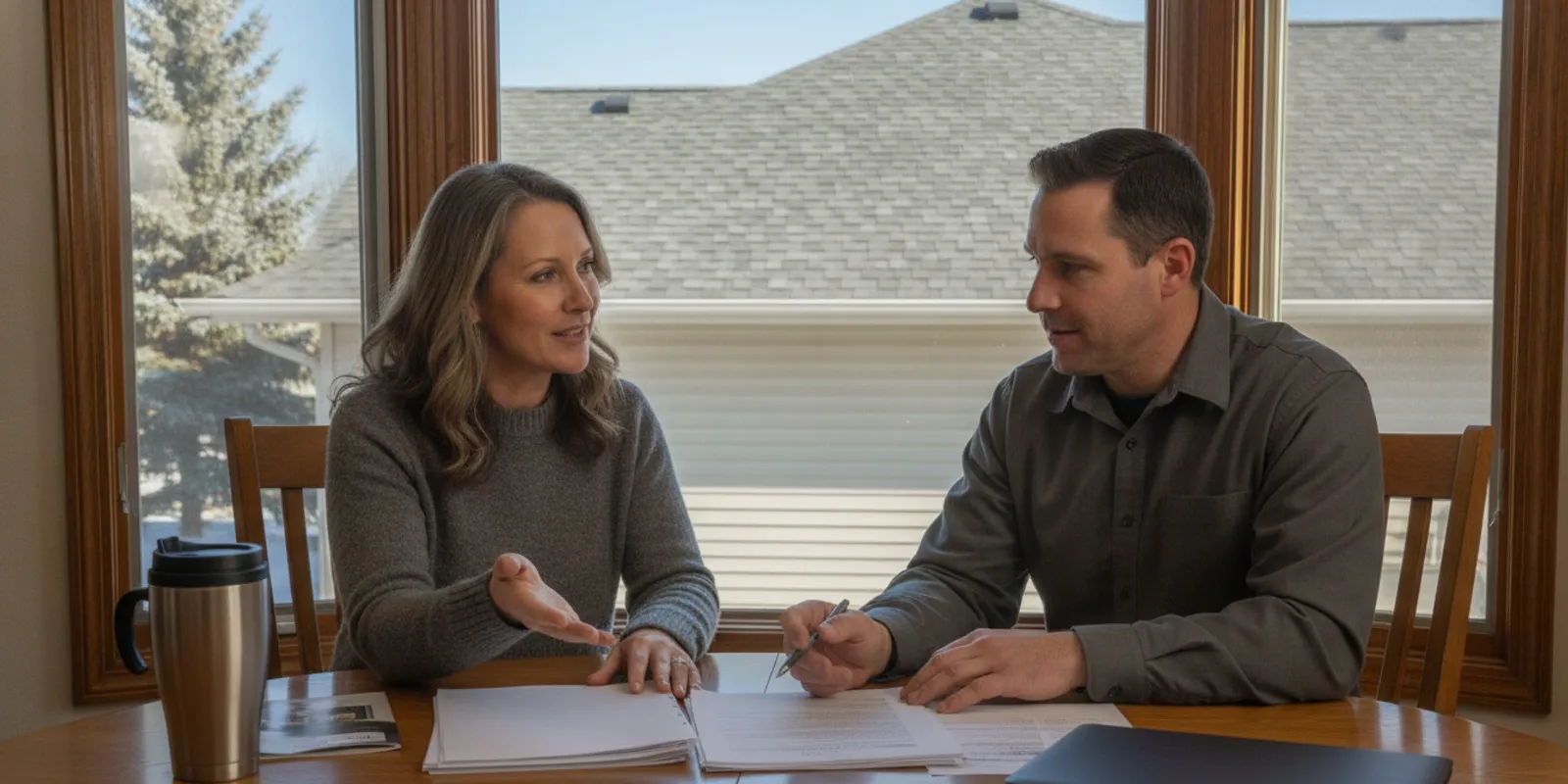
Once you’ve narrowed down your list of potential roofing companies, it’s time to start the interview process. Think of it as hiring someone for a very important job, because you are. Asking the right questions helps you vet their experience, understand their process, and feel confident in your decision. A reputable contractor will welcome your questions and provide clear, direct answers. This conversation is your best tool for separating the true professionals from the rest.
Questions About Their Qualifications
First things first, you need to confirm their credentials. Start by asking, "Are you licensed, bonded, and insured in Minnesota?" This is non-negotiable. It protects you from liability if an accident happens on your property. Next, ask about their specific experience with metal roofing. You can ask, "How many metal roof installations have you completed?" and "Do you have a portfolio of local projects I can see?" Don't forget to ask if they use subcontractors. If they do, make sure those teams are also fully insured and qualified. A company’s history and credentials, like being a GAF Master Elite Contractor, speak volumes about their commitment to quality.
Questions About the Project Timeline
A clear timeline sets expectations and minimizes disruption to your daily life. Ask, "How long will the installation take from start to finish?" While weather can cause delays, an experienced contractor can give you a realistic timeframe for your specific project. You should also ask how they’ll protect your property, including your landscaping, siding, and driveway, during the installation. Understanding the full roof replacement process helps you prepare for the work ahead and ensures a smooth experience. Finally, ask who your main point of contact will be and how they will communicate updates or potential delays.
Questions About the Contract and Warranty
Never sign a contract without reading it thoroughly. Before you get to that stage, ask for details on their warranties. It’s important to understand that there are usually two types: a manufacturer's warranty on the materials and a workmanship warranty from the contractor. Ask, "What does your workmanship warranty cover, and for how long?" The manufacturer’s warranty often covers the paint finish, but the contractor’s warranty covers the installation quality. Get everything in writing, including the detailed scope of work, total cost, and payment schedule. This protects both you and the contractor.
Questions About Materials and Options
A great contractor will act as your guide, helping you choose the best materials for your home and budget. Ask them, "What type of metal and which finish do you recommend for Minnesota's climate?" They should be able to explain the pros and cons of different options, like standing seam versus corrugated panels. You can also ask if they can provide samples of different colors and finishes to see how they look against your home’s exterior. Discussing your residential roofing goals with them will ensure the final product not only performs well but also matches your home's aesthetic perfectly.
What to Expect During Your Metal Roof Installation
A new roof is a major project, but knowing what happens each step of the way can make the process feel much more manageable. Once you’ve chosen your materials and signed the contract, the real work begins. A professional installation is key to ensuring your metal roof performs beautifully for decades, protecting your home from Minnesota’s toughest weather. The entire process generally follows a clear path from initial site prep to the final walkthrough.
At MN Roofing Co., we’ve refined our process over 20 years to make every roof replacement as smooth and stress-free as possible for you. We handle the logistics so you can focus on the exciting outcome: a durable, beautiful new roof. Here’s a breakdown of what you can expect when our team arrives at your home.
Step 1: Preparation and Permitting
Before any materials arrive, our team handles the essential groundwork. This includes securing all necessary local permits for your project, so you don’t have to worry about the paperwork. We’ll also coordinate the delivery of materials and a dumpster for debris. On-site, we take great care to protect your property, covering landscaping, siding, and windows to prevent any damage during the installation. This preparation phase is also your final chance to ask any lingering questions before the work begins. We believe that clear communication is the foundation of a successful project.
Step 2: The Day-by-Day Installation
This is where the transformation happens. The first major task is typically removing your old roofing material. Once the underlying roof deck is exposed, we’ll inspect it for any damage and make necessary repairs to create a solid base for your new roof. Next, we install a high-quality underlayment for an extra layer of water protection. Finally, our certified installers begin fitting the metal panels, paying close attention to the manufacturer’s specific guidelines for fastening patterns. This precision ensures your roof is secure and ready to handle anything from heavy snow to high winds.
Step 3: Final Inspection and Future Maintenance
Once the last panel is in place, our job isn’t quite done. Our crew performs a thorough cleanup of the entire work area, using magnetic rollers to pick up any stray nails or metal scraps. A project manager will then conduct a detailed final inspection of the roof to ensure every detail meets our high standards. We’ll walk you through the finished project, answer your questions, and provide you with all the warranty information. To get the most out of your investment, we also recommend periodic inspections and maintenance, which can prevent small issues from becoming bigger problems and extend the life of your beautiful new roof.
Frequently Asked Questions
Aren't metal roofs really loud when it rains or hails? This is a common myth, but the truth is that a professionally installed metal roof is no louder than any other type. When installed over a solid roof deck with proper underlayment, the sound is significantly muffled. The noise you might associate with a metal roof, like rain on an old barn, comes from panels installed without that solid sheathing underneath. Your home's attic and insulation provide an additional sound barrier, so you can enjoy the pitter-patter of rain without any disruptive noise.
How does a metal roof handle heavy Minnesota snow? Metal roofs are fantastic for snowy climates. Their smooth, hard surface encourages snow to slide off more easily than it would from asphalt shingles. This natural shedding helps prevent the buildup of heavy snow loads and reduces the risk of ice dams forming at the edge of your roof. For safety, we can also install snow guards above walkways and entrances to manage the snow as it melts and slides.
Is the higher upfront cost of a metal roof really worth it? While the initial investment for a metal roof is higher than for asphalt, it delivers incredible long-term value. A quality metal roof can last 50 years or more, meaning it's likely the last roof you'll ever need to buy. Over that same period, you might have to replace an asphalt roof two or even three times. When you factor in the energy savings and minimal maintenance costs, a metal roof often proves to be the more economical choice over the life of your home.
What kind of maintenance does a metal roof require? Metal roofs are valued for being very low maintenance, but they aren't completely "set it and forget it." We recommend a simple visual inspection once a year. You'll want to check for any debris like leaves or branches, especially in valleys, and make sure your gutters are clear. It's also a good idea to look for any minor scuffs in the finish that might need a quick touch-up to prevent any potential issues down the road.
Can you install a metal roof directly over my old asphalt shingles? In some cases, building codes may permit installing metal roofing over a single layer of existing shingles. However, we almost always recommend a full tear-off of the old roof. Removing the old shingles is the only way for us to properly inspect the underlying roof deck for rot or damage. Starting with a clean, solid foundation is critical for ensuring your new metal roof performs perfectly and lasts for decades.
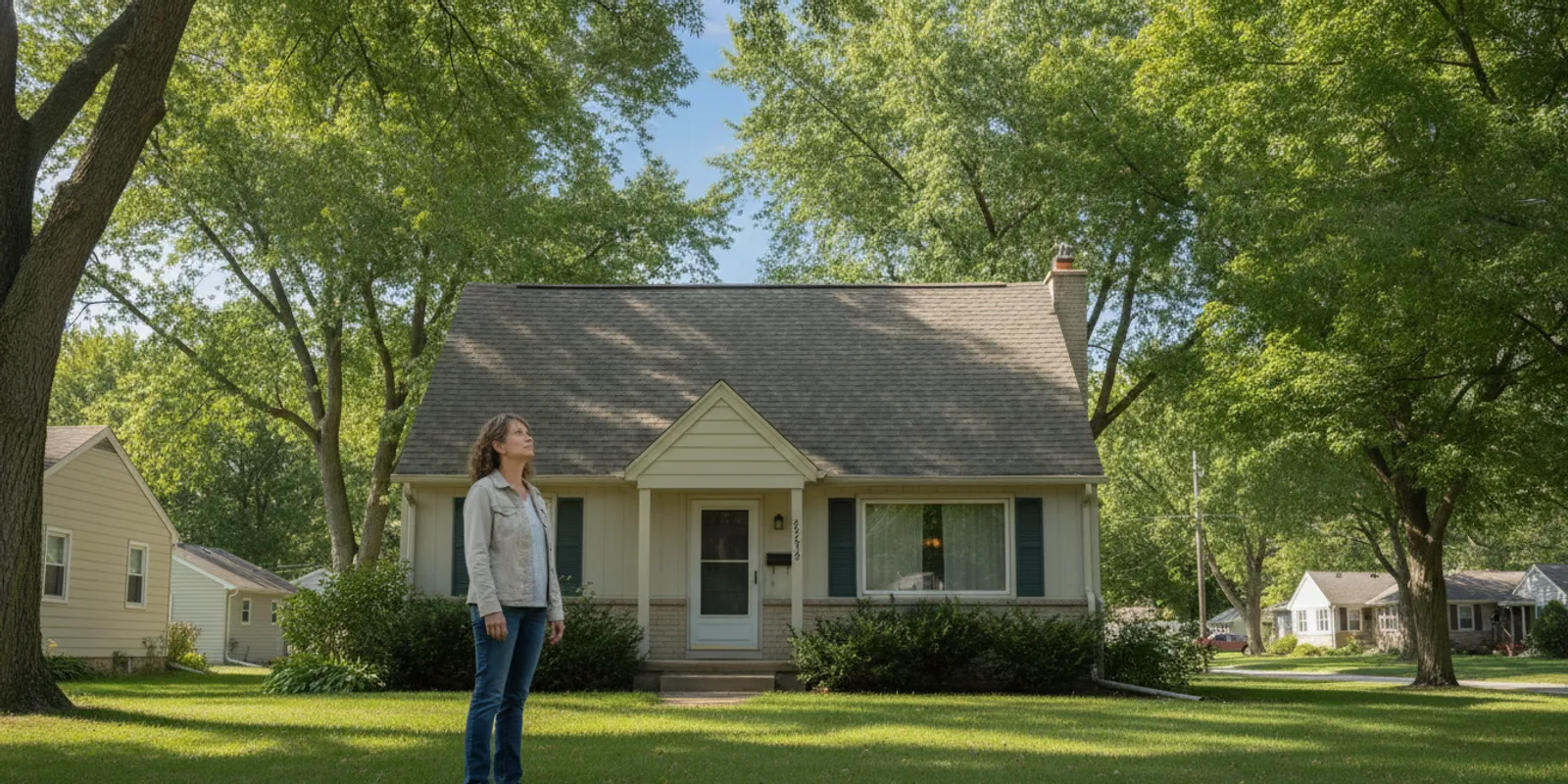

I like the idea of using metal roofing because durability and long-term performance matter when investing in a home. What caught my attention is how a well-installed metal roof can also create a practical foundation for future energy upgrades. If I were planning a new roof, I would think about solar installation early, including roof orientation, available space, structural considerations, and how electrical equipment could be integrated. Energy storage is another piece I would consider, particularly when pairing solar generation with modern battery systems. While researching simpliphi batteries, I’ve become more interested in how storage can complement rooftop solar and provide greater flexibility in using generated electricity. Coordinating roofing, solar, and storage from the beginning seems like thoughtful planning.