
LP SmartSide vs James Hardie Board Siding: Minnesota Guide
Updated: Sep 15
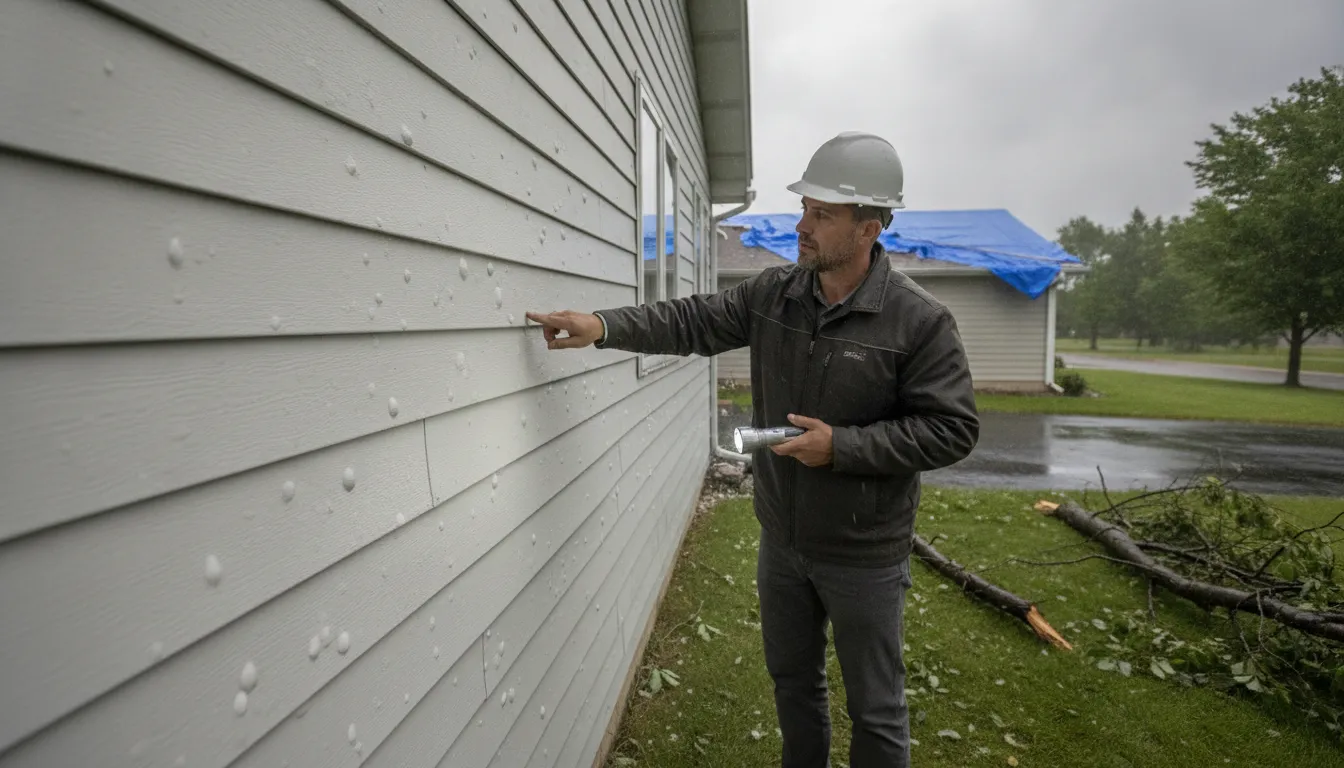
Subzero winter temperatures and summer hailstorms will destroy low-grade siding on a Twin Cities home. To keep your home safe, our family-owned team at Minnesota Roofing Company has provided premium siding installation services for over thirty years.
Call (612) 888-7663 today for a free siding consultation and estimate.
An lp smartside vs james hardie board siding matchup shows that both premium brands protect Minnesota homes very well during our severe freeze-thaw seasons. LP SmartSide is a tough engineered wood product treated with zinc borate and wax to deliver better impact strength against large summer hailstones. In contrast, James Hardie board is a heavy fiber cement siding made of Portland cement and sand that offers unmatched fire safety. Real science shows that James Hardie's advanced design reduces water absorption and permeability to prevent cracking during subzero winter temperatures. While LP SmartSide is much lighter and easier to install, James Hardie provides elite protection against house fires and has a longer paint life.
Choosing the right premium siding for your home requires looking closely at how each option is constructed to survive our climate. To understand why engineered wood performs so well, we must first examine What Is LP SmartSide and How Is It Made? Here is how.
Lp Smartside Vs James Hardie Board Siding: What Is LP SmartSide and How Is It Made?
LP SmartSide is an engineered wood siding product made from wood strands, resin binders. And zinc borate that delivers superior impact strength and cold-weather install flexibility compared to fiber cement alternatives. This makes it a strong contender for Minnesota homes that face frequent hail and winter construction timelines.
When you plan a home siding project, you will likely look at the choice of lp smartside vs james hardie board siding. Both products are popular, but they use very different materials. LP SmartSide is a type of engineered wood siding that offers a classic wood look combined with modern strength.
The Materials That Make Up Engineered Wood
To understand how this siding works, you must look at what goes into it. LP SmartSide begins with thin wood strands. These strands are cut from small, fast-growing trees. The maker mixes the wood with strong resin binders to glue it together. This creates a dense, stable core that will not warp or split.
Raw wood easily rots and attracts pests, but this product is different. To make it, the wood strands are treated with zinc borate, a natural mineral. This chemical compound helps the planks resist moisture, fungal decay, and termite damage. You can read more about how engineered wood siding resists pests and rot in research reports.
The SmartGuard Manufacturing Process
The maker uses four steps to make each plank under a process called SmartGuard:
They cut the wood into thin strands and treat them with zinc borate.
They coat the strands with waterproof resins and wax.
They press the mixture under high heat and pressure to create solid boards.
They add a protective overlay to the face of the board.
This overlay protects the siding from water and gives it a deep wood grain texture. The process makes a product that is much lighter and easier to cut than fiber cement options. This lighter weight makes it much faster to put up on your home.
Rigorous Testing and Practical Benefits
Local performance is key for homeowners in our state. LP Building Solutions partners with the University of Minnesota Duluth to test their siding materials. They use the NRRI Innovation Center to study how their products handle extreme cold and wet weather. This building science research helps ensure the planks can survive our harsh local climate.
This testing proves that the engineered wood is highly durable. The siding has a Class 4 impact rating, which is the highest level of hail protection. It resists damage from large hailstones that would easily crack other materials. This extreme strength is a major reason why local crews install this product on so many homes.
Another big plus is that crews can install these planks year-round. Some siding types get brittle and crack when cut in freezing cold weather. Because engineered wood is highly stable, builders can put it up even in the middle of a Minnesota winter. This means your exterior project does not have to wait until spring.
What Is James Hardie Board and What Makes It Different?
James Hardie board is a fiber cement siding made from Portland cement, sand, cellulose fibers, and water that is non-combustible and resistant to rot, moisture, and freeze-thaw damage. It is the top choice for homeowners who prioritize fire safety and long-term durability in Minnesota's variable climate.
Unlike engineered wood, Hardie board is a fiber cement product made from Portland cement, sand, cellulose fibers, and water. These raw parts are mixed and pressed into strong siding planks.
Fiber cement composition and history
The invention of fiber cement changed the way we cover homes. To make the board last, the company uses treated cellulose fibers to reduce water absorption. This process is backed by U.S. patent 6676745. The design helps the boards resist moisture so they do not soak up water in cold climates.
Fiber cement was created to replace wood siding that rots. In the factory, the raw materials are mixed with water to form a slurry. This mixture is pressed into thick sheets and cured with high heat. Curing with high heat makes the boards stable so they do not warp.
- Fire protection:
The board is non-combustible with a Class A fire rating. It will not ignite when exposed to a direct flame.
- Great strength:
Since the boards do not contain wood, pests and termites cannot eat them. They will not rot or decay.
- Long lifespan:
Homeowners can expect this siding to last for 50 years or more with proper care.
ColorPlus technology and factory finish
James Hardie board does not just protect against water. It also stays bright for a long time without fading. The brand uses a factory finish called ColorPlus that is baked onto the planks. This bonds the paint to the cement, which keeps it bright for 15 years or more.
Installation and weight challenges
While Hardie board is strong, it does come with some challenges. The first big difference is weight. Fiber cement is much heavier than engineered wood, which makes it harder to cut and hang. It also cannot be cut when it is colder than 40 degrees F.
These limits can make winter work tough. If you need a winter build, weather delays might push your timeline back. For a safe and proper job, you should look for professional siding installation services. Local crews have the right tools to cut and secure these heavy planks without cracking them.
Head-to-Head: Durability in Minnesota Winters
Both LP SmartSide and James Hardie board offer strong winter performance. But they excel in different areas: LP SmartSide wins on hail impact protection and year-round installation, while James Hardie wins on fire resistance and freeze-thaw moisture defense.
Minnesota winters are tough on home exteriors. Deep freezes, heavy snow, and fast temperature changes put huge stress on siding materials. Homeowners in the Twin Cities must choose a siding that can stand up to these harsh shifts. This side-by-side comparison shows how James Hardie board and LP SmartSide handle winter weather.
Durability Factor | James Hardie Siding | LP SmartSide Siding |
Freeze-Thaw Resistance | Excellent defense with low water absorption. | Strong defense but needs sealed edges to prevent swelling. |
Hail Impact Rating | May chip or crack under severe hail strikes. | Class 4 rating; absorbs heavy impacts without cracking. |
Moisture and Rot | Immune to rot, decay, and wood-boring insects. | Resists rot and termites using zinc borate binders. |
Fire Resistance | Class A non-combustible; does not ignite. | Class C combustible; contains real wood strands. |
Winter Installation | Cannot be cut below 40 degrees Fahrenheit. | Safe to cut and install in freezing temperatures. |
Typical Lifespan | Lasts 50 or more years with proper maintenance. | Lasts 30 to 50 years under normal weather conditions. |
Freeze-thaw cycles and moisture protection
When water gets into a wall and freezes, it expands. This freeze-thaw cycle can crack weak siding. James Hardie siding solves this with treated wood fibers. This smart design cuts down on water soak. A special patent process gives Hardie board great freeze-thaw resistance. LP SmartSide uses engineered wood strands. These strands are mixed with wax and zinc borate. According to federal energy research, these binders help the wood resist rot and water damage. But if crews leave cut edges bare, the wood can soak up wetness and swell. Homeowners must hire a skilled crew to seal every seam.
Hail performance and fire ratings
Hail is a major threat in Minnesota. Large hailstones can chip or crack fiber cement siding. LP SmartSide has a Class 4 impact rating. This is the highest score a product can get. Its wood strands absorb impact energy. LP tested this siding at their local research center in Duluth. This study proved that engineered wood can take a beating from heavy storms. But fiber cement has a big win when it comes to fire safety. James Hardie is a non-combustible material. It will not burn when exposed to direct heat or flame. LP SmartSide contains wood, so it can ignite. Homeowners who want top fire protection often choose fiber cement.
Cold weather installation limits
Winter weather can also impact your project timeline. Our crew can install both products in the cold, but winter storms can cause delays. James Hardie board is heavy and brittle in freezing weather. Crews cannot cut Hardie board when the temperature drops below 40 degrees Fahrenheit. If they try, the planks will crack. It also takes longer to hang because it is so heavy. LP SmartSide is lighter and much easier to cut. Our team can put up LP SmartSide all year long without cracking. If you need a winter siding job, LP is often the faster choice. For expert help, explore the siding installation services from Minnesota Roofing Company to plan your home remodel.
Cost Comparison: LP SmartSide vs. Hardie Board Installed
The installed cost for both LP SmartSide and James Hardie board siding now ranges from $14 to $18 per square foot. Making the price gap much narrower than it was a decade ago. For a typical Minnesota home, expect a total project cost between $21,000 and $40,000 depending on size, story count, and complexity.
Comparing the cost of lp smartside vs james hardie board siding is a key first step. In the past, fiber cement was always the more costly choice. But today, the price gap between these two top brands has narrowed. Both products now offer similar value for homeowners who want to protect their home from harsh weather.
Siding installation rates per square foot
Based on recent 2026 industry rates, both siding brands often run between $14 and $18 per square foot installed. This means you will pay a similar rate per square foot whether you choose engineered wood or fiber cement. This rate includes both the siding boards and the local labor needed to hang them on your walls.
The quality of these boards is backed by years of lab tests. For instance, LP Building Solutions works with the University of Minnesota Duluth to run tough tests on their siding. These studies help prove that engineered wood can handle cold winters and wet spring weather.
Total cost estimate for a typical home
For a typical 2,000 square foot home, the wall area usually ranges from 1,500 to 2,200 square feet. This means your total project cost will likely fall between $21,000 and $40,000. This estimate covers the full job from start to finish, including cleanup.
The time it takes to finish the work also affects your final bill. Siding a house usually takes about 5 to 8 working days. However, Hardie board is much heavier and harder to cut than engineered wood. Because of this, a crew may take one extra day to finish a Hardie board job, which can increase your labor cost.
Key cost factors for your siding job
Many details can shift your final price up or down. A simple, one-story house is much easier to side than a tall home with multiple stories. You can get an accurate price with our instant estimator tool before you start.
Here are the main cost factors that our crew looks at when we write your bid:
- Existing siding removal:
Taking off old wood, vinyl, or stucco takes extra time and labor.
- Story count:
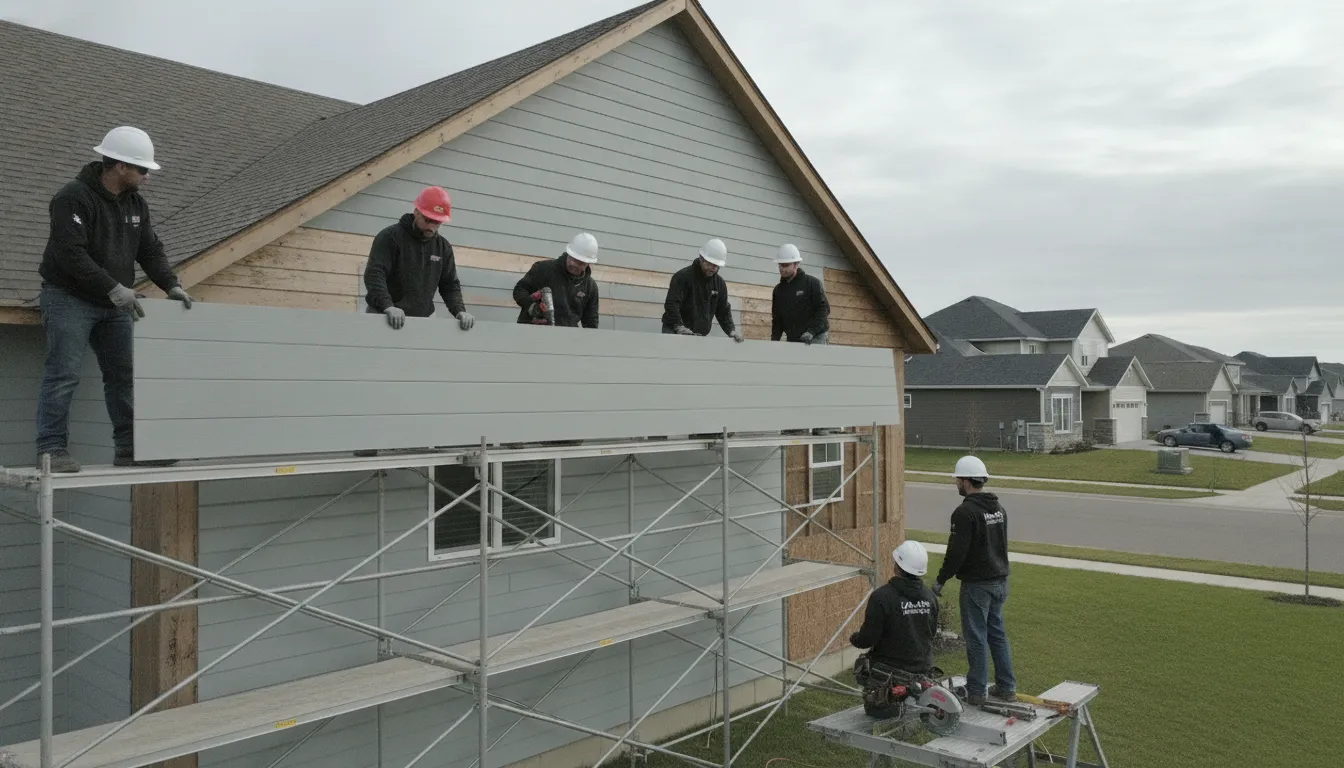
Working on a second or third story needs scaffolding and extra safety gear.
- Roof complexity:
Houses with many gables and roof lines require more precise cuts.
- Trim detail:
Adding custom trim around windows and doors increases the total material and labor cost.
Siding your home is a big investment, but you do not have to pay for it all at once. We offer flexible financing options to help fit the project into your budget. Our team can also visit your home to provide a free inspection and a detailed price estimate.
Warranty Comparison and What It Actually Covers
LP SmartSide offers a 50-year prorated warranty with full coverage for the first five years. While James Hardie provides a 30-year non-prorated transferable warranty with a separate 15-year ColorPlus finish warranty. The choice depends on whether you value longer nominal coverage or consistent, transferable protection.
Installing new siding is a big home project. Siding often costs between $14 and $18 per square foot of wall area installed. When you look at lp smartside vs james hardie board siding, these warranties protect your investment over the next few decades.
Manufacturer warranty terms
LP SmartSide comes with a 50-year prorated limited warranty. The maker covers the full cost of materials and labor for the first five years. After this initial term, the coverage drops by 2.2% each year. This means you get less help as your siding ages. Plus, the plan excludes wood swelling and edge checking, which can be a concern in humid areas.
James Hardie offers a 30-year limited transferable warranty. This plan does not lose value over time, so the next buyer of your home still gets full protection. They also offer a 15-year warranty on their ColorPlus finish. This covers paint chipping, cracking, and peeling. Unlike LP wood, Hardie does not swell because it is made of fiber cement.
Moisture protection and material science
These warranty terms exist because the two siding types use different materials. James Hardie is made of fiber cement, which blends sand, cement, and wood fibers. According to a patent hosted on PubChem, fiber cement uses treated wood fibers to reduce water absorption and prevent freeze-thaw damage. Because it does not take in water, it will not rot or swell, which is why the brand offers a non-prorated plan.
In contrast, LP SmartSide uses engineered wood. To keep wood from rotting, the maker treats the wood strands with zinc borate and resin. An energy report from osti.gov shows that coating these wood strands with wax and zinc borate gives the product great stability. This shield is what allows LP to offer a 50-year warranty, even though raw wood is prone to rot.
Why expert workmanship matters
The most important detail of any siding warranty is how it is installed. Both brands can void their coverage if the installer makes a mistake. For instance, the crew must seal every cut edge, use the right nails, and leave proper gaps. If they do not, the brand will not pay for any damage.
That is why you need a local team with a strong track record. At Minnesota Roofing Company, we protect your home and your warranty. We back our siding installation services with our own workmanship warranty. Our local team has served the Twin Cities for over 30 years. We make sure every board is hung to meet strict factory rules.
Which Siding Is Right for Your Minnesota Home?
Choose LP SmartSide if hail impact protection, winter installation flexibility, and lighter weight are your top priorities. Choose James Hardie board if fire safety, non-prorated warranty transferability, and maximum lifespan are more important for your home.
Choosing between lp smartside vs james hardie board siding is a big step for your home. Both brands guard your home well, but they serve different needs. Your final choice depends on your budget, your house style, and your local weather. To make the best choice, work with a contractor who understands both materials and your specific climate conditions.
When is LP SmartSide the best choice for your house?
LP SmartSide is an engineered wood product made from wood strands, whereas Hardie board is a fiber cement product. The difference in how they are made affects how they perform on your home. If you want a quick setup in cold weather, this wood product is a strong pick.
You can put it up during a cold Minnesota winter because it does not have a 40-degree limit like fiber cement. It is also light, which means it puts less stress on your home structure.
You should choose LP SmartSide if your project fits these local needs:
- Hail protection:
The siding has a Class 4 impact rating to guard your walls against heavy storms.
- Winter work:
Workers can install this siding in the winter because it has no cold weather limits.
- Simple upkeep:
It is easy to clean and resists cracks over time.
- Lower costs:
It is often less costly to install because it is light and quick to put up.
When is James Hardie board the right option?
James Hardie siding is a great choice if your focus is fire safety and very long life. The material is non-combustible, which means it will not burn when exposed to a direct flame. This gives you extra peace of mind for your family.
This fiber cement siding uses treated wood fibers to keep water out. This design gives the boards great strength and freeze-thaw resistance during wet spring months. Real estate agents also report that this brand has a very high resale value among home buyers.
Choose James Hardie board siding for your home when you want:
- Fire safety:
The siding is a Class A non-combustible material that will not ignite.
- Maximum life:
This brand can last 50 years or more when put up by a skilled team.
- Wet weather defense:
The cement base handles freeze-thaw cycles without rotting.
- High resale value:
Many local home buyers seek out this exact brand name.
What do local siding experts think?
With 30 years of local siding work in the Twin Cities, we have seen how both materials handle our extreme weather. LP SmartSide is a top choice for homes in areas that get frequent hail. Its impact strength stands up well to storms that would dent other options. But if your home sits in a damp, wooded lot or close to fire risks, James Hardie board is our first choice.
The Siding, Gutters, and Exterior Services page on our website covers the full range of siding options and exterior protection we offer for Minnesota homes. Our team can inspect your current walls and help you choose the best brand for your specific needs.
Contact us today to schedule a free siding consultation. Call (612) 888-7663.
Frequently Asked Questions
How long does it take to install LP SmartSide vs James Hardie siding?
On a typical 2,000 square foot home, installing either siding brand takes about five to eight working days. James Hardie fiber cement is heavier and more labor-intensive to cut. Because of this, Hardie projects can sometimes take a full day longer to finish than LP SmartSide. Bad winter weather can also cause delays. Our team at Minnesota Roofing Company can give you a precise timeline during your free consultation.
Can you install LP SmartSide or James Hardie siding during Minnesota winters?
Yes, siding crews can install both LP SmartSide and James Hardie in the winter. However, freezing cold can make fiber cement more brittle and prone to cracking during cuts. High winds and heavy snow can also slow down work. A local contractor must watch the weather to avoid safety risks and ensure proper caulking and nail depth. LP SmartSide is generally easier to install in cold conditions because it stays flexible at low temperatures.
How does zinc borate protect LP SmartSide siding from damage?
LP SmartSide uses zinc borate during manufacturing to coat the wood strands before bonding them. According to a Department of Energy report, zinc borate is a natural mineral that fights rot and termites. This treatment helps the engineered wood planks stay stable and strong, even when exposed to high moisture and heavy rainfall.
Is James Hardie siding fire resistant?
Yes, James Hardie fiber cement siding is highly fire resistant. It is made from sand, water, and cement, which makes it non-combustible. It will not ignite or add fuel to a fire, unlike wood or vinyl. Many insurance companies even offer discounts for homes with this type of Class A fire-rated siding.
Is LP SmartSide more expensive than James Hardie siding?
No, the price gap between these two siding brands has narrowed. Both brands now cost between $14 and $18 per square foot installed. The final price depends on the size of your home, its design, and local labor rates. Contact Minnesota Roofing Company for a customized estimate based on your specific home.
Ready to choose the right siding for your Minnesota home?
Leaving old, worn, or cracked siding on your Minnesota house can cause costly water leaks, wood rot, pest trouble, and high heating bills during winter storms. By setting up your siding project today, you secure a spot in our schedule and get your home fully safe before winter weather arrives. Our family-owned company has spent over 30 years helping local people choose the best siding to keep their houses warm, safe, and dry for decades.
Ready to protect your home and save on heating bills? Call Minnesota Roofing Company today at (612) 888-7663 for a free siding consultation and estimate.

Comments