
The Essential Rain Gutter Replacement Guide
Your home is likely your biggest investment, and protecting it is a top priority. While we often focus on interior updates, some of the biggest threats to your home’s value come from the outside. A failing gutter system is one of the most common culprits, quietly causing expensive problems like rotted fascia boards, eroded landscaping, and even a compromised foundation. Thinking about a rain gutter replacement isn't just about fixing a leak; it's a strategic investment in your home's long-term health and structural integrity. We’ll break down everything you need to know to make a smart, confident decision that safeguards your property for years to come.
Key Takeaways
- Recognize the Red Flags
: Don't ignore visible cracks, rust, or sagging gutters. Puddles forming near your foundation are a clear signal that your gutter system is failing and can no longer protect your home from water damage.
- Choose Replacement for Widespread Damage
: While a single leak might be a simple fix, multiple problem areas like extensive rust or sagging call for a full replacement. Investing in a durable, seamless system is the best way to protect your home long-term in Minnesota's climate.
- Prioritize Proper Installation and Maintenance
: The performance of your new gutters depends on correct installation, including a precise slope and secure attachment. After installation, protect your investment with regular cleanings and inspections to prevent clogs and catch small issues early.
Is It Time to Replace Your Gutters? Key Signs to Watch For
Gutters are one of those home features that are easy to ignore until something goes wrong. They quietly do their job, channeling thousands of gallons of water away from your home each year. But when they start to fail, the problems they cause can be anything but quiet. Water damage can affect your roof, foundation, and even your landscaping. The good news is that your gutters will usually give you some clear warning signs that they’re nearing the end of their life. You just have to know what to look for.
A quick walk around your property, especially after a rainstorm, can tell you everything you need to know. Are there visible cracks or rust spots? Is water pooling in strange places? Do the gutters themselves look like they’re drooping? These aren't just minor cosmetic issues; they're signals that your gutter system is struggling to protect your home. Ignoring them can lead to more expensive repairs down the road, from rotted fascia boards to needing new siding services. Taking a few minutes to inspect your gutters can save you a lot of headaches and help you decide if it's time for an update. Let’s walk through the most common signs that your gutters need attention.
Visible Cracks, Rust, or Peeling Paint
The paint on your gutters does more than just make them look nice; it’s the first line of defense against the elements. If you notice peeling paint, it’s a sign that the protective coating is wearing away, leaving the metal underneath exposed to moisture. This quickly leads to rust, which can eat through the metal and cause cracks or holes. Even small cracks can be a big problem, allowing water to leak out and damage the fascia boards your gutters are attached to. Take a close look for any orange-colored rust spots, splits in the metal, or areas where the paint is bubbling or flaking off. These are clear indicators that your gutters are deteriorating.
Water Pooling Around Your Foundation
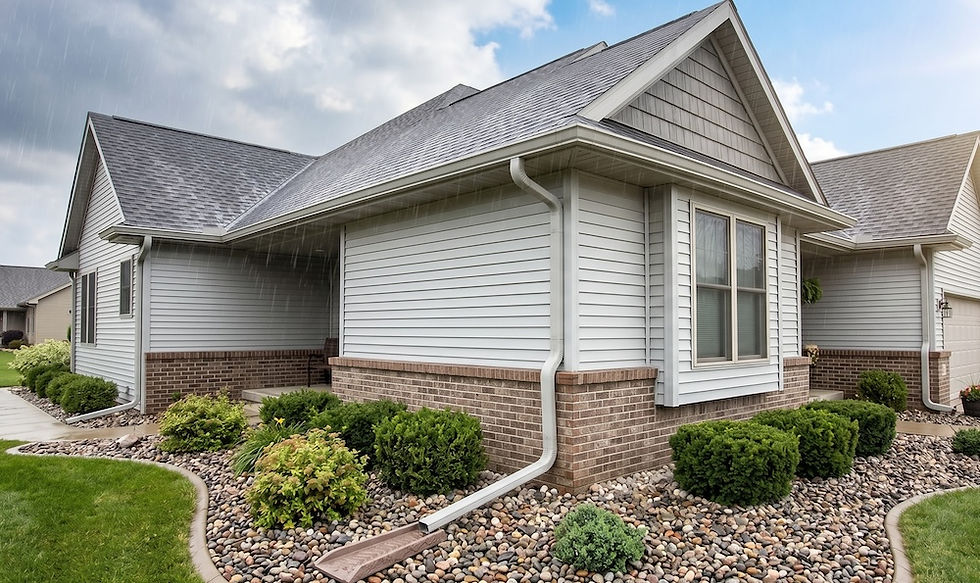
Your gutter system has one main purpose: to direct rainwater safely away from your foundation. If you see puddles of water forming near your house or notice soil eroding around the base of your home, your gutters aren't doing their job. Properly functioning rain gutter systems prevent this by stopping water damage before it starts. When water is allowed to pool, it can seep into your basement or crawl space, leading to moisture problems and even compromising your foundation's integrity. After the next rainfall, check the ground around your downspouts. Water should be flowing away from the house, not collecting at its base.
Gutters Sagging or Pulling Away from the Roof
Gutters should run in a straight, clean line along your roof's edge. If you spot any sections that are sagging, bowing in the middle, or pulling away from the house, it’s a serious red flag. This often happens when gutters become clogged with leaves and other debris. The weight of the trapped water becomes too much for the fasteners, causing them to pull loose from the fascia board. Sagging gutters can’t channel water effectively, meaning it will spill over the sides and run down your home's exterior. If you see this, it's a good time to call a professional roofing contractor to assess the damage to both your gutters and your roofline.
Should You Repair or Replace Your Gutters?
Deciding whether to patch up your gutters or invest in a full replacement is a common crossroads for homeowners. A quick fix can save you money upfront, but sometimes, it’s just a temporary solution for a much bigger problem. The right choice depends on the type and extent of the damage you’re seeing.
A simple repair makes sense for isolated issues. If you spot a single leak at a joint, a small crack in an otherwise sturdy section, or a couple of loose hangers, a targeted roof repair and gutter tune-up can often solve the problem. This is especially true if your gutters are relatively new and the damage is minimal. Think of it like fixing a flat tire instead of buying a whole new car; if the rest of the system is sound, a patch will do.
However, some signs are clear indicators that your gutters are past the point of saving. If you notice widespread problems like multiple cracks, extensive rust, or peeling paint that signals water is constantly present, it’s time for a replacement. Gutters that are sagging or pulling away from the house in several spots are also a major red flag, as they can no longer channel water effectively. Age is another key factor; if your gutters are pushing 20 years old and showing significant wear, replacing them is a smarter long-term investment.
The most critical sign of all is water damage around your home. Take a walk around your property after it rains. If you see water pooling near your foundation, creating damp spots on your exterior walls, or causing erosion in your landscaping, your gutter system has failed. At this point, a replacement isn't just about aesthetics; it's about protecting your home's foundation and structural integrity from costly water damage. If you're seeing these issues, especially after a recent storm, it's wise to get a professional assessment for potential storm damage repair.
Choosing the Right Gutter Material for Your Home
Once you’ve decided to replace your gutters, the next big question is what material to use. This choice is more than just about looks; it affects your home's durability, the amount of maintenance required, and your overall budget. Each material has its own set of strengths and weaknesses, especially when you factor in Minnesota’s demanding weather, from heavy snowfalls to summer storms. The right material for your neighbor might not be the best fit for you.
Your decision will likely come down to balancing three key factors: cost, durability, and aesthetics. Are you looking for a budget-friendly solution that gets the job done, or are you willing to invest in a premium material that will last for decades and add significant curb appeal? Thinking about your priorities will help you sort through the options and find the perfect match for your home. At MN Roofing Co., we help homeowners with their exterior services every day, and we can walk you through the best choices for your specific needs and style.
Aluminum Gutters
Aluminum is easily the most popular gutter material, and for good reason. It’s lightweight, affordable, and won’t rust, which makes it a practical and reliable choice for most homes. Because it’s so light, installation is straightforward. Another major benefit is that aluminum gutters come in a wide variety of factory-baked colors, making it simple to find a shade that perfectly complements your home’s siding and trim. While it's not as tough as steel, modern aluminum gutters are strong enough to handle typical Minnesota weather without issue, offering a great balance of performance and value.
Copper Gutters
If you’re looking for a material that makes a statement and is built to last a lifetime, copper is an excellent choice. Copper gutters are incredibly durable and will never rust. Instead of corroding, they develop a beautiful blue-green patina over time, adding a unique and distinguished character to your home’s exterior. This elegance comes with a higher price tag, making it a premium investment. However, for historic homes or homeowners who want the best in terms of longevity and aesthetic appeal, the upfront cost of copper pays off in decades of performance and unmatched curb appeal.
Vinyl Gutters
Vinyl gutters are the most budget-friendly option on the market. They are made from PVC plastic, which means they are lightweight, rust-proof, and very easy for a DIYer to install. However, that low cost comes with some significant trade-offs, especially in a climate like ours. Vinyl can become brittle in the extreme cold of a Minnesota winter, making it susceptible to cracking. It also tends to sag over time and may not hold up as well against heavy snow and ice compared to metal alternatives. While it can be a decent short-term fix, it generally has a shorter lifespan than other materials.
Steel Gutters
When strength is your top priority, steel is the way to go. Galvanized steel gutters are exceptionally strong and rigid, making them an ideal choice for handling the heavy snow and ice loads we see in the Twin Cities. They are tougher than aluminum and can withstand impacts from ladders or branches without denting easily. The zinc coating on galvanized steel helps prevent rust, but if that coating gets scratched, corrosion can set in. While they require a bit more diligence to maintain, their sheer durability makes them a cost-effective option for homeowners who want peace of mind during harsh weather.
Seamless vs. Sectional Gutters: What's the Difference?
When you start looking at gutter options, you'll quickly find there are two main players: seamless and sectional. While they both do the same job of directing water away from your home, how they are constructed makes a world of difference in their performance and longevity. Choosing the right type is one of the most important decisions you'll make for protecting your home's foundation and exterior. Let's break down what sets them apart so you can feel confident in your choice.
Seamless Gutters: The Custom-Fit Solution
Think of seamless gutters as a tailored suit for your home. They are custom-formed on-site from a single, continuous piece of metal to fit the exact dimensions of your roofline. The only joints are at the corners and downspouts. This design is their biggest advantage: with virtually no seams, there are far fewer opportunities for leaks to develop. This means better protection for your foundation, basement, and landscaping. They also provide a clean, streamlined appearance that enhances your home's curb appeal and complements your siding. While the initial investment is higher, their durability and low-maintenance nature make them a superior long-term solution for Minnesota homeowners.
Sectional Gutters: The DIY-Friendly Option
Sectional gutters are what you'll typically find at a big-box hardware store. They come in pre-cut lengths, usually 10 to 20 feet long, that are pieced together during installation. The main appeal here is the lower upfront cost and accessibility for a confident DIYer. However, this design comes with a significant trade-off. Every place where two sections connect is a seam, and every seam is a potential weak point that can leak, sag, or pull apart over time. These gutters require more ongoing maintenance to check and reseal the joints, and they often don't last as long as their seamless counterparts.
What to Consider Before You Replace Your Gutters
Replacing your gutters is a bigger decision than you might think. It’s not just about swapping out old metal for new; it’s an opportunity to make a smart upgrade that protects your home and improves its curb appeal. Before you jump in, taking a moment to think through a few key factors will ensure you get the best results for your investment. From our wild Minnesota weather to your specific home’s needs and your budget, a little planning goes a long way. Let’s walk through the most important things to consider so you can feel confident in your choices.
Minnesota's Climate
Living in Minnesota means preparing for everything from heavy summer downpours to mountains of spring snowmelt. Your gutter system is your home's first line of defense against all that moisture. Properly functioning gutters are essential for protecting your home from water damage by directing water away from your foundation, siding, and basement. Without them, you risk soil erosion, foundation cracks, and even basement flooding. Given our climate, choosing a durable gutter system that can handle heavy rain and the weight of snow and ice is not just a good idea, it’s a necessity for keeping your home safe and dry year-round.
Your Home's Style
Gutters have a job to do, but that doesn't mean they can't look good doing it. The right gutters can blend seamlessly with your trim or act as a stylish accent that complements your home's architectural style. Think about the overall look you want to achieve. Do you prefer a traditional look, or something more modern? Seamless gutters, for example, are custom-made for your home and offer a clean, streamlined appearance without the unsightly seams of sectional gutters. They are also far less likely to leak, making them a smart choice for both performance and aesthetics.
Gutter Size and Downspout Placement
Gutter performance comes down to simple physics: the system needs to be big enough to handle the amount of water coming off your roof. While many homes do well with standard 5-inch gutters, some situations require more capacity. Larger roofs or those with a steep pitch may need wider 6-inch gutters to prevent overflow during heavy rain. Just as important is the placement of your downspouts. A good rule of thumb is to have one downspout for every 30 to 40 feet of gutter, strategically placed to guide water far away from your home’s foundation.
Your Budget
It’s important to have a clear financial picture before starting any home improvement project. For a typical home, a full gutter replacement can cost between $2,000 and $6,000, though this can vary based on materials, the size of your home, and the complexity of the job. While it’s a significant investment, think of it as protecting the value of your entire home. To get a clear idea of the cost for your specific property, it’s always best to get a detailed quote. This will help you plan your finances and avoid any surprises down the road.
Breaking Down the Cost of Gutter Replacement
Budgeting for a home improvement project can feel like trying to hit a moving target, but understanding the key variables will give you a clearer picture. When it comes to gutter replacement, the final cost depends on a few major factors: the material you choose, the size of your home, and any extra labor or repairs that might pop up. Let’s walk through what you can expect.
How Material Affects Cost
The material you select for your new gutters is the single biggest factor influencing the price. Vinyl gutters are the most budget-friendly option, typically running between $3 and $7 per foot, but they have a shorter lifespan of about 10 to 20 years. Aluminum is a popular, durable middle ground, costing around $3 to $15 per foot and lasting for 20 years or more. For a premium, long-term investment, copper gutters are unmatched. While they cost between $15 and $40 per foot, they can last for 50 years or longer, developing a beautiful patina over time. Your choice comes down to balancing your upfront budget with your long-term goals for your home's exterior services.
How Home Size Affects Cost
It makes sense that the larger your home, the more it will cost to replace the gutters. More square footage means more linear feet of gutter material and more time for installation. For a standard-sized home in the US, you can generally expect the total cost to fall somewhere between $2,000 and $6,000. However, it’s not just about the overall size. The complexity of your roofline also plays a role. A home with many corners, gables, and levels will require more custom cuts and meticulous work than a simple rectangular roof, which can increase labor costs for your residential roofing project.
Potential Hidden Costs to Plan For
To avoid surprises on your final invoice, it’s smart to plan for a few potential extra costs. First, there’s the removal and disposal of your old gutters, which can add $1 to $2 per square foot plus a few hundred dollars for hauling. If your home is two or more stories tall, the crew may need extra equipment for safety, which adds to the labor cost. The most common hidden expense is discovering rotted or damaged fascia boards after the old gutters are removed. These boards must be repaired or replaced before the new system can be installed, so it’s wise to have a small cushion in your budget for potential roof repair.
The Gutter Installation Process, Step by Step
Understanding what goes into a gutter replacement can help you feel more confident about the project, whether you're considering a DIY approach or hiring a professional. A proper installation is more than just hanging a trough; it's a precise process that protects your home from water damage for years to come. From careful measurements to the final finishing touches, each step is crucial for creating a system that functions correctly and looks great. Here’s a look at what a typical gutter installation involves, from start to finish.
Step 1: Inspect and Measure
The first step is all about planning. Before any old gutters come down, a thorough inspection and measurement of your roofline is essential. This is where we map out the entire system, determining the length of the gutter runs and, most importantly, the ideal placement for downspouts. A good rule of thumb is to have one downspout for every 30 to 40 feet of gutter. This ensures water has a clear and efficient path to flow away from your home's foundation, preventing pooling and potential water damage. Proper planning at this stage is the foundation for a successful installation and is a key part of our siding services.
Step 2: Check the Fascia Boards
Your gutters attach to the fascia boards, which are the long, straight boards that run along the lower edge of your roof. Before installing a brand-new gutter system, it's critical to check that these boards are in good shape. If the fascia is soft, rotting, or damaged, it won't be able to securely hold the weight of the new gutters, especially when they're full of water or ice. A professional will always inspect the fascia and recommend repairs if needed. Ignoring this step can lead to sagging gutters and costly water damage down the line, which is why it's a non-negotiable part of any quality roof repair or replacement project.
Step 3: Remove the Old Gutters
With a solid plan in place, it's time to make way for the new system. Removing the old gutters might seem straightforward, but it requires care to avoid damaging your siding, roof, or landscaping. The process involves detaching the gutters, hangers, and downspouts from the house. For homeowners, this can be a cumbersome and messy job, not to mention the hassle of figuring out how to dispose of long sections of metal or vinyl. When you work with a professional crew, we handle the entire removal and disposal process, leaving you with a clean slate ready for your beautiful new gutters. This is often done during a full roof replacement to ensure a seamless exterior update.
Step 4: Install New Gutters and Downspouts
This is where your new gutter system comes to life. The new gutters are carefully cut to size and attached to the fascia boards with hidden hangers for a clean, modern look. These hangers are typically spaced every 18 to 24 inches to provide strong support. One of the most critical parts of the installation is creating the right slope, or pitch. The gutters are angled slightly toward the downspouts to ensure water flows correctly instead of sitting stagnant. The back edge of the gutter is tucked just under the roof's drip edge, guaranteeing that all water running off your residential roofing is caught and channeled away.
Step 5: Add Gutter Guards
Once your new gutters are installed, the final step is to consider protection. Gutter guards are a fantastic addition that can save you a lot of time and effort on future maintenance. These screens or covers fit over the top of your gutters, allowing water to flow in while blocking leaves, twigs, pine needles, and other debris. In a state like Minnesota, where we see everything from spring blossoms to autumn leaves, preventing clogs is key to avoiding water overflow and ice dams. Adding gutter guards helps protect your investment and ensures your system works efficiently, which is especially important for preventing storm damage caused by water backup.
Common Gutter Replacement Mistakes to Avoid
Replacing your gutters is one of those home projects that makes a huge difference, but only if it’s done correctly. A small mistake during installation can lead to big problems down the road, like water damage to your foundation or siding. Getting it right the first time saves you from future headaches and protects your investment. Let’s walk through a few common missteps homeowners make so you can sidestep them completely. By being aware of these potential pitfalls, you can ensure your new gutter system functions perfectly for years to come. Think of your gutters as the unsung heroes of your home's exterior, quietly channeling thousands of gallons of water away from your property each year. When they fail, the consequences can be surprisingly severe, from a flooded basement to eroded landscaping. We'll cover the most frequent mistakes we see, like picking the wrong materials for our wild Minnesota weather, getting the sizing or pitch just slightly off, and ignoring the condition of your fascia boards before starting. A little knowledge here goes a long way in protecting your home.
Picking the Wrong Material for the Climate
Here in Minnesota, our gutters have a tough job. They face heavy snow, ice dams, and intense rain, so choosing the right material is essential. While budget-friendly aluminum is a popular choice because it’s lightweight and won’t rust, it can be more susceptible to denting from hail or heavy ice. On the other hand, materials like copper are incredibly durable and can last for decades, developing a beautiful patina over time. While copper has a higher upfront cost, its longevity can make it a great long-term value. The key is to balance your budget with a material that can withstand our specific weather challenges and protect your home’s exterior.
Getting the Sizing or Pitch Wrong
This is a mistake that can render your new gutters almost useless. For water to flow correctly, your gutters need to have a slight, consistent slope toward the downspouts. The standard rule is a drop of about a quarter-inch for every 10 feet of gutter. If the pitch is too flat, water will pool, creating a stagnant mess that can attract pests and cause the gutters to sag. If it’s too steep, water can rush past the downspout opening during a heavy downpour. Proper sizing is just as important; gutters that are too small for your roof’s surface area will overflow, defeating their purpose and potentially leading to costly storm damage repair.
Ignoring Damaged Fascia Boards
Before you hang beautiful new gutters, you have to check what you’re hanging them on. The fascia is the long, straight board that runs along the lower edge of your roof, and it’s what your gutters are mounted to. If your old gutters were leaking, there’s a good chance they caused water to seep into the fascia, leading to rot and decay. Installing new gutters on rotten wood is a recipe for disaster; they won’t be secure and could pull away from the house under the weight of water or snow. A thorough inspection of the fascia is a critical first step in any roof replacement or gutter project. Replacing damaged boards adds to the cost, but it’s a non-negotiable step for a secure, lasting installation.
DIY vs. Professional Gutter Installation
I love a good DIY project as much as anyone. There’s a real sense of accomplishment that comes from improving your home with your own two hands. But when it comes to replacing your gutters, it’s important to weigh the satisfaction of doing it yourself against the very real risks. Gutter installation might seem straightforward on the surface, but it’s a job where small mistakes can lead to big, expensive problems for your home. It involves working high up on a ladder, handling long and awkward materials, and requires a level of precision that can be tough to achieve without specialized tools and experience. For example, properly sealing the joints on sectional gutters to prevent leaks is a common DIY pitfall.
Before you decide to spend your weekend on a ladder, think about the long-term health of your home. A professional installation is an investment in protecting your foundation, siding, and landscaping from water damage. While you might save some money on labor upfront with a DIY approach, a single mistake in pitch or a poorly sealed seam could lead to water overflow, resulting in costly roof repairs or foundation issues later on. For most homeowners, especially those considering the superior performance of seamless gutters which require special machinery to form on-site, handing this project over to an experienced team is the smartest and safest choice.
When to Call a Professional
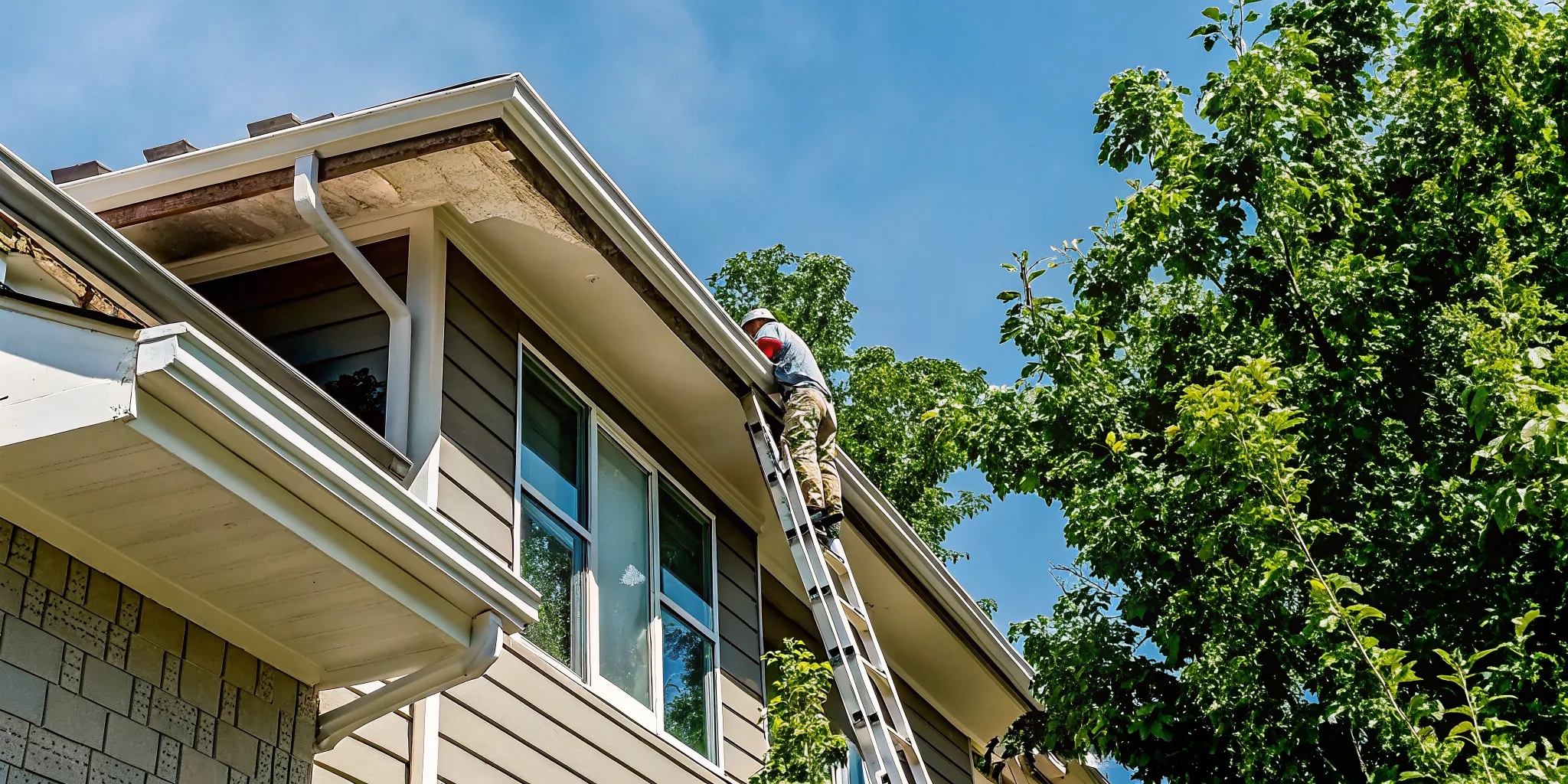
Honestly, gutter installation is almost always a job for a professional. The work is inherently dangerous, requiring you to work on a ladder while managing heavy, unwieldy sections of gutter. A fall can lead to serious injury, and it’s a risk that’s just not worth taking for most people. Beyond the safety concerns, getting the installation right is tricky. Gutters need to be pitched at a precise angle to ensure water flows correctly toward the downspouts. If the slope is off, you’ll end up with standing water, which defeats the whole purpose of having gutters in the first place. Our experienced team has the tools and training to get the job done safely and correctly the first time.
Why a Pro Installation Protects Your Home
Your gutter system is your home’s first line of defense against water damage. When installed correctly, gutters channel thousands of gallons of rainwater away from your house, protecting everything from your roofline to your basement. A professional installation ensures this system works flawlessly. We make sure the gutters are securely attached and perfectly sloped to prevent leaks and overflows that can damage your home’s siding, rot the fascia boards, and erode the soil around your foundation. A proper install helps you avoid future leaks and repairs, safeguarding your home’s structural integrity. It’s the best way to ensure your investment in new gutters provides lasting protection for your entire property, including your siding and exterior.
How to Make Your New Gutters Last
You’ve made a great investment in your home by replacing your gutters. Now, the key is to make them last as long as possible. Protecting your new gutters isn't complicated or time-consuming; it just requires a little consistency. With some simple, routine care, you can ensure your gutter system functions perfectly for years, protecting your roof, siding, and foundation from water damage. Think of it as a small maintenance plan that protects a major part of your home. By staying on top of a few key tasks, you can prevent clogs, catch minor issues before they become major headaches, and keep your home safe and dry through every Minnesota season.
Stick to a Regular Cleaning Schedule
The single most effective thing you can do for your gutters is to keep them clean. When gutters get clogged with leaves, twigs, and other debris, water has nowhere to go. It can overflow, running down your siding, pooling around your foundation, and even seeping into your roof structure. Regular cleaning helps your gutters last longer and prevents expensive repairs. We recommend cleaning them at least twice a year: once in the late spring to clear out winter debris and again in the fall after the leaves have dropped. This simple habit is one of the best ways to avoid costly roof repairs down the line.
Install Gutter Guards to Reduce Buildup
If you want to make your maintenance routine even easier, consider adding gutter guards. These systems act as a filter over your gutters, allowing water to flow through while blocking leaves, pine needles, and other debris from getting in and causing clogs. While they don't completely eliminate the need for maintenance, gutter guards can significantly reduce how often you need to clean your gutters. This is a fantastic proactive step for any homeowner, especially in a place with as many trees as Minnesota. It’s a smart upgrade that not only protects your gutters but also helps safeguard your home's entire exterior, including your siding.
Perform Seasonal Inspections
A quick visual inspection after a big storm and at the start of each new season can save you a lot of trouble. Take a walk around your house and look up at your gutters. Are there any sections that are sagging or pulling away from the house? Do you see any visible rust or cracks? Also, pay attention during the next rainstorm. Make sure water is flowing freely through the downspouts and being directed away from your foundation. Minnesota’s heavy snow and intense storms can take a toll on any exterior system, so these quick checks are crucial for preventing widespread storm damage.
Fix Small Problems Early
When you spot a small issue during your inspection, address it right away. A minor problem like a loose bracket or a small patch of peeling paint is much easier and cheaper to fix than the major water damage it could cause if left alone. Be on the lookout for signs like cracks, holes, rust, sagging, or any water pooling around your downspouts. Ignoring these can lead to water seeping into your fascia boards and roof deck, which can compromise your home's structure. Catching these issues early can be the difference between a simple repair and a full roof replacement. If you see something that doesn't look right, it's always best to call a professional.
Your Twin Cities Gutter Replacement Experts
When it's time to replace your gutters, choosing a team that truly understands the Twin Cities climate is non-negotiable. Our weather puts your home’s exterior to the test with heavy snow, ice dams, and intense summer rainstorms. A properly installed gutter system is your first line of defense, directing water away from your foundation, roof, and siding. Without it, you risk costly water damage that can compromise your home's structure and lead to expensive repairs. The main goal is to protect your home, and that starts with a reliable gutter system designed for Minnesota's unique challenges.
At MN Roofing Company, we’re more than just roofing experts; we’re your neighbors. With over 30 years of experience serving the Twin Cities area, we’ve seen firsthand what works and what doesn’t. We provide comprehensive gutter replacement services that go beyond just hanging new channels. Our process includes a thorough inspection of your fascia and soffit to ensure the underlying structure is sound before we install anything new. We believe in doing the job right the first time, which is why so many local homeowners trust our team to protect their properties.
We specialize in installing high-quality seamless gutters that are custom-fit to your home, minimizing the potential for leaks and creating a clean, polished look. Whether your home has been damaged in a recent storm or your old gutters have simply reached the end of their life, we can help. We’ll guide you through choosing the best materials and ensure your new system is perfectly equipped to handle whatever the seasons throw at it. Because we also handle storm damage repair, we know how to create an integrated system that keeps your entire home safe and dry.
Related Articles
Frequently Asked Questions
How often should I really be cleaning my gutters? For most homes in Minnesota, a twice-a-year cleaning schedule is the sweet spot. Plan to clear them out once in the late spring to remove any debris that accumulated over winter and again in the late fall after most of the leaves have fallen. Sticking to this routine is the single best thing you can do to prevent clogs, which can lead to water overflow and damage to your roof and foundation.
Are seamless gutters actually worth the higher price? In my experience, yes, they absolutely are. While sectional gutters have a lower upfront cost, their seams create multiple weak points that are prone to leaking over time. Seamless gutters are custom-made for your home from one continuous piece of metal, which drastically reduces the chance of leaks. Think of it as a long-term investment in protecting your home’s foundation and siding from water damage, not to mention they provide a much cleaner, more polished look.
What's the biggest risk if I put off replacing my failing gutters? The biggest risk is water damage to your home's foundation. When gutters fail, water doesn't get channeled away from your house. Instead, it pools at the base, where it can seep into your basement or crawl space and even cause cracks in the foundation over time. What starts as a gutter problem can quickly become a much more serious and expensive structural issue.
Can I just install gutter guards on my old, leaky gutters? That’s a common question, but unfortunately, gutter guards are not a fix for a failing system. Guards are designed to prevent debris from entering healthy gutters, not to solve existing problems like cracks, rust, or sagging. Putting a guard on a damaged gutter is like putting a bandage on a broken bone; it doesn't address the root cause and can sometimes trap moisture, making the problem worse.
How can I tell if my fascia boards are damaged? You can often spot fascia damage with a quick visual check. Look for peeling paint or dark water stains on the wood board that runs right behind your gutters. If you can safely get close, you can gently press on the wood with a screwdriver. If it feels soft or spongy, that’s a clear sign of rot. A professional will always perform a thorough inspection of the fascia before installing a new system.

Comments