
Rain Gutter Replacement: A Complete Buyer's Guide
It’s easy to overlook your gutters until something goes wrong. You might notice a section sagging after a heavy snow, or see dark streaks of water running down your siding. These aren't just small cosmetic issues; they are warning signs that your home's primary defense against water is failing. A functional gutter system is crucial for directing thousands of gallons of water away from your foundation, roof, and landscaping. When it stops working correctly, the resulting damage can be surprisingly destructive and expensive. This guide is here to help you understand when a simple repair isn't enough and a full rain gutter replacement is the smartest move to protect your home.
Key Takeaways
- Recognize gutters as essential protection
: Your gutters are not just trim; they are a vital system that directs water away from your house to prevent costly damage to your foundation, siding, and roof.
- Invest in a quality system and installation
: Choosing durable, seamless gutters and hiring a reputable, insured contractor is the best way to ensure your new system performs correctly and lasts for decades.
- Commit to simple, regular maintenance
: You can protect your investment and prevent major issues by cleaning your gutters twice a year, once in the spring and again in the fall, and inspecting them for damage after big storms.
4 Signs You Need New Gutters
Gutters are one of those home features that are easy to forget about, at least until they stop working. They are your home’s first line of defense against water damage, designed to collect rainwater from your roof and channel it safely away from your foundation, walls, and landscaping. When this system fails, the results can be surprisingly destructive and expensive to fix. So, how can you tell if your gutters are nearing the end of their life?
Fortunately, your house will give you some pretty clear signals. You don’t have to be a roofing expert to spot the warning signs. By taking a quick walk around your property, especially after it rains, you can catch problems before they get out of hand. Paying attention to visible damage, how the gutters are attached to your home, and where the water is going (or isn't going) can save you from serious headaches down the road. Here are four key signs that indicate it might be time to consider a gutter replacement.
Visible Rust, Cracks, or Holes
A simple visual inspection is often the first step in diagnosing gutter problems. Take a walk around your home and look closely at the gutters themselves. If you see spots of orange rust, small cracks, or even tiny pinprick holes, it’s a clear sign that the material is breaking down. These might seem like minor cosmetic issues, but they are weak points where water can escape. In Minnesota’s climate, small cracks can worsen quickly during freeze-thaw cycles. This escaping water runs down your fascia boards and siding, promoting rot and deterioration right where the gutter is supposed to be protecting your home.
Sagging or Pulling Away from Your Home
Your gutters should be fastened securely against the fascia board, running in a straight line along the edge of your roof. If you notice them sagging, bowing in the middle, or pulling away from the house, it’s a serious red flag. This is often caused by the sheer weight of water, ice, or debris that has collected inside, putting immense strain on the hangers that hold the gutter in place. Sagging gutters don't just look bad; they can't function properly. Water will pool in the low spots instead of flowing to the downspouts, and the added weight can cause the gutter to detach completely, potentially requiring roof repair for the damage it leaves behind.
Frequent Leaks and Water Overflow
During a typical rainstorm, water should flow smoothly through your gutters and exit through the downspouts. If you see water gushing over the sides or notice consistent drips and leaks from the seams and joints, your system is failing. While a clog can sometimes be the culprit, persistent leaks often mean the seals have worn out or the gutter sections have separated. A gutter that leaks is failing its primary mission. That uncontrolled water will saturate the ground near your foundation, which can lead to basement flooding and costly structural issues over time.
Peeling Paint or Stains Along Your Siding
Take a look at the exterior walls of your home, particularly right below the gutters and roofline. Do you see peeling or bubbling paint, dark water streaks, or patches of green mildew? These are telltale signs that water is overflowing from your gutters and running down the side of your house. This isn't just a cosmetic problem. It's direct evidence that your gutter system is not containing water effectively. This constant moisture can cause significant damage to your home's siding, leading to rot and decay that can compromise the structure of your walls.
A Guide to Gutter Materials and Styles
When you decide to replace your gutters, you'll find you have quite a few choices to make. It's about more than just catching rain; the right material and style can protect your home's foundation and complement its appearance. From budget-friendly vinyl to elegant copper, each option has its own set of benefits and considerations. Let's walk through the most common materials and styles so you can feel confident choosing the perfect fit for your home and our Minnesota climate.
Aluminum
Aluminum gutters are the most popular choice for homeowners, and for good reason. They strike a great balance between affordability and durability. Because they are lightweight, installation is straightforward. More importantly, aluminum doesn't rust, which is a huge plus in a state with as much rain and snow as Minnesota. You can also have them painted to perfectly match your home's trim and siding. With a typical lifespan of 20 to 30 years, aluminum gutters are a reliable, low-maintenance option that provides excellent value and protection for decades.
Vinyl
If you're working with a tight budget or considering a DIY project, vinyl gutters might catch your eye. They are the most affordable option and are very lightweight, which makes them easier to handle during installation. You can find them in pre-cut sections at most home improvement stores. However, it's important to know their limitations. Vinyl has a shorter lifespan of about 10 to 20 years and can become brittle and crack in the extreme cold of a Minnesota winter. While the initial cost is low, you may find yourself replacing them sooner than you would with other materials.
Copper
For a truly timeless and durable solution, copper gutters are in a class of their own. While they are the most significant investment upfront, they also last the longest, often 50 years or more with minimal maintenance. Copper is incredibly strong and will never rust. Instead of paint, copper develops a beautiful blue-green patina over time, adding a unique and elegant character to your home's exterior. This makes them a fantastic choice for historic homes or for anyone wanting to make a statement with a high-end, long-lasting material that truly enhances curb appeal.
Galvanized Steel
Galvanized steel gutters are known for their strength and rigidity, making them a very durable choice that can stand up to heavy snow and ice. They are stronger than aluminum and can last for 20 to 30 years. The galvanization process involves coating the steel with a layer of zinc to protect it from corrosion. However, this protective layer can wear away over time, especially if scratched, which can lead to rust. They often require more maintenance than aluminum or copper to prevent this, but their toughness makes them a solid option for homeowners concerned about physical damage.
Seamless vs. Sectional
When you choose a material, you'll also need to decide between seamless and sectional gutters. Sectional gutters come in 10- to 20-foot pieces that are joined together with sealant. This makes them accessible for DIY installation, but every seam is a potential point for leaks to develop. Seamless gutters, on the other hand, are custom-formed on-site from a single, long piece of metal to fit the exact dimensions of your home. This professional installation minimizes the chance of leaks and creates a cleaner, more durable system. For a long-term, worry-free solution, we almost always recommend seamless gutters for Minnesota homes.
K-Style vs. Half-Round
Finally, you'll choose a gutter profile. The two most common are K-style and half-round. K-style gutters have a flat back and a decorative front that resembles crown molding, making them a popular choice that complements most modern home designs. They can also hold more water than half-round gutters of the same width. Half-round gutters have a semi-circular shape that offers a more traditional, classic look, often found on older or historic homes. Their rounded shape makes them a bit easier to clean, but they are generally more expensive and complex to install.
What to Look for in Gutter Materials
Choosing the right gutter material can feel like a big decision, and it is. Your gutters are a critical part of your home's defense against water damage, so you want something that works well, looks great, and fits your budget. It’s about finding the perfect balance between durability, cost, maintenance, and style. Think of it as an investment in your home’s long-term health. Some materials offer incredible longevity with a higher upfront cost, while others provide a solid, budget-friendly solution that gets the job done.
The best material for your home depends on your priorities. Are you looking for a low-maintenance option that will last for decades, or is sticking to a specific budget your main goal? We’ll walk through the key factors to consider, from how different materials handle Minnesota’s tough weather to how they’ll complement your home’s aesthetic. Understanding these differences will help you confidently select the right gutters and even complementary siding services to protect and beautify your property for years to come.
How Long Will They Last?
A gutter's lifespan is one of the most important factors in your decision. Investing in a durable material means you won't have to think about replacement again for a very long time. Copper gutters are the undisputed champion of longevity, often lasting 50 years or more, making them a true "buy it once" solution. More common materials like aluminum and steel also offer impressive durability, typically lasting between 20 and 30 years. Vinyl gutters are the most budget-friendly option, but their lifespan is shorter, usually around 10 to 20 years. Keep in mind that regular cleaning and maintenance will help any gutter system reach its maximum potential lifespan.
Can They Handle Minnesota Weather?
Here in Minnesota, our gutters face a lot, from heavy snow and ice dams to intense summer storms. Your gutter material must be tough enough to handle these extremes. Aluminum is a popular choice because it’s lightweight, won't rust, and holds up well against the elements, making it a reliable workhorse for our climate. Steel is even stronger and can bear heavy loads of snow and ice, but it must be properly galvanized to prevent rust. For ultimate durability, copper is an excellent choice as it is naturally resistant to corrosion and can withstand temperature fluctuations without cracking. Choosing a material suited for our weather is a key step in preventing future storm damage repair.
How Much Maintenance Do They Need?
Honestly, how much time do you want to spend thinking about your gutters? All gutters require some maintenance, primarily clearing out leaves and debris to prevent clogs. However, some materials make the job easier. Copper is very low-maintenance because it naturally resists algae and fungal growth. Aluminum is also a great choice as it doesn't rust, meaning you won't have to deal with patching or painting down the line. Vinyl is easy to clean but can become brittle over time with sun exposure. When you're making your choice, consider how much ongoing work you're willing to put in to keep your gutters functioning properly.
Will They Complement Your Home's Style?
Gutters do more than just channel water; they are a finishing touch on your home's exterior. The right material and style can significantly improve your curb appeal. Aluminum gutters are very versatile because they come in a wide range of colors to match your trim or siding. Copper offers a timeless, high-end look, developing a beautiful green patina over time that complements historic or custom homes. You can also choose between different profiles, like K-style gutters, which have a decorative crown molding look, or half-round gutters, which offer a more traditional, classic appearance. Think about the overall style you want to achieve for your home.
Are There Eco-Friendly Choices?
If sustainability is a priority for you, there are great eco-friendly options available for gutters. Copper is a fantastic choice because it is a natural material that lasts for decades, reducing the need for replacements and minimizing waste. At the end of its very long life, it is also 100% recyclable. Aluminum is another strong contender in this category. Not only is it often made from recycled materials, but it is also fully recyclable itself. Choosing a long-lasting and recyclable material is a simple way to make a more environmentally conscious decision for your home improvement project.
How Much Does Gutter Replacement Cost?
Figuring out the budget for new gutters is one of the first steps for any homeowner. While it’s a significant investment, think of it as essential protection for your house. The final price tag can vary quite a bit, but understanding the components that make up the total cost will help you plan effectively and make a confident decision. The price depends on the materials you choose, the size of your home, and the specifics of the installation. Let's break down what you can expect.
Understanding the Average Cost
So, what’s the ballpark figure? For a typical home, you can generally expect the cost of a full gutter replacement to fall somewhere between $2,000 and $6,000. According to national averages, many homeowners spend around $4,000 for a complete project, including materials and professional labor. Keep in mind, this is just a starting point. A smaller, single-story home will naturally cost less than a large, multi-story house with a complex roofline. This average gives you a solid frame of reference as you begin to gather quotes and plan your budget for this important home update.
What Factors Influence the Price?
Several key factors determine your final gutter replacement cost. The size of your home is the most obvious one; more square footage means more linear feet of gutters are needed. The material you select also plays a huge role. For instance, aluminum is a popular and cost-effective choice, while copper sits at the premium end of the price spectrum. Beyond materials, labor costs are influenced by your home’s architecture. A two-story house or one with a steep, complex roof requires more time and safety equipment to work on. Finally, we might find that removing the old gutters reveals hidden issues, like rotted fascia boards that need attention. Addressing this underlying damage is crucial for a lasting roof repair and will be factored into the overall project cost.
Available Financing and Discounts
A full gutter replacement is a valuable investment, but it can feel like a big upfront expense. The good news is that you have options. Many trusted contractors offer financing plans to help you manage the cost by breaking it down into more affordable monthly payments. It’s always a good idea to ask about these programs when you get a quote. You can also find value by bundling services. If you’re already planning a roof replacement, having your gutters done at the same time is often more cost-effective than tackling it as a separate project later. As a family-owned company, we believe in transparent communication and helping our neighbors find the best solutions for their homes. We’re always happy to walk you through the costs and financing options that work for your budget.
The Risks of Delaying Gutter Replacement
It’s easy to put gutter replacement on the back burner. After all, they’re just small channels on the edge of your roof, right? But thinking of them as optional trim is a costly mistake. Your gutter system is your home's first line of defense against water damage, directing thousands of gallons of rainwater and snowmelt safely away from your property. When you postpone replacing old, failing gutters, you’re inviting a host of serious and expensive problems that go far beyond a few drips. From a compromised foundation to a rotting roof structure, the consequences of delay can turn a straightforward replacement project into a major home restoration. Taking care of your gutters is a key part of protecting your entire home investment.
Damage to Your Home's Foundation
One of the most significant risks of failing gutters is damage to your home's foundation. A functional gutter system is designed to collect water and channel it away from your house. When gutters are cracked, clogged, or pulling away, that water spills over and pools directly around your foundation. Especially for homes with basements, which are common here in Minnesota, this is a recipe for disaster. The constant moisture saturates the soil, creating immense pressure on your foundation walls. Over time, this can lead to cracks, leaks, and serious structural issues that are incredibly expensive to fix. What starts as a simple gutter problem can quickly threaten the very stability of your home.
Rot in Your Roof and Fascia
Your gutters are attached to a board called the fascia, which runs along the edge of your roofline. When gutters fail, water backs up and seeps into the fascia and the underlying roof structure. This constant exposure to moisture causes the wood to rot. If your fascia boards are rotten, they can’t support the weight of new gutters and will need to be replaced first, adding an extra step and cost to your project. Ignoring this can lead to more widespread decay in your roof decking and rafters, compromising your entire roofing system. Timely gutter replacement is essential for keeping your roof and its supporting structures dry, solid, and free of rot.
Erosion and Landscaping Problems
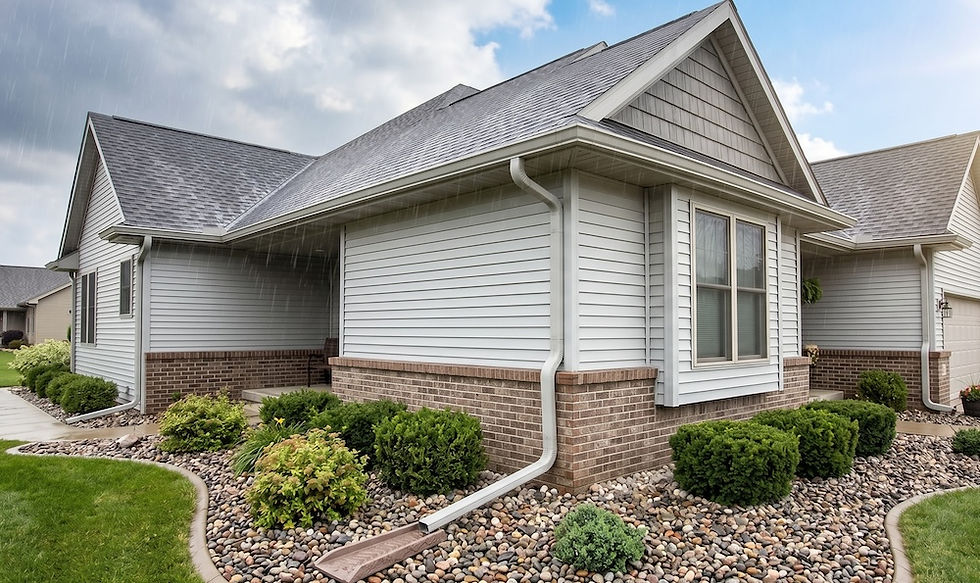
You’ve likely spent a lot of time and money on your home's landscaping. Faulty gutters can wash it all away. When water isn't properly diverted through downspouts, it cascades off your roof, carving trenches into your flower beds, eroding soil, and destroying plants. This uncontrolled runoff doesn't just ruin your curb appeal; it can also oversaturate the ground near your home, contributing to the foundation issues we just talked about. Properly installed gutters are crucial for protecting your home by moving water away from your siding, foundation, and landscaping. This simple system helps prevent everything from basement leaks to a washed-out garden, making it a critical part of your home's exterior protection plan.
Gutter Guards and Add-Ons to Consider
Once you’ve picked your gutter material, you can start thinking about the finishing touches. These add-ons aren’t just extras; they’re smart upgrades that extend the life of your gutter system, reduce your maintenance list, and better protect your home. From keeping leaves out to ensuring water flows exactly where it should, these features make a big difference in performance and peace of mind.
Exploring Gutter Guard Types
If your yard has beautiful, mature trees, you already know the struggle of keeping gutters clear. Gutter guards are a fantastic solution. They act as a screen over your gutters, letting water flow through while blocking the leaves, twigs, and other debris that cause clogs. This simple addition saves you from climbing a ladder for frequent cleanings and prevents water from backing up. When water can't drain properly, it can overflow and damage your roof, fascia, and even your home's foundation. Investing in gutter guards is a proactive step to protect your home from water stains and rot, which can help you avoid needing new siding services prematurely.
Why Proper Slope and Downspouts Matter
A professional gutter installation is about more than just hanging them straight. For gutters to work correctly, they need a precise, gentle slope that directs water toward the downspouts. The standard is a drop of about a quarter-inch for every 10 feet of gutter. This slight angle is crucial for ensuring water drains efficiently instead of sitting stagnant or overflowing, which is key to protecting your foundation from water damage. We also recommend considering larger downspouts, like 3x4 inch options. They handle heavy rainfall and snowmelt much more effectively, reducing the chance of clogs during a storm. This is a critical detail for any quality roof replacement project.
Smart Gutter Systems
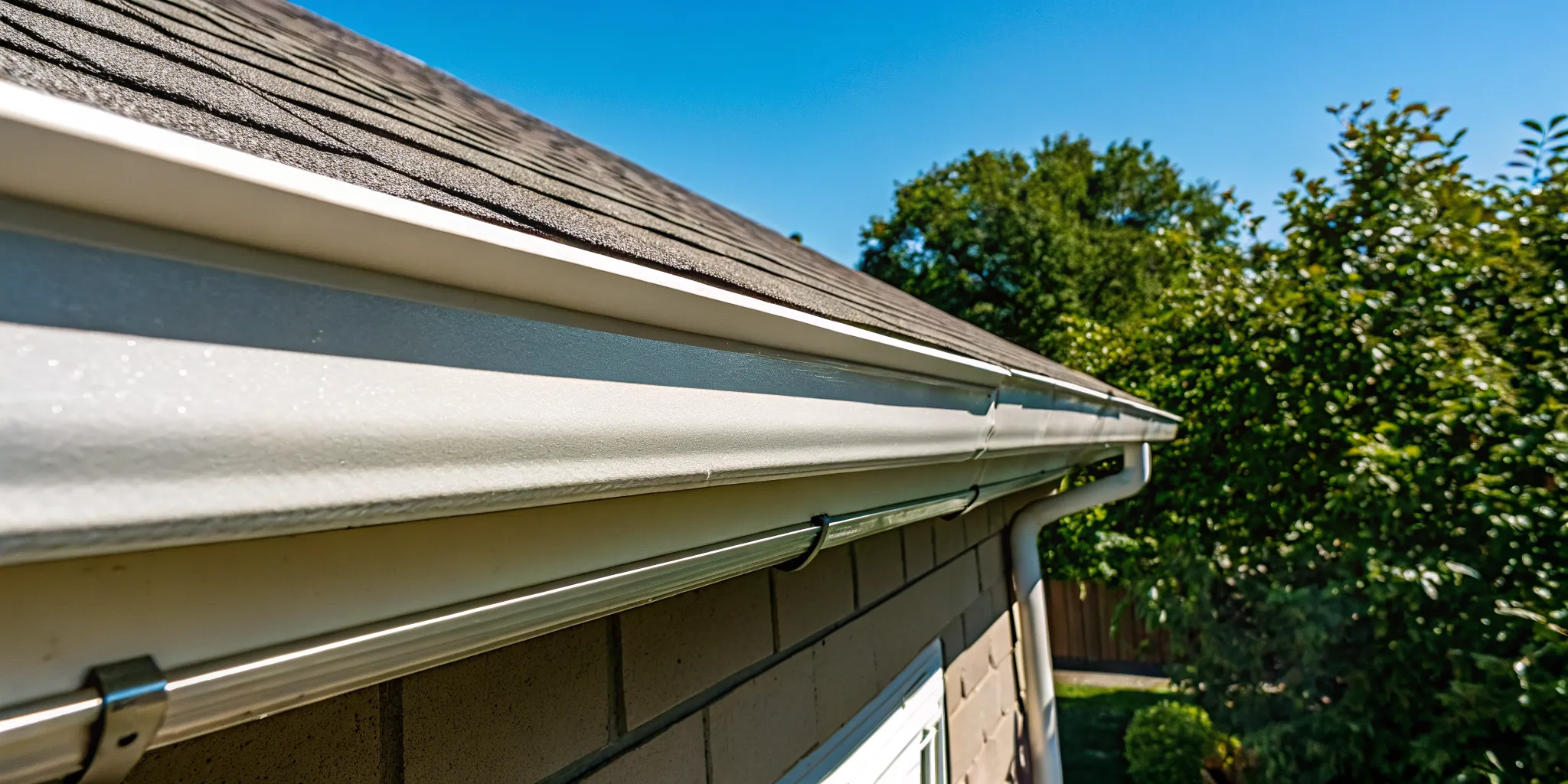
For a sleek look and superior performance, many homeowners are choosing seamless gutters. Unlike traditional sectional gutters that are pieced together every 10 feet, seamless gutters are custom-made from one long piece of metal to fit your home perfectly. This design eliminates the seams, which are the most common points for leaks to develop over time. They are attached with strong, hidden hangers that create a clean, polished look while allowing the metal to expand and contract with Minnesota's temperature swings. This makes them incredibly durable and less prone to warping or pulling away from the house. A seamless system is a lasting investment in your home’s curb appeal and protection, making it a popular choice for any residential roofing project.
How to Choose the Right Gutter Installer
Choosing the right person to install your gutters is just as important as picking the right materials. A great installation protects your home for years, while a poor one can lead to the very problems you were trying to avoid. So, how do you find a contractor you can trust? It comes down to doing a little homework on a few key areas. By vetting potential installers, you can feel confident that your home is in good hands and that your investment will last.
Verify Their Experience and Credentials
Gutter installation looks straightforward, but it's a job that requires precision and safety know-how. That’s why it’s best to check an installer's background. Look for a company with years of proven experience in Minnesota, proper licensing, and full insurance coverage. This protects you from liability and ensures the team working on your home knows how to handle our local weather challenges. A contractor's history, like our own 30 years of experience, speaks volumes about their reliability and expertise in the community.
Ask About Warranties and Guarantees
A confident installer will always stand behind their work. Before you sign anything, ask detailed questions about the warranties they offer. What is the warranty on the gutter materials themselves? More importantly, what is the guarantee on the labor? A strong workmanship warranty shows that the company is committed to quality and will be there to fix any issues that might arise from the installation. Don't be afraid to ask for these details in writing; it’s a standard part of any professional agreement and gives you peace of mind.
Read Customer Reviews and Testimonials
One of the best ways to get a real feel for a company is to see what past customers have to say. Spend some time reading through Google reviews and testimonials on their website. Look for patterns in the feedback. Are people consistently happy with the communication, cleanup, and final result? While a few negative reviews can be normal for any business, the overall sentiment should be overwhelmingly positive. A company with a long list of happy clients is a good sign you’re making the right choice for your residential roofing project.
Why You Should Get Multiple Quotes
It’s always a good idea to get at least three quotes before making your final decision. This isn't just about finding the lowest price. Comparing quotes helps you understand the fair market rate and see what each contractor includes in their proposal. Pay attention to the materials they plan to use, the proposed timeline, and the professionalism of their communication. A detailed, transparent quote is a sign of a trustworthy partner. This process allows you to weigh your options and choose the installer that offers the best overall value, not just the cheapest rate.
Common Myths About Gutter Replacement
When it comes to home maintenance, gutters often come with a lot of misconceptions. It can be tough to separate fact from fiction, but understanding the truth is key to protecting your home. Let's clear up a few common myths so you can make the best decision for your property.
Myth: "Gutters are just optional.
This is one of the most dangerous myths out there. Gutters are a critical part of your home's defense system, especially here in Minnesota where we see plenty of rain and snowmelt. They are designed to channel water away from your house, protecting your home from water damage. Without them, rainwater runs directly off your roof and pools around your foundation, which can lead to cracks, basement flooding, and serious structural problems. Water runoff can also damage your siding, stain your brick, and erode your landscaping. Think of gutters as a non-negotiable component for keeping your home safe, dry, and structurally sound for years to come.
Myth: "A DIY job always saves money."
While the idea of saving a few dollars is always appealing, installing gutters yourself is a project where cutting corners can cost you more in the long run. Proper installation requires specific tools, knowledge of correct pitching for drainage, and the skill to securely fasten them so they don’t pull away. Mistakes can lead to leaks, sagging, and improper water flow, defeating the purpose of having gutters in the first place. Plus, working on a ladder comes with safety risks. Professional installation ensures your gutters are installed correctly and efficiently, giving you peace of mind that your investment is protected and will function properly when the next storm hits.
Myth: "All gutter systems are the same."
Not all gutters are created equal, and the type you choose can make a big difference in performance and appearance. For example, traditional sectional gutters are pieced together, creating seams that can eventually leak or collect debris. Seamless gutters, on the other hand, are custom-formed on-site to the exact measurements of your home. This design eliminates unsightly seams, significantly reduces the chance of leaks, and provides a clean, polished look that enhances your home’s curb appeal. Choosing the right material and style for your home’s architecture and our local climate is essential for long-term durability and function.
Myth: "Any damage means you need a full replacement."
Seeing a crack, a bit of rust, or a sagging section of your gutter can be alarming, but it doesn’t automatically mean you need to replace the entire system. Many common gutter problems, like leaking joints, small holes, or isolated sagging, can often be repaired effectively. A professional can assess the situation to see if a targeted fix is all that’s needed. Of course, widespread rust, numerous cracks, or gutters that are consistently pulling away from the house are signs that a replacement is the smarter, more cost-effective solution. An honest contractor will help you weigh the benefits of repair versus replacement.
How to Maintain Your New Gutters
You’ve just invested in brand new gutters, which is a fantastic step toward protecting your home. To make sure that investment pays off for years to come, a little routine maintenance goes a long way. Keeping your gutters in top shape is simple, and it helps prevent costly damage to your roof, siding, and foundation. Here are four key habits to adopt to keep your gutter system working perfectly.
Clean Them Twice a Year
Regular cleaning is the single most important thing you can do for your gutters. As experts note, consistent cleaning and maintenance can make your gutters last longer. When gutters get clogged with leaves and debris, they can’t direct water away from your home. This leads to overflow that can damage your roof, fascia boards, and siding. We recommend cleaning them at least twice a year: once in the late spring after trees have dropped their seeds and pollen, and again in the late fall after all the leaves have fallen. This simple habit prevents blockages and ensures water flows freely, protecting your home from moisture damage.
Inspect Them After Big Storms
Minnesota weather can be tough on a home’s exterior. After a major storm with heavy rain, high winds, or snow, it’s a good idea to give your gutters a quick visual check. Look for any debris that might have collected, like leaves, twigs, or other material that could cause a clog. Catching a potential blockage early can prevent a much bigger problem down the road. A quick inspection also helps you spot any developing issues, like sagging sections or loose fasteners, before they require a significant storm damage repair. This proactive step ensures your gutters are always ready for the next downpour.
Trim Nearby Trees
Overhanging tree branches are a primary source of gutter clogs. Leaves, pine needles, and small twigs fall directly into your gutters, creating blockages that stop water from flowing. Regularly trimming back any branches that hang over your roofline is a simple, preventative measure. While gutter guards are an excellent addition to reduce how much debris gets in, keeping trees trimmed is your first line of defense. This not only saves you cleaning time but also reduces the risk of larger branches falling and damaging your roof or gutter system during a storm.
Check Joints and Downspouts
Even the best gutter systems can develop small issues over time, especially at the seams and joints. Periodically walk around your house during a light rain and look for any drips or leaks along the gutter runs and at the corners. Also, check that water is flowing freely out of the downspouts and away from your foundation. If you notice gaps or peeling sealant, it's important to "seal all joints to prevent leaks from forming. Spotting and addressing these small issues quickly can stop water from seeping behind your siding or pooling around your foundation, preventing much more serious problems.
Protect Your Home, Starting at the Roofline
Think of your gutters as your home's first line of defense against water damage. Their job is simple but essential: to channel rainwater away from your house, which is critical for preventing all sorts of damage. Without a functional gutter system, all that water would run down your siding, pool around your foundation, and wreak havoc on your landscaping. This simple system is your best tool for preventing soil erosion, basement leaks, and mold growth, keeping your home structurally sound.
Neglecting your gutters can lead to significant and costly issues. When water isn't properly directed, it can cause peeling paint and stains along your siding, and even compromise your home's foundation over time. Clogged or broken gutters can also cause water to back up under your shingles, leading to roof rot. As roofing experts note, bad gutters can lead to everything from structural damage and pests to fire hazards from dry, collected debris.
The good news is that you can avoid these headaches with proper care. Regular cleaning and maintenance can make your gutters last much longer and ensure they are always ready to do their job. By keeping them clear and in good repair, you’re making a small investment that protects your entire home, from the roofline down to the foundation.
Related Articles
Frequently Asked Questions
Should I repair my gutters or just replace the whole system? This really depends on the extent of the damage. If you have one or two leaky joints or a small, isolated crack, a professional repair can often solve the problem effectively. However, if you're seeing widespread issues like extensive rust, multiple cracks along different sections, or gutters that are sagging and pulling away from the house, a full replacement is the more sensible long-term solution. Constantly patching up a failing system can become more expensive over time than investing in a new one that will protect your home properly for decades.
What's the best gutter material for a Minnesota home? For our climate, durability is key. Aluminum is the most popular choice for good reason; it's affordable, won't rust, and handles our temperature swings well, making it a fantastic all-around option. If your home is in an area prone to heavy ice and snow buildup, galvanized steel offers superior strength, though you'll need to ensure its protective coating stays intact. For a truly long-lasting, premium solution, copper is unmatched. It's incredibly durable, never rusts, and develops a beautiful patina that adds character to a home.
Are gutter guards a worthwhile investment? If your property has mature trees, gutter guards are an excellent investment. While they have an upfront cost, they save you from the risky and repetitive task of climbing a ladder to clear out leaves and debris. More importantly, they prevent the clogs that cause water to overflow. This overflow is a primary cause of damage to your siding, fascia, and even your foundation. Think of them as an insurance policy that keeps your gutter system working as it should, especially during heavy storms.
Can failing gutters really damage my home's foundation? Yes, absolutely. This is one of the most serious risks of neglecting your gutters. When water isn't channeled away from your home, it pools directly against your foundation. This constant moisture saturates the soil, which can create significant pressure on your foundation walls. Over time, this pressure can lead to cracks, basement leaks, and costly structural problems. A functional gutter system is your home's first and best defense against this kind of water damage.
Why are seamless gutters recommended so often? Seamless gutters are highly recommended because they solve the biggest weakness of traditional gutter systems: the seams. Sectional gutters, which you can buy in pieces from a hardware store, have joints every 10 to 20 feet. Each of these joints is a potential spot for leaks to develop. Seamless gutters are custom-formed on-site from a single piece of metal to fit your home's exact dimensions. This design eliminates the risk of seam leaks, resulting in a stronger, more durable, and cleaner-looking system.

Comments